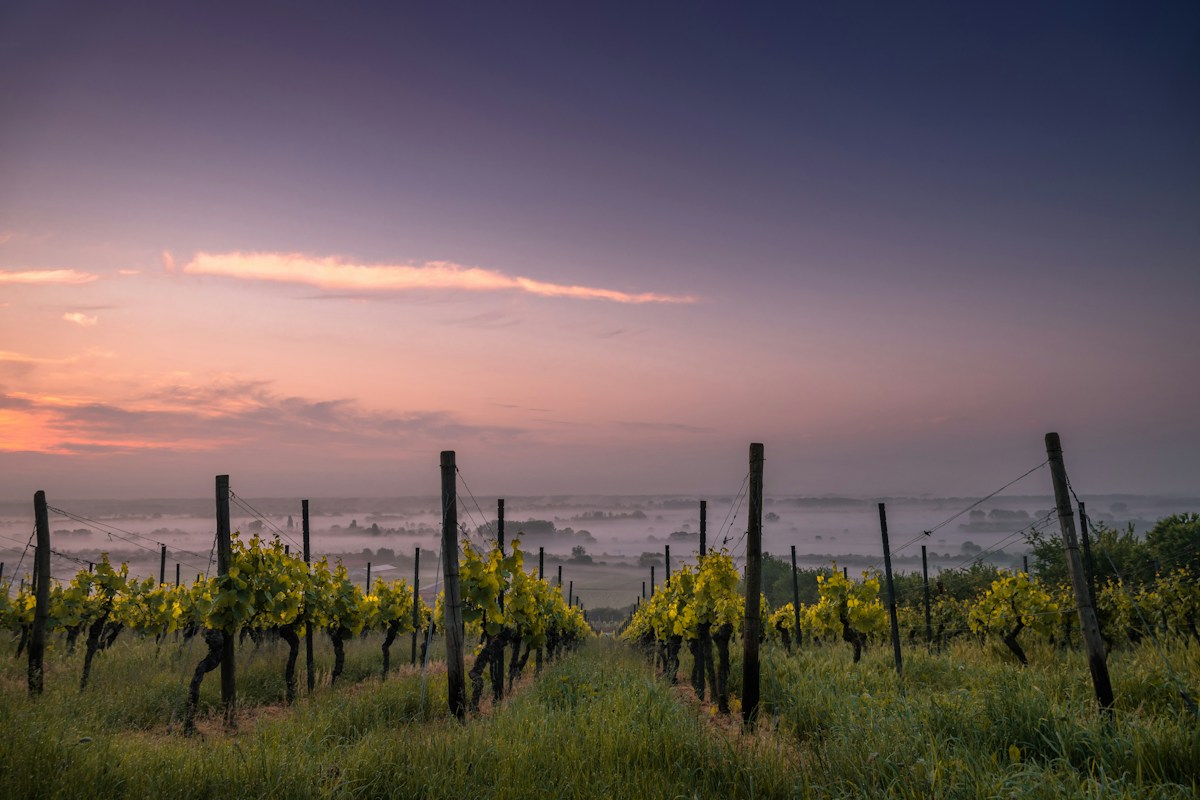
Valais – Where the Alps Kiss the Wine and Time Stands Still in the Glass
Discover Valais: the alpine wine region of Switzerland with deep-rooted tradition, rare grape varieties, spectacular terraces and profoundly emotional wine experiences.
Valais – Where the Alps Kiss the Wine and Time Stands Still in the Glass
Meta-Description: Discover Valais: the alpine wine region of Switzerland with deep-rooted tradition, rare grape varieties, spectacular terraces and profoundly emotional wine experiences.
Keywords: Valais, Valais wine, Valais wine region, Swiss wine, Valais grape varieties, Valais white wine, Valais red wine, terraced viticulture Valais, Valais (French: Valais)
---
Introduction: The First Sip of Eternity
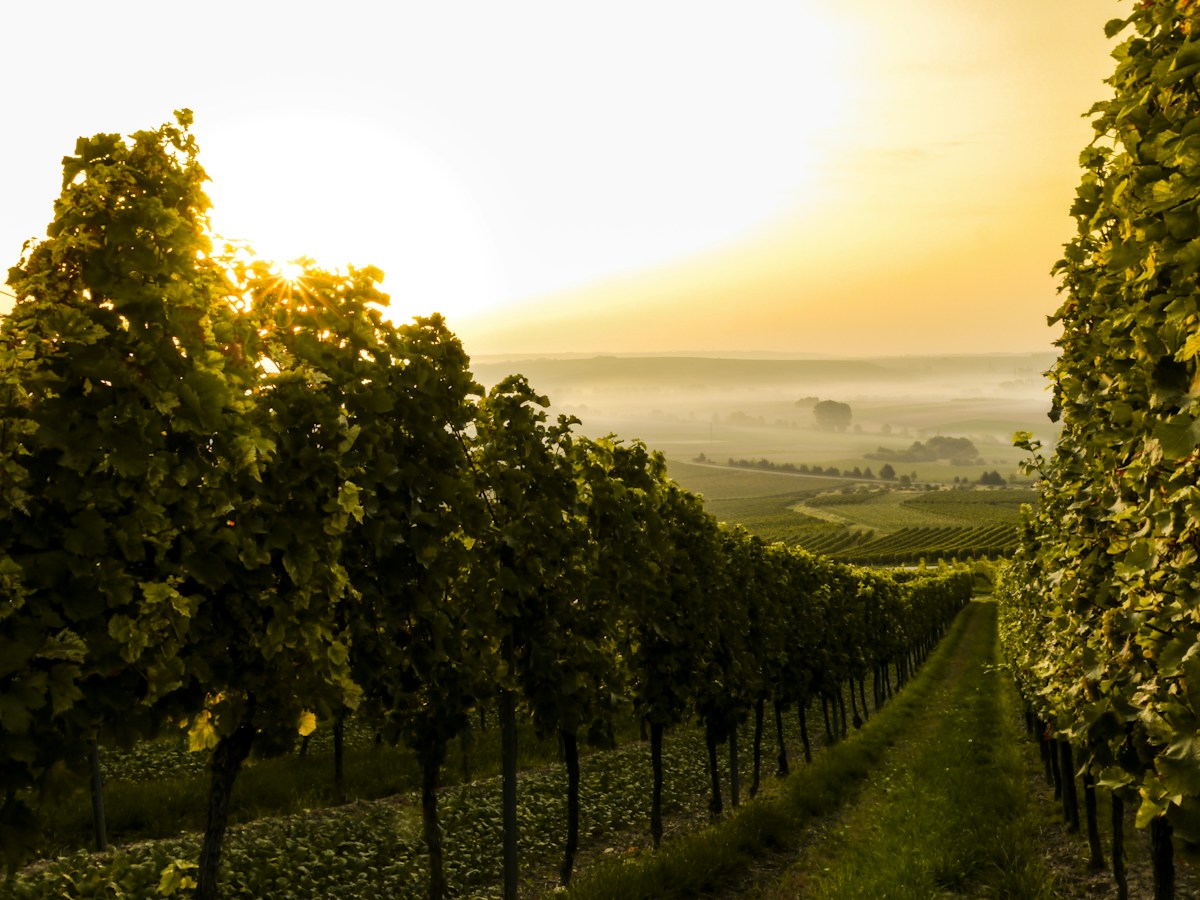
It’s late afternoon in Valais. The sun lies golden over the steep vineyard slopes, the föhn wind brushes warmly through the vines, and the Rhône shimmers like a silver ribbon at the bottom of the valley. The air is filled with the scent of warm stone, ripe grapes and a whisper of mountain herbs – as if someone had poured the very essence of the Alps into a single valley.
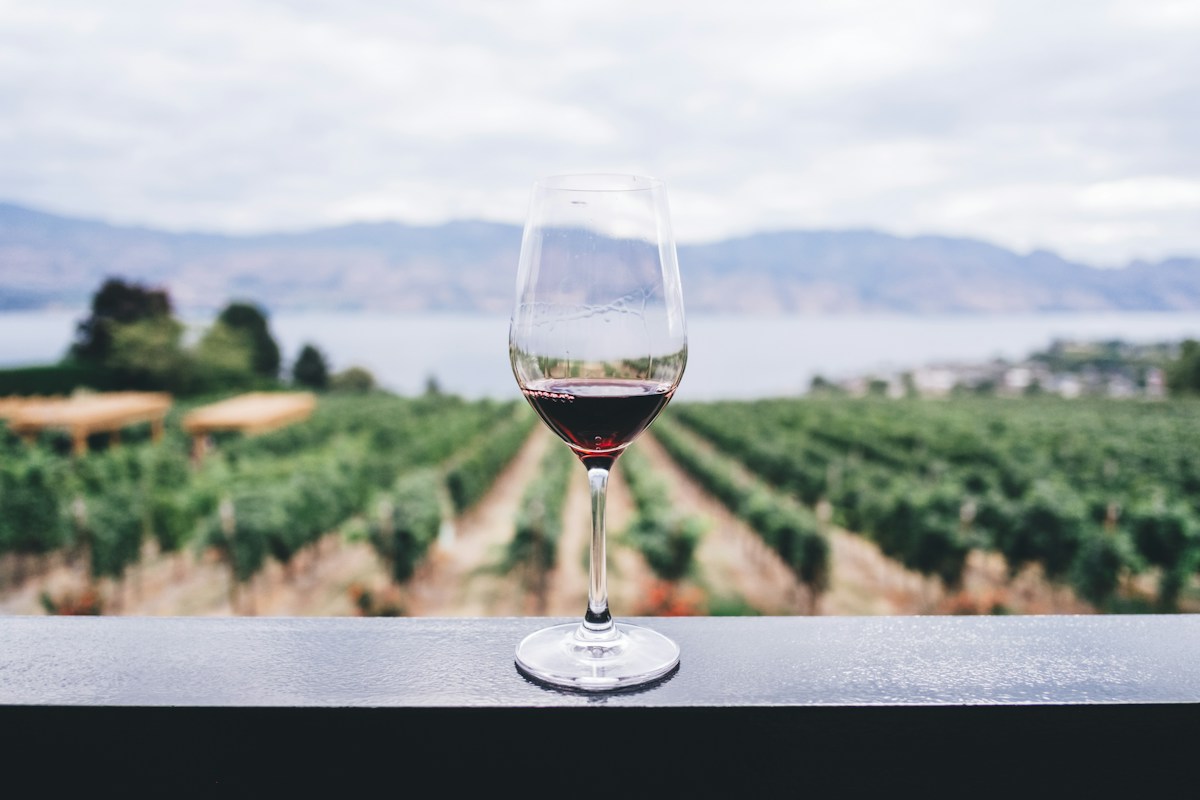
A glass is poured. Light refracts in the wine, a delicate veil rises to the nose: stone fruit, alpine blossoms, a fine salty note that recalls crumbled slate along a hiking trail. The first sip feels like a moment of eternity – dense, clear, cool, with an inner tension that mirrors the contrast between blazing sun and snow-capped peaks. This is Valais. Not a place, but a myth of stone, light and time.
The wine region of Valais – or Valais, as it’s called in French – is the heart of the Swiss wine world. Here, centuries-old tradition, extreme terroir and rare grape varieties fuse into an unmistakable vinous signature. This article leads you into the soul of this region: its soils, its light, its indigenous grape varieties, its history – and the moments at the table when wines from Valais become quiet narrators of great stories.
---
The Inimitable Terroir and Climate
The soil:
Anyone who wants to understand Valais must go down – below the steep terraces, into geological depth. This long, east–west-oriented valley was shaped by glaciers, the Rhône and tectonic forces. The vineyards usually lie between 450 and 800 meters, with some parcels reaching above 1,000 meters. It is a mosaic of rocks that is reflected in every glass.
- Slate and mica-schist: In many higher sites and terraces, slate rock dominates. It stores warmth, provides excellent drainage and lends the wines a vibrating minerality, often with a smoky, stony-salty undertone. White varieties such as Petite Arvine or Heida (Savagnin) show an almost crystalline precision here.
- Limestone and marl: Calcareous strata bring structure and tension. White wines from limestone-rich soils in Valais often appear tighter, more linear, with pronounced acidity and a long, chalky finish. For red varieties like Pinot Noir or Cornalin, limestone delivers elegance, freshness and fine-grained tannins.
- Moraines, gravel and sand: The Rhône has left a bed of gravel, pebbles and sand. These well-drained, poor soils encourage deep-rooting vines and low yields – perfect conditions for concentrated yet balanced wines. Syrah and Humagne Rouge find here an environment that unites warmth and freshness.
- Loess and fine deposits: In some hillside locations there are finer sediments, which retain water somewhat better. They produce more generous, rounder wines with a softer texture – ideal for varieties such as Fendant (Chasselas) or Gamay.
What makes Valais unique is the combination of extreme slopes, ancient dry-stone walls, diverse rock types and a geological complexity that amazes even seasoned terroir lovers. This is where wines are born that taste not just of grape variety, but of slope, rock, exposure – of origin in its most radical sense.
The climate:
Valais is a paradoxical oasis: a continental alpine climate in the midst of mountains, at once dry and sun-drenched, yet marked by cool nights.
- Sunshine hours: With around 2,000–2,300 hours of sunshine per year, Valais is one of the sunniest wine regions in Europe. The steep, often south-facing terraces act like solar panels. This intense exposure allows excellent ripening of the grapes, even for late-ripening varieties such as Petite Arvine or Syrah.
- Precipitation: Thanks to the rain shadow of the surrounding Alps, Valais is astonishingly dry – in parts under 600 mm of rainfall per year. This dryness promotes healthy grapes, reduces fungal diseases and concentrates the berries. At the same time, it demands smart water management, often using traditional irrigation channels (Suonen/Bisses).
- Temperature differences: Summer days can be very warm, even hot – but nights, especially at higher altitudes, remain noticeably cooler. This pronounced diurnal range is the key to the aromatic finesse of Valais wines: plenty of ripeness, yet taut acidity, freshness and a clearly etched aromatic profile.
- Winds and föhn: The föhn, a dry, warm downslope wind, contributes to rapid drying of the grapes and encourages ripening. At the same time, valley winds circulate along the Rhône, ventilating the vineyards and protecting them from overheating.
From this constellation arises a rare field of tension: alpine light, continental dryness, cool nights – a climate that enables ripeness, concentration and freshness at once. You feel this interplay of sun and mountain coolness in every Valais wine.
---
The Grape Varieties: The Beating Heart of the Region
The leading actors:
Valais is not just the largest wine region in Switzerland; it is its genetic treasury. Here, an impressive diversity of indigenous varieties meets international classics.
- Fendant (Chasselas): Perhaps the most classic white wine of Valais. In Switzerland, Chasselas is traditionally called Fendant in Valais. It shows here as dry, often with delicate aromas of white blossoms, stone fruit, fresh nuts and a hint of yeast or bread crust. On the palate, it is soft, fine, with elegant, rather restrained acidity – an ideal wine for regional cuisine, the apéro culture and cheese dishes.
- Petite Arvine: The queen of white varieties in Valais. Indigenous, strong in character, unmistakable. Typical are aromas of grapefruit, rhubarb, brine, white blossoms and sometimes lightly floral, exotic notes. On the palate Petite Arvine reveals an impressive combination of richness, vibrant acidity and salty minerality. Vinified dry, it appears crystal-clear and precise; when harvested later, it can be more opulent without losing its freshness.
- Heida / Païen (Savagnin): In higher sites – for example in the village of Visperterminen, one of the highest wine-growing zones in Europe – Heida reveals all its alpine grandeur. It delivers dense, structured white wines with notes of citrus zest, dried herbs, nuts and a pronounced, ageworthy acidity. Heida combines mountain air on the nose with longevity on the palate.
- Cornalin: One of the emblematic red varieties of Valais. Dark, mysterious, with aromas of black cherries, blackberries, violets, wild thyme and sometimes a hint of blood or iron. The tannins are present yet fine, the acidity invigorating. When young, Cornalin often seems wild; with a few years of bottle age, it becomes complex, silky and fascinating.
- Humagne Rouge: Another almost mythical red variety of Valais. Its wines are rather dark and spicy, with notes of wild berries, pepper, undergrowth and sometimes an animal, wild touch. Humagne Rouge yields characterful, rustic-noble wines that pair wonderfully with alpine cuisine.
- Syrah: In Valais, the Rhône’s prodigal child has found a second home. Thanks to the warm, dry climate, Syrah wines here have deep color, black berries, pepper, olive, occasional smokiness and delicate alpine freshness. They often seem more elegant and cooler than many of their counterparts south of the Alps, with excellent ageing potential.
The white/red line-up:
Beyond the main protagonists, Valais opens up an entire repertoire of vinous characters:
- White varieties:
- Amigne: A rare indigenous variety from Vétroz. Depending on vinification, it yields dry to off-dry and sweet wines – with aromas of citrus, honey, candied fruit, sometimes beeswax and bitter orange. Brilliant with aged hard cheese and foie gras.
- Ermitage (Marsanne): Produces full-bodied, creamy white wines with aromas of ripe pears, almonds, honey and blossoms, supported by a firm, carrying acidity. Ermitage can age magnificently.
- Johannisberg (Silvaner): In Valais, often soft and almondy, with notes of pear, herbs and sometimes a finely bitter structure.
- Gewürztraminer, Pinot Gris, Chardonnay: Internationally known varieties that, in selected sites, yield delicately spicy, aromatic to powerful wines.
- Red varieties:
- Pinot Noir: In higher, cooler sites, finely structured, elegant Pinots emerge, with red berries, spices and a cool, mineral vein.
- Gamay: Fruity, juicy, full of charm and drinkability – perfect for lighter red wines from Valais, often also as a blending partner.
- Diolinoir, Gamaret, Merlot, Cabernet Sauvignon: For powerful, modern cuvées with dark fruit, spice and good ageing potential.
In the best sense, Valais is a “living grape variety museum” – but with the ambition to shape character wines from each of these varieties that make sense in their alpine environment.
---
History & Tradition
Wine culture in Valais reaches far back – to the time of the Romans, who used the Rhône as a transport route and established viticulture along its banks. Finds and written sources indicate that vines already grew on the sunny slopes in antiquity, long before Valais became a name in the modern wine world.
In the Middle Ages, monasteries, bishops and local nobility fostered wine-growing. Wine was a commodity, sacramental wine and currency all at once. The extreme topography forced people to find creative solutions: steep terraces were carved into the rock, dry-stone walls erected, irrigation channels (Suonen) built over kilometres to bring meltwater from the glaciers into the vineyards. This artisanal feat still shapes the landscape today.
The phylloxera crisis of the 19th century did not spare Valais. It led to a reorganisation of the vineyards and prompted extensive testing and selection of grape varieties – and a conscious effort to preserve indigenous ones. In the 20th century, viticulture modernised: temperature control in the cellar, better clones, deeper knowledge of soils and sites. At the same time, much remained traditional: small family estates, manual labour on extreme slopes, respect for nature.
Today, Valais is one of the most exciting wine regions in Europe – not because of gigantic export volumes, but thanks to a combination of rarity, identity and terroir awareness. Many renowned producers have brought the region onto the international stage, yet the true star remains the landscape itself.
---
Pleasure & Perfect Pairings
Sensory profile:
Wines from Valais share a common signature: they taste like distilled Alps – clear, precise, often with a tension between ripeness and freshness.
- White wines:
- Nose: Delicate to intense aromas of citrus fruits (grapefruit, lemon), stone fruit (peach, apricot), white blossoms, fresh almonds, herbs, all the way to honey, nuts and salty, mineral nuances.
- Palate: A play of richness and clarity. Even the powerful varieties such as Petite Arvine or Ermitage retain structuring acidity and vibrating minerality. The mouthfeel ranges from silky-fine (Fendant) to creamy-dense (Ermitage, mature Savagnins).
- Red wines:
- Nose: Red and dark berries (cherries, raspberries, blackberries), floral notes (violets), alpine spice (thyme, juniper), sometimes pepper, smoke or graphite. Indigenous varieties such as Cornalin and Humagne Rouge often bring a wild, almost archaic note.
- Palate: Purity of fruit with backbone. Tannins are usually ripe yet present, the acidity lively, providing a cool core even in full-bodied Syrah wines. Many reds from Valais impress with length without becoming heavy.
Food pairing:
Wines from Valais are deeply rooted in local cuisine – and at the same time versatile partners for international gastronomy.
- With white wines from Valais:
- Fendant: Classic with fondue and raclette, Valais dried meats, boiled beef salad, mild goat or sheep cheeses, but also with sushi, steamed fish or light vegetable dishes.
- Petite Arvine: Perfect with seafood, oysters, tuna tartare, ceviche, grilled fish, but also with aged hard cheese. Its salty edge harmonises beautifully with iodic and salty foods.
- Heida / Savagnin: With smoked fish, chicken with morels, creamy sauces, roast veal, truffle dishes or aged Comté. The structure of the variety handles complex dishes with ease.
- Amigne (off-dry or sweet): With foie gras, pâté, blue cheeses, desserts with citrus and almonds or as a contemplative wine to end a meal.
- With red wines from Valais:
- Cornalin: Superb with herb-crusted rack of lamb, game dishes (roe deer, venison), braised beef, tagliata with rosemary, mushroom ragout or aged mountain cheese.
- Humagne Rouge: With pot roast, wild boar ragout, hearty home-style cooking, Saucisson, dried meats, rösti with bacon – anything rustic, hearty and aromatic.
- Syrah: With entrecôte, grilled dishes, lamb, pigeon, braised aubergine, dark jus, mature hard cheese. The combination of peppery spice and alpine freshness makes it a dream for fine dining.
- Pinot Noir: For refined cuisine: veal fillet, poultry, mushroom dishes, elegant pasta, mild cheese.
Anyone who opens up to Valais discovers a cuisine that resembles its wines: honest, concentrated, shaped by the landscape – and often surprisingly subtle.
---
FAQ – The 10 Most Important Questions About Valais
1. What makes wines from Valais so special?
The combination of alpine terroir, high sunshine hours, cool nights and an extraordinary diversity of indigenous grape varieties creates wines with pronounced personality. Wines from Valais unite ripeness, clarity and mineral tension in a unique way.
2. Which grape varieties dominate in Valais?
Among the whites, Fendant (Chasselas), Petite Arvine, Heida (Savagnin), Johannisberg and Ermitage dominate. Among the reds, Pinot Noir, Gamay, Cornalin, Humagne Rouge and Syrah are at the forefront.
3. How does a typical wine from Valais taste?
Typical white wines from Valais show fresh acidity, clear fruit (citrus, stone fruit), floral and mineral notes. Red wines offer juicy berry fruit, alpine spice, present yet fine tannins and a cool-feeling structure – even in powerful cuvées.
4. How long should you age wines from Valais?
Fendant and simple fruity whites are best drunk within 2–4 years. Structured whites such as Petite Arvine, Heida or Ermitage can age 8–15 years and longer. Reds such as Cornalin, Humagne Rouge and high-quality Syrah or Pinot often peak between 5 and 15 years, and beyond in top vintages.
5. Which dishes pair well with wines from Valais?
Classic: raclette, fondue, Valais dried meats, cured ham, Saucisson, rösti, game dishes and alpine cheeses. International: seafood, sushi, poultry, veal, lamb, braised dishes, creative vegetable cuisine and aged cheeses. The diversity of varieties allows for very precise food pairings.
6. What is special about the terroir of Valais?
Steep terraced vineyards, a mosaic of slate, limestone, moraines and gravel, combined with a dry, sunny yet cool alpine climate, shape the character and structure of the wines. This terroir delivers both concentration and minerality.
7. Which wineries in Valais are particularly recommended?
Renowned producers include Marie-Thérèse Chappaz (Fully), Domaine Jean-René Germanier (Vétroz), Provins (Sion), Denis Mercier (Sierre), Domaine Cornulus (Savièse) and Simon Maye & Fils (St-Pierre-de-Clages). They stand as exemplars of the region’s quality elite.
8. How much does a good wine from Valais cost?
- Entry level: Solid Fendant, Gamay or simple blends start at about 12–18 CHF per bottle.
- Mid-range: Characterful varietal wines such as Petite Arvine, Heida, Cornalin or high-quality Pinots generally range between 20–40 CHF.
- Premium: Limited single-vineyard wines, old vines, great Syrah or icon wines can reach 50–100 CHF or more – and rival international top wines in quality.
9. When is the best time to visit Valais?
Spring (May/June) and autumn (September/October) are ideal. In spring, the vines bloom, the air is clear, the peaks still snow-covered. In autumn, you experience harvest time, golden light on the terraces and the full sensuousness of the vineyards. Many wineries welcome visitors by appointment.
10. What are good alternatives to wines from Valais?
If you love the style, you’ll find something similar in alpine regions such as the Aosta Valley, South Tyrol, parts of Savoie or the Northern Rhône Valley (for Syrah). Nonetheless, with its indigenous varieties such as Petite Arvine, Cornalin or Amigne, Valais remains unique in character.
---
Conclusion: A Wine That Touches the Soul
A glass of Valais is more than a drink. It is the distillation of a valley where, for centuries, people have created a cultural landscape stone by stone, vine by vine, that can exist only in concert with nature. Every sip carries the echo of föhn winds, the scent of warm dry-stone walls, the light of the high sun and the coolness of mountain nights.
For discerning wine lovers and sommeliers in training, Valais is an invitation to go deeper – beyond grape varieties and analysis, into a wine world where origin is not a marketing term, but lived reality.
Uncork a bottle from Valais – perhaps a Petite Arvine with its salty nerve, a wild Cornalin or an elegant Syrah from steep slopes. Take your time. Let the glass breathe, listen to the layers on the nose, the curves on the palate, the length of the finish. You’ll realise: this is not only about pleasure, but about the quiet happiness that such places still exist.
Valais is not waiting for you. It is there – timeless, headstrong, grand. But you can pour it into your glass and, for a moment, feel how the Alps dissolve into wine.