Graubünden – Where Alpine Silence Begins to Speak in the Glass
Discover Graubünden in Schweiz. History, terroir, grape varieties and the best wines.
Graubünden – Where Alpine Silence Begins to Speak in the Glass
Meta Description: Graubünden wine: elegant Pinot Noirs, crystal-clear white wines, unique alpine terroir. Discover history, grape varieties & food pairings.
Keywords: Graubünden, Graubünden wine, Bündner Herrschaft, Pinot Noir Graubünden, Swiss wine, wine region Graubünden, Malans, Fläsch, Jenins, Maienfeld, alpine terroir
---
Introduction: The First Sip of Eternity
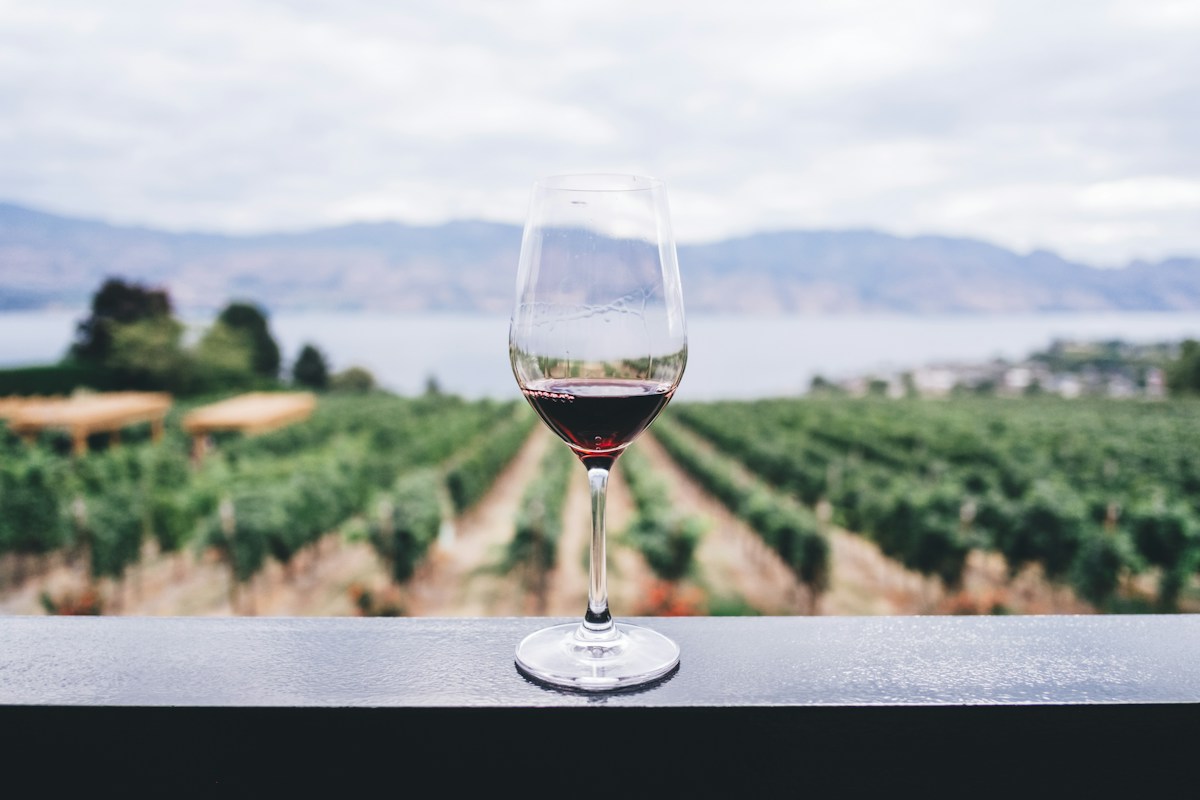
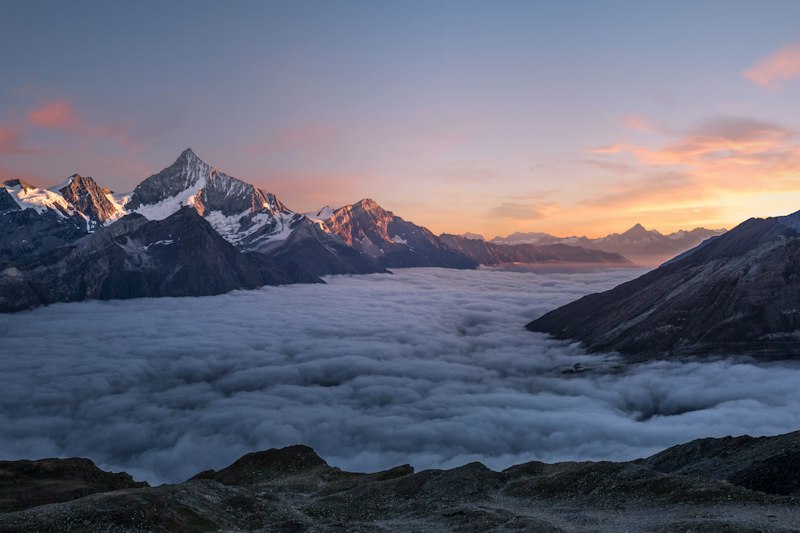
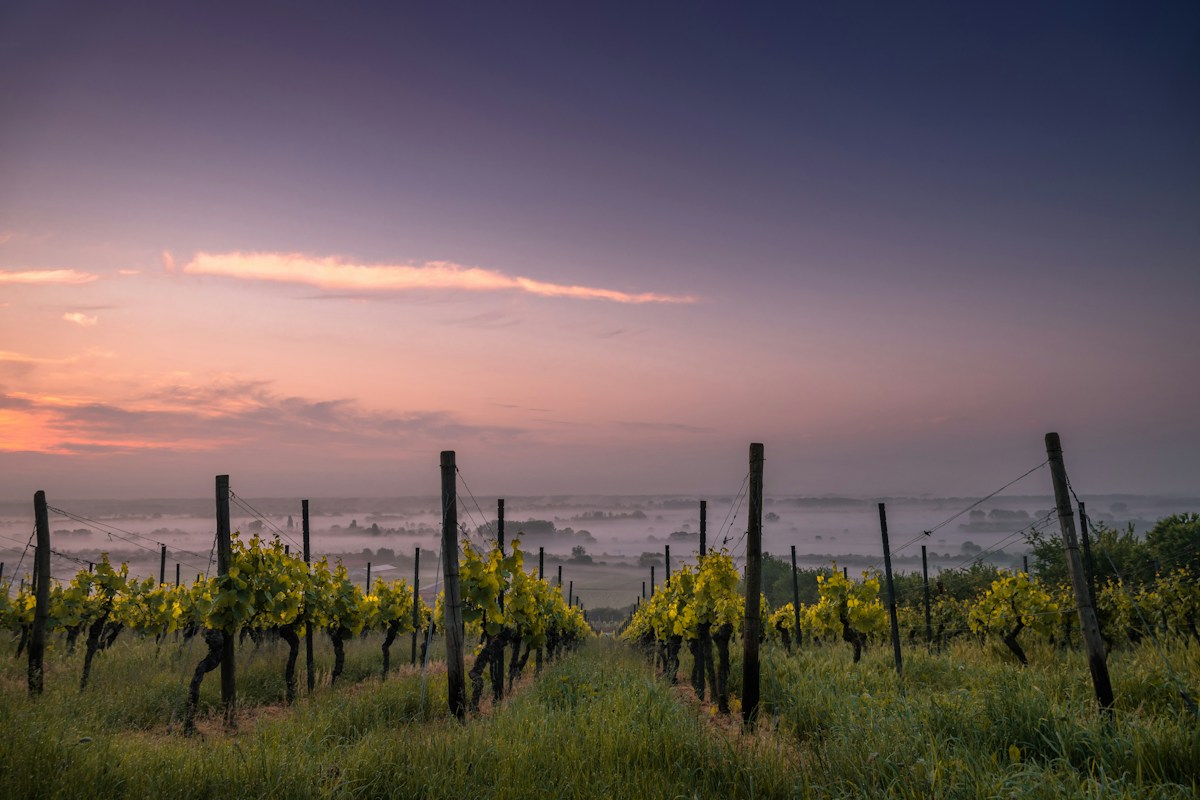
It’s early morning in the Bündner Herrschaft. Wisps of mist drift like quiet strands of thought through the vine rows, the Rhine shimmers silver down in the valley, and behind the vineyards the rock faces rise steeply into the sky. The air smells of wet earth, crushed slate, a hint of forest and cool mountain air. When the sun climbs over the ridge here and gilds the first leaves, you understand why Graubünden has become, for many, the secret heart chamber of Swiss winegrowing.
A glass of Graubünden wine – often a Pinot Noir of almost ethereal finesse – smells of cool cherries, forest floor, a touch of smoke and stone. It’s as if you were tasting the past and the future at once: centuries of tradition captured in crystal-clear precision and modern elegance. This region is myth and laboratory, legend and avant-garde in one.
In this article we dive deep into the wine region of Graubünden: into its dramatic soils, its alpine climate, its grape varieties with Pinot Noir as the undisputed protagonist, into history and tradition. And we explore why it is precisely here that wines are born which don’t shout, but resonate quietly and irresistibly – like a first sip of eternity.
---
The Distinctive Terroir and Climate
#### The Soil:
The wine region of Graubünden, above all the Bündner Herrschaft with the villages of Fläsch, Maienfeld, Jenins and Malans, is a mosaic of rocks and sediments shaped by glaciers, rivers and tectonic upheavals.
The dominant soil types:
- Limestone-rich slate and Bündner slate soils
These old, often brittle rocks store warmth, allow water to drain well and force the vines to root deeply. The result: Pinot Noirs with cool red fruit, precise acidity and a fine, often mineral-stony signature.
- Calcareous marl and clay-rich soils
Where limestone meets clay, wines with more body and structure emerge. Pinot Noirs from these sites often show darker fruit (black cherry, blackberry), more grip on the palate and even greater ageing potential.
- Alluvial and sandy soils near the Rhine
Lighter, well-drained soils close to the river produce wines of great finesse, airiness and early drinkability. White varieties such as Chardonnay and Pinot Gris in particular benefit here from the good drainage and moderate nutrient supply.
What makes Graubünden special: over the smallest of distances, soil types, rock layers and exposures change. Winemakers don’t just talk about parcels, but about “site characters” you can recognise in the glass – from filigree and floral to deep and spicy. It is Burgundy in an alpine mirror, but with its very own accent.
#### The Climate:
Climatically, Graubünden is a paradox: alpine yet mild. The magic lies precisely in this tension.
- Sunshine hours:
The Bündner Herrschaft is among the sunniest regions in Switzerland – with over 1,700, sometimes nearly 1,800 hours of sunshine per year. The south- and southwest-facing slopes catch the light like natural amphitheatres.
- Precipitation:
Thanks to the sheltering effect of the surrounding mountains, rainfall is comparatively moderate. Not a dusty-dry steppe, but not a damp valley either – ideal for minimising rot and bringing healthy grapes into autumn.
- Temperature differences:
Warm days, cool nights: the pronounced diurnal range is a key to the elegance of Graubünden wines. During the day, sugar and aromas ripen; at night, the cold preserves acidity and freshness. This creates tension in the glass, lightness despite ripeness.
- Winds:
Mountain and valley winds ventilate the vineyards, dry the grapes after rain and keep the microclimate healthy. In hot periods they bring cooling, in cool years they help remove excess moisture.
This finely balanced climatic code, combined with the Rhine as a temperature buffer and heat store, makes Graubünden one of the most exciting cool-climate regions in Europe – perfect for Pinot Noir, but by no means only for that.
---
The Grape Varieties: The Heart of the Region
#### The Main Players:
- Pinot Noir (Blauburgunder / Spätburgunder)
It is the undisputed star and occupies the largest share of vineyard area. Graubünden Pinot Noir presents itself in a fascinating range:
From light, almost transparent wines with sour cherry, cranberry, rosehip and fine spice, to more concentrated, darker-fruited interpretations with notes of black cherry, juniper, smoke and a hint of truffle.
Characteristic: silky tannins, cool, lively acidity and a high degree of finesse. The best examples rank among the most elegant Pinot Noirs in Europe in stylistic terms – distinctive, never loud.
- Completer
An almost forgotten, autochthonous white variety that is experiencing a small but mythical renaissance in Graubünden. The name derives from “Komplet”, the monks’ evening prayer. Completer wines are powerful, concentrated, with high acidity, ripe fruit (yellow apple, quince), almonds, often a touch of honey and impressive longevity. Rare, precious, almost secret.
#### The White/Red Varieties:
Alongside the main players, the wine region of Graubünden has a finely tuned range of grape varieties:
White varieties:
- Chardonnay
In cooler sites, taut, mineral Chardonnays are produced, with citrus fruit, stone fruit, nutty nuances and precise acidity. Oak is often used with restraint – the focus is on freshness and structure, not breadth.
- Pinot Gris (Grauburgunder)
Graubünden Pinot Gris is generally drier and more tightly wound than many international counterparts: pear, ripe apple, a touch of smoke, herbs and a fine salty streak. Ideal for accompanying food.
- Müller-Thurgau (Riesling-Silvaner)
In higher-altitude vineyards it yields light, aromatic wines with notes of citrus, nutmeg and white flowers. Perfect as a fresh aperitif – but in skilled hands surprisingly precise and clear.
Red varieties (besides Pinot Noir):
- Merlot
In warmer locations, Merlot produces juicy, medium-bodied wines with black fruit, plum and gentle spice. Seldom overblown, always guided by the cool hand of the alpine climate.
- Cabernet Sauvignon / Cabernet Franc (small shares)
Some estates use them in blends to bring structure and spice. They remain niche, but show how diverse Graubünden can be.
- Rossese / other niche varieties
A few visionary winemakers are experimenting with rare varieties and old clones – always with the goal of capturing terroir and identity even more clearly.
---
History & Tradition
The wine history of Graubünden is as ramified as its mountain paths. Vines are thought to have been cultivated here since Roman times; the first written references to viticulture in the Chur Rhine Valley date from the Middle Ages. Monasteries, above all the Abbey of Pfäfers, played a central role: they brought not only know-how, but also understood wine as a cultural and spiritual asset.
In the High Middle Ages, wine exports flourished. The location along important Alpine routes made Graubünden a trading hub: Bündner wine reached southern Germany, Tyrol, and even northern Italy. Later, in the 19th century, the region – like almost all of Europe – was struck by the phylloxera catastrophe. Many vineyards were abandoned, others replanted. The broader introduction of Pinot Noir proved to be trend-setting.
In the 20th century, Graubünden was long a well-kept secret, its wines appreciated mainly regionally. Only with a new generation of winemakers from the 1970s and 1980s onwards did a qualitative awakening begin: reduced yields, selective harvesting, meticulous cellar work, ageing in barrique – hesitant at first, later deliberately fine-tuned.
Today, the Bündner Herrschaft stands as a symbol for the rise of Swiss wine: small family estates, deeply rooted in tradition and at the same time relentlessly pursuing precision. Classifications are less formal than in France, but the vineyard names – such as “Schöpfi”, “Bovel”, “Spiger”, “Centgraf” or “Fläscher” – have become quiet quality markers for connoisseurs.
---
Pleasure & Perfect Pairings
#### Sensory Description:
Red wines (Pinot Noir Graubünden):
On the nose: red cherries, wild strawberries, rosehip, often a subtle hint of smoke, undergrowth, dried herbs, sometimes a mineral stone or flint note. On the palate: medium weight, with silky tannins, lively but never aggressive acidity and a finish that impresses more through finesse than opulence. With age, truffle notes, leather, dried flowers and an almost Burgundian complexity develop – but always with a cool, alpine signature.
White wines (Chardonnay, Pinot Gris, Completer):
The white wines of Graubünden are clear, structured and often shaped by a salty, mineral line. Citrus, yellow apple, pear, stone fruit, white flowers and subtle nutty tones dominate. Completer can additionally show waxy, herbal and honeyed notes with marked acidity and astonishing depth.
#### Food Pairing:
Graubünden wines are born food companions – subtle, precise and with a freshness that supports dishes rather than overpowering them.
With Pinot Noir Graubünden:
- Classic: veal loin with morels, braised veal cheeks, delicate lamb dishes
- From the region: Capuns (chard rolls with spätzle dough and meat), Bündnerfleisch with mild mountain cheese, venison ragout with cranberries
- Refined: pigeon or partridge with mushrooms, roast duck breast, truffle risotto
With white wines (Chardonnay, Pinot Gris):
- Fish & seafood: char from mountain lakes, poached trout, scallops with a light butter sauce
- Vegetarian: pumpkin gnocchi with sage, risotto with mountain cheese, asparagus dishes, vegetable tarts
- Cheese: semi-hard to medium-strong mountain cheeses, creamy soft cheeses with herbs
With Completer:
- Demanding: sautéed sweetbreads, robust fish dishes with sauce (e.g. pike-perch with beurre blanc), mature mountain cheese
- Experimental: Asian-inspired cuisine with ginger, lemongrass and white meat – the high extract and acidity stand up to it very well.
---
FAQ – The 10 Most Important Questions About Graubünden
1. What makes Graubünden wines so special?
Graubünden wines combine alpine cool-climate conditions with limestone- and slate-rich soils. This yields elegant, finely nuanced wines – especially Pinot Noir – with cool fruit, precise acidity and a clear sense of place.
2. Which grape varieties dominate in Graubünden?
Pinot Noir (Blauburgunder) is the dominant variety. Alongside it, Chardonnay, Pinot Gris, Müller-Thurgau and the rare autochthonous Completer play important roles.
3. What does a typical Graubünden wine taste like?
A typical Graubünden Pinot Noir shows red cherry, wild strawberry, fine spice, often a touch of smoke and a cool, mineral note. It is medium-bodied, with silky tannins and lively acidity – more elegance than power.
4. How long should you age Graubünden wines?
Good basic Pinot Noirs hit their stride after 2–4 years. Single-vineyard wines and top bottlings can age beautifully for 8–15 years, and longer in great vintages. White wines are usually at their peak after 3–7 years, while Completer can gain complexity for much longer.
5. Which dishes pair well with Graubünden wines?
Red Graubünden wines pair well with veal, lamb, game birds, mushroom dishes and regional specialities such as Capuns or venison ragout. White wines harmonise with fish, seafood, poultry, risotti and mountain cheeses.
6. What is special about the terroir of Graubünden?
The combination of limestone- and slate-rich soils, sunny south-facing slopes, moderate rainfall, cool nights and the temperature-regulating effect of the Rhine creates a unique alpine terroir with great finesse potential.
7. Which wineries in Graubünden are particularly recommended?
Renowned producers include, among others, Giani Boner (Fläsch), Georg Fromm (Malans), Weingut Donatsch (Malans), Hermann (Fläsch), Gutsbetrieb der Bündner Herrschaft & numerous other family estates that often produce only small quantities.
8. How much does a good Graubünden wine cost?
Entry-level wines usually start at around 18–25 CHF per bottle. Ambitious single-vineyard wines and selected Pinot Noirs are often between 35–60 CHF. Top wines and rarities, such as Completer or the very best sites, can reach 70 CHF and more.
9. When is the best time to visit Graubünden?
Late summer and autumn (September to October) are ideal: the vines are close to harvest, the light is warm, and many wineries offer tastings. But winter too has its charms here, with the contrast of snowy peaks and silent vineyard landscapes.
10. What are good alternatives to Graubünden wines?
If you like the style, you’ll find similar cool-climate Pinot Noir profiles in Burgundy (Côte de Beaune, Côte de Nuits), in German regions such as the Ahr, Baden or Franconia, as well as parts of South Tyrol. For similarly styled whites, look to Chardonnays and Pinot Gris from western Switzerland, the Jura or cooler sites in Austria.
---
Conclusion: A Wine That Touches the Soul
Anyone who has walked through the vineyards of Malans or Jenins in the autumn evening light knows why Graubünden is more than just a wine region. It is a quiet promise: that great wines don’t have to be loud to move you deeply. They whisper – of rock and river, of sunlit days and cool nights, of hands that pick every grape individually.
Uncorking a bottle of Graubünden wine means redeeming that promise. Pour yourself a glass, take your time, let the wine breathe – and with it the landscape. Close your eyes and listen to how the mountains echo in the glass. Perhaps it is precisely this moment when you realise that you are not simply drinking wine, but a landscape, a story, a longing.
There are regions you visit. And there are regions like Graubünden that you carry with you from then on – sip by sip.