Vaud – Where Lake Geneva Kisses the Vine and Time Slows Down
Vaud: Grand Cru wines from Lake Geneva, Chasselas in perfection, spectacular terraced vineyards and terroir with soul. Discover the Vaud wine region.
Vaud – Where Lake Geneva Kisses the Vine and Time Slows Down
Meta-Description:
Vaud: Grand Cru wines from Lake Geneva, Chasselas in perfection, spectacular terraced vineyards and terroir with soul. Discover the Vaud wine region.
Keywords: Vaud, Vaud wine, Vaud wine region, Chasselas, Lake Geneva, Lavaux, Dézaley, La Côte, Chablais, Swiss wine
---
Introduction: The First Sip of Eternity
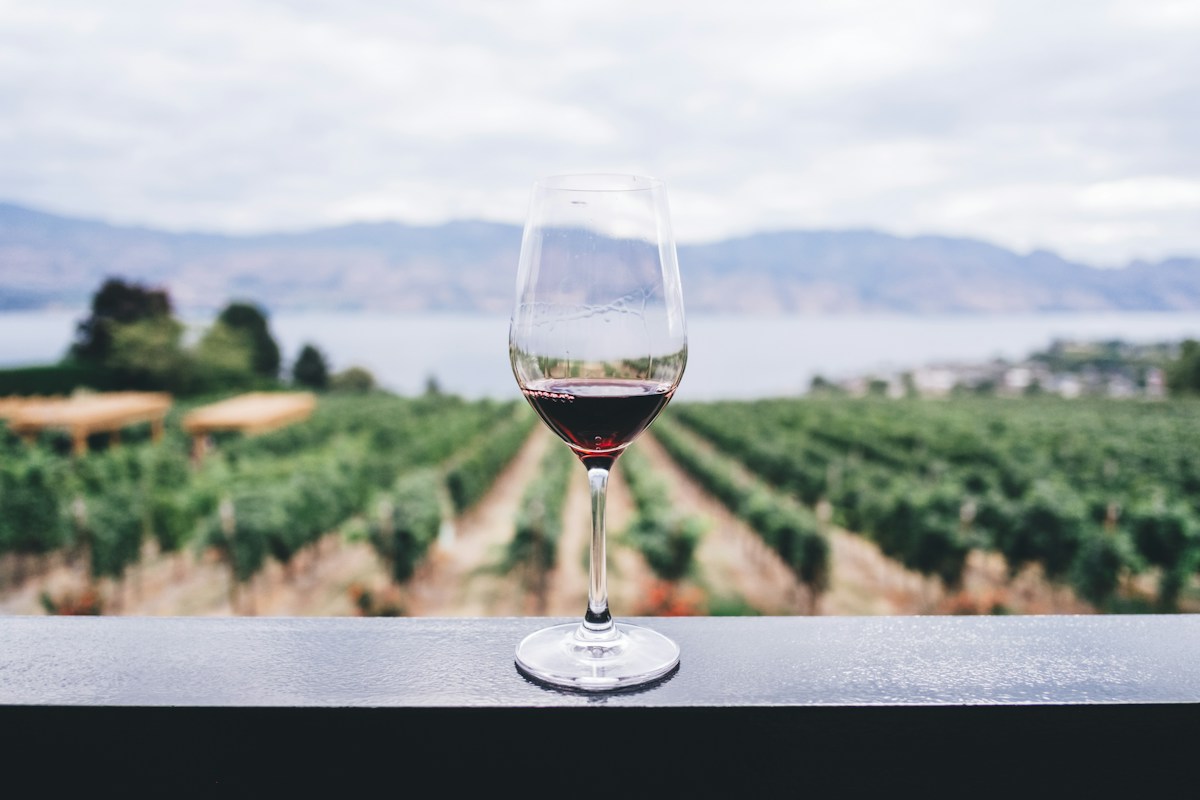
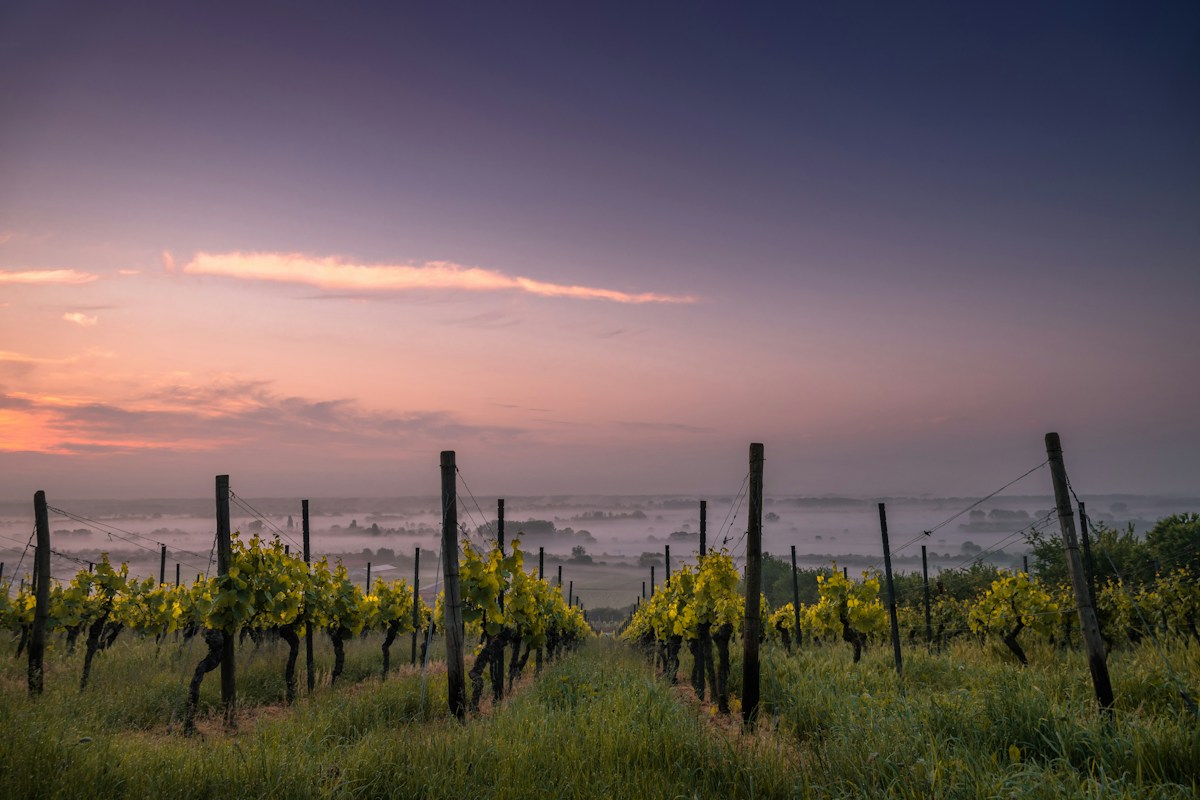
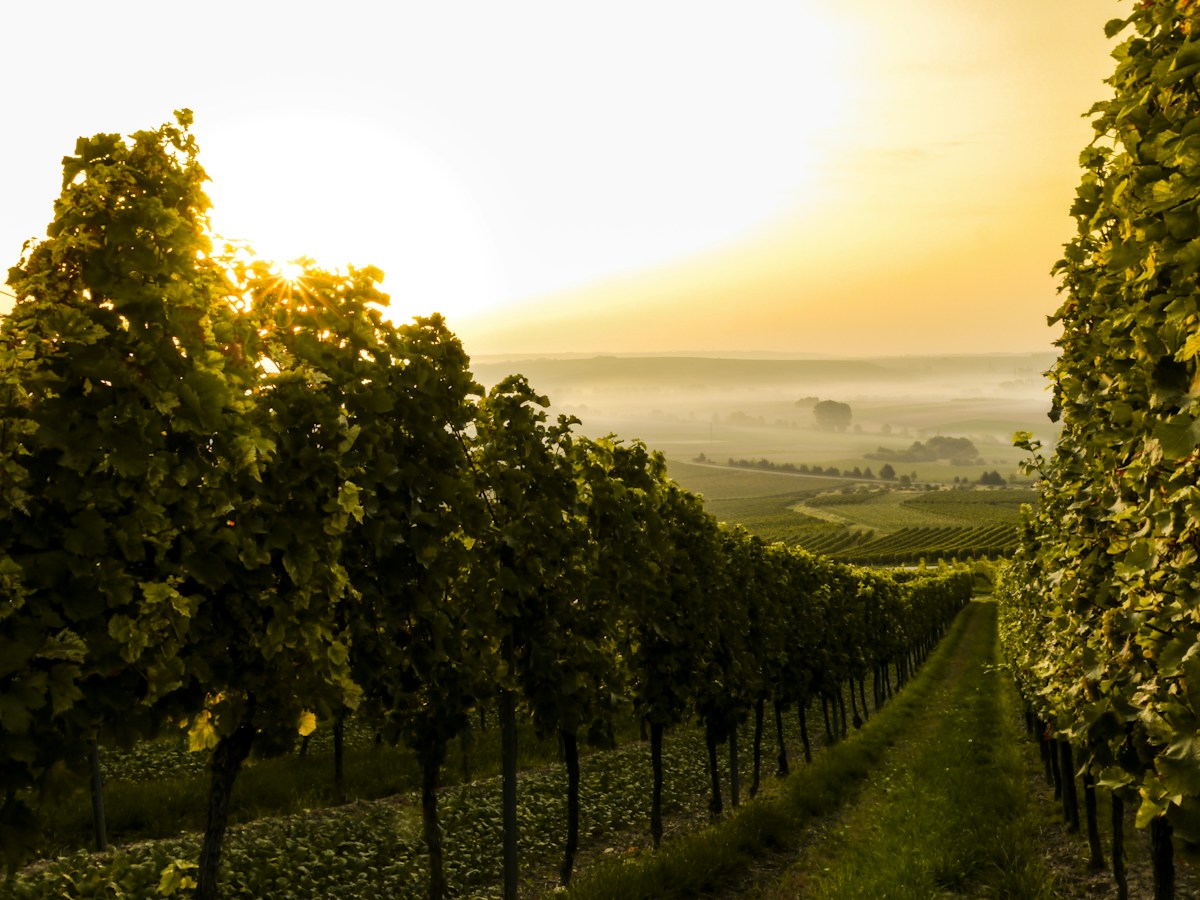
Imagine this: the evening sun slowly sinking behind the Savoy Alps, its golden light breaking across the gleaming surface of Lake Geneva. Between you and the water, steep vineyard terraces rise, framed by dry-stone walls that have stored the lake’s breath and the sun’s warmth for centuries. A glass of pale golden wine lifts into the light, almost transparent – and yet full of promise.
You smell white blossoms, fresh bread, wet stone after summer rain. A hint of citrus zest, a soft whisper of nuts and ripe pears. On the palate the wine is clear, precise, silky – and at the same time profoundly calm, composed, at peace with itself. This is how Vaud tastes: like a first sip of eternity.
The Vaud wine region (French: Vaud) in Switzerland is more than a growing area. It is myth and landscape painting, cultural space and living archive of European wine history. Between Lake Geneva and the Jura, vineyard walls and medieval villages, great tradition, geological diversity and a unique microclimate converge.
In this article we dive into the terroir of Vaud, explore its soils and its grape varieties – above all the incomparable Chasselas – its history and its culinary soul. And perhaps, by the end, you’ll feel the irresistible urge to pull a cork and let yourself be carried off by Vaud.
---
The Distinctive Terroir and Climate
#### The Soil:
The Vaud wine region is a mosaic of geological eras – and its magic lies precisely in that. Four main areas shape the character of the wines: La Côte, Lavaux, Chablais and the more northerly area around Bonvillars, Côtes de l’Orbe and Vully.
- Lavaux & Dézaley – lime-rich molasse rock and terrace magic
The spectacular terraces of Lavaux, a UNESCO World Heritage site, sit on weathered molasse (sandy-calcareous sedimentary rock) with strongly calcareous deposits and moraine debris from the last Ice Age.
This soil delivers:
- high minerality
- salty, stony notes
- a taut yet fine structure
Especially in Dézaley, one of Switzerland’s most famous sites, the walls – up to 30 metres high – act like heat accumulators. Chasselas from here shows depth, density and remarkable longevity.
- La Côte – gentle slopes, moraine and limestone
Between Geneva and Lausanne, moraine soils with high limestone content, sand and clay dominate the picture. The vines look out over gentle hills towards the lake.
The result:
- elegant, floral Chasselas
- Pinot Noirs with finesse
- wines with subtle fruit and delicate creaminess
- Chablais – alpine imprint and hints of slate
Around Aigle and Yvorne, limestone, slate and rubble from rockfalls intermingle (especially in Yvorne after the great landslide of 1584).
This brings:
- racy, vibrant Chasselas with tension
- pronounced minerality
- firm acidity and clear contours
- Northern Vaud – clay, limestone, Jura rock
In Bonvillars, Côtes de l’Orbe and Vully, the influence of the Jura becomes more prominent: clay-limestone soils, partly heavier, with good water retention capacity.
Here you find:
- more structured red wines (Pinot Noir, Gamay, blends)
- white varieties with a bit more body
The geological diversity of Vaud is not just a backdrop, it is a voice: every sip speaks of limestone and stone, of moraine and rock, of heat stored in walls and coolness descending from the mountains at night.
#### The Climate:
Vaud lives in the tension between lake, Alps and Jura – a triad that creates an almost ideal wine world.
- Lake Geneva as a heat regulator
The lake stores warmth in summer and releases it in autumn. This mild, buffering climate ensures:
- a long vegetation period
- even ripening
- protection from late frosts in many sites
In addition, the water surface reflects sunlight – the vines receive a “double exposure” effect.
- Sunshine & exposure
The best sites in Lavaux – such as Dézaley, Calamin – face south or southeast and receive an exceptional number of sunshine hours. The steep terraces maximise solar radiation.
- Winds & temperature differences
- Bise, a dry north-easterly wind, can cool the nights and ensures clear, clean air.
- Warm föhn influences from the Alps accelerate ripening and dry the vines after rain.
The often pronounced day–night differences secure:
- freshness and aromatic intensity
- fine acidity structure
- precise fruit
- Precipitation
Vaud receives ample, but not excessive, rainfall. On slopes, drainage is good, creating stress but not deficiency – ideal for wines with concentration but without heaviness.
The climate of Vaud creates wines with crystal-clear aromatics, moderate alcohol ripeness and an almost Swiss precision. It is the quiet, reliable force behind the region’s elegance.
---
The Grape Varieties: The Beating Heart of the Region
#### The Lead Players:
- Chasselas – the quiet queen of Vaud
Chasselas (Gutedel) is the great, silent protagonist of Vaud – and here it reaches its worldwide benchmark. Underestimated in many countries, Chasselas in Vaud shows what finesse truly means.
Characteristics:
- subtle yet compelling aromatics (white blossoms, linden blossom, fresh bread, stone, pear, almonds)
- delicate, creamy texture
- moderate acidity but clear structure
- magnificent transparency to terroir
A Chasselas from Dézaley tastes different from one from La Côte – and that is precisely its strength: it is a mirror of origin, not a loud stage for the variety.
- Pinot Noir – gentle elegance with alpine coolness
Pinot Noir in Vaud presents a slender, precise style:
- red berries (cherry, raspberry), sometimes rosehip
- fine tannins, silky structure
- moderate alcohol levels
In the cooler sites of northern Vaud and La Côte, Pinots emerge that sommeliers love: independent, mineral, gastronomically versatile.
- Gamay – the lively, fruity side
Gamay brings cheerful fruit, spice and drinkability to Vaud:
- red fruits, violets, sometimes pepper
- mostly fresh, juicy, with lively acidity
In blends with Pinot Noir or other varieties, elegant, fine red wines are created – never loud, always charming.
#### The white / red varieties:
Alongside the main grape varieties, Vaud shows its modern side with a growing diversity:
- Other white varieties:
- Chardonnay: often in high-end blends, offering richness, fine oak notes, good ageing potential.
- Sauvignon Blanc: clear citrus and gooseberry notes, mineral, ideal in cooler sites.
- Pinot Gris & Pinot Blanc: creamy textures, pear and stone fruit notes.
- Gewürztraminer & Riesling-Sylvaner (Müller-Thurgau): in small quantities, aromatic, sometimes with a touch of residual sweetness.
- Other red varieties:
- Merlot: increasingly exciting in warmer sites, with juicy fruit and supple tannins.
- Syrah: sporadic, with pepper, dark berries and alpine freshness.
- Gamaret, Garanoir, Diolinoir (Swiss crossings): for deeply coloured, structured blends with spice and depth.
Despite this diversity, the pulse of Vaud remains clear: this is Chasselas country, flanked by fine, cool-climate reds that favour elegance over opulence.
---
History & Tradition
The wine culture of Vaud is as old as its walls – and those walls are old. As early as the Romans, people recognised the potential of the sunny slopes along Lake Geneva and planted vines. Later, in the Middle Ages, monasteries shaped the region, above all the influential Benedictine abbey of Saint-Maurice and other ecclesiastical landowners.
In the 12th and 13th centuries, the first great terraced vineyards in what is now Lavaux were created. Monks and peasants dug, built dry-stone walls stone by stone and captured entire slopes in steps to harness the sun optimally and tame erosion. These terraces remain the iconic face of the Vaud wine region to this day.
With the region’s incorporation into Bernese rule (16th–18th century), administration and viticulture became further structured. After the Helvetic Revolution and the founding of the canton of Vaud at the beginning of the 19th century, the region also moved into the political centre of Switzerland.
In the 19th century, Vaud – like almost all of Europe – was struck by the phylloxera disaster. Replanting led to a more deliberate choice of rootstocks and grape varieties, and Chasselas asserted and strengthened its position.
Today, Vaud is one of Switzerland’s most important wine regions, with clearly defined appellations (AOC Vaud, with subregions such as La Côte, Lavaux, Chablais, Bonvillars, Côtes de l’Orbe, Vully). Grand Cru sites like Dézaley and Calamin are considered cult fixed stars in the firmament of Swiss wine culture.
Tradition in Vaud is not museum-piece but lived everyday life: village festivals, growers’ cellars, centuries-old vines still bearing fruit – and a new generation of winegrowers who, with respect for the past, work organically, biodynamically and with artisanal precision.
---
Pleasure & Perfect Pairings
#### Sensory profile:
A typical Vaud Chasselas appears in the glass as a pale straw yellow with silvery reflections.
On the nose:
- white blossoms, linden blossom
- fresh baguette, yeasty hints
- subtle citrus notes, pear, sometimes white peach
- fine mineral nuances: wet stone, chalk, limestone
On the palate:
- dry, often very delicately off-dry
- moderate acidity but a firm line
- creamy, silky-soft texture
- salty, stony length
A matured Dézaley can additionally develop hazelnut, honey, dried herbs and an astonishing depth.
Red wines from Vaud, especially from Pinot Noir and Gamay, offer:
- clear red fruit (sour cherry, raspberry, redcurrant)
- often floral notes (violet)
- delicate spice, occasionally a hint of undergrowth
- fine tannins, never dominant
They are wines of tension, not weight – ideal for ambitious gastronomy.
#### Food pairing:
The wines of Vaud are born table companions – subtle, versatile, with a noble restraint that lets dishes shine.
With Chasselas:
- Fondue & raclette: Classics of Swiss cuisine – the moderate acidity and gentle mousse of many Chasselas cut through the rich creaminess of the cheese.
- Freshwater fish from Lake Geneva: perch (Egli) or whitefish fillets, plain or lightly buttered, are near-perfect partners.
- Fine terrines & pâtés: poultry terrine, veal terrine, sweetbreads.
- Asian cuisine (mild): dim sum, light Thai dishes without too much chili – here Chasselas shows its versatility.
With Vaud reds (Pinot Noir, Gamay, blends):
- Poultry: coq au vin blanc/rouge, crispy duck breast, guinea fowl.
- Veal & pork: veal loin, pork fillet with herbs, light jus.
- Rabbit, partridge: with herbs, mushrooms, potato gratin.
- Fine cheeses: soft, mild to medium-intense varieties – Tomme Vaudoise, Reblochon, Morbier.
Gourmet pairings for connoisseurs:
- Mature Dézaley with scallops in butter foam and hazelnut crumble
- La Côte Chasselas with whitefish tartare, lemon oil and caviar
- Pinot Noir from Bonvillars with sweetbreads, morel sauce and celeriac purée
---
FAQ – The 10 Most Important Questions about Vaud
1. What makes Vaud wines so special?
Wines from Vaud combine alpine freshness, the warming influence of Lake Geneva and centuries-old terrace culture. Above all, Chasselas shows a depth of terroir and elegance here that is hard to match anywhere in the world.
2. Which grape varieties dominate in Vaud?
The clearly dominant variety is Chasselas as the main white grape. Among the red varieties, Pinot Noir and Gamay play the central role, complemented by local and international grapes in smaller quantities.
3. What does a typical Vaud wine taste like?
A typical Vaud Chasselas is dry, delicate, floral and mineral, with aromas of white blossoms, pear, fresh bread and wet stone. The red wines are rather light to medium-bodied, with clear red fruit, fine tannins and refreshing acidity.
4. How long should you cellar Vaud wines?
Many Chasselas are designed for 2–4 years and show their loveliest freshness when young. Top sites such as Dézaley or Calamin can, however, age for 10 years and more. Good Pinot Noirs and blends from Vaud benefit from 5–8 years of bottle age.
5. Which dishes pair well with Vaud wines?
Chasselas harmonises beautifully with cheese dishes (fondue, raclette), freshwater fish, terrines and light starters. Red wines from Pinot Noir and Gamay pair with poultry, veal, fine ragouts, mushroom dishes and medium-intense cheeses.
6. What is special about the terroir of Vaud?
The combination of lime-rich soils, moraine debris, terraced vineyards and the climatic buffering effect of Lake Geneva creates a unique microclimate. The steep terraces of Lavaux with their dry-stone walls are unmistakable worldwide and decisively shape the style of the wines.
7. Which wineries in Vaud are particularly recommended?
Among the renowned producers are, for example:
- Domaine Bovard (Lavaux)
- Domaine Louis Bovard (Dézaley, Lavaux)
- Domaine du Daley (Lavaux)
- Les Frères Dubois (Dézaley/Lavaux)
- Domaine de la Ville de Morges (La Côte)
They stand as representatives of the region’s high quality, from traditional to modern interpretations.
8. How much does a good Vaud wine cost?
- Entry level: From around 10–15 CHF you can find solid, authentic Chasselas and simple reds.
- Mid-range: Between 18–35 CHF you’ll find characterful single-vineyard wines with clear terroir imprint.
- Premium: Grand Crus such as Dézaley or special single sites can reach 40–80 CHF and more – often with remarkable ageing potential.
9. When is the best time to visit Vaud?
Ideal times are late summer and autumn (September to October), when the grapes ripen and the light is especially warm. Spring (May/June) offers a fresh, green landscape and is perfect for discovering wines of the new vintage.
10. What are good alternatives to Vaud wines?
If you enjoy Vaud wines, you might also like:
- Lake Neuchâtel (Neuchâtel) – likewise Chasselas and fine Pinots
- Germany’s Gutedel Markgräflerland – for Chasselas variants
- Savoie (France) – for alpine whites with freshness and minerality
But the specific expression of Vaud Chasselas ultimately remains incomparable.
---
Conclusion: A Wine that Touches the Soul
Vaud is not a wine country for those in a hurry. It reveals itself to those who look closely, listen and feel. In the steep terraces of Lavaux, the gentle slopes of La Côte, the alpine-influenced vineyards of Chablais and the quiet Jura hills of northern Vaud lies a richness that expresses itself in the glass in quiet but deep tones.
Vaud wines are not show-offs. They are like the calm surface of Lake Geneva: seemingly still – and yet full of reflection, depth and inner movement. Every sip is an invitation to slow down, to taste more precisely, to enjoy more consciously.
Let this region move you: open a bottle of Chasselas from Dézaley or La Côte, pour yourself a glass, perhaps take a piece of cheese, a little bread – and grant yourself a moment in which only you, the wine and the quiet voice of Vaud exist.
In this instant, in the shimmer of the glass, the Vaud wine region becomes what it is at its core: a place where landscape, history and people merge into a wine that touches the soul.