Douro: Where the River Kisses the Rock – and Wine Becomes Eternal
Discover Douro.
Douro: Where the River Kisses the Rock – and Wine Becomes Eternal
Meta description: Discover the magical Douro wine region in Portugal: terroir, grape varieties, moments of pleasure & insider recommendations for discerning wine lovers.
Keywords: Douro, Douro wine, Douro valley, Port wine, Portuguese red wine, Portuguese wine region, Douro Valley, terroir, Douro grape varieties, Douro travel
---
Introduction: The First Sip of Eternity
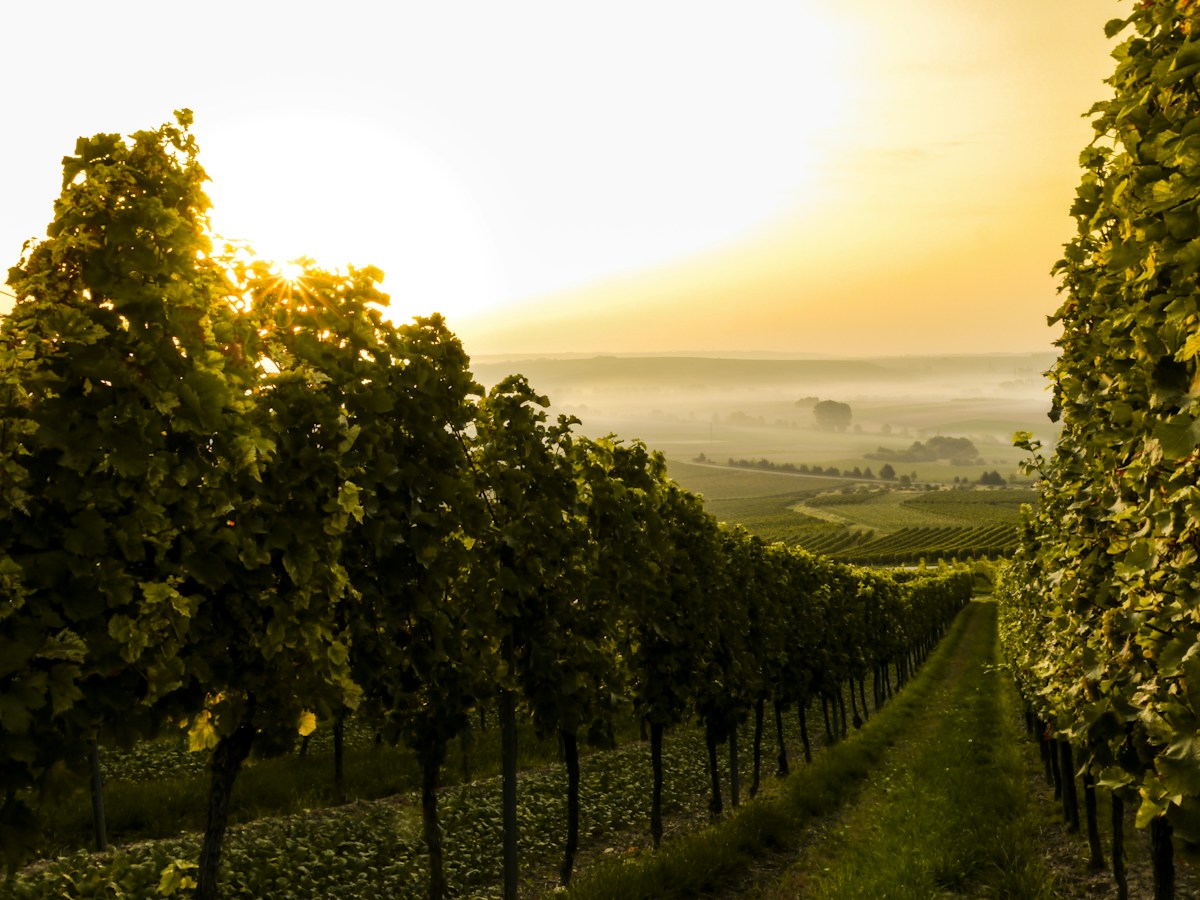
There are places where wine doesn’t just come into being – it is born like a legend. The Douro Valley in Portugal is one of those places. When the morning mist lies like a silken veil over the vineyards and the sun slowly sets the slate terraces aglow, you sense that something extraordinary is happening here.
The River Douro cuts majestically through a landscape that looks more like a natural theater than a classic wine-growing area: steep slopes, dry stone walls of slate, ancient vines clinging to the rock as if they never wanted to let go. Here, wines are created that taste of warmth, stone, wild herbs and dark fruit – wines that tell a story of centuries in the glass.
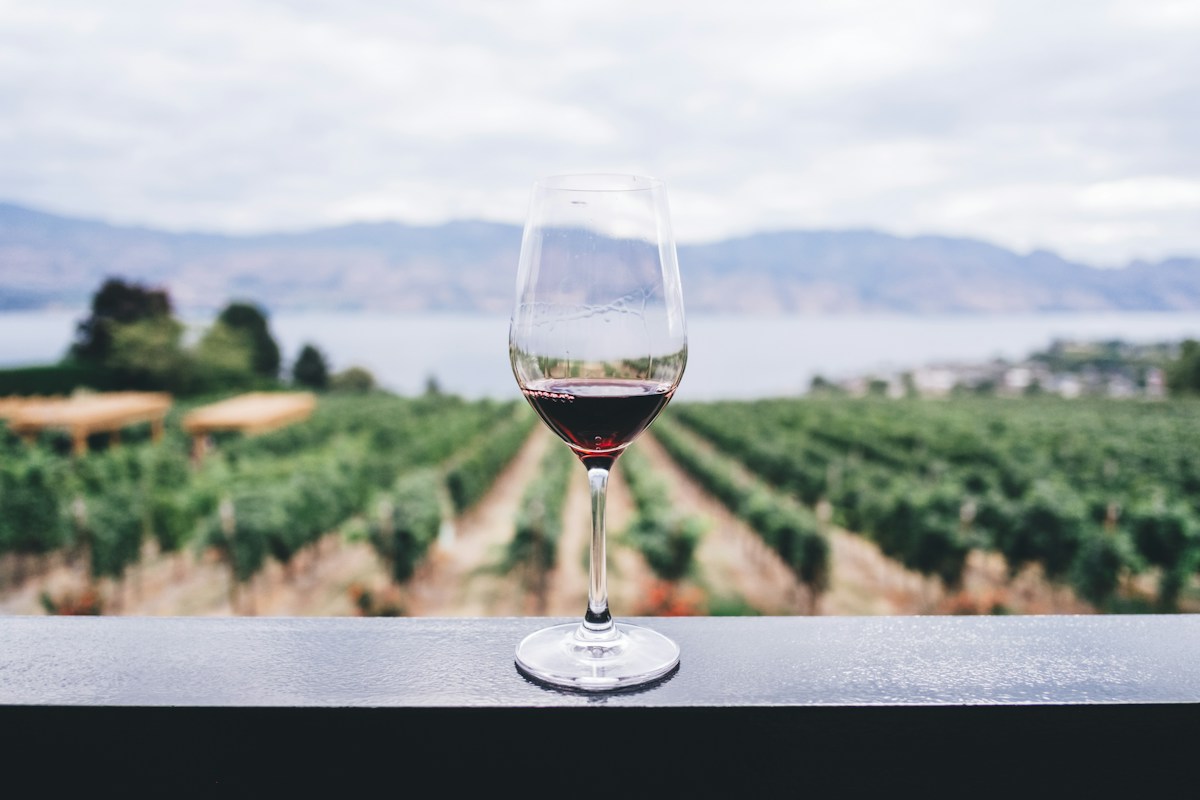
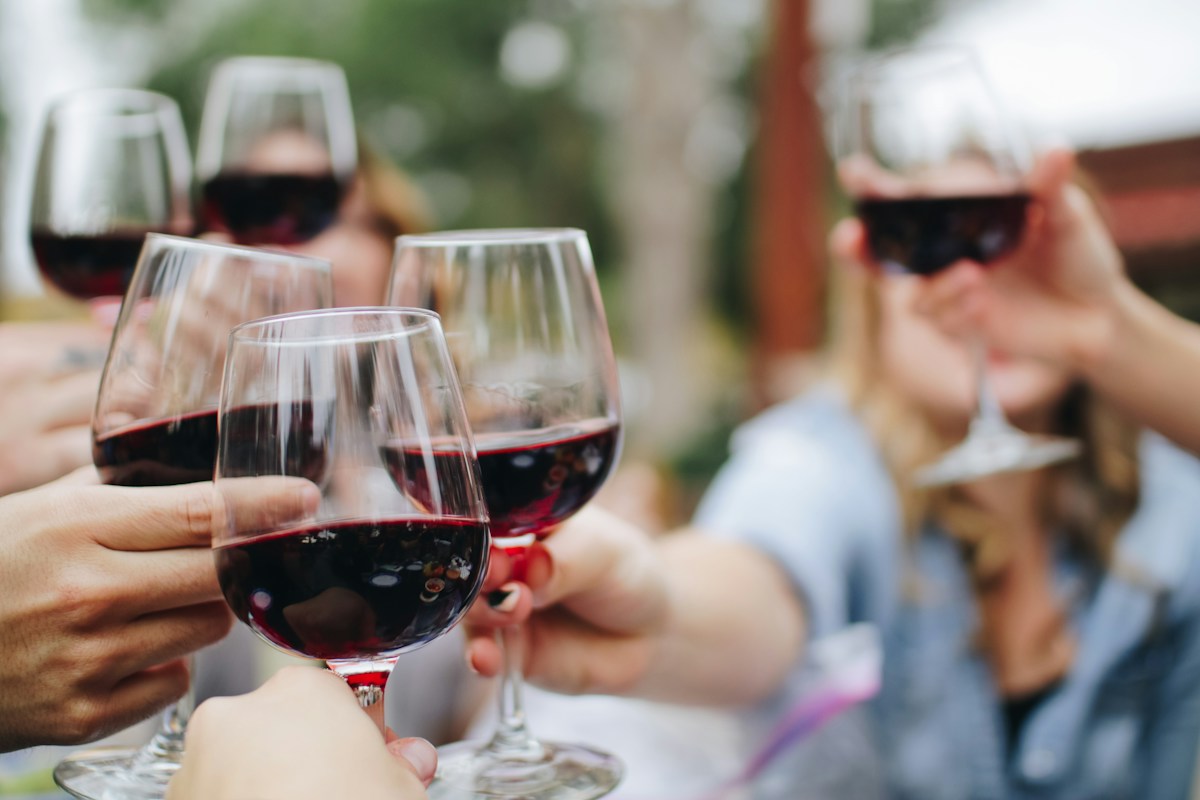
Anyone who has ever had a great Douro in their glass knows the feeling: a first sip – and suddenly there is silence. The world becomes smaller, focused on aromas of blackberry, graphite, violets, dried herbs. And in that moment you realize: this is not a wine for the side. This is a wine that stays.
---
The Distinctive Terroir and Climate
#### The Soil: Slate, Stone and Quiet Power
The Douro is a terroir of extremes. The vines root deeply in weathered slate and granite – soils that appear barren but are full of energy.
- Slate (Xisto):
The dominant soil type in the Douro. The slate stores heat during the day and slowly releases it at night. This leads to a slow, even ripening of the grapes.
Result in the glass:
- pronounced minerality
- an almost salty precision
- firm, linear tannins
- remarkable longevity
- Granite & sandy inclusions:
Found mainly at higher altitudes. These soils often yield somewhat fresher, more refined wines, with cooler fruit notes and a finer acid structure.
The roots of many vines penetrate several metres into the fissures of the slate in search of water. This “torment” of the vines – the controlled stress situation – is a key to the concentration and intensity of Douro wines.
#### The Climate: Heat, Altitude and the River as Lifeline
The Douro has a more continental character than most other Portuguese regions – with hot, dry summers and cold winters. The Serra do Marão forms a natural barrier against Atlantic influences, resulting in a distinctive microclimate.
- Summer:
Temperatures above 40 °C are not uncommon. The dryness produces small, highly concentrated berries with thick skins – a guarantee for intense colour, aromatic density and powerful tannins.
- Altitude zones (Cima Corgo, Baixo Corgo, Douro Superior):
- Baixo Corgo: Slightly more humid, cooler, closer to the Atlantic – wines with more freshness, accessible earlier.
- Cima Corgo: Heartland of quality production, balance of ripeness and finesse.
- Douro Superior: Hot, dry, far inland – enormous concentration, strongly structured wines.
- The River Douro:
It acts like a temperature regulator, storing heat and reflecting light onto the slopes. Especially in the evening hours it creates a microclimate that is crucial for the even ripening of the grapes.
This interplay of stone, heat, dryness and river creates a terroir you can literally taste in the wine: powerful, sensual, uncompromising.
---
The Grape Varieties: The Heart of the Region
In the Douro, people rarely talk about a single grape variety – blending culture dominates here. Many vineyards are planted as field blends: several varieties are mixed together in one plot, harvested together and vinified together. Nevertheless, some varieties stand out:
- Touriga Nacional
The icon of Portugal. Small-berried, thick-skinned, intense.
Character:
- deep, dark colour
- aromas of blackberry, blueberry, violet, sometimes liquorice
- powerful yet fine-grained tannins
- enormous ageing potential
- Touriga Franca
The secret queen of the blends.
Character:
- red and dark fruits, floral notes
- elegant structure, supple tannins
- lends finesse and fragrance to blends
- Tinta Roriz (Tempranillo)
Famous in Spain as Tempranillo, in the Douro rather powerful and spicy.
Character:
- red cherry, plum, tobacco, spices
- structure, body, grip
- Tinta Barroca, Tinto Cão, Tinta Amarela and others
These indigenous varieties contribute aroma, acidity and complexity. Especially old mixed plantings provide an impressive depth that can hardly be broken down analytically – you simply feel it in the glass.
For white wines, Rabigato, Viosinho, Gouveio, Códega do Larinho dominate. They produce surprisingly fresh, chiselled wines, often with herbal and citrus notes, carried by a striking minerality.
---
History & Tradition
The Douro Valley is one of the oldest legally demarcated wine regions in the world. As early as 1756, the area was regulated by Pombal – long before many of the famous French appellations were created.
- 17th–18th century:
English merchants discover the region and secure supply rights. To make the wines more stable for the long journey to England, producers start fortifying them with brandy – Port wine is born.
- 19th century:
The major Port houses – many with British roots – shape the image of the Douro. The wines are produced in the valley but often aged and shipped from Vila Nova de Gaia near Porto.
- 20th century:
Phylloxera, political upheaval, economic crises – the Douro experiences highs and lows. Yet the tradition of terraces and manual labour remains, along with an unshakable belief in the terroir.
- Since the 1990s:
A quiet revolution: alongside Port, dry Douro wines establish themselves at the highest level. Winemakers begin to exploit the potential of the old vineyards specifically for dry red and white wines. Today the Douro is one of the most exciting premium regions in Europe – on a par with big names from Bordeaux, Rhône or Priorat, but with its very own identity.
---
Enjoyment & Perfect Pairings
#### Sensory Profile: When Stone Turns to Silk
A typical dry Douro red is a sensual paradox: rough and wild in its origin, silky and multi-layered in the glass.
- On the nose:
- dense black and red fruit (blackberry, black cherry, plum)
- violets, dried herbs, Mediterranean garrigue
- graphite, slate, sometimes cocoa, espresso, dark chocolate
- with age: leather, tobacco, dried figs, balsamic notes
- On the palate:
- full-bodied, with a powerful core
- present but ripe tannins – like velvet with structure
- juicy, rather well-integrated acidity
- a mineral drive that keeps the wine from ever feeling heavy despite its density
- long, often slightly balsamic, spicy finish
The white wines of the Douro are a surprise:
- citrus, white peach, pear
- herbs, fennel, salty minerality
- taut, with clear acidity and often impressive longevity, especially when aged in wood.
#### Food Pairing: Culinary Stages for Great Douro Moments
For red wine (dry Douro):
- Braised & grilled meats:
- leg of lamb with herb crust
- braised beef cheeks
- ribeye steak, medium-rare, with roasted root vegetables
- Rustic cuisine:
- game (venison, wild boar) with juniper and herbs
- oxtail ragout
- hearty stews, e.g. feijoada with chorizo
- Aged cheeses:
- hard cheeses (aged Serra da Estrela, Manchego Curado, mature Comté)
For white Douro wine:
- Grilled fish (sea bream, sea bass) with lemon and olive oil
- Seafood, especially grilled prawns or octopus
- Poultry with lemon and thyme, veal loin, creamy risottos
- Fresh goat cheese with herbs, mild sheep’s cheeses
Port wine (as a complement):
- Ruby/Reserve/Vintage: dark chocolate, blue cheese, intense berry-based desserts
- Tawny: nut tarts, apple or pear cake, roasted almonds, foie gras
---
FAQ – The 10 Most Important Questions About the Douro
1. What makes Douro wines so special?
The combination of extremely steep slate terraces, old vines, continental climate and indigenous grape varieties produces wines with unique intensity, minerality and depth. Douro wines are characterful, site-driven and possess impressive ageing potential.
2. Which grape varieties dominate in the Douro?
For reds, Touriga Nacional, Touriga Franca, Tinta Roriz, Tinta Barroca, Tinto Cão and Tinta Amarela dominate – often as blends or in field blends. For whites, Rabigato, Viosinho, Gouveio, Arinto and Códega do Larinho are particularly important.
3. What does a typical Douro wine taste like?
Dry red wines are dark, concentrated and complex: black and red fruits, floral notes, Mediterranean herbs, graphite, slate and often fine roasted notes. On the palate, full-bodied, with ripe tannins and a mineral, long finish. White wines are taut, mineral, with citrus and stone-fruit aromas and remarkable freshness.
4. How long should you age Douro wines?
Good dry Douro reds often benefit from 5–10 years of bottle age, top wines even from 15 years or more. Whites – depending on the style – can age 3–8 years, some high-quality, barrel-aged examples even longer. Port wines (especially Vintage) have an impressive ageing potential of several decades.
5. Which dishes pair well with Douro wines?
Dry reds pair perfectly with braised meat, game, beef, lamb and aged hard cheeses. Whites are excellent with grilled fish, seafood, white meats and aromatic Mediterranean cuisine. Port is ideal with nut- or chocolate-based desserts, blue cheese and as a soloist after a meal.
6. What is special about the Douro terroir?
The combination of steep, slate-terraced vineyards, extreme continental climate, altitude differences and old vines creates a terroir that is unique worldwide. The vines root deep into the slate rock, giving the wines an unmistakable mineral signature.
7. Which Douro wineries are particularly recommended?
Renowned producers include, among others, Quinta do Crasto, Niepoort, Quinta do Vallado, Quinta do Noval, Quinta do Passadouro, Quinta do Vale Meão, Quinta do Côtto and Quinta do Portal. Many of these estates offer excellent Port as well as dry white and red wines.
8. How much does a good Douro wine cost?
Good entry-level wines often start around €10–15. Very good quality is usually found between €20–40. Icon wines and rare single-vineyard bottlings can be significantly more expensive and easily reach three-digit prices. In international comparison, however, the Douro still offers an excellent price-to-pleasure ratio.
9. When is the best time to visit the Douro?
The best times to travel are spring (April–June) and autumn (September–October). In spring the valley appears green and lively, in autumn the vineyards and landscape are bathed in warm gold and red tones. If you want to experience the harvest, plan for late September to early October – then the valley throbs with energy.
10. What alternatives are there to Douro wines?
If you love the style of Douro wines, you might enjoy wines from Portugal’s Dão, Alentejo, or from Spain’s Priorat, Ribera del Duero and certain Rhône appellations (e.g. Gigondas, Cornas). Nevertheless, with its combination of slate, river and indigenous varieties, the Douro remains unmistakable in taste.
---
Conclusion: A Wine that Touches the Soul
The Douro is not a wine region you get to know on the side. It is a region you enter like a sacred space of stone, light and silence. Every dry stone wall, every gnarled vine, every view down to the slowly gliding river tells of dedication, of work at the limit of what is possible – and of the deep conviction that great wines are not made in the cellar, but in the vineyard.
A Douro in the glass is more than a drink. It is an invitation: to slow down, to taste more attentively, to enter into a dialogue with a terroir that has fascinated people for centuries.
For the curious connoisseur, it is the beginning of a journey. For the advanced sommelier, it is an object of study of seemingly endless complexity.
And for all who understand wine as emotion, it remains above all one thing:
A wine that touches the soul – and that teaches us that eternity can sometimes be found in a single sip.