Geneva – Where Lake Léman Kisses the Vine: Longing Between Lake, City and Vines
Discover the Geneva wine region: precise Chasselas, elegant Gamay & rare specialties. Terroir, climate, grape varieties, food pairing & top estates.
Geneva – Where Lake Léman Kisses the Vine: Longing Between Lake, City and Vines
Meta-Description: Discover the Geneva wine region: precise Chasselas, elegant Gamay & rare specialties. Terroir, climate, grape varieties, food pairing & top estates.
Keywords: Geneva, Geneva wine, Geneva wine region, Lake Geneva, Swiss wine, Chasselas, Gamay, Swiss red wine, Swiss white wine, Domaine de la République et Canton de Genève
---
Introduction: The First Sip of Eternity
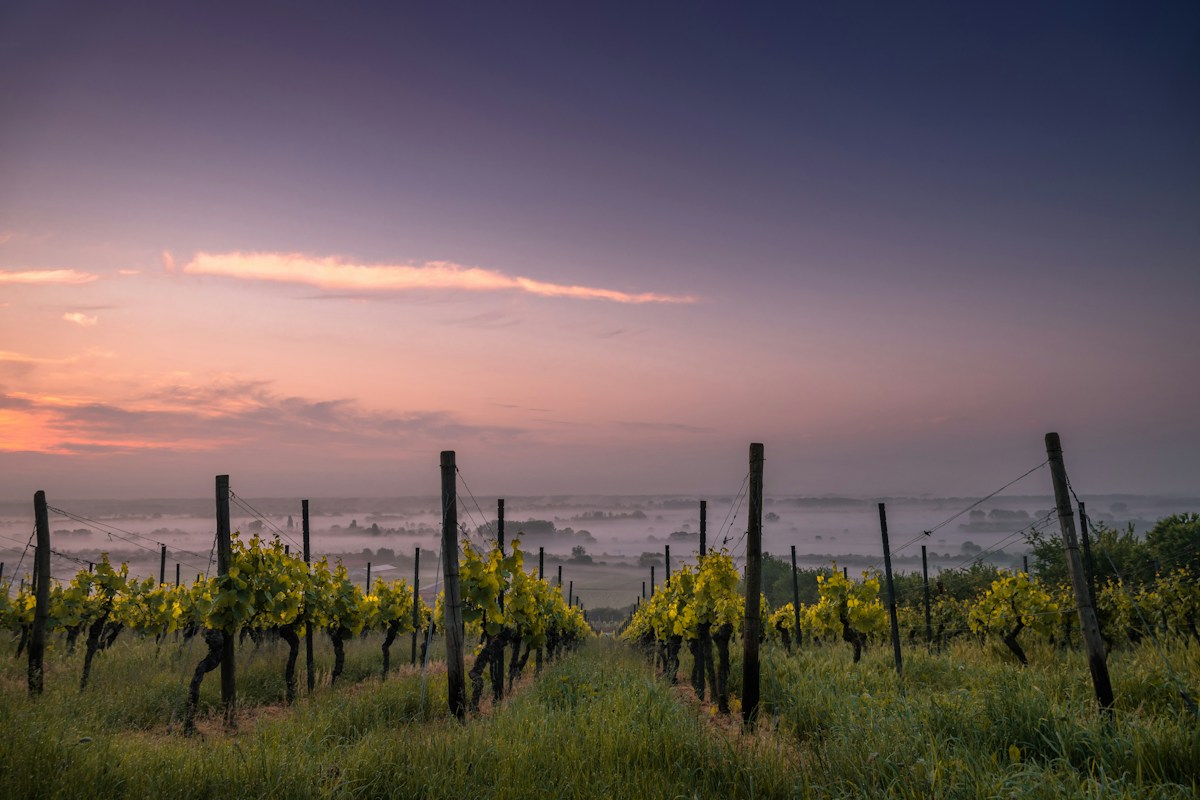
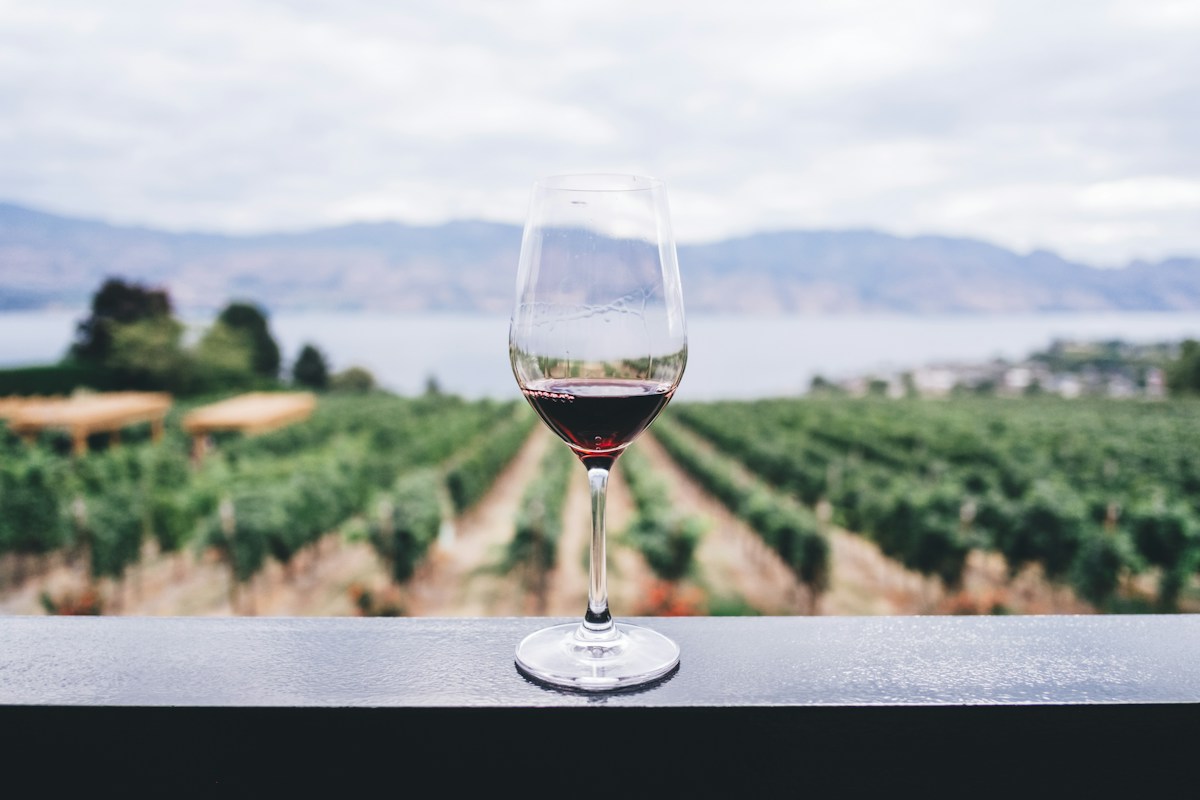
Early morning over Lake Geneva. A fine veil of mist lies on the water like silk, with the Savoy Alps etched sharply against the sky behind it. The city of Geneva awakens with soft sounds – and just a few kilometers away, another world begins: rows of vines whose leaves glow golden in the first sunlight, silent hills traced with old dry-stone walls, farmhouses and manor houses that have watched over the vineyards for centuries.
You raise the glass to your nose. Delicate floral notes rise up, white currant, a hint of linden blossom, a trace of wet stone from the morning rain. A sip – and suddenly everything is there: the coolness of the lake, the warmth of late summer, the salty breeze from the Jura, the clarity of a Swiss autumn morning. Geneva in the glass: precise, quiet, subtle – and yet full of inner tension.
The Geneva wine region is a myth that is astonishingly little understood outside Switzerland. Because while the city is seen as a global diplomatic stage and as a capital of humanity, just minutes away lies a wine landscape that is among the most diverse and exciting in Switzerland – protected, privileged, almost hidden.
In this article we dive into Geneva’s unmistakable terroir: into gravel and morainic soils shaped by the Rhône glacier, into a climate that keeps lake, Alps and Jura in delicate balance, into a diversity of grape varieties that ranges from classic Chasselas and juicy Gamay to rare specialties such as Aligoté, Gamaret and Garanoir. It is a region that preserves tradition and at the same time presents itself with a remarkably modern, quality-driven signature.
---
The Unmistakable Terroir and Climate
#### The Soil:
The Geneva winegrowing area – with around 1,400 hectares of vineyards one of the largest winegrowing cantons in Switzerland – is a geological treasure chest. It was the Rhône glacier that set the stage here thousands of years ago. It left behind a complex mix of:
- Morainic soils: clayey, calcareous, rich in gravel and stones
- Gravel and sand terraces: repeatedly fanned out by rivers and streams
- Calcareous marl and clay: in lower-lying areas, with good water-holding capacity
These soils shape the character of Geneva’s wines in an impressive way:
- On gravelly terraces, slender, linear white wines with fine minerality and precise acidity are born. Chasselas here shows its most delicate, almost crystalline side.
- Limestone and clay components add structure and depth. Red wines like Gamay, Pinot Noir or the Geneva specialties Gamaret and Garanoir gain body, spice and aging potential.
- The mixed morainic soils store enough water without waterlogging. In dry summers they supply the vines evenly, leading to harmonious ripeness and fine-grained tannins.
What makes Geneva’s terroir special is its small-scale diversity in a very compact space. Just a few hundred meters’ difference in exposure, altitude or soil type can result in clearly different styles. For the sensitive winemaker, Geneva is a mosaic of micro-terroirs that must be read anew every year.
#### The Climate:
Geneva thrives on an extraordinary climatic balance. Three elements play a central role here:
- Lake Geneva (Lac Léman)
The lake acts like a gigantic heat reservoir. It buffers temperature extremes in summer and softens the cold in autumn. This extends the growing season and allows for slow, aroma-rich ripening of the grapes. Periods of fog and humidity are usually well dispersed by air circulation.
- The Alps and the Jura
The Alps to the east and south, the Jura to the west create a microclimate that both protects Geneva and keeps it dynamic. Warm downslope winds, but also cooling air currents, ensure the marked diurnal temperature differences that are crucial for the aromatic lift and freshness of the wines.
- Sunshine and Rainfall
- Geneva benefits from high sunshine hours – often well above 1,900 hours a year.
- Rainfall is relatively evenly distributed, with slightly higher levels in spring and autumn.
- Moderate summer dryness promotes concentration without the stress of Mediterranean regions.
The result is wines with cool elegance, clear structure and an impressive balance between ripeness and freshness. In hot years Geneva preserves acidity remarkably well; in cooler years the long growing season delivers finely chiselled, aromatic wines.
---
The Grape Varieties: The Heart of the Region
#### The Leading Players:
Geneva is a stage on which tradition and modernity perform at the same time. Three grape varieties shape the picture particularly strongly:
- Chasselas (Gutedel)
The classic white star of French-speaking Switzerland also plays a central role in Geneva. Here Chasselas usually yields dry, subtle, very terroir-focused wines:
- Aromas of white flowers, pear, sometimes linden blossom and fresh bread
- On the palate delicate, with fine, rather restrained acidity
- Ideal for highlighting origin rather than variety
- Gamay
The red crowd-pleaser in Geneva. Unlike the often very fruit-forward Beaujolais wines, Gamay in Geneva shows a somewhat more serious, structured side:
- Aromas of red cherries, raspberries, sometimes violets
- On the palate juicy, with silky tannins and often spicy notes of pepper and undergrowth
- With good sites and yield reduction, surprisingly ageworthy
- Pinot Noir
In cooler sites and on calcareous soils, elegant, finely structured Pinots are produced:
- Aromas of red berries, rosehip, fine spice
- Built more on finesse than power, often with restrained use of oak
#### The White/Red Varieties:
Alongside these lead actors, Geneva is a veritable laboratory of grape varieties with remarkable diversity. Particularly exciting are:
White Varieties:
- Aligoté
A Burgundy variety that in Geneva takes on a clear, fresh style: citrus, green apple, lively acidity – ideal as an aperitif or with seafood.
- Sauvignon Blanc
In suitable sites it produces expressive but rarely over-perfumed wines: gooseberry, blackcurrant leaf, a hint of exotic fruit, carried by precise acidity.
- Chardonnay
From steely-mineral to subtly oaked – the best combine ripe fruit (peach, yellow apple) with salty minerality and a fine creaminess.
- Gewürztraminer, Pinot Gris & Co.
Cultivated in smaller quantities, often for characterful, aromatic specialties and late-harvest styles.
Red Varieties and Crossings:
- Gamaret & Garanoir
Two typically Swiss new crossings that are particularly successful in Geneva.
- Gamaret: deeply colored, with dark fruit, spice notes, firm but ripe tannins – ideal for blends and barrel aging.
- Garanoir: somewhat softer, rounder, with gentle tannins and charming fruit richness.
- Merlot, Syrah, Cabernet Franc
In the warmest sites they deliver powerful yet usually surprisingly well-balanced wines that convincingly demonstrate the region’s potential for high-quality reds.
This diversity makes Geneva a fascinating field of study – especially for trainee sommeliers: a canton that offers everything from classic Chasselas through filigree Pinot to inky Gamaret blends – and yet always retains its cool, Swiss handwriting.
---
History & Tradition
Winegrowing in Geneva is no new fashion but a centuries-old constant. The Romans were already planting vines here, drawn by the strategic location at the Rhône’s outlet and the mild climate of Lake Léman. In the Middle Ages it was above all monasteries and ecclesiastical institutions that nurtured and professionalized viticulture.
Particularly formative was the Reformation in the 16th century and Geneva’s role as Calvin’s city. As its importance grew as an intellectual and economic center of the region, viticulture in the surrounding villages also flourished. Wine became a trade commodity, a status symbol, but also an everyday staple.
In the 19th and early 20th centuries, Geneva – like the rest of Europe – was hit by the well-known crises: phylloxera, disease, war. For a long time, mass wine dominated, produced to satisfy the city’s local thirst. Only in the second half of the 20th century did a profound transformation begin:
- Quality Revolution:
Yield reduction, selection in the vineyard, modern cellar technology and a new generation of winemakers, often trained in Changins, Wädenswil or abroad, brought a marked leap in quality.
- Sense of Origin:
The introduction of AOC Genève sharpened awareness of terroir, grape varieties and stylistics. Today Geneva stands for an independent, clearly recognizable wine identity.
- Pioneering Estates & Cooperatives:
Alongside long-established family estates, the major cooperatives and the Domaine de la République et Canton de Genève contributed to Geneva wine’s evolution from everyday drink to sought-after specialty.
Today the Geneva wine region stands for a harmonious union of tradition and modern precision – a region that knows its history but does not remain stuck in it.
---
Pleasure & Perfect Pairings
#### Sensory Description:
Geneva wines share a fascinating common thread: inner calm combined with vibrating freshness.
- White Geneva wines (Chasselas, Aligoté, Sauvignon Blanc, Chardonnay):
- Aromas: white flowers, citrus, pear, white peach, linden blossom, sometimes delicate yeasty notes
- Palate: medium weight, with clear, linear acidity, fine minerality, often dry and immensely moreish
- Impression: clear, pure, precise – never loud, always nuanced
- Red Geneva wines (Gamay, Pinot Noir, Gamaret, blends):
- Aromas: red berries (cherry, raspberry), in more mature or more powerful wines dark fruits, pepper, violets, undergrowth, cocoa notes from oak
- Palate: from light and juicy (Gamay) to structured and serious (Gamaret, barrel-aged blends), with typically fresh acidity and fine-grained tannins
- Impression: cool, elegant, more Burgundian than Mediterranean
What makes Geneva special is this restrained nobility. No showy effects, no overripeness – but wines that want to be at the table, wines that seek dialogue rather than monologue.
#### Food Pairing:
Culinarily, too, Geneva is privileged: lake, mountains, gardens and markets provide a wealth of inspiration. Geneva wines can be paired just as broadly:
- Chasselas from Geneva
- Perfect with fondue moitié-moitié, raclette or local cheese specialties like Tomme de Savoie.
- Excellent with lake fish: perch (filets de perche), whitefish, trout meunière.
- Aligoté & Sauvignon Blanc
- Ideal with oysters, mussels and seafood.
- With seasonal vegetable cuisine: asparagus, artichokes, dishes with fresh herbs.
- Geneva Gamay
- Wonderful with charcuterie, saucisson, air-dried ham, pâtés.
- With poularde, light coq au vin or poultry terrines.
- Pinot Noir
- Harmonizes with veal, delicate lamb dishes, mushroom ragouts and autumnal vegetable dishes with pumpkin or beetroot.
- Gamaret, Garanoir & barrel-aged blends
- Born for braised beef shoulder, leg of lamb, game dishes and mature hard cheese.
- Also exciting with dark chocolate with a high cocoa content.
To enjoy Geneva wine, you should open it with time and calm, ideally slightly chilled (reds at 14–16 °C, whites at 8–10 °C), and give it a little air in the glass. Then the soul of this region reveals itself: clear, profound and subtle at the same time.
---
FAQ – The 10 Most Important Questions About Geneva
1. What makes Geneva wines so special?
Geneva wines unite the coolness of an Alpine-influenced climate with the moderating warmth of Lake Geneva. The diverse terroir and impressive range of grape varieties create wines that are both terroir-driven and stylistically precise and elegant.
2. Which grape varieties dominate in Geneva?
The most important grape variety for whites is Chasselas, while Gamay and Pinot Noir lead among the reds. In addition, Aligoté, Chardonnay, Sauvignon Blanc, Gamaret and Garanoir play an increasingly important role.
3. What does a typical Geneva wine taste like?
Typical Geneva wines are fresh, clear and rather slender in build. Whites show notes of citrus, white flowers and minerality; reds reveal red berries, fine spice and cool elegance with lively acidity.
4. How long should you cellar Geneva wines?
Many Geneva whites and reds show at their best within 2–5 years. Better sites, structured reds (Gamaret blends, ambitious Pinots) and characterful Chardonnays can age for 8–10 years and more.
5. Which dishes pair well with Geneva wines?
Chasselas and Aligoté pair beautifully with cheese, lake fish and light starters. Gamay and Pinot Noir work well with poultry, charcuterie and veal, more powerful reds with braised meats, game and mature cheese.
6. What is special about Geneva’s terroir?
The combination of glacially formed morainic and gravel soils, calcareous and clay-rich subsoils and the moderating influence of Lake Geneva creates a unique microclimate. This terroir allows for aromatically ripe yet always fresh and structured wines.
7. Which wineries in Geneva are especially recommended?
Among the renowned producers are Domaine de la République et Canton de Genève (Les Caves de Genève), Domaine du Château de Collex, Domaine des Charmes, Domaine de Miolan and Domaine des Molards. They stand as exemplars of the region’s quality focus.
8. How much does a good Geneva wine cost?
- Entry level: approx. 10–15 CHF per bottle for solid, typical wines.
- Mid-range: 15–30 CHF for single-vineyard wines and carefully vinified specialties.
- Premium: 30–60 CHF (and above) for top sites, barrel-aged blends and limited bottlings.
9. When is the best time to visit Geneva?
The best time for wine lovers is May to October, with a special magic during harvest in September/October. Then the vineyards are alive, the cellars smell of fresh must, and many estates offer tastings.
10. What are good alternatives to Geneva wines?
If you like the style of Geneva, you will find similar characters in other Swiss wine regions such as Vaud and Neuchâtel for Chasselas, or in parts of Valais and German-speaking Switzerland for elegant, cool-climate reds. Internationally they are reminiscent of cool-climate Burgundy, Savoie or some areas of the Jura.
---
Conclusion: A Wine That Touches the Soul
Geneva in the glass is more than just wine. It is the shimmer of the first sunrays on Lake Léman, the whisper of history between city walls and manor houses, the soft crunch of gravel underfoot in the vineyards of Satigny, Dardagny or Choulex.
This region tells of a Switzerland that is easy to overlook: not the postcard Switzerland of peaks and glaciers, but an intimate landscape of vines, villages and people who work with patience and precision. Every sip of a Geneva wine is an invitation to slow down, to taste more attentively, to open yourself to nuance.
Perhaps now is the moment to uncork a bottle of Geneva Chasselas or Gamay. Pour a glass, hold it against the light, breathe deeply. Let the coolness of the lake, the warmth of late summer and the quiet elegance of this city flow into your glass. And allow yourself, for an instant, the certainty that sometimes a single, well-chosen wine is enough to feel infinitely connected – to a country, a landscape, a story.
Geneva is waiting. In the glass. And perhaps already at your next tasting.