Ticino – Where Alpine Light Meets Mediterranean Longing
Discover Tessin in Schweiz. History, terroir, grape varieties and the best wines.
Ticino – Where Alpine Light Meets Mediterranean Longing
Meta description: Discover Ticino: Switzerland’s sun-drenched canton, Merlot paradise and Mediterranean terroir between Lake Maggiore and Lake Lugano.
Keywords: Ticino, Ticino wine, Merlot del Ticino, Ticino wine region, Swiss wine, wine Ticino, Merlot Ticino, Ticino Merlot
---
Introduction: The First Sip of Eternity
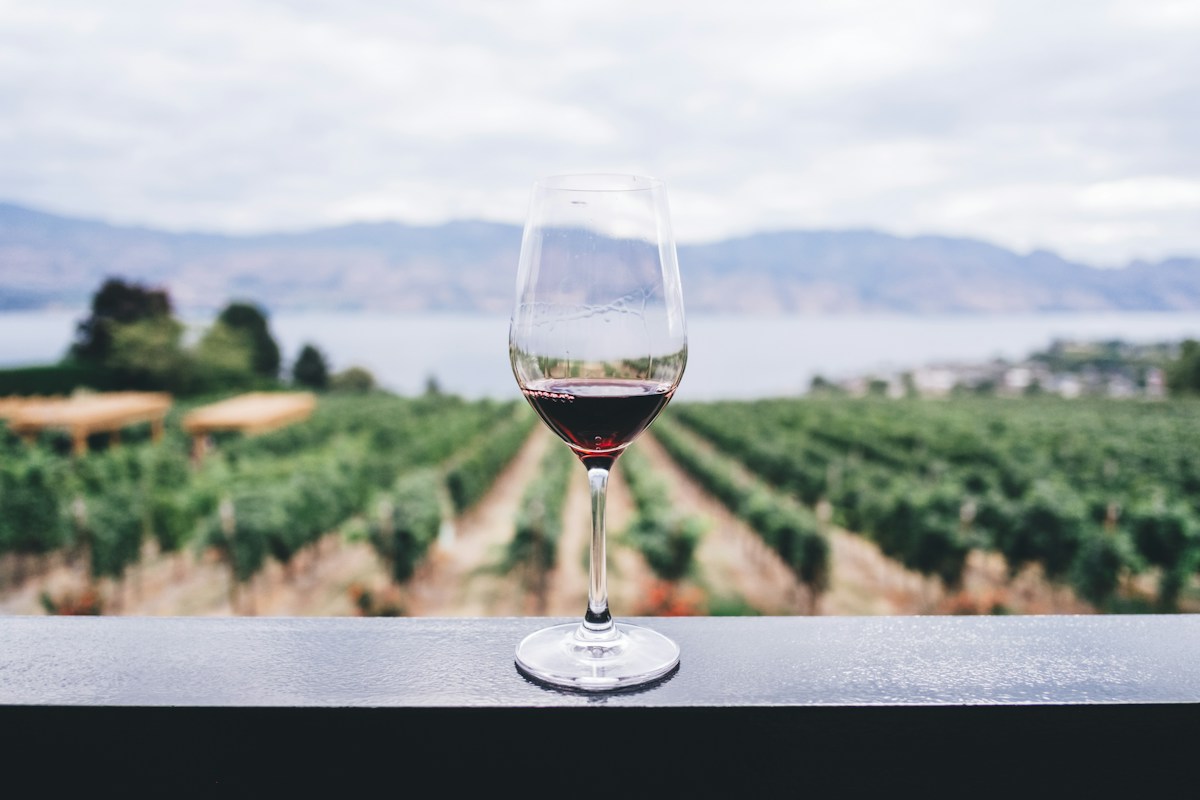
It’s late afternoon on Lake Maggiore. The low sun fractures its light on the water, warming the stone walls of the vineyards that cling in terraces to the steep slopes. In the air, the scent of chestnut forests, damp stone, bay leaf and a hint of espresso from the nearby village square mingle. You take a glass in your hand: a ruby shimmer, dense and yet transparent, like a promise. Your nose fills with dark cherries, tobacco, fine spice – and that elusive, lightly smoky minerality that only arises here: in Ticino.
Ticino is more than a wine region. It is a feeling of the South in the heart of Switzerland. A strip of land where vines thrive within sight of palm trees, where the Alps are only a breath away and yet citrus trees grow in gardens. A region where Merlot is not only planted but lived – and where every vine seems to store a little sunshine to later pour it into the glass.
In this article, we dive deep into the myth of Ticino: its dramatic soils, its south-of-the-Alps climate, its defining grape varieties, its story between peasant wine and world-class Merlot. We explore why “Merlot del Ticino” is today among the most exciting red wines in Europe – and why a sip of Ticino wine feels like a quiet but irresistible call to the South.
---
The Distinctive Terroir and Climate
#### The soil:
Geologically, Ticino is a kaleidoscope – and its fascination lies precisely there. Broadly speaking, the region can be divided into two zones: the Sopraceneri (north of Monte Ceneri, around Bellinzona and the upper Lake Maggiore) and the Sottoceneri (south of it, towards Lugano and Mendrisio).
In the Sopraceneri, acidic, sandy-loamy soils dominate, shaped by weathered gneiss, granite and schist. These lean, often stony soils force the vines to root deeply. The result: Merlot of impressive tension – with firm structure, fresh acidity, clearly etched fruit and a striking, almost salty minerality. They feel cooler, more precise, often with notes of graphite, violets and red cherry.
In the Sottoceneri, by contrast, you find more calcareous, clayey and partly moraine-influenced soils. Here, Merlots with more volume and creaminess are born: denser, darker, with blackberry, plum, sometimes a touch of black olive and fine dark chocolate. The limestone lends the wines depth and length, while the clay provides fullness and a velvety tannin structure.
This dramatic diversity of soils in such a small area makes the Ticino wine region so unique: from crystalline gneiss to calcareous marl – every slope tells a different geological story, and you can taste it in every sip.
#### The climate:
Despite its alpine surroundings, Ticino breathes a distinctly Mediterranean-influenced climate. As the sunshine canton of Switzerland, the region enjoys over 2,000 hours of sunshine a year on average – even more in the best sites. The vines benefit from:
- Mild winters and warm, often very sunny summers
- Strong diurnal temperature swings in higher elevations that foster aroma development
- The influence of the lakes (Lake Maggiore, Lake Lugano), which act like heat reservoirs and soften temperature extremes
At the same time, Ticino is one of the rainiest regions in Switzerland. Intense, sometimes heavy rainfall, especially in autumn, presents challenges for winegrowers: careful canopy management, yield reduction and meticulous selection in the vineyard are essential to ensure concentration and healthy grapes.
The famous foehn wind from the north can feel like a gift in autumn: it dries the grapes after rainy periods, concentrates the aromas and often brings a “golden October” that carries Merlot and its companions to perfect ripeness. Through the interplay of sun, rain, wind and altitude, a climate emerges that allows the balance on which great wines live: ripeness and richness, carried by freshness and elegance.
---
The Grape Varieties: The Beating Heart of the Region
#### The leading roles:
Merlot is the undisputed protagonist in Ticino – it accounts for around 80–90% of the vineyard area and shapes the region’s image worldwide. But Ticino Merlot is no copy of Bordeaux or the New World. It combines the ripeness of a southern climate with the precision of an alpine origin.
Typical Merlot del Ticino shows:
- In youth: notes of ripe cherry, plum, blackberry, often with violets, graphite and fine toasted aromas from oak
- With age: nuances of tobacco, truffle, leather, undergrowth, some dried herbs and a very elegant texture
Many top wines are aged in barrique, yet more and more producers are using finely judged oak influence, so as not to overshadow fruit and terroir. Stylistically, the spectrum ranges from juicy crus that are approachable early on to serious, structured wines with cellaring potential of 10–15 years and more.
Alongside this, Merlot Bianco – a white wine pressed from red Merlot grapes – is becoming increasingly important: taut, citrus-fresh, with delicate spice and great gastronomic potential.
#### The white/red varieties:
Beyond Merlot, it’s worth looking at the “supporting cast” that rounds out the picture of the Ticino wine region:
Red varieties:
- Bondola: An autochthonous, traditional variety of northern Ticino. Lighter in colour, lively acidity, red berries, peppery spice – a breath of mountain air in the glass. Often found in rustic, honest country wines, but increasingly also in more ambitious interpretations.
- Cabernet Franc & Cabernet Sauvignon: As blending partners for Merlot they contribute structure, spice and longevity. Especially in the Sottoceneri, this yields wines that stylistically recall high-quality Bordeaux blends, yet clearly maintain Ticino identity.
- Pinot Noir: In higher, cooler sites, usually lighter, elegant, with red fruits and floral notes – an interesting, if quantitatively small, facet.
White varieties:
- Chardonnay: In good sites with remarkable depth. From fresh, fruit-driven styles to barrique-aged, creamy Chardonnays with hazelnut and brioche notes.
- Sauvignon Blanc: Herbal-spicy, with citrus, gooseberry and flint, often with a taut acidity – an exciting counterpoint to the red wines.
- Traditional varieties such as Americana/Clinton and other hybrids (especially for the sweetish, rustic “Nostrano”) are primarily of historical and cultural importance rather than in the premium segment, but they remain part of the region’s wine identity.
---
History & Tradition
The wine history of Ticino is old, far older than the modern fame of Merlot. As early as the Romans, people used the sun-drenched slopes south of the Alps for viticulture. In the Middle Ages, monasteries and peasants tended the vines, often in mixed cultures with chestnuts, fruit and cereals. Wine was an everyday drink, a foodstuff, an economic factor – but rarely fine.
Well into the 19th century, Nostrano dominated in Ticino, usually made from American hybrid varieties (such as Isabella/Clinton), robust, high in acidity, often slightly “foxy” on the nose. A drinking culture, yes, but no international reputation.
The turning point came at the beginning of the 20th century: the phylloxera catastrophe destroyed large parts of the vineyards – a crisis that, in retrospect, turned out to be an opportunity. To reposition the Ticino wine region in qualitative terms, systematic trials with Merlot were started from 1906 onward. The success was astonishing: Merlot proved to be extremely well adapted to Ticino’s soils and climate.
In the following decades, Merlot established itself as the flagship variety. A second qualitative leap followed from the 1980s: local pioneers, better-trained oenologists, lower yields, targeted use of barriques, parcel selection – all this transformed Ticino from a marginal note into one of the most exciting red wine regions in Switzerland.
Today, the protected designation of origin “DOC Ticino” carries this development outward. Many wines are parcel- or village-specific, single-vineyard designations are gaining in importance. And yet Ticino remains a mosaic of small family estates, where tradition is not museumified but alive: it is the region where grandmothers still stir polenta while world-class Merlot matures in barriques in the cellar.
---
Pleasure & Perfect Pairings
#### Sensory description:
A typical Merlot del Ticino enters the glass with:
- Colour: Deep ruby red, in youth with violet reflections, later garnet-coloured at the rim.
- Nose: Dark cherries, ripe plums, blackberries; often graphite, tobacco, cedarwood, a touch of cocoa. With age, truffle, leather, dried herbs and a fine earthy note join in.
- Palate: Medium to full-bodied, juicy, ripe fruit, fine-grained tannin, carried by a surprisingly fresh acidity that never lets the wine feel heavy. An elegant, almost Burgundian finesse meets the density of a classic Merlot.
- Finish: Long, warm, underpinned by minerality – an aftertaste that recalls warm stones after summer rain.
The white wines of Ticino – in particular Merlot Bianco, Chardonnay and Sauvignon Blanc – play with freshness, citrus notes, white flowers, sometimes exotic fruits and a clear, uncluttered structure. They feel like a cool breath of alpine air on a hot day by the lake.
#### Food pairing:
The Ticino wine region is also one of Switzerland’s great culinary regions. The wines find their ideal partners in the regional cuisine:
With Merlot del Ticino:
- Brasato al Merlot (beef or veal braised in Merlot): the aromatic depth and silky tannin of the wine embrace the tender fibres of the meat – an iconic combination.
- Polenta with braised dishes or game (roe deer, red deer, wild boar): the creamy texture of the polenta and the earthy flavours of the game meet the fruit and structure of the Merlot.
- Lamb cutlets with maquis herbs (rosemary, thyme, sage): the Mediterranean herbal spice finds its echo in the wine.
- Aged hard cheeses and alpine cheeses: especially those with nutty, slightly salty notes – the wine brings fruit and depth without dominating.
With white Ticino wines:
- Freshwater fish from Lake Maggiore or Lake Lugano (pike-perch, perch, whitefish), grilled or poached, with lemon and herbs.
- Risotto – especially with saffron, porcini mushrooms or asparagus: the creamy, unctuous texture of the risotto harmonises wonderfully with the acid structure of the white wines.
- Goat cheese and fresh cheese specialities from Ticino: here, Merlot Bianco and Sauvignon Blanc shine particularly brightly.
For more ambitious pairings, aged Merlots are well worth a look: they accompany truffle dishes, roast veal, wild mushroom creations and refined ragouts with impressive elegance.
---
FAQ – The 10 Most Important Questions About Ticino
1. What makes Ticino wines so special?
Ticino wines combine Mediterranean ripeness with alpine freshness. The unique interplay of gneiss and limestone soils, many hours of sunshine and cool nights gives Merlot del Ticino depth, elegance and a distinctive, mineral signature.
2. Which grape varieties dominate in Ticino?
Quite clearly: Merlot dominates with around 80–90% of the vineyard area. It is complemented by Bondola, Cabernet Franc, Cabernet Sauvignon and white varieties such as Merlot Bianco, Chardonnay and Sauvignon Blanc.
3. What does a typical Ticino wine taste like?
A typical red Ticino wine, especially Merlot, shows aromas of ripe cherry, plum and blackberry, often with notes of graphite, tobacco and fine oak spice. On the palate it is full, juicy and yet fresh, with fine-grained tannin and a long, slightly mineral finish.
4. How long should you age Ticino wines?
Good Merlot del Ticino drink very harmoniously after 3–5 years, top cuvées often reach their peak between 8 and 15 years, some even beyond that. Fresh white wines and simple reds are usually intended for enjoyment within 2–4 years.
5. Which dishes pair well with Ticino wines?
Red Ticino wines pair beautifully with braised dishes (brasato), game, lamb, polenta, mushroom risotto and aged hard cheeses. White Ticino wines are excellent with freshwater fish, light starters, vegetable risottos and goat cheese.
6. What is special about Ticino’s terroir?
Ticino’s terroir combines stony gneiss and granite soils in the north with calcareous and clay-rich soils in the south, plus a sunny but high-precipitation climate. This combination produces wines with a rare balance of ripeness, freshness and mineral imprint.
7. Which wineries in Ticino are particularly recommended?
Renowned producers include Vinattieri Ticinesi, Gialdi Vini, Tamborini Vini, Delea and Plozza. They stand for the qualitative peak of the Ticino wine region and offer a wide spectrum of stylistically different Merlots.
8. How much does a good Ticino wine cost?
Entry-level wines from Ticino start at around 15–20 CHF per bottle. In the mid-range, high-quality Merlots mostly cost between 25–45 CHF. Premium and icon wines from renowned producers often range between 60–150 CHF and above, depending on rarity and ratings.
9. When is the best time to visit Ticino?
Ideal times are spring (April–June), when everything is in bloom and temperatures are mild, and autumn (September–October) at harvest time: the vineyards glow in warm colours, cellars are in full swing, and you can enjoy the wines on site with seasonal cuisine.
10. What are good alternatives to Ticino wines?
Anyone who appreciates the style of Merlot del Ticino will find related qualities in Bordeaux (Right Bank), northern Italy (Colli Orientali, Collio, Trentino) and parts of Alto Adige. Nevertheless, with its south-of-the-Alps signature and minerality, Ticino remains stylistically unique.
---
Conclusion: A Wine That Touches the Soul
Ticino is not a wine you drink on the side. It is a wine you have to enter – like a landscape that only gradually reveals itself. Every sip carries the echo of sun terraces above deep lakes, the rustle of chestnut forests, the murmur of ancient villages. It’s as if time were flowing more slowly for a moment.
In a world where much has become interchangeable, a Merlot del Ticino gives you something rare: character, origin, identity. It tells of winegrowers wrestling with the topography, of steep rows where every grape is handwork, of rain that worries and sun that rewards.
Open a bottle of Ticino wine – preferably in peace, with a dish you love, perhaps with people who matter to you. Let the glass breathe, take your time for the first sip. And feel how, between Alps and South, a narrow, precious space opens up: that space in which wine is more than a drink – a small piece of eternity in the glass.