Montsant – The Quiet Voice of Great Wines: Where Priorat Slate and Mediterranean Longing Embrace
Discover Montsant.
Montsant – The Quiet Voice of Great Wines: Where Priorat Slate and Mediterranean Longing Embrace
Meta description: Discover Montsant – the enigmatic neighboring region of Priorat. Mineral-driven reds, old Garnacha vines, deep terroir and Mediterranean elegance.
Keywords: Montsant, DO Montsant, Montsant wine region, Garnacha, Cariñena, Priorat neighboring region, Spanish red wine, Catalonia wine, Montsant terroir, Montsant wineries
---
Introduction: The First Sip of Eternity
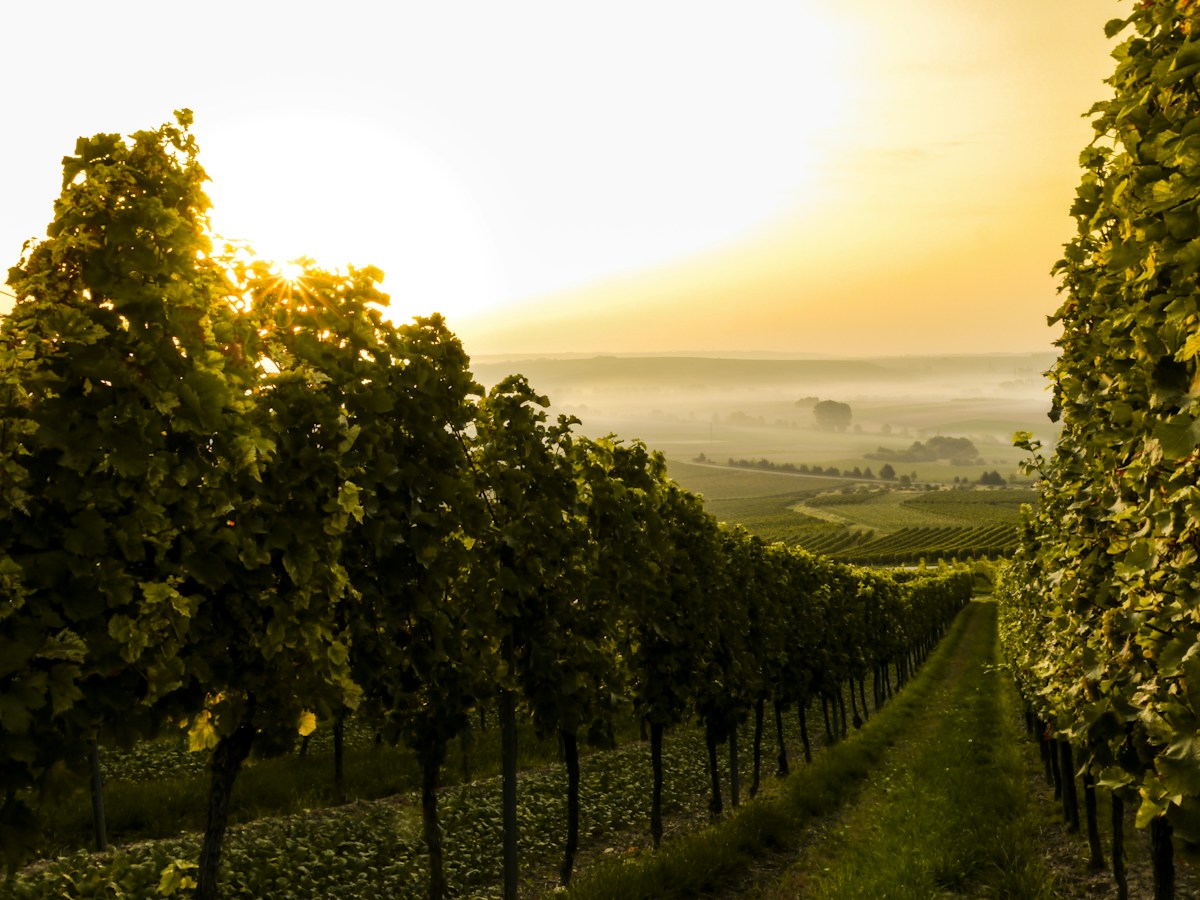
Dust lies golden over the hills as the sun sets behind the Serra de Montsant in the early evening. The air smells of rosemary, thyme and warm stone. A light breeze brushes through the vine leaves, carrying the soft creak of old vines – many over 60, 80, some more than 100 years old.
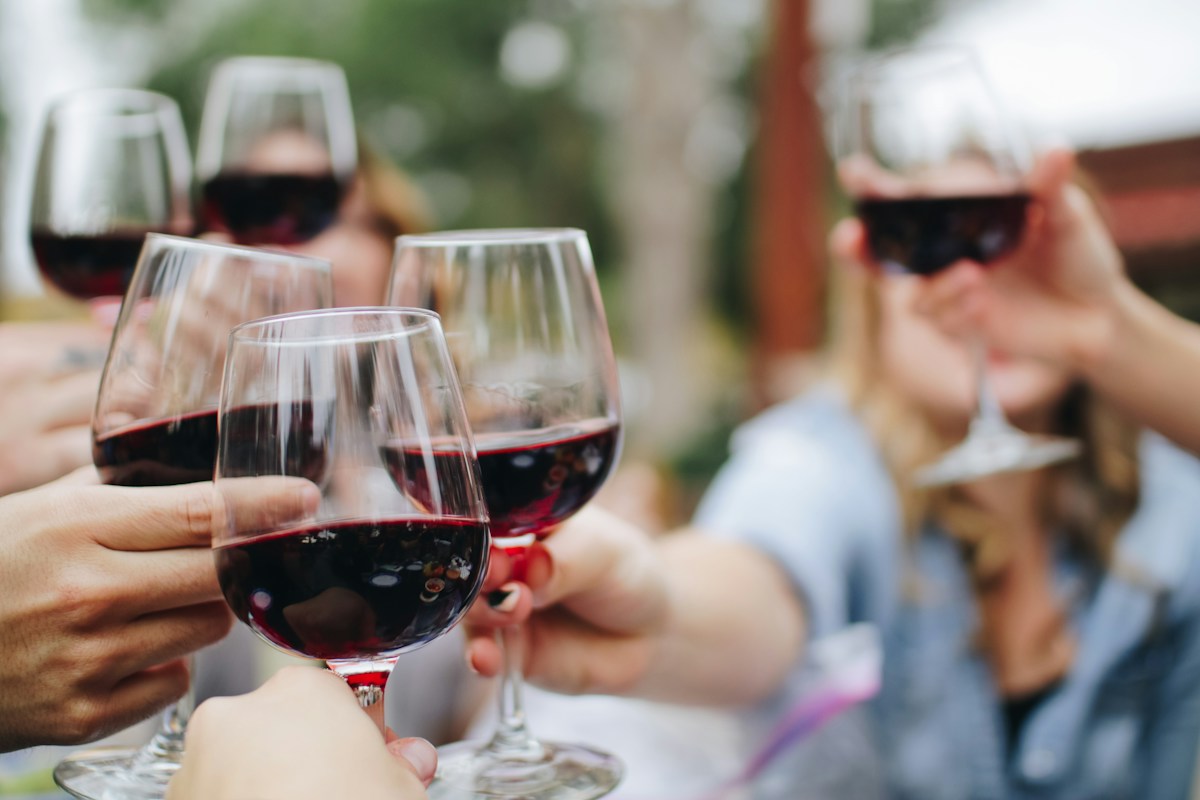
You take a glass in your hand, deep ruby red, almost black at the core. The first scent: ripe cherry, wild herbs, a hint of graphite and wet slate. A sip – and for a moment, time and everyday life disappear. There is only this vibrant interplay of power and freshness, of sun and stone, of tradition and an almost sparse, purist expression of the landscape.
Montsant is not a region that shouts. It whispers. But those who attune themselves to this whisper discover one of Spain’s most exciting wine landscapes – a region that long stood in the shadow of the famous Priorat, but today, with a distinct identity and impressive quality, belongs to the connoisseurs. Montsant is not a wine for everyone – and that is exactly what makes it so desirable.
---
The Distinctive Terroir and Climate
#### The Soil: When Stones Tell Stories
Montsant encircles Priorat like a horseshoe – geologically and emotionally closely linked, yet independent in its texture. The soils are the quiet foundation of Montsant’s character:
- Llicorella (slate) – especially in the higher sites and certain sub-zones: dark, fissured slate that stores warmth and releases it at night. It gives rise to wines with striking, salty minerality, firm structure and fascinating depth.
- Calcareous clay soils – somewhat more moderate in expression, with better water-retention capacity. They yield wines with a rounded, silky tannin structure and an almost creamy texture on the palate.
- Sandy and conglomerate-rich soils – often produce more fragrant, delicate wines with subtle floral notes and vibrant freshness.
Many parcels are terraced, the vines rooting deep, fighting their way through stone and sparse subsoil. This stress situation leads to low yields – but also to grapes with enormous aromatic concentration. Old vines, often trained as goblet/bush vines, amplify this effect: little fruit, lots of essence.
#### The Climate: Mediterranean with a Mountain Accent
Montsant lies in Catalonia, in the hinterland of Tarragona, shaped by a Mediterranean climate with continental influences:
- Hot, dry summers, when the sun beats relentlessly down on the slopes.
- Cool nights, especially in the higher-lying zones, thanks to the proximity of the Serra de Montsant and other mountain ranges.
- Low rainfall, forcing the vines to root deeply and develop resilience.
- Winds from the sea and inland, which cool, dry and thus help prevent disease.
The result: wines with ripe, dense fruit, yet remarkable freshness and structure. Where alcohol dominates in other warm regions, Montsant maintains balance – a tension that makes the best wines almost electrifying.
---
The Grape Varieties: The Heart of the Region
At the center of Montsant are two grape varieties that reflect the character of this terroir like no others:
- Garnacha (Grenache)
The queen of Montsant. Old bush vines, often on poor soils, yield small, concentrated berries.
Typical traits:
- Red and dark cherry, plum, sometimes raspberry.
- Spice: garrigue, Mediterranean herbs, licorice.
- Texture: soft, enveloping, sensual – but in Montsant style always with backbone.
- Cariñena (Carignan, Samsó)
The structure-building variety, long underestimated, now a star in the best blends.
Typical traits:
- Deep dark fruit, blackberry, black cherry.
- Marked acidity, gripping but fine-grained tannins.
- Spicy, slightly earthy and mineral notes, often with a hint of graphite.
Alongside these, international and indigenous varieties complete the picture:
- Syrah – adds dark fruit, peppery spice and polish.
- Cabernet Sauvignon & Merlot – more common in the past, today used judiciously to lend complexity and structure.
- White varieties:
- Garnacha Blanca – creamy, dense, often with notes of pear, fennel and salty minerality.
- Macabeo (Viura) – fresher, lighter, citrusy, often as a blending partner.
Montsant is and remains above all a Garnacha–Cariñena region – and that is precisely where its true magic lies.
---
History & Tradition
Montsant’s winegrowing history predates any modern appellation. As early as Roman times, and later with the Cistercian monks in neighboring Priorat, the potential of these barren slopes was recognized. Wine here was long not a lifestyle product, but part of daily life, deeply connected to agriculture and religion.
The 20th century brought severe disruptions, as in many parts of Europe:
- Phylloxera decimated the vineyards.
- Many winegrowers emigrated, parcels were abandoned.
- Bulk wine production and cooperatives dominated for a time.
The true renaissance began in the 1990s, parallel to Priorat’s meteoric rise. While Priorat attracted international attention and high prices, Montsant began, more quietly but no less resolutely, to forge its own identity:
- In 2001, Montsant was awarded its own appellation status: DO Montsant.
- Young, ambitious winemakers returned and rediscovered old Garnacha and Cariñena parcels.
- The focus shifted toward quality, low yields, selective harvesting and terroir-driven vinification methods.
Today, Montsant stands for a tension between tradition and contemporary viticultural philosophy: handwork, respect for old vines, increasingly organic and biodynamic farming – and cellar work that accompanies the wine rather than dominating it.
---
Enjoyment & Perfect Pairings
#### Sensory Profile: The Signature in the Glass
A typical Montsant red wine (Garnacha- and Cariñena-based) presents:
- Color: deep ruby to purple, often slightly violet at the rim.
- Nose:
- Ripe cherry, black cherry, plum.
- Wild Mediterranean herbs – rosemary, thyme, bay leaf.
- Graphite, wet stone, sometimes a hint of smoke or cocoa from barrel aging.
- Palate:
- Concentrated, dense, but never clumsy.
- Juicy fruit, elegant acidity, firm, fine-grained tannins.
- A mineral, slightly salty streak that carries the wines and gives length.
The best wines combine power and finesse, warmth and tension – like a dark velvet cloth shot through with a fine, cool thread.
White Montsant wines, especially from Garnacha Blanca, show:
- Yellow fruit, pear, white peach.
- Fennel, anise, Mediterranean herbs.
- Often creamy on the palate, with surprisingly salty freshness and length.
#### Food Pairing: Cuisine that Mirrors the Landscape
Montsant wines are made for Mediterranean cuisine – and for all dishes cooked with heart rather than meticulously staged.
Perfect companions:
- Braised & hearty dishes:
- Leg of lamb with Provençal herbs.
- Oxtail stew, braised beef, game ragout.
- From the grill:
- Grilled entrecôte, Ibérico pork, lamb chops.
- Grilled vegetables: eggplant, peppers, zucchini with olive oil and herbs.
- Catalan & Spanish cuisine:
- Butifarra with white beans.
- Rabbit with garlic and herbs.
- Traditional stews with chickpeas and chorizo.
For white Montsant wines:
- Pan-fried fish with fennel and lemon.
- Seafood risotto.
- Poultry, ideally with creamy sauces or saffron.
- Aged goat and sheep cheeses.
Montsant loves flavors that are honest, clear and intense – and rewards them with depth and harmony in the glass.
---
FAQ – The 10 Most Important Questions About Montsant
1. What makes Montsant wines so special?
Montsant combines old vines, poor soils (slate, limestone, clay) and a warm yet balanced climate. The result is wines with intense fruit, deep minerality and a balance of power and freshness reminiscent of great neighboring regions – often at significantly more moderate prices.
2. Which grape varieties dominate in Montsant?
Quite clearly: Garnacha and Cariñena. They form the backbone of most red wines. They are complemented by Syrah, Cabernet Sauvignon and Merlot. For whites, Garnacha Blanca and Macabeo are the leading varieties.
3. What does a typical Montsant wine taste like?
A red Montsant is usually dry, full-bodied, with ripe cherry and plum fruit, Mediterranean herbal spice and mineral notes. On the palate it shows structure, present but fine tannins and surprisingly fresh acidity. White Montsant wines are aromatic, slightly creamy and marked by salty, mouthwatering freshness.
4. How long should Montsant wines be aged?
Many entry-level wines peak after 2–4 years. Superior blends and single-vineyard wines from old vines can age 8–12 years, and even longer in top vintages. White Garnacha Blanca wines often develop an exciting, complex bouquet after 3–5 years.
5. Which dishes pair well with Montsant wines?
Red Montsant wines pair well with braised meats, grilled beef or lamb, game, stews and also with hearty pasta dishes. White Montsant wines are excellent with fish, seafood, white meat, Mediterranean vegetable dishes and aged goat or sheep cheeses.
6. What is special about Montsant’s terroir?
The interplay of Llicorella slate, calcareous and clay soils, old vines, terraced parcels and a Mediterranean climate with cool nights creates a terroir that yields wines with depth, minerality and tension. Montsant is shaped by contrasts – and that is exactly what you taste in the glass.
7. Which wineries in Montsant are particularly recommended?
Without claiming completeness, frequently mentioned are:
- Celler de Capçanes – pioneering work, especially for high-quality Garnacha blends.
- Venus La Universal – terroir-driven, elegant reds from Sara Pérez and René Barbier Jr.
- Mas Garrian, Mas d’en Gil (with vineyards in and around Montsant), Acústic Celler, Portal del Montsant, Orto Vins – all with exciting, characterful portfolios.
Crucially, Montsant also offers remarkable quality from smaller producers.
8. How much does a good Montsant wine cost?
Value for money is one of the region’s great strengths.
- Good entry-level wines: €8–15.
- Ambitious blends from old vines: €15–30.
- Top sites and icon wines: usually €30–60, sometimes higher – but often significantly cheaper than similarly rated wines from Priorat.
9. When is the best time to visit Montsant?
Ideal are spring (April–June) and autumn (September–October).
In spring everything glows fresh green, the light is clear, temperatures are pleasant. In autumn – during harvest – the air smells of must and ripe grapes, the landscape wears warm, golden colors. Summer can be very hot; but for those who love the heat, it has its own charm.
10. What are good alternatives to Montsant wines?
If you enjoy the Montsant style, you might also like:
- Priorat (DOCa) – similar, often even more concentrated and powerful, with pronounced slate minerality.
- Calatayud & Campo de Borja – other Spanish strongholds of Garnacha.
- Southern Rhône (Gigondas, Vacqueyras, Châteauneuf-du-Pape) – for fans of Grenache-based, Mediterranean-influenced wines.
Even so, Montsant’s particular combination of freshness, minerality and value is hard to replace.
---
Conclusion: A Wine that Touches the Soul
There are regions you visit – and regions that never let you go. Montsant belongs to the latter. Perhaps it is the silence of the slopes, the crunch of slate underfoot, the glaring light of the midday sun. Perhaps it is the old vines, gnarled and patient, that know every drought, every gust of wind, and yet bear their small, concentrated grapes year after year.
In the glass, all of this becomes something that goes far beyond “good wine.” Montsant is honesty in liquid form: no mask, no make-up, but a direct gaze into the soul of a landscape that has learned to turn austerity into beauty.
For demanding wine lovers, curious sommeliers and pleasure-seekers looking beyond the beaten track, Montsant is an invitation: to discover, to compare, to fall in love. It is the quiet yet insistent hand that makes you reach for the glass again at the end of the evening – not out of thirst, but out of longing.
Montsant is not a loud star. It is the mysterious flicker of a candle in an old cellar, deep underground, where time does not matter. One first sip – and you sense: this is the beginning of something that will stay.