Piedmont – Where Fog, Hills and Great Wines Embrace
Discover the fascinating wine region Piemont in Italien. History, terroir, grape varieties and the best wines.
Piedmont – Where Fog, Hills and Great Wines Embrace
Meta description: Piedmont – the magical homeland of Barolo, Barbaresco & Co. Discover terroir, grape varieties, aromas and food pairings from this cult region.
Introduction: A Hint of Fog, a Glass of Eternity
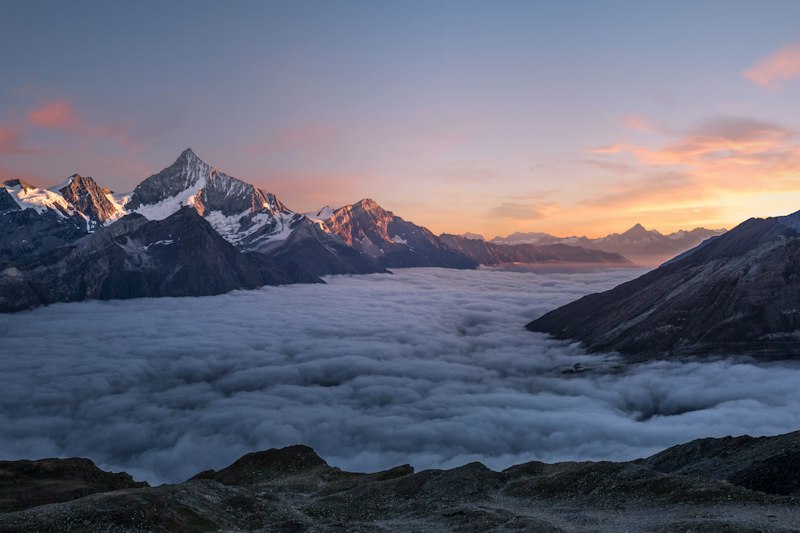
Early morning in Piedmont. A fine, milky fog lies like a veil over the gentle hills, the vines draw dark lines into the pale light, and in the distance the snow-covered peaks of the Alps glisten. The air smells of damp earth, truffle and woodsmoke, of autumn leaves and quiet anticipation. From a small osteria drifts the aroma of freshly brewed espresso and warm brioche; later in the day, Barolo will flow here, Barbaresco, Barbera d’Asti – wines that touch not only the palate, but the soul.
Piedmont is not a wine region you visit in passing. It demands devotion – like a great piece of music you cannot just have playing in the background. This is the land of big emotions in the glass, of legendary Piedmont wines, of Alba’s white truffles and deeply rooted rural traditions. Anyone who opens up to this landscape discovers more than just an appellation: you discover a world in which wine is culture, identity and poetry all at once.
The Terroir: Soil and Climate
Piedmont, in the northwest of Italy, is a mosaic of hills, valleys and microclimates. Names such as Langhe, Roero and Monferrato are not just geographical labels, but stand for world-class terroir that has now been designated a UNESCO World Heritage Site.
The soils are diverse, but in the great reds it is a play of marl, limestone and clay that dominates. In the Langhe, cradle of Barolo and Barbaresco, you find calcareous marl that gives Nebbiolo its famed tension, elegance and longevity. Parts of Roero are shaped by sandier soils – the wines here are often more approachable, more fragrant, with a finer tannin structure. In Monferrato, clay, limestone and sandy layers alternate and give Barbera, Grignolino & Co their typical juiciness and spice.
The climate is continental with a clear Alpine influence. Warm, often dry summers meet cold winters; spring and autumn are marked by sharp temperature swings between day and night. It is precisely these fluctuations that favour slow ripening, develop complex aromas and preserve the acidity that lends Piedmont’s great wines their freshness and structure. The famous fog – nebbia, from which the name Nebbiolo is said to derive – hangs like a mystical filter over the hills and has long since become part of the legend of this unique wine region.
The Grape Varieties
Piedmont is a region of autochthonous grapes, of originals. International varieties play a comparatively minor role – here they speak the dialect of the soil, not the Esperanto of the wine business.
Nebbiolo
The king of Piedmont’s grapes, from which the legendary wines Barolo, Barbaresco, Roero and many others such as Nebbiolo d’Alba or Langhe Nebbiolo are made. Pale in colour, but immensely powerful in structure and tannin. Nebbiolo is demanding in the vineyard, ripens late and reflects its terroir as precisely as few other varieties in the world. In the hands of a master it gives rise to wines that can outlast decades.
Barbera
Piedmont’s most beloved everyday grape – even though it has long since begun to produce wines of real class. Barbera d’Asti, Barbera d’Alba and Barbera del Monferrato shine with deep colour, lively acidity and juicy fruit. Low in tannin, but brimming with energy in the glass. A perfect partner at the table – and a wine that breathes Italian joie de vivre.
Dolcetto
The name means “the little sweet one”, yet the wine is dry. Dolcetto d’Alba, Dolcetto di Dogliani and other appellations deliver dark, fruit-driven wines, often with a touch of bitter chocolate, moderate alcohol and soft tannins. Traditionally the region’s “daily” wine, uncomplicated but full of character.
Arneis
The white grape of Roero. Long almost forgotten, today on everyone’s lips again. Arneis yields fragrant, delicately spicy whites with notes of pear, white blossom, herbs and an elegant, usually moderate acidity.
Cortese & Co
In Gavi – officially Gavi DOCG – the white Cortese grape dominates. It produces precise, mineral white wines with citrus notes, floral nuances and a salty freshness that recalls a sea breeze, even though from here you see only the Alps and not the sea. Alongside it, niche grapes such as Favorita, Nascetta and Erbaluce enrich the region’s white spectrum.
History and Tradition
The history of wine in Piedmont goes back to Roman times. But its modern fame began in the 19th century, when the nobility transformed the then still off-dry Nebbiolo wines into dry, ageworthy reds. Count Camillo Benso di Cavour, a key figure in Italian unification, and the Marchese di Barolo are among those who laid the foundations for the style of today’s Barolo.
The 20th century brought turbulent times: wars, economic crises, rural exodus. Up in the hills, the winegrowers stayed, often quietly working on quality while the world’s gaze was fixed on Bordeaux and Burgundy. From the 1960s and 70s onwards, tradition and modernity began to clash. The so‑called “Barolo Boys” experimented with shorter macerations, new barriques and a more international style. A stylistic duel ensued: “traditionalists” with long macerations and large old casks versus “modernists” with softer tannins and more new oak.
Today, Piedmont has largely moved beyond this simple dichotomy. Many top estates combine the best of both worlds: meticulous vineyard work, low yields, biodynamic or organic approaches, coupled with sensitive use of wood. The focus is more than ever on terroir, single-vineyard character and authenticity – and that is exactly what makes modern Piedmontese wines so sought after across the globe.
Typical Style and Aromas
Anyone who has a great Piedmont Nebbiolo in their glass for the first time encounters a fascinating paradox: the colour is often transparent, almost delicate – yet on the palate the wine feels powerful, structured and profound.
Barolo & Barbaresco
The icons of the region display a complex aromatic spectrum: violets, rose petals, sour cherries, red berries, dried herbs, liquorice, tar, tobacco, leather, sometimes hints of truffle and undergrowth. On the palate, firm tannins and fresh acidity rule, ensuring that, despite all their concentration, these wines never feel heavy. As they mature, tertiary aromas join in: dried fruits, forest floor, mushrooms, a fine, almost ethereal spiciness. A great Barolo or Barbaresco is not a loud wine – it is a conversation that can last for hours.
Barbera
Barbera stands for radiant fruit: cherries, blackberries, plums, often with a touch of violet, pepper and sometimes cocoa and vanilla when oak is involved. The acidity is lively, the tannins are relatively gentle. Stylistically, Barbera ranges from bright and fruity for uncomplicated enjoyment to dense and serious, almost Burgundian when it comes from old vines and top sites.
Dolcetto
Dolcetto smells of dark cherries, blueberries, almonds, sometimes of bitter chocolate and a hint of liquorice. It is soft, rounded, with moderate acidity – a wine to drink young and in good company, usually without great ceremony, but with plenty of pleasure.
White Wines of Piedmont
Arneis shows notes of pear, apple, citrus, white blossoms and herbs; on the palate it is fine, sometimes slightly creamy, with a subtle bitterness on the finish reminiscent of almonds. Gavi from Cortese is cooler, more citrusy, more mineral – refreshing, precise, excellent as an aperitif or with delicate dishes.
Food Pairing
To say Piedmont is also to say truffle. The white truffles from Alba are among the most precious foods in the world – and they find congenial partners in Piedmont’s wines.
With Barolo and Barbaresco, classic dishes such as tajarin – wafer-thin egg yolk pasta – with butter and white truffles, mushroom risotto, braised beef cheeks, brasato al Barolo, game dishes or aged hard cheeses like Parmigiano Reggiano and long-matured Castelmagno are ideal. The structure and complexity of these wines harmonise with intense, umami‑rich food.
Barbera is incredibly versatile. It pairs beautifully with vitello tonnato, agnolotti del plin (small filled pasta parcels), lamb chops, grilled beef, pizza with high-quality toppings or a simple but perfect pasta al pomodoro. Its acidity cuts through fat and creaminess and refreshes the palate.
Dolcetto loves down-to-earth cooking: salumi, hearty local salami, cheese boards, polenta with salsiccia, mushroom dishes or a rustic lasagne. A wine for the big table where everything is shared and there is plenty of laughter.
Arneis and Gavi are ideal with antipasti, raw-milk cheeses, vitello tonnato, seafood, fish carpaccio, light pasta dishes with vegetables or citrus accents. They flatter subtle flavours without overpowering them, and bring freshness to any menu.
Anyone who discovers Piedmont through its food quickly realises: this is not about showmanship, but about depth, honesty and respect for the product. Wine is an integral part of this culture – not an accessory, but its beating heart.
FAQ – Frequently Asked Questions
1. What makes Piedmont wines special?
Piedmont wines combine a unique interplay of terroir, indigenous grapes such as Nebbiolo and Barbera, traditional craftsmanship and impressive ageing potential. They are complex, full of character and express their origin in an unmistakable way.
2. Which grape varieties dominate in Piedmont?
The most important red varieties are Nebbiolo, Barbera and Dolcetto. Among the whites, Arneis and Cortese (for Gavi) take centre stage, complemented by other local specialities.
3. How long should you age Piedmont wines?
Barolo and Barbaresco can – depending on producer and vintage – easily age for 10, 20 or more years, gaining in complexity along the way. Barbera and Dolcetto are usually intended for enjoyment within the first 3–8 years, with top Barberas capable of ageing longer. Whites such as Arneis and Gavi are generally drunk within 2–5 years, though some top bottlings last longer.
4. Which dishes pair well with Piedmont wines?
Hearty meat dishes, braises, game, pasta with mushrooms or truffles as well as aged cheeses are ideal partners for Nebbiolo. Barbera goes wonderfully with pasta, pizza, poultry, grilled dishes and flavourful everyday cooking. Dolcetto accompanies salumi, cheeses and rustic fare. Arneis and Gavi are excellent with fish, seafood, antipasti and light dishes.
5. What is the best time of year to visit Piedmont?
Autumn, especially October and November, is magical: harvest time, colourful hills, truffle season. Spring (April to June) shows the region in fresh green with milder temperatures. Summer can be warm, but evenings in the hills are usually pleasant – ideal for long, wine-soaked nights.
Conclusion
Piedmont is more than a wine region; it is a promise. A promise of depth, authenticity and emotion in the glass. Between veils of fog and rows of vines, between the scent of truffle and the crunch of gravel underfoot in the vineyard, one of Europe’s most exciting wine worlds takes shape. Those who open themselves to the great wines of Piedmont – to Barolo, Barbaresco, Barbera, Dolcetto, Arneis and Gavi – discover not just flavours, but stories. Stories of families, of patience, of humility before nature.
Perhaps it is time to bring a piece of this land into your own glass. Open a bottle of Piedmont wine, take your time, smell, taste, listen – and let this region wrap its arms around you. And one day, when the scent of wet leaves and white truffle won’t let you go, you may find yourself booking that ticket: to Piedmont, to the place where the great wines live.