Brunello di Montalcino – When Tuscany Becomes Eternity
Discover Brunello di Montalcino.
Brunello di Montalcino – When Tuscany Becomes Eternity
Meta description: Brunello di Montalcino – one of Italy’s noblest wines. Terroir, history, aromas & food pairing for discerning wine lovers.
Keywords: Brunello di Montalcino, Sangiovese, Tuscan wine, Montalcino, Italian red wine, DOCG, terroir, Rosso di Montalcino, wine trip Tuscany
---
Introduction: The First Sip of Eternity
It usually begins with a quiet moment. A glass, deep ruby red, almost mysterious. You raise it to your nose – and suddenly you’re in Montalcino: warm earth after summer rain, dried herbs along the wayside, the sweetness of ripe cherries, a hint of tobacco from an old, cool cantina.
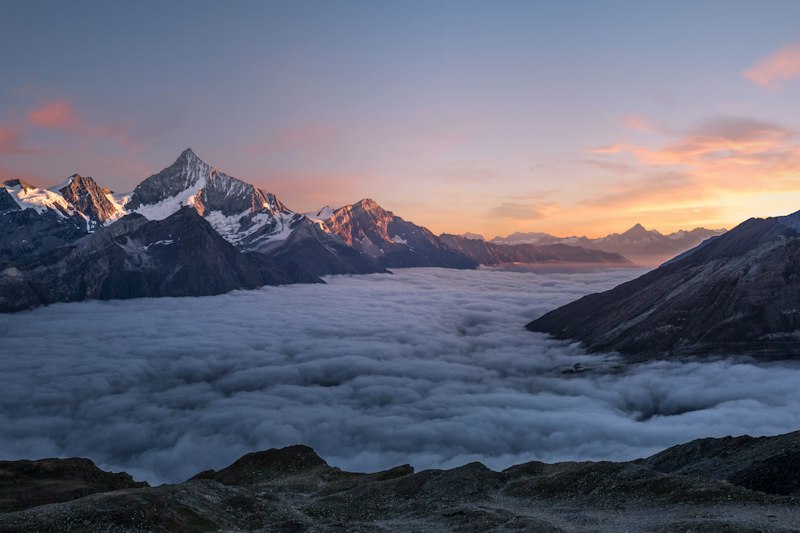
Brunello di Montalcino is not a wine you simply “drink.” It is a dialogue with a landscape. With hills that float in mist at dawn. With avenues of cypress trees that pierce the sky like exclamation marks. With soils that were an ocean millions of years ago and today write character into grapes.
Anyone who has consciously experienced it once carries this desire for return within: the urge to go back to this small corner of southern Tuscany – in the glass or on the dusty little roads around Montalcino.
---
The Unmistakable Terroir and Climate
#### The Soil: Where Limestone, Clay and Galestro Become Voices
Brunello di Montalcino is a monologue of the grape variety, but a chorus of the soil. The hills around Montalcino lie at around 120 to 650 meters above sea level, and every meter of altitude changes the language of the terroir.
- Galestro & Alberese:
These brittle, limestone-rich shale and sandstone soils give the wines finesse, salty tension and an almost crystalline clarity. This is where the more elegant, vertical Brunelli are born, with taut acidity and delicate tannin.
- Clay and loam soils:
In lower-lying areas, heavier soils with higher water storage capacity dominate. They bring richness, density and more structure. The wines seem darker, more opulent, with powerful body and riper fruit.
- Fossils & marine influences in the rock:
The geological legacy of an ancient sea is stored in the minerality of many Brunelli. It’s that subtle salty note, that fine, chalky vibration on the palate that makes the great wines of Montalcino so distinctive.
Every estate is a mosaic: parcels of different soils, exposures and altitudes, carefully separated, selected, assembled. Brunello di Montalcino is always a composition of terroir as well.
#### The Climate: Sun, Winds and the Silent Cool of Night
Montalcino lies south of Siena – noticeably more Mediterranean than Chianti, but cooled by altitude and winds.
- Warm, dry summers:
The sun is generous. Grapes ripen reliably, tannins become ripe, the fruit intense. This explains the power and depth of Brunello.
- Cool nights thanks to altitude & winds:
Cooler air flows from the Apennines, while sea breezes from the nearby Tyrrhenian coast have a moderating effect. These day–night temperature differences preserve acidity, freshness and aromatic complexity – the backbone of great aging potential.
- Relatively low rainfall:
Drier conditions result in lower yields and concentrated berries. In more stressful years, experience in the vineyard and precise timing are crucial to maintain balance.
This field of tension – Mediterranean ripeness and almost continental freshness – is the key character of Brunello’s terroir. A climate that pushes Sangiovese to the edge of its elegant, long-lived potential.
---
The Grape Varieties: The Heart of the Region
There are no games in Brunello di Montalcino. No blends, no supporting varieties. Here, one grape stands alone in the spotlight: Sangiovese, locally called “Brunello.”
- 100% Sangiovese Grosso:
For Brunello di Montalcino DOCG only this clone is permitted. It produces thick-skinned berries with especially fine-grained but abundant tannin.
- Characteristics of the variety in Montalcino:
- intense red fruit (cherry, sour cherry, red plum)
- pronounced acidity – lively, taut, never random
- complex tertiary aromas with age: leather, tobacco, forest floor, truffle, balsamic notes
- tannin structure that can show both power and silkiness
Alongside it there is Rosso di Montalcino DOC, also 100% Sangiovese, but younger, more accessible, ready to drink earlier. An ideal introduction to the region’s style – the little brother of Brunello, with the same soul but less seriousness.
---
History & Tradition
As early as the 14th century, Montalcino appears in chronicles as a winegrowing area. But the actual myth of Brunello begins in the 19th century.
- The pioneers of Brunello:
In the mid-19th century, Clemente Santi, and later his grandson Ferruccio Biondi-Santi, experimented with a particularly high-quality selection of Sangiovese, which they called “Brunello.” Through long cask aging and careful vinification, they created a wine that could compete with the best European growths.
- From insider tip to legend:
Until the 1960s, Brunello di Montalcino was a niche product from a few producers. With the award of DOC status in 1966 and the prestigious DOCG in 1980, a meteoric rise began. International critics, auctions and collectors discovered the longevity and depth of these wines.
- Modernity & tradition:
The 1990s brought barriques, shorter maceration times, more modern cellar technology. A duel between tradition and modernity: large botti of Slavonian oak vs. small barriques. Today the picture is more nuanced – many leading wineries seek synthesis: precise fruit, elegant tannins, but without having the grape variety overwhelmed by oak.
Brunello di Montalcino now stands on a level with the greatest red wines of the world – and yet remains deeply Tuscan, rooted in its hilly landscape, in small family estates and generational knowledge.
---
Enjoyment & Perfect Pairings
#### Sensory Description: When Time Becomes Layers of Aroma
A classic Brunello di Montalcino presents itself – depending on age – in several fascinating phases:
- In youth (approx. 5–10 years):
- Color: dense ruby red, with a slightly garnet rim
- Nose: ripe cherries, sour cherry, red plum, violets, red berries, a hint of liquorice and fresh herbs
- Palate: powerful but focused; present tannins, brilliant acidity, lots of energy, still edgy but impressive
- In maturity (10–20+ years):
- Nose: dried cherries, black cherry, dried rose petals, tobacco, leather, forest floor, mushrooms, truffle, balsamic notes, often a hint of orange zest and tar
- Palate: polished tannins, almost silky texture, a long, multi-layered finish in which fruit, spice and earth intertwine
Great Brunelli are not loud wines. They speak with depth, not volume. Every minute in the glass opens a new perspective: more forest, more truffle, more tobacco, more humanity.
Serving temperature: 16–18 °C, not too warm, to preserve freshness.
Decanting: Mature Brunelli 1–2 hours, young top vintages 2–4 hours.
#### Food Pairing: When Kitchen and Cellar Embrace
Brunello di Montalcino is a wine for the grand table, for dishes that require time and attention.
- Classic pairings:
- Bistecca alla Fiorentina (dry-aged beef, grilled on the bone)
- Game dishes: roe deer, venison, wild boar ragout (cinghiale), hare pappardelle
- Leg of lamb with herbs and garlic
- Ossobuco, pot roast, slow-braised beef cheeks
- More refined, elegant pairings:
- Poultry with truffle jus
- Porcini mushroom ragout, risotto ai funghi porcini
- Aged hard cheeses: Pecorino Toscano, well-aged Parmigiano Reggiano
- Tagliatelle with wild duck or rabbit
The rule is simple: Brunello loves depth, umami and protein. Wherever roasted aromas, braising and concentration appear, it blossoms. And it rewards those who understand it as a companion to a meal, not as a soloist on the side.
---
FAQ – The 10 Most Important Questions About Brunello di Montalcino
1. What makes Brunello di Montalcino wines so special?
Brunello di Montalcino combines concentrated Sangiovese fruit, taut acidity, distinctive tannins and great longevity. The unique terroir – limestone-rich soils, Mediterranean climate with cool nights – creates wines that are powerful, elegant and complex at the same time. It is one of the few red wines in the world that can show greatness over decades.
2. Which grape varieties dominate in Brunello di Montalcino?
Officially only one: 100% Sangiovese (locally Brunello). Blending is not allowed for Brunello di Montalcino DOCG. Rosso di Montalcino DOC is also pure Sangiovese.
3. What does a typical Brunello di Montalcino wine taste like?
It shows ripe red fruits (cherry, sour cherry, red plum) and, with age, dried fruits, tobacco, leather, forest floor, truffle and balsamic notes. On the palate it is structured, with lively acidity, marked but fine-grained tannin and a very long, complex finish.
4. How long should Brunello di Montalcino wines be cellared?
By law they already require long aging (at least 4 years, of which at least 2 in wood; Riserva at least 5 years). Good Brunelli show their potential from about 8–10 years and – in great vintages and from top estates – can age for 20, 30 or more years. Rosso di Montalcino is ready earlier, usually within 3–8 years.
5. Which dishes pair well with Brunello di Montalcino wines?
Hearty meat dishes, braises and game are ideal partners: bistecca, wild boar, lamb, braised beef. Also truffle dishes, mushroom risottos and aged hard cheeses. Structure and depth are important so the dish can stand up to the wine.
6. What is special about the terroir of Brunello di Montalcino?
The combination of limestone-rich galestro and alberese soils, clay zones, the warm Mediterranean-influenced climate and elevations up to 650 m creates very different microclimates. This diversity allows Sangiovese to express itself with unusual precision: ripe but fresh; powerful but never heavy.
7. Which wineries in Brunello di Montalcino are particularly recommended?
Among the renowned names are, among others, Biondi-Santi, Il Poggione, Casanova di Neri, Poggio di Sotto, Soldera (Case Basse), Altesino, Le Chiuse, Salvioni, Fuligni, Caparzo, Valdicava, Canalicchio di Sopra, Talenti. There are also many exciting smaller, biodynamic or artisanal estates that offer individual interpretations of the terroir.
8. How much does a good Brunello di Montalcino wine cost?
Entry-level Brunelli from serious producers are usually around 40–60 euros ex-cellar/retail. Renowned estates, top sites and Riservas quickly move into three-digit territory. Icons and rarities reach significantly higher prices, especially for mature vintages at auctions.
9. When is the best time to visit Brunello di Montalcino?
Spring (April–June) and autumn (September–October) are ideal: mild temperatures, clear views, vineyards in blossom or glowing autumn colors. Harvest time (September/October) is magical but busy – timely appointments with wineries are essential then.
10. What are the alternatives to Brunello di Montalcino wines?
If you love the character but are looking for different price or style options, consider:
- Rosso di Montalcino DOC – the younger, more accessible brother
- Vino Nobile di Montepulciano DOCG – similarly Tuscan Sangiovese soul, usually a bit softer
- Chianti Classico (Riserva/Gran Selezione) – taut Sangiovese with a different terroir signature
- international alternatives with structure & ageability such as Barolo, Barbaresco or Rioja Gran Reserva
---
Conclusion: A Wine That Touches the Soul
Brunello di Montalcino is more than an appellation. It is a commitment: to patience, to attentiveness, to appreciation of origin. In a world that is moving ever faster, it asks us to slow down – for a glass, an evening, a bottle.
When you open a great Brunello, you don’t just open a wine, you open a chapter of landscape. The sunsets over the hills, the chirping of cicadas, the scent of dry grass and warm stone – all of this is contained in that long, lingering sip.
Perhaps that is precisely what makes Brunello di Montalcino so desirable: it offers not just pleasure, but the feeling of being in another place. A place where time flows differently, more quietly, more deeply. A place you want to return to again and again – in your heart, in your glass, in the next vintage.
And so, in the end, Brunello di Montalcino remains above all one thing: a wine that touches not only the palate, but the soul.