Langhe – Where Fog, Hills, and Time Turn into Wine
Discover Langhe.
Langhe – Where Fog, Hills, and Time Turn into Wine
Meta description: Langhe – magical hills, fog, and great wines. Discover terroir, grape varieties, food pairings & insider tips for wine lovers.
Keywords: Langhe, Langhe wines, Langhe Nebbiolo, Barolo, Barbaresco, Piedmont wine, Langhe wine region, Italian red wine, terroir, Piedmont travel
---
Introduction: The First Sip of Eternity
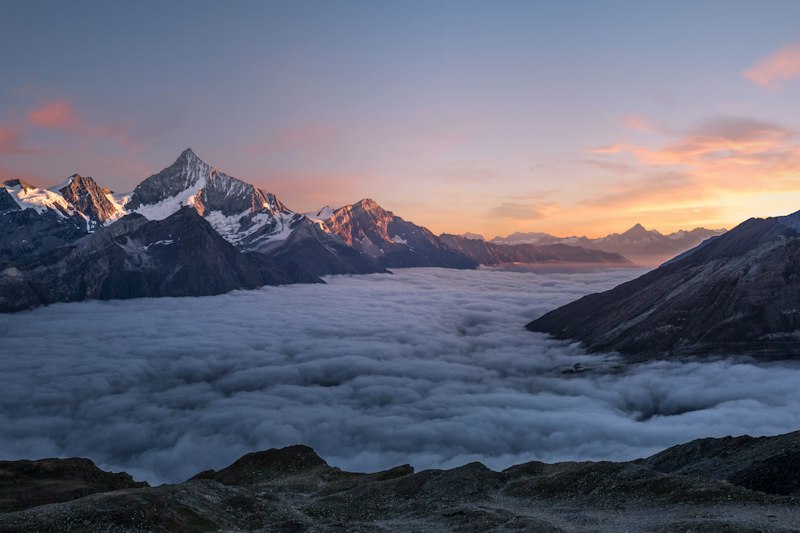
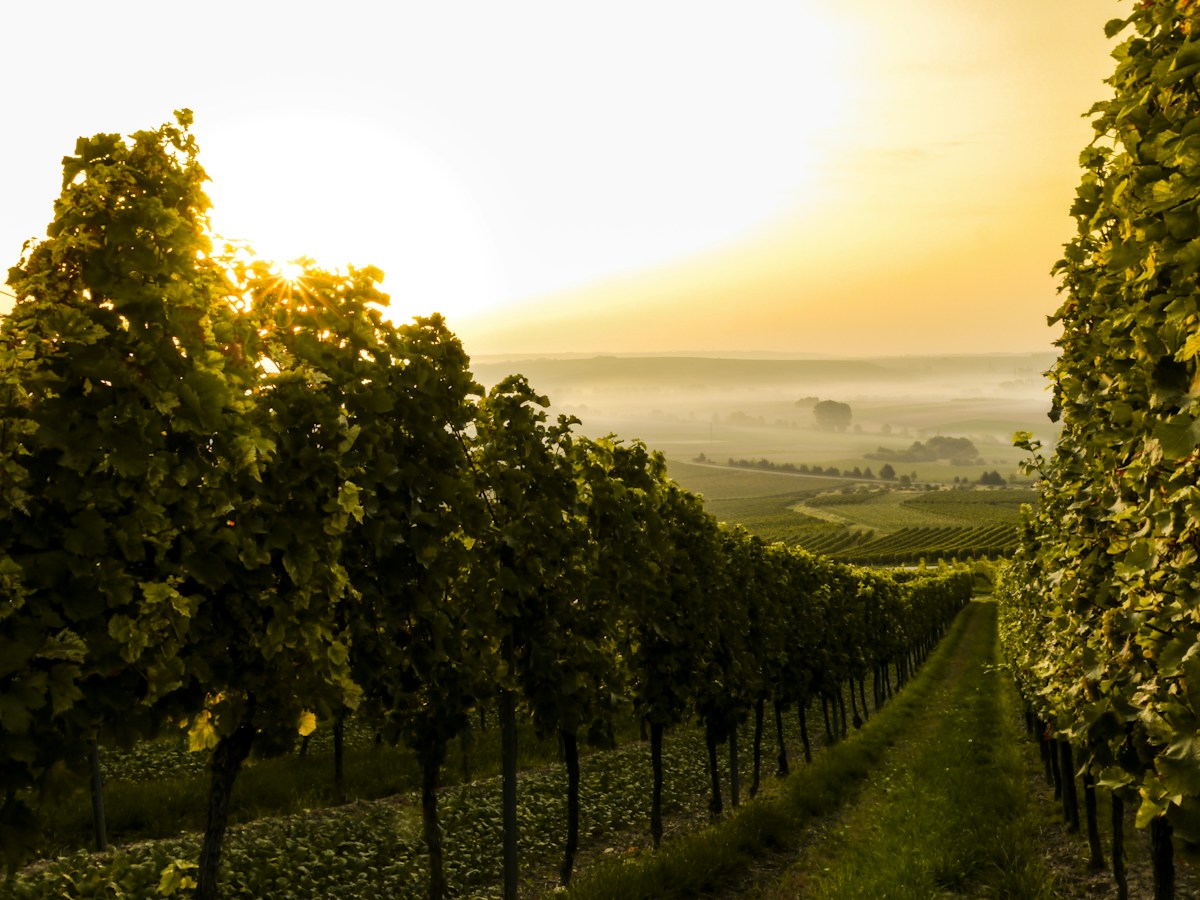
In the early morning, a gentle mist lies over the hills. The vine rows roll like green waves towards the horizon, above them the silhouettes of medieval villages, church towers, castles. In the distance, the snow-covered peaks of the Alps trace the sky – silent witnesses to a landscape that has been breathing wine for centuries.
This is the Langhe. Not a mere place, but a promise: of depth, elegance, and that quiet melancholy that only great wines can awaken in us. Whoever raises a glass here – be it an ethereal Langhe Nebbiolo, a powerful Barolo, a beguiling Barbaresco, or a fragrant Arneis – tastes more than grapes: they taste history, patience, and an almost obsessive devotion to terroir.
Langhe is not simply a wine region. Langhe is a feeling. And every sip feels like a first, reverent kiss with eternity.
---
The Unmistakable Terroir and Climate
#### The Soil: Fossil Heritage Beneath the Vines
The Langhe is a geological poem. Where vineyards draw perfect contours over the slopes today, there was once a primeval sea. What remains are marine fossils, seashells, veins of limestone, and layers of fine sediments that lend the wines their unmistakable signature.
In the Langhe, the following dominate:
- Calcareous marl soils (Marne calcaree)
This mix of clay, lime, and sand is the heart of the great red wines.
They bring:
- Nebbiolo with a taut yet fine-grained tannin structure
- pronounced minerality
- clear, precise acidity
- breathtaking aging potential
- Sandy components
Especially in parts of Barbaresco and the “softer” zones of the Langhe.
They provide:
- more approachable, earlier-drinking Nebbiolo wines
- slightly gentler tannins
- more floral, open aromatics
- Clay and loam soils
This is where Dolcetto and Barbera feel at home.
They bring:
- dark-fruited, juicy wines
- marked fullness and density
- often less stringent tannins, with more immediate drinking pleasure
This patchwork mosaic of soils, exposures, and altitudes – often only a few meters apart – makes the topic of cru in the Langhe so essential. One hill, one slope, one parcel – and the character of the wine changes noticeably.
#### The Climate: Fog, Sun, and Alpine Coolness
The word “Nebbiolo” is often linked to the Italian “nebbia” – fog. And indeed: the autumn mists that settle over the valleys in the morning and gently envelop the vines are part of the Langhe’s identity.
The climate can be described as continental with distinct alpine influences:
- Warm, sunny summers
The vines enjoy long ripening periods; the grapes achieve aromatic depth and phenolic ripeness.
- Cool nights, especially in autumn
The large diurnal temperature range preserves acidity, sharpens aromatics, and brings the freshness that makes Langhe wines so lively and precise.
- Autumn fog and a long growing season
These allow Nebbiolo to ripen very late and slowly – the basis for its complex, nuanced style.
- Protective Alpine chain
The Alps in the background act like a natural barrier that often buffers extreme weather influences. The result is wines that combine strength with finesse.
Terroir in the Langhe is not a marketing term but lived reality – you can taste every slope, every breeze, every layer of ancient seabed in the glass.
---
The Grape Varieties: The Heart of the Region
The soul of the Langhe is red, but it whispers in white as well.
Nebbiolo – the Queen of the Hills
Nebbiolo is the grape that made Barolo and Barbaresco world-famous. In the broader Langhe Nebbiolo appellation it is often somewhat more accessible early on, but by no means less characterful:
- Aromatics: red cherry, sour cherry, violets, rose petals, tar, licorice, dried herbs, truffle, tobacco, leather with age
- Structure: high tannins, lively acidity, remarkable length
- Style: from filigree and ethereal to deep and powerful, depending on cru and maturation
Barbera – the Sensual Seductress
Barbera d’Alba and Barbera d’Asti are long-established icons. In the Langhe, Barbera brings:
- violet fruits, black cherries, plum
- juicy, vibrant acidity
- rather soft tannins
- often a touch of chocolate, spices and, with barrel aging, vanilla and roasted notes
It’s the grape you open when you don’t want to wait – and still want sophistication.
Dolcetto – the Underrated Charmer
Dolcetto does not mean “sweet,” but “little sweet one” – an allusion to its fruity impression:
- dark berry fruit, blueberries, black cherry, sometimes almonds
- moderate acidity, present but rounded tannins
- ideal for everyday enjoyment, often without oak, very authentic and approachable
The Whites of the Langhe: Arneis, Favorita & More
The Langhe is not only red wine country – in whites it shines with:
- Arneis: pear, white blossoms, fine herbal spice, subtle creaminess, elegant freshness
- Favorita (Vermentino): citrusy, salty-mineral, Mediterranean charm
- Chardonnay & Sauvignon Blanc: in the Langhe DOC appellation often expressive, terroir-driven interpretations with a Piedmontese signature
---
History & Tradition
The Langhe is deeply rooted in Piedmont, in a culture marked by rural rigor, noble estates, and a quiet, almost introverted grandeur.
- Ancient roots: The Romans already knew the value of these hills. Finds document early viticulture, even if today’s styles emerged much later.
- Middle Ages & nobility: Castles, towers, and fortified villages bear witness to a region that has always been contested yet rich in resources – including wine.
- 19th century – the birth of “modern” Nebbiolo:
Pioneers like Camillo Benso di Cavour and oenologists from Burgundy shaped a new style – dry, ageworthy red wines instead of sweet everyday wines.
- 20th century – crises and rebirth:
Phylloxera, wars, poverty – many growers left the hills. But the persistence of some family wineries kept the spark alive. From the 1960s onward, a rise in quality began, culminating in the 1980s in the famous dispute between traditionalists (long barrel aging, large casks) and modernists (barriques, shorter macerations, more fruit).
- Today – UNESCO World Heritage and global icon:
The wine landscapes of the Langhe are UNESCO World Heritage. The region stands for a synthesis of tradition and innovation, with origin, sustainability, and precision at the center.
Every bottle from the Langhe is also a tribute to families who have worked the same slopes for generations.
---
Enjoyment & Perfect Pairings
#### Sensory Description: When Wine Becomes Music
A Langhe Nebbiolo in the glass is like a musical score full of subtleties:
- On the nose: red cherry, rosehip, violets, roses, a touch of truffle, a hint of undergrowth and spicy notes of pepper, licorice, or tobacco.
- On the palate: fine-knit yet noticeable tannins, a vibrating acidity that carries everything, and a finish that lingers. The wines often feel transparent, never heavy, despite inner density.
Barbera sings a different melody:
- On the nose: ripe dark fruits, plum, blackberry, spices, sometimes a hint of cocoa, especially with oak aging.
- On the palate: powerful, juicy acidity, smooth tannins, a wine that leads straight to the next sip.
Dolcetto is the familiar friend:
- On the nose: dark berries, cherries, violets, occasionally almond and licorice.
- On the palate: velvety, fruit-driven, uncomplicated but never trivial.
The white Langhe wines – above all Arneis – combine:
- Scents of pear, white blossoms, almonds, and fresh herbs
- clear freshness, subtle creaminess, precise minerality
#### Food Pairing: Culinary Love Stories
The cuisine of the Langhe is among Italy’s finest and seems tailor-made for its wines:
- Langhe Nebbiolo & Barolo/Barbaresco
- Tajarin (fine Piedmontese egg noodles) with butter and Alba truffle
- Brasato al Barolo (beef brisket braised in red wine)
- Game dishes, lamb, braised veal cheeks
- Aged cheeses such as Castelmagno or mature cow’s milk cheeses
- Barbera
- Vitello tonnato
- Braised or grilled meat dishes
- Pizza with high-quality toppings (salsiccia, porcini)
- Pasta with rich tomato sauce or ragù
- Dolcetto
- Antipasti misti: cured meats, cheese, pickled vegetables
- Tagliatelle with ragù, pinsa, hearty casseroles
- Simple but high-quality everyday cooking
- Arneis & white Langhe wines
- Vitello tonnato (especially refined with Arneis)
- Crudo di pesce, ceviche, scallops
- Burrata, goat cheese, fresh vegetable dishes
- Herb or citrus-accented risotto
Langhe wines are not just companions – they elevate dishes to another dimension without ever being loud.
---
FAQ – The 10 Most Important Questions About Langhe
1. What makes Langhe wines so special?
The combination of calcareous marl soils, alpine influence, long ripening periods, and indigenous varieties like Nebbiolo creates wines with impressive depth, tension, and elegance. They are both powerful and refined – a rare symbiosis.
2. Which grape varieties dominate in the Langhe?
Above all Nebbiolo, Barbera, and Dolcetto for reds, and Arneis, Favorita, Chardonnay, and Sauvignon Blanc for whites. Nebbiolo is the iconic grape of the region.
3. What does a typical Langhe wine taste like?
A typical Langhe Nebbiolo shows red cherry, violets, roses, lively acidity, and pronounced yet fine tannins. Barbera is fruitier and juicier, Dolcetto darker and softer, Arneis fresh, fragrant, and slightly nutty.
4. How long should you age Langhe wines?
- Langhe Nebbiolo: 5–10 years, top examples even longer
- Barolo/Barbaresco: 10–25 years, depending on vintage and producer
- Barbera: usually 3–8 years
- Dolcetto: best enjoyed young, 2–5 years
- White Langhe wines: 2–5 years, some high-quality Chardonnays longer
5. Which foods pair well with Langhe wines?
Nebbiolo loves truffle dishes, braised meats, and aged cheeses. Barbera pairs excellently with tomato sauces, pizza, pasta, and grilled meats. Dolcetto suits antipasti and everyday dishes, Arneis pairs with fish, white meat, vitello tonnato, and vegetable dishes.
6. What is special about the terroir of the Langhe?
Calcareous, fossil-rich marl soils from a former primordial sea, strong differences in altitude, varied exposures, alpine coolness, and autumn fog create a finely graded mosaic of microclimates. This terroir is clearly expressed in the character of the wines.
7. Which wineries in the Langhe are particularly recommended?
There are numerous outstanding estates, from traditional family wineries to modern quality icons. Especially exciting are producers who vinify their sites separately and emphasize terroir and authenticity. A visit to smaller family operations is often just as rewarding as one to the big names.
8. How much does a good Langhe wine cost?
- Langhe Nebbiolo: very good quality often starts around 15–25 euros
- Barolo/Barbaresco: recommended bottles usually from 30–40 euros, top wines significantly higher
- Barbera & Dolcetto: solid quality from about 10–15 euros
- Arneis & white Langhe wines: often between 12 and 25 euros
9. When is the best time to visit the Langhe?
The most magical times are autumn (September–November) – when the grapes are harvested and the air smells of must and truffle – and spring (April–June), when the hills glow in fresh green and temperatures are mild.
10. What are good alternatives to Langhe wines?
If you love the style, you’ll find alternatives in other Nebbiolo regions such as Roero, Gattinara, Ghemme, or Valtellina. For structurally similar but differently styled wines, consider Sangiovese from Tuscany, Pinot Noir from Burgundy, or cool-climate Syrah regions.
---
Conclusion: A Wine That Touches the Soul
Langhe is more than an appellation on a label. It is a landscape painting of hills, fog, and vine rows; a whisper of centuries in every glass; a dialogue between soil, climate, and human hand.
Anyone who immerses themselves in Langhe wines discovers more than aromas and scores. You discover an inner calm, a quiet strength, a deep melancholy mingling with joy – that emotion that only great wines evoke: the longing to return.
Perhaps one day you will sit in a small ristorante in the hills of Barbaresco, a glass of Langhe Nebbiolo before you, the scent of truffle in the air. And in that moment you will understand: the Langhe is not a place you simply visit. It is a piece of eternity you drink.
And the desire for the next sip never quite fades.