Veneto – Where Misty Vines, Sea Breeze and Sunlight Turn into Wine Poetry
Discover the fascinating wine region Venetien in Italien. History, terroir, grape varieties and the best wines.
Veneto – Where Misty Vines, Sea Breeze and Sunlight Turn into Wine Poetry
Meta description: Veneto seduces with Amarone, Valpolicella, Soave & Prosecco. Discover the magic of this Italian wine region between the Alps and the Adriatic.
---
Introduction: A Sip of Light over the Lagoon
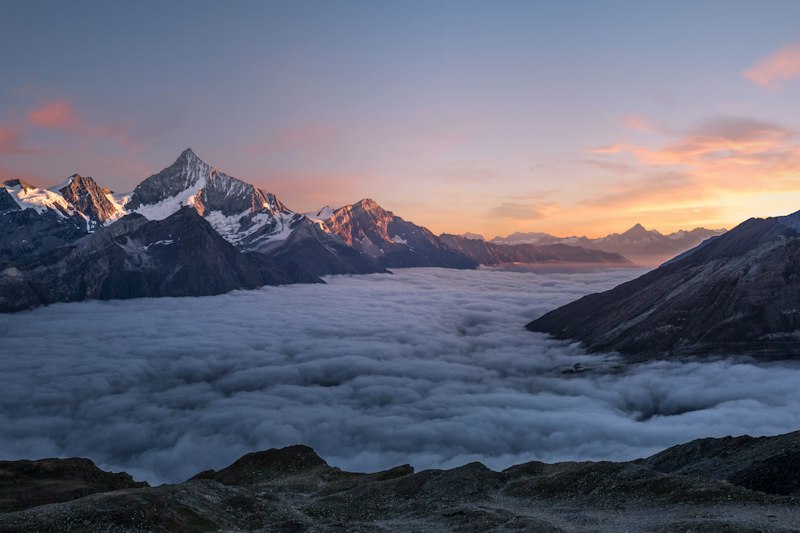
It is early evening in Veneto. The sun is slowly sinking behind the soft hills of Valpolicella, while in the distance the Venetian lagoon shimmers in the last golden light of dusk. A gentle breeze rustles through the vines, carrying the scent of herbs, wet earth and dried grapes. In a historic courtyard you sit at a heavy wooden table, a glass of Amarone in front of you – dark, dense, almost secretive. One first sip – and suddenly it’s all there: warmth, depth, history.
Veneto is not a wine region you simply “visit”. Veneto is a wine region you experience. Between alpine breezes and Mediterranean softness, between Lake Garda and the Adriatic, between Verona, Venice and the quiet hills of Soave, wines are born that are more than just something to drink – they are stories, of soils, people, traditions and dreams.
This region in northeastern Italy is the stage for some of the country’s most famous appellations: Valpolicella, Amarone della Valpolicella, Recioto, Soave, Bardolino, Lugana, Prosecco (Conegliano–Valdobbiadene, Asolo) and, last but not least, the elegant reds of Colli Berici and Colli Euganei. Veneto is diversity – and yet profoundly itself. Anyone who opens up to the wines of Veneto will suddenly feel just how close pleasure and emotion can be.
---
The Terroir: Soil and Climate
The magic of Veneto’s wines begins with its terroir – in a landscape that seems tailor-made to give rise to great wines.
In the west, the vines are mirrored in the light of Lake Garda, which acts like a vast heat reservoir. Its moderating influence ensures gentle temperature swings and extended growing seasons. Around Bardolino and Lugana this creates wines with an alluring balance of freshness and ripeness.
Northwest of Verona, the hills of Valpolicella rise. Here you encounter a fascinating mosaic landscape: limestone and marl alternate with volcanic outcrops and gravel terraces. In the historic marogne, dry-stone walls store the sun’s warmth during the day and release it at night – a blessing for the Corvina, Corvinone and Rondinella vines that will later become the lifeblood of Valpolicella and Amarone.
Further east, in Soave, volcanic basalt dominates, shot through with limestone and tuff. These soils gift the Garganega grape its characteristic minerality, that saline freshness, that fine, almost smoky tension that makes great Soave so unmistakable.
Around Conegliano and Valdobbiadene – the heartland of high-quality Prosecco – vineyards climb steeply up the hillsides. The soils are rich in marl, sandstone and limestone; the climate is cooled by winds from the pre-Alps, while the Adriatic provides moisture and mild winters. These contrasts allow the Glera grape to shine aromatically without losing its elegance.
Veneto’s climate is a constant interplay of continental, alpine and maritime influences. Warm days, nights cooled by katabatic winds from the mountains; dry summers, yet no extreme drought; sufficient rainfall, but in many sites well-drained, stony soils – all of this yields grapes with high aromatic concentration, fine acidity and remarkable longevity.
---
The Grape Varieties
Veneto is a paradise of indigenous grapes, complemented by a few international classics.
Corvina & Corvinone
The queens of Valpolicella. Corvina brings red fruit, cherry, sour cherry, floral notes and vibrant acidity. Corvinone adds structure, spice and volume. In combination – and often supported by Rondinella and a touch of Molinara – they become Valpolicella, Ripasso and Amarone della Valpolicella.
Garganega
The soul of Soave. A variety of quiet restraint that at first glance seems almost shy – until, in the glass, a complexity unfolds that ranges from white blossoms and almond to citrus zest, herbs and wet stone. Garganega loves volcanic soils and, in good sites, shows impressive potential for ripeness and ageing.
Glera
The grape behind Prosecco. Delicate and fragrant, with notes of green apple, pear, white flowers and a touch of citrus. Properly vinified – especially on the steep hills of Conegliano–Valdobbiadene – Glera reveals an astonishing spectrum, from playful lightness to serious, mineral elegance.
Trebbiano di Lugana (Turbiana)
At home on the southern shores of Lake Garda, this variety forms the backbone of Lugana wines: delicate, floral, saline-mineral, with a fine, driving acidity that calls to mind great white wines from more northerly regions.
International varieties
Merlot, Cabernet Sauvignon, Cabernet Franc and even Carmenère – international grapes have long claimed their place in Veneto, particularly in Colli Berici and Colli Euganei. Yet even here they bear the unmistakable signature of the terroir: more freshness, more spice, less over-extraction, more finesse.
---
History and Tradition
The wine history of Veneto is as old as the Roman roads that criss-cross the region. Wine was already being produced here in antiquity; amphorae from Veneto travelled as far as northern Europe. The Republic of Venice, once one of the world’s great trading powers, helped ensure that wines from the hinterland were exported early to other regions – an advantage that benefited the reputation of Soave and Valpolicella as early as the Middle Ages.
Particularly fascinating is the tradition of appassimento – drying grapes on racks or in well-ventilated lofts. From this method the legendary Amarone della Valpolicella was born: originally a “accidentally fermented dry” counterpart to sweet Recioto, Amarone grew from curiosity to cult wine. Today it stands, perhaps more than any other wine, for Veneto’s expressiveness, depth and warmth.
The wine landscapes of Conegliano–Valdobbiadene have been a UNESCO World Heritage Site for several years now. This recognition is not only architectural and scenic, but also honours historic winegrowing know-how, terraced vineyards and the manual work on steep slopes where machines hardly stand a chance.
In Veneto you meet winegrowers whose family histories stretch back over many generations – and also young, ambitious producers who weave together tradition, modern cellar technology and a finely tuned sense of origin. Organic and biodynamic farming is increasingly present, bringing new clarity and precision to many Veneto wines.
---
Typical Style and Aromas
Stylistically, Veneto is a kaleidoscope – and yet a common thread runs through it: clarity of fruit, harmonious acidity, medium to ample structure and a delicate interplay of freshness and spice.
Valpolicella & Ripasso
In the glass you often see bright ruby and aromas of cherry, sour cherry, red berries, sometimes violets, plus a subtle herbal spice. A Valpolicella Classico is light-footed, juicy, animating. Ripasso – the “little brother of Amarone”, re-fermented on Amarone pomace – comes across denser, darker, with notes of dried fruit, a hint of chocolate, tobacco and a soft, warm texture.
Amarone della Valpolicella
Here Veneto reaches its most opulent expression. Deep ruby to garnet, complex aromas of cherries, dried plums, figs, dates, dark chocolate, coffee, liquorice, spices, sometimes leather and tobacco. Despite all this richness, great Amarone is never clumsy: it lives on balance, noble bitterness, finely etched acidity and an astonishingly velvety tannin structure.
Soave
On the nose, subtle citrus notes, white flowers, chamomile, almond, light herbal nuances, often a salty, mineral tension. On the palate, dry, fresh, fine, with medium body and an elegant structure carried by volcanic soils. Good Soave Classico and single-vineyard bottlings gain depth with a few years in bottle – honey, wax and nutty notes then join the chorus.
Lugana
Typically pale yellow with greenish highlights, it offers aromas of white blossoms, citrus, stone fruit and a hint of almond. On the palate it is taut, juicy, with fine, persistent acidity and a slightly saline finish – like a breeze drifting in from the lake.
Prosecco (Conegliano–Valdobbiadene, Asolo)
Fine, elegant mousse, delicate aromas of apple, pear, peach, lemon, elderflower. Vinified dry to off-dry, but always with a focus on freshness and lightness. In the top “Rive” sites and in Cartizze you find Prosecco with surprising depth, complexity and a mineral backbone.
---
Food Pairing
The wines of Veneto seem tailor-made to accompany the region’s cuisine – and far beyond.
Valpolicella & Ripasso
Valpolicella Classico pairs beautifully with antipasti, prosciutto crudo, salami, grilled vegetables and light pasta dishes. Ripasso has more body and is ideal with ossobuco, braised meats, aged cheeses and rich ragù.
Amarone della Valpolicella
A wine for big moments and dark, intense flavours: game, venison ragout, braised beef cheeks, risotto all’Amarone, truffle pasta, old, crystalline cheeses (Monte Veronese, mature Grana Padano, Parmigiano Reggiano). Amarone is also a contemplative soloist – a fireplace, a good book and a glass are often all you need.
Soave & Lugana
Soave is a dream partner for risotto allo zafferano, seafood risotto, grilled fish, scallops, vitello tonnato and goat’s cheese. Lugana comes into its own with freshwater fish from Lake Garda, pasta with fish and lemon, sushi or light vegetable dishes.
Prosecco
Perfect as an aperitif: olives, crostini, fritto misto, polenta bites, baccalà mantecato, but also light starters with fish, vegetable tempura or fresh summer salads. Prosecco from top sites with more structure can even accompany fine Asian cuisine with gentle heat – the fruit and the sparkle act like an aromatic amplifier.
In Veneto itself you frequently encounter polenta in all its variations, dishes with Radicchio di Treviso, risotti and homemade pasta – all of which find their most natural partners in the region’s wines.
---
FAQ – Frequently Asked Questions
1. What makes Veneto wines special?
The unique combination of alpine, continental and maritime influences, diverse soils (volcanic, calcareous, gravelly) and a rich tradition – from appassimento to Prosecco – creates wines with huge range, clear sense of origin and emotional depth.
2. Which grape varieties dominate in Veneto?
For reds, above all Corvina, Corvinone, Rondinella and Molinara (Valpolicella, Amarone). Among the whites, Garganega (Soave), Glera (Prosecco) and Turbiana/Trebbiano di Lugana take centre stage, supported by some international varieties such as Merlot and Cabernet.
3. How long should Veneto wines be aged?
Fresh Valpolicella, Soave, Lugana and Prosecco are best enjoyed within 2–5 years. High-quality Soave Classico and Lugana from top sites age well for 5–10 years. Good Ripasso keeps for 8–12 years. Amarone della Valpolicella from great vintages can gain in the bottle for 15–25 years or even longer.
4. Which dishes pair well with Veneto wines?
Lighter Veneto wines go well with antipasti, fish, pasta and risotto. More powerful reds such as Ripasso and Amarone are ideal with braised dishes, game, truffles and aged cheese. Prosecco is perfect as an aperitif and with light, fresh dishes, while Soave and Lugana are outstanding companions for fish and seafood.
5. What is the best season to visit Veneto?
Spring and autumn are ideal: mild temperatures, fewer tourists and an especially evocative atmosphere in the vineyards. Harvest time in autumn – with fragrant grapes, full cellars and buzzing wineries – is an unforgettable experience for wine lovers.
---
Conclusion
Veneto is an invitation – not just to drink, but to feel. Between the quiet hills of Valpolicella, the radiant white wine gardens of Soave, the shimmering shores of Lake Garda and the steep Prosecco slopes, a wine world unfolds in which tradition and modernity, depth and lightness, opulence and finesse are held in perfect balance.
A glass of Veneto wine always contains a piece of this landscape: the echo of alpine winds, the warmth of the Italian sun, the fine salt veil of the Adriatic, the stories of people who have tended vines and made wine with devotion for generations.
Let yourself be seduced by Veneto. Open a bottle of Amarone for special evenings, enjoy a glass of Soave with fresh fish, raise a toast with an elegant Prosecco to the moment – and, if you can, travel to the region itself. Stroll through the vineyards, taste at the estates, breathe the air, smell the soil.
In the end, Veneto is more than a wine region. It is a feeling – and perhaps the next bottle is already waiting to share it with you.