Barbaresco – Where Fog Turns to Wine and Time Smells of Roses
Discover Barbaresco.
Barbaresco – Where Fog Turns to Wine and Time Smells of Roses
Meta description: Barbaresco – elegant Nebbiolo from Piedmont. Discover the terroir, history, aromas & food pairings of this great Italian wine.
Keywords: Barbaresco, Nebbiolo, Piedmont, Italian red wine, Barbaresco DOCG, Langhe, terroir, cru sites, food pairing, Italian wine region
---
Introduction: The First Sip of Eternity
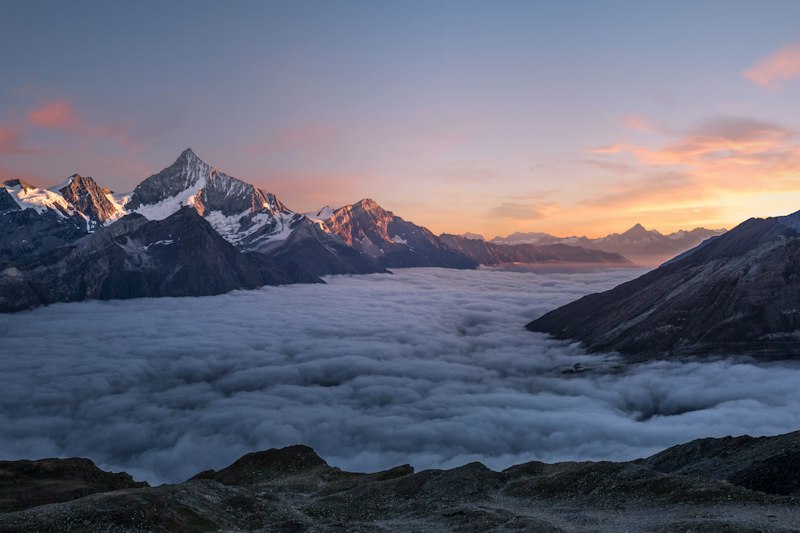
Imagine this: a cool morning in Piedmont. The fog feels its way like silk over the hills of the Langhe, only the highest rows of vines already stretching into the first, tentative light. Bells ringing from a nearby village, the distant rattle of a tractor – and above it all the scent of damp earth, truffle, wet stone. This is Barbaresco.
A glass is poured. The color: transparent, radiant garnet – not a massive block, but a window. You raise it to your nose and the world around you slows down: dried roses, violets, red cherries, a hint of tar, tobacco leaves, a suggestion of truffle. Then the first sip – and everything you thought you knew about “power” in wine has to be rewritten.
Barbaresco is not a wine you drink. It is a wine you experience. A quiet yet insistent dialogue between vine, fog, and time. Once you truly understand it, you carry a longing for these hills within you for the rest of your life.
---
The Distinctive Terroir and Climate
#### The Soil: Limestone, Marl, and the Silent Influence of the Sea
Barbaresco lies in the heart of the Langhe, east of Alba, in the communes of Barbaresco, Neive, Treiso, and a small part of San Rocco Seno d’Elvio. What grows from the ground here is the result of a long geological love story.
The soils stem mainly from the Tortonian age: calcareous marl, sandy-calcareous layers with interspersed clay strata. This subsoil gives rise to wines that are more delicate and approachable earlier than many Barolos, yet no less profound.
- Calcareous marl (Marne di Sant’Agata Fossili): Gives the Nebbiolo grape high elegance, precise tannins, and an almost salty, chalky freshness on the finish. The wines often appear taut, with clearly structured acidity.
- Sandy inclusions: Provide aromatic openness and a certain airiness on the nose – finesse rather than opulence.
- Clay components: Add backbone, density, and longevity without making the wines heavy.
Every hill, every exposure, every small parcel – the famous “MGA” (Menzioni Geografiche Aggiuntive, i.e. cru sites) such as Asili, Rabajà, Montestefano, or Ovello – creates its own unmistakable tone in the orchestra of the region.
#### The Climate: Fog, Alps, and Southern Light
Barbaresco lies in a climate that you could almost describe as paradoxical: cool in its soul, warm at heart.
- Continental climate with Mediterranean influence: Hot, sunny summers, cold winters, marked diurnal shifts.
- Fog (Nebbia): Gives Nebbiolo its name. The autumn mists keep the ripening phase cool and long, preserve acidity, and sharpen aromatics.
- Alpine influences: The nearby Alps act like a protective wall, moderating weather extremes and bringing cool air at night.
- South- and southwest-facing slopes: Capture the solar energy Nebbiolo needs to fully ripen – this late-ripening diva is demanding.
The result is breathtaking: grapes with high physiological ripeness but preserved acidity and vibrant freshness. This tension is precisely what makes Barbaresco so fascinating.
---
The Grape Varieties: The Heart of the Region
In Barbaresco, there is essentially only one real main character: Nebbiolo. The Barbaresco DOCG appellation mandates 100% Nebbiolo. No blends, no coupages, no compromise.
Nebbiolo is one of the most fascinating grape varieties in the wine world:
- Appearance: Transparent garnet-red with a quick tendency to develop brick-orange rims.
- Nose: Highly aromatic complexity – rose petals, violets, red cherry, raspberry; later tar, truffle, leather, tobacco, licorice, forest floor.
- Palate: Sinewy, with high tannin content and lively acidity; not heavy-bodied, more like a well-trained athlete than a bodybuilder.
Beyond that, Dolcetto, Barbera, Moscato, and other varieties are grown in the region – but they play in a different theater. Within the Barbaresco appellation itself, the stage belongs solely to Nebbiolo.
---
History & Tradition
For a long time, Barbaresco was the reserved brother of Barolo, until some determined winemakers gave it its own voice.
- 19th century: First attempts to vinify Nebbiolo as a dry, ageworthy wine – strongly influenced by the Bordeaux style of the time.
- Late 19th / early 20th century: The region suffers from phylloxera, wars, economic hardship. Nebbiolo is often sold as simple country wine.
- 1958 – The birth of a modern identity: Father Giacomo Ceretto (not to be confused with the Ceretto winemaking family) and several growers found Produttori del Barbaresco, a cooperative that sets strict quality standards and positions Barbaresco as a top-quality wine in its own right. A turning point.
- 1966: Barbaresco receives DOC status.
- 1980: Promotion to DOCG, Italy’s highest quality level.
- Late 20th century: The rise of the “modernists” with barrique aging and shorter macerations; in contrast to the “traditionalists” with long fermentations and large casks (botti). The debate over styles sharpens the region’s identity.
Today, Barbaresco stands for a style that is often somewhat more approachable in its youth than Barolo, with equally serious depth and cellar potential. A wine that combines tradition and finesse without needing to raise its voice.
---
Enjoyment & Perfect Pairings
#### Sensory Description: When Roses Dance and Tannin Whispers
A great Barbaresco is a masterpiece of fine tuning. In the glass, it unfolds in layers:
- Color: Light ruby to garnet-red, transparent, almost Burgundian in appearance.
- Aroma:
- Primary: Morello cherry, redcurrant, raspberry, plum.
- Floral: Dried roses, violets.
- Spicy & earthy: White pepper, licorice, tar, tobacco, undergrowth, truffle, sometimes mint or eucalyptus.
- Maturity: Leather, dried herbs, forest floor, mushrooms, black tea.
On the palate, Barbaresco is a paradox:
- Body: Medium to full, but never heavy.
- Tannins: Fine, silky yet firm – like velvet laid over polished stone.
- Acidity: Lively, taut, providing great freshness and drinkability.
- Finish: Long, precise, often with a salty, chalky note and an echo of roses and spices.
Young Barbarescos often show more red fruit and floral clarity; mature examples appear darker, earthier, more complex and contemplative.
#### Food Pairing: Culinary Love Letters to Nebbiolo
Barbaresco is a wine for the grand table, for dishes that command respect.
Classic pairings from Piedmont:
- Tajarin al ragù di carne: Homemade, egg-rich tagliolini with slowly braised meat ragout.
- Agnolotti del Plin: Small, filled pasta served with roasting juices – a dream with elegant, slightly mature Barbaresco.
- Brasato al Barbaresco: Beef braised in Barbaresco; wine in the sauce, wine in the glass – pure harmony.
- Carne cruda all’albese: Finely chopped beef tartare, only lightly seasoned – a young Barbaresco adds tension and freshness.
Other ideal partners:
- Herb-crusted rack of lamb
- Venison or deer ragout, game birds
- Porcini risotto, truffle dishes (especially white Alba truffle)
- Mature hard cheeses (Parmigiano Reggiano, Castelmagno, well-aged Comté)
Crucial: Barbaresco wants depth on the plate. Dishes that are too light are overwhelmed, those that are too spicy become dominant. It is most beautiful when the dish brings umami, fat, and texture – the wine then provides structure, freshness, and aromatic complexity.
---
FAQ – The 10 Most Important Questions About Barbaresco
1. What makes Barbaresco wines so special?
Barbaresco unites elegance, complexity, and finesse in a way that is unique worldwide. It is powerful without being heavy, aromatically deep without being loud. The interplay of calcareous soils, foggy climate, and the headstrong Nebbiolo grape produces wines that are both intellectually fascinating and emotionally moving.
2. Which grape varieties dominate in Barbaresco?
Within the Barbaresco DOCG appellation, only Nebbiolo is permitted – 100%, no blends. In the surrounding region, Barbera, Dolcetto, and other varieties are also cultivated, but for the wine “Barbaresco” itself there is only this one demanding grape.
3. What does a typical Barbaresco taste like?
A typical Barbaresco smells of roses, violets, red cherries, sometimes raspberries, complemented by notes of tar, tobacco, licorice, and truffle. On the palate, it is medium- to full-bodied, with present yet fine tannins and lively acidity. It feels elegant, focused, often somewhat “airier” and more accessible earlier than Barolo, but no less complex.
4. How long should Barbaresco be aged?
Good Barbarescos easily have an aging potential of 10 to 20 years, and beyond in great vintages.
- Basic Barbaresco: 5–10 years.
- Cru bottlings in top vintages: 10–25 years.
If you love primary fruit, open bottles after 4–6 years; for tertiary aromas (truffle, leather, forest), you can wait significantly longer.
5. Which dishes pair well with Barbaresco?
Ideal are aromatically intense but not spicy-hot dishes:
- Braised beef, veal, or lamb
- Game dishes, mushroom and truffle creations
- Mature hard cheeses and aged cow’s milk cheeses
- Classic Piedmont cuisine such as brasato, Agnolotti del Plin, tajarin with ragù
It is important that the dish has enough structure and fat to stand up to the tannins.
6. What is special about Barbaresco’s terroir?
The terroir is shaped by calcareous marl soils from the Tortonian age, which enable finesse, aromatic clarity, and precise tannins. The continental climate with fog and cool nights extends the ripening period and preserves acidity. This combination creates wines that are astonishingly deep yet fine and often somewhat more accessible than neighboring Barolos.
7. Which wineries in Barbaresco are particularly recommended?
A selection of renowned estates (without claiming completeness):
- Produttori del Barbaresco – benchmark cooperative with excellent price-quality ratio and outstanding cru bottlings.
- Gaja – regional icon, pioneer of modern quality thinking (even if some wines are now bottled as Langhe Nebbiolo).
- Bruno Rocca, Roagna, Vietti, La Spinetta, Ceretto, Cigliuti, Rizzi, Sottimano, Marchesi di Gresy – each of these names tells its own stylistic story, from traditional to more modern.
8. How much does a good Barbaresco cost?
Prices vary widely depending on producer, site, and vintage:
- Entry-level Barbaresco: approx. €25–40
- Good producers & selected sites: €40–80
- Icon wines & rare cru bottlings, top vintages: €80–200 (and beyond)
Given the quality and aging potential, Barbaresco still offers remarkable value compared with many international cult wines.
9. When is the best time to visit Barbaresco?
The most beautiful times are often:
- Autumn (September to early November): Harvest time, truffle season, vineyards exploding with color, magical fog.
- Spring (April to June): Blossoming landscape, mild temperatures, fewer tourists.
Summer can be hot, winter quiet and cold – both have their charms, but spring and autumn are ideal for most visitors.
10. What are good alternatives to Barbaresco?
If you love the style of Barbaresco, you might also enjoy:
- Barolo – a more powerful, often more tannic and longer-lived “brother” made from Nebbiolo.
- Langhe Nebbiolo – a more accessible, often earlier-drinking Nebbiolo from the region.
- Gattinara, Ghemme, Carema (Alto Piemonte) – northern Nebbiolo appellations with a cooler, more mineral-driven profile.
- From other countries: wines with similar elegance and structure, e.g. great Pinot Noirs (Burgundy, Germany, Oregon) – not copies, but kindred spirits in finesse and longevity.
---
Conclusion: A Wine That Touches the Soul
Barbaresco is not a wine for the hurried. It is an invitation to slow down, to taste more carefully, to listen. In every glass, vintage, soil, light, and the quietly working human in the vineyard come together. Here, Nebbiolo is not just a grape variety but a chronicler – telling of cold mornings, hot afternoons, fog banks creeping up vine trunks, and vintners who work with patience rather than effects.
For those who open themselves to Barbaresco, there is a wine to be discovered that masters a rare balancing act: it is intellectually demanding and at the same time deeply emotional. In its best moments, it feels like liquid landscape – a distilled piece of Langhe in the glass.
Maybe that is precisely what awakens longing: the sense that with every sip, you take in a little of these quiet, foggy, sun-drenched hills. Barbaresco is more than an appellation. It is a promise: of depth, of elegance – and of the taste of eternity.