Bierzo – Where Fog, Slate and Mencía Turn into Liquid Poetry
Discover Bierzo.
Bierzo – Where Fog, Slate and Mencía Turn into Liquid Poetry
Meta description: Discover Bierzo: Spain’s magical Mencía region with cool high-altitude vineyards, slate soils and pure elegance in the glass. A terroir to fall in love with.
Keywords: Bierzo, Bierzo wine, Mencía, Godello, Spanish wine region, cool climate Spain, slate soil, Atlantic influence, Bierzo DO, Bierzo terroir
---
Introduction: The First Sip of Eternity
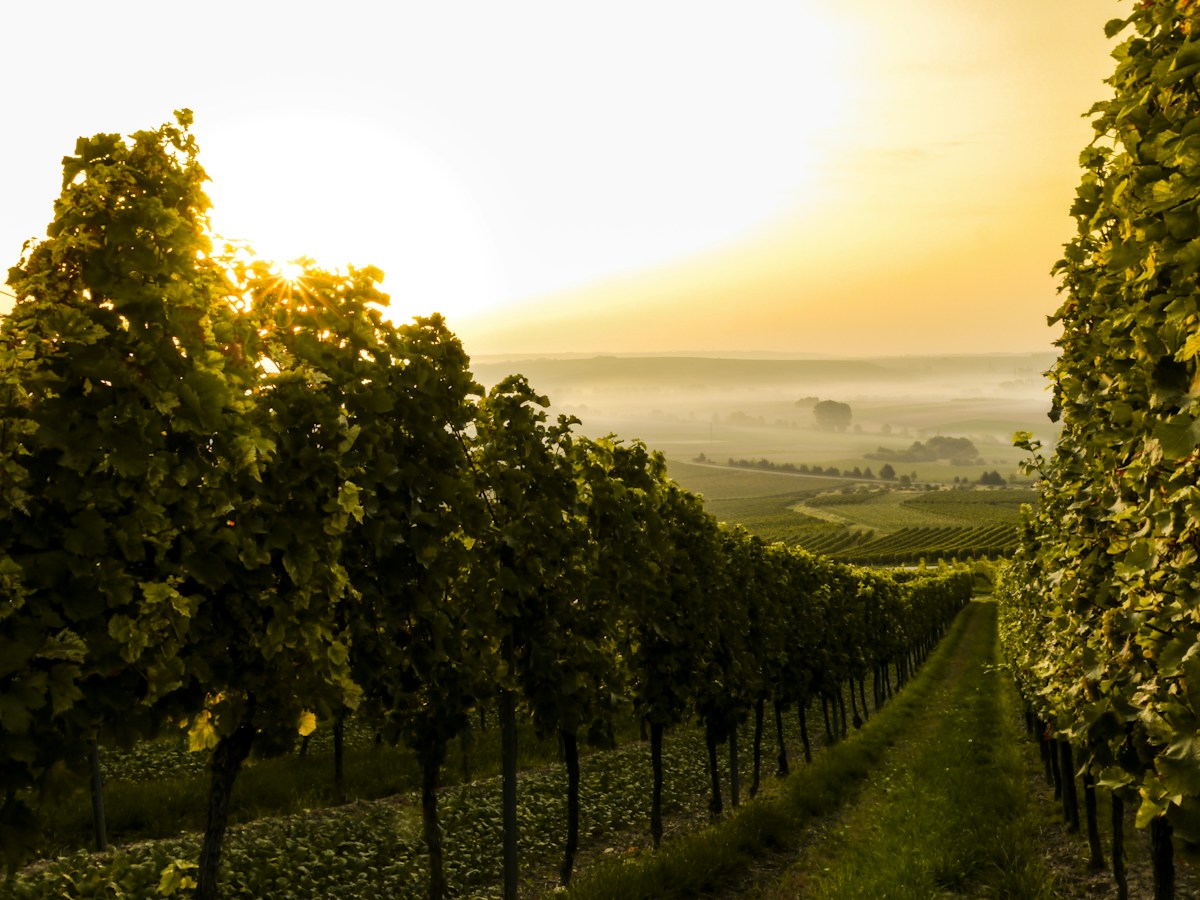
Imagine standing in the cool morning air on an old terraced vineyard, high above a narrow valley. Wisps of fog creep slowly up the slopes, dew glistens on the dark slate between low bush vines. Bells ring from a distant village, a bird circles above the vines – and somewhere below, in an unassuming cellar, a wine is maturing that contains all of this within it.
This is Bierzo.
Bierzo is not a region that imposes itself on you. It whispers. And those who listen are richly rewarded: with Mencía wines of almost Burgundian finesse, with white Godello wines of salty tension, with an energy in the glass that recalls the Atlantic more than classic Spanish heat. Anyone who has once had a great Bierzo in the glass – cool, fragrant, finely etched – feels a longing that never quite fades.
---
The Distinctive Terroir and Climate
#### The Soil: Veins of Slate, Sparks of Quartz and Ancient Terraces
Bierzo lies in northwestern Spain, in the province of León, where Castile slowly transitions into Galicia. Geologically, it is a fascinating border zone – and you can taste exactly that.
- Upper sites (hillside gardens and terraces):
Here, dark slate soils dominate, threaded with quartz veins. They store warmth during the day, release it gently at night and ensure even ripening. In the wines, this translates into:
- fine, cool minerality
- taut, linear texture
- an almost “graphite-like” spice on the finish
- Valley floors and gentle hills:
More clay, sand and alluvial soils. They produce:
- somewhat more powerful, fruit-driven reds
- more approachable structures
- wines that are enjoyable earlier
- Old bush vines on historic parcels:
Many vines are 40–100+ years old, often field-blended (Mencía, Garnacha Tintorera, Godello and others). Old vines carry less, but more concentrated fruit:
- higher aromatic density
- better balance in hot years
- a depth you sense more than you can describe
This mosaic of soils, elevations and exposures is why Bierzo today feels like Spain’s “Grand Cru laboratory”: small-scale, differentiated, precise.
#### The Climate: Where Atlantic and Continent Embrace
Bierzo thrives on a thrilling balance: a continentally influenced, yet clearly Atlantic-cooled climate.
- Atlantic influence: Moist, cooler air masses flow in over Galicia.
The result:
- long growing season
- slow, aroma-rich ripening
- freshness, acidity, juiciness
- Continental touch: Hot summer days in the valley, cold nights, continental winters.
The result:
- ripe tannins
- intense fruit
- no “green” notes despite the cool location
- High-altitude sites (up to ~800 m):
The higher, the cooler and airier. Mencía from these parcels shows:
- lower alcohol
- more perfumed, floral character
- tremendous freshness and “aliveness”
It is this tension between sun and coolness, between day and night, that makes Bierzo’s wines so electrifying: they don’t feel heavy, but delicately dense – like a red thread of energy running along your palate.
---
The Grape Varieties: The Heart of the Region
#### Mencía – The Quiet Diva of the Northwest
If Bierzo had a language, Mencía would be its dialect. It is the dominant red grape and shows perhaps its finest face here.
Typical style in Bierzo:
- Colour: Medium intensity, transparent ruby
- Nose: Red fruits (cherry, sour cherry, redcurrant), often raspberry, plus violets, herbs, sometimes a subtle graphite note
- Palate: Silky, fresh, with fine, chalky tannins and cool, vibrant fruit
Well-made Mencía from Bierzo is more reminiscent of Burgundy or the northern Rhône than of the stereotype of powerful, sun-drenched Spain. It is a grape for people who value elegance more than sheer power.
#### Godello – The White Voice of Slate
The second major protagonist is Godello, the impressive white variety of the northwest.
Characteristics:
- juicy pear, white peach, citrus fruits
- fine herbs, sometimes fennel or anise
- on the palate creamy yet salty, with firm acidity
Godello has the potential to produce great, ageworthy white wines – with real depth, which over time can call to mind white Burgundy or even top white Rhône, but with a cooler, more mineral profile.
#### Other Grape Varieties
- Garnacha Tintorera (Alicante Bouschet):
Provides colour, spice and structure in blends.
- Doña Blanca, Palomino, Malvasía:
Old white varieties, often in field blends. They add character and individuality, but rarely carry the wine on their own.
---
History & Tradition
Bierzo is not a “new” region – only our awareness of it is young.
- Roman roots:
The Romans already cultivated vines here, driven by gold mining in Las Médulas. Wine was both a staple and a luxury.
- Middle Ages & monasteries:
Benedictines and Cistercians further developed the vineyards, structured parcels, brought knowledge and selection. Many of today’s sites go back to their work.
- A long time in the shadows:
In the 20th century, Bierzo was often seen as a source of simple, rustic wines – Mencía was underestimated, often harvested at high yields.
- The awakening since the 1990s:
Winemaking personalities like Raúl Pérez or Descendientes de J. Palacios (with iconic wines such as La Faraona or Corullón) showed what potential lies in the old vines and steep slopes. Suddenly, the international scene was talking about Bierzo – and about Mencía as a “new” classic European noble variety.
Today, Bierzo is one of Spain’s most exciting DO regions: small, full of character, with a growing number of ambitious, terroir-driven producers who make parcel and village wines as in Burgundy.
---
Enjoyment & Perfect Pairings
#### Sensory Profile: When Freshness Meets Depth
Red Bierzo wines (Mencía-based):
- On the nose:
Red cherry, sour cherry, raspberry, occasionally blackberry. Behind that violets, rose, bay leaf, wild thyme, sometimes a touch of smoke or graphite – like wet stone after summer rain.
- On the palate:
Medium body, lively but never harsh acidity, finely woven tannins. Cool, juicy fruit that glides along the palate, never overwhelms.
On the finish often:
- a mineral-salty streak
- gentle bitterness from herbs
- high drinkability
White Bierzo wines (Godello & co.):
- On the nose:
Lemon, lime, white peach, pear, sometimes apple blossom, fine herbs and a hint of smoke or chalk.
- On the palate:
Creamy texture, good volume, but supported by a backbone of acidity and minerality. A fascinating interplay of ripeness and freshness.
#### Food Pairing: When Kitchen and Cellar Dance
Mencía from Bierzo pairs ideally with:
- Refined country cooking:
Lamb chops, grilled quail, rabbit with herbs
- Modern cuisine:
Seared duck breast with beetroot, grilled tuna, tataki or even aromatic vegetarian dishes with mushrooms and root vegetables
- Classics of Spanish cuisine:
Jamón Ibérico, Chorizo from León (for more powerful Mencías), empanadas with meat or tuna
The freshness and fine structure of the wines mean they can be served slightly chilled (15–16 °C) – perfect for elevated bistro cuisine.
Godello from Bierzo is a brilliant match with:
- Grilled fish (sea bream, sole, sea bass)
- Seafood: octopus, scallops, prawns
- Shellfish: lobster, langoustine, sautéed in butter
- Vegetables & delicacies: artichokes, fennel, goat cheese, creamy risottos
Godello’s salty freshness and texture make it the ideal partner for seafood cuisine – a culinary greeting from the Atlantic in the glass.
---
FAQ – The 10 Most Important Questions about Bierzo
1. What makes Bierzo wines so special?
Bierzo combines old vines, cool high-altitude vineyards, slate and quartz soils and the influence of the Atlantic. The result is elegant, fresh, aromatically complex wines – often with Burgundian finesse but a clearly Iberian identity. They are neither heavy nor generic, but full of character and inner tension.
2. Which grape varieties dominate in Bierzo?
At the top is Mencía for red wine. For whites, Godello dominates, flanked by Doña Blanca, Palomino and old field blends. Garnacha Tintorera plays a role in darker, more structured red blends.
3. What does a typical Bierzo wine taste like?
A typical red Bierzo is:
- aromatic: red fruits, floral notes, herbs
- structurally: medium-bodied, with fine acidity and very well integrated tannins
- stylistically: fresh, elegant, moreish
A typical white Bierzo (Godello) shows:
- ripe light fruits, citrus, herbs
- creamy texture with lively acidity
- salty minerality and good length
4. How long should you age Bierzo wines?
- Entry-level Mencía: 3–5 years, to enjoy fruit and freshness.
- Single-vineyard or top wines: 8–15 years, some even longer – the best have serious ageing potential and then develop notes of undergrowth, tobacco, dried flowers.
- Godello: Good examples 5–8 years, top wines 10+ years, with growing complexity and nutty or honeyed notes.
5. Which dishes pair well with Bierzo wines?
- Red (Mencía): Lamb, duck, rabbit, grilled tuna, Iberico ham, mushroom dishes, braised vegetables, game birds.
- White (Godello): Scallops, octopus, grilled fish, seafood, creamy pasta, poultry in light sauces, goat and sheep cheeses.
6. What is special about Bierzo’s terroir?
The combination of:
- old bush vines
- slate and quartz soils in high-altitude sites
- the cool, Atlantic-influenced climate
- and a historically evolved, small-scale patchwork of sites
makes Bierzo one of Spain’s most expressive terroirs. Every slope tells its own story.
7. Which wineries in Bierzo are particularly recommended?
Without claiming completeness and depending on stylistic preferences, the following are worth exploring:
- Descendientes de J. Palacios (Corullón, La Faraona, Pétalos)
- Raúl Pérez (Ultreia, La Vizcaína)
- Castro Ventosa
- Dominio de Tares
- Losada Vinos de Finca
- Guímaro projects & other small producers with a focus on single sites
It’s exciting to try different producers to experience the spectrum from juicy-fruity to strictly mineral.
8. How much does a good Bierzo wine cost?
- Very good, ready-to-drink entry-level wines: approx. €10–18
- Ambitious single-vineyard or parcel wines: €20–45
- Icon wines in tiny quantities: €60–150+
In international comparison, Bierzo still offers a remarkably good price-to-pleasure ratio, especially in the €15–30 range.
9. When is the best time to visit Bierzo?
Ideal times are:
- Late spring (May/June): Mild temperatures, green landscape, quiet wineries.
- Autumn (September/October): Harvest time, glowing colours in the vineyards, intense atmosphere.
Summer can be hot in the valley, but in the higher sites it often remains pleasant – perfect for hikes through the vineyards.
10. What are good alternatives to Bierzo wines?
If you love the style of Bierzo, you might also enjoy:
- Ribeira Sacra (Spain): Also Mencía, steep terraces, even cooler and often more mineral.
- Valdeorras (Spain): Excellent Godello whites, fresh reds.
- Burgundy (Pinot Noir) or the northern Rhône (Syrah): For lovers of elegant, cool-climate reds with finesse.
In the end, though, Bierzo remains: unmistakable.
---
Conclusion: A Wine That Touches the Soul
Bierzo is a region for people who know how to listen – in the glass and in the landscape. No spectacular mega-wineries, no loud prestige gestures. Instead: old bush vines, quiet villages, steep slate slopes, winemakers who shine more in the vineyard than on a stage.
In the glass, all this appears as a quiet but unrelenting intensity. Mencía from Bierzo moves you not through force, but through depth. It reminds you that true greatness in wine is not measured in alcohol percentages or new oak, but in the whisper of the terroir.
Those who open themselves to Bierzo discover another side of Spain: cooler, finer, more inward-looking – and all the more compelling for it.
These are wines for long evenings, for intimate conversations, for the moment when time seems to stand still for a heartbeat. One sip of Bierzo – and you taste not just a region, but a landscape, a history, a quiet, powerful longing.
And perhaps, ever so softly, a small piece of eternity.