Ribeira Sacra – Where Wine Hangs from Ladders to Heaven
Discover Ribeira Sacra.
Ribeira Sacra – Where Wine Hangs from Ladders to Heaven
Meta description: Discover Ribeira Sacra – Spain’s most spectacular steep slopes, old vines and magical Mencía wines between river gorges and mist.
Keywords: Ribeira Sacra, Mencía, Spanish wine region, Galician wine, steep-slope wine, heroic viticulture, Ribeira Sacra DO, Godello, Lousas, Sil gorge
---
Introduction: The First Sip of Eternity
It begins with an echo. The echo of a call reverberating off the rock faces of the Sil and Miño gorges – the rush of the river, the flutter of a bird, the soft crunch of slate beneath the feet of a winegrower clinging to an almost vertical terrace wall. Ribeira Sacra is not a wine you simply “drink”. It is a place you absorb into yourself.
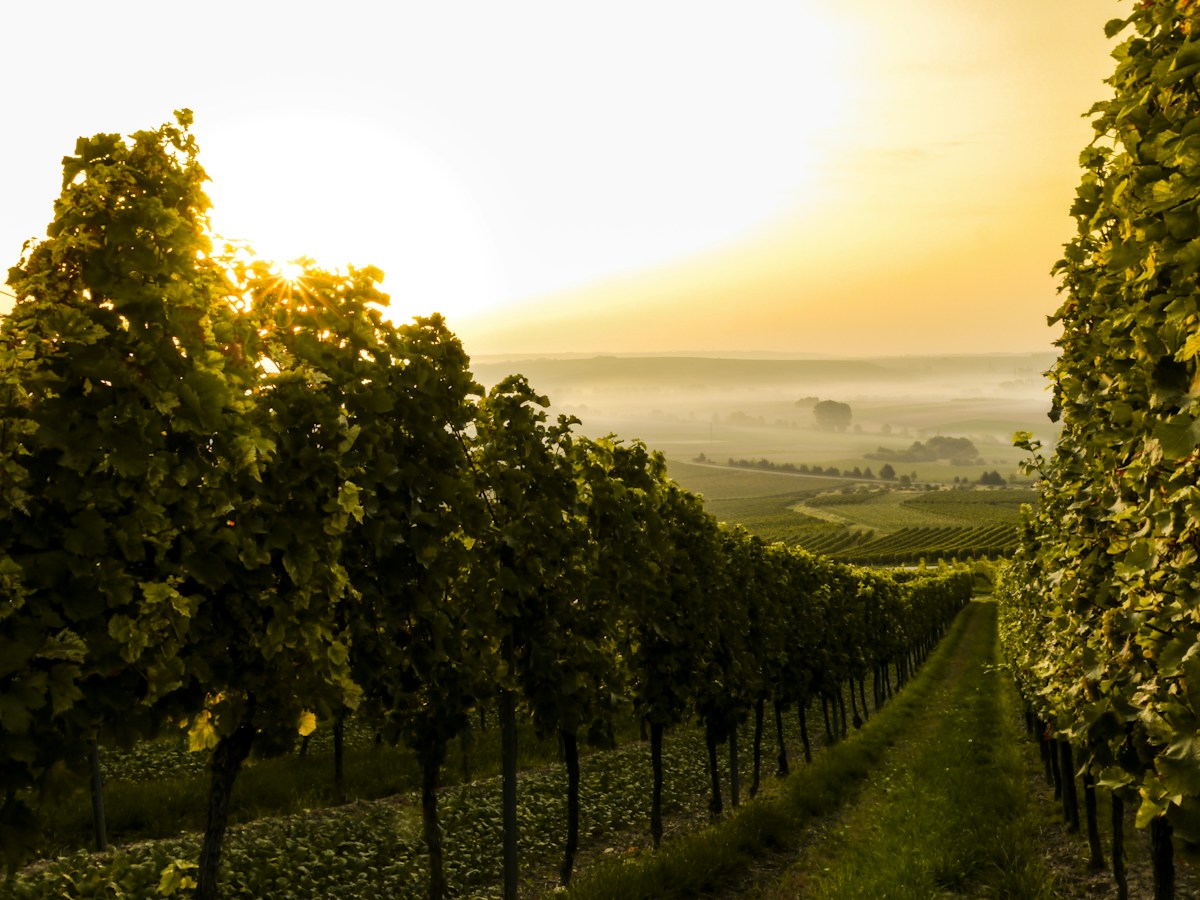
The air smells of damp stone, wild herbs, pine trees and the sweet hint of ripe grapes. Veils of mist climb up the slopes at dawn as if they wanted to reach the sky themselves, before the sun gently dissolves them and bathes the vineyards in a warm golden light. Here, in this dramatically rugged landscape of Galicia, the vines seem to grow on ladders to heaven.
Ribeira Sacra is an appellation where viticulture is not agriculture, but lived devotion. Every vine is a promise, every terrace a bet against gravity. And yet the wines created here appear so light-footed, so fragrant and transparent that it is hard to believe how much work, risk and courage are contained in every sip.
---
The Unmistakable Terroir and Climate
#### The Soil: Veins of Slate, Granite and Ancient Terraces
Anyone who wants to understand Ribeira Sacra must look at the stones. The soils here tell stories that are millions of years old:
- Lousas (slate):
Especially in the Amandi subzone, dark slate soils dominate the steep slopes. They store heat during the day and release it at night. The result: grapes with intense aromatics, deep, dark fruit notes and a vibrating minerality. Mencía from slate often appears fragrant, almost Burgundian in finesse, with a salty vein on the finish.
- Granite and gneiss:
In other parts of Ribeira Sacra, granite and metamorphic rocks come to the fore. Here, wines with firm structure, precise acidity and a cool, stony elegance are born. White varieties such as Godello and Albariño particularly benefit from this tension.
- Sandy and loamy topsoils:
On some terraces there are thin layers of sand, clay and weathered rock. These add a little more body and roundness without masking the characteristic freshness.
The decisive factor is the combination of extreme steep slopes – often 30–70% gradient – and ancient dry-stone walls that store heat, drain water and create microclimates. This mosaic makes Ribeira Sacra unmistakable.
#### The Climate: Galician Coolness Meets Continental Sun
Ribeira Sacra lies in Galicia, but is not defined by the Atlantic alone. It is a crossroads of influences:
- Atlantic influence:
Brings moisture, mist and moderately warm summers. This protects the wines from overripeness and gives them freshness as well as lively acidity.
- Continental elements:
The sheltered river valleys accumulate warmth, especially on the slate slopes above the Sil and Miño. Midday can be hot, yet nights remain cool – a perfect recipe for aromatic grapes with fine balance.
- Microclimate of the gorges:
The rivers act as temperature regulators. The reflection of sunlight on the water and the steep, stony slopes create a kind of “oven” by day, while at night the river cools down and carries cold air up the slopes. This allows the grapes to ripen slowly and evenly.
The result: wines of deep finesse, with noticeably moderate alcohol, radiant acidity and aromatics shimmering between cool mountain fruit, herbs and stone.
---
The Grape Varieties: The Heart of the Region
#### Mencía – The Soul of Ribeira Sacra
Mencía is the dominant red grape and the undisputed queen of Ribeira Sacra. Here it shows a completely different face than in many other Spanish regions:
- Aromas of red fruits – sour cherry, red currant, raspberry
- Floral notes – violet, dried rose petals
- Herbal spice – thyme, rosemary, bay leaf, sometimes a hint of laurel forest after rain
- Delicate yet firmly structured tannins
- Usually medium-bodied, always with refreshing, cool acidity
In its best form it recalls a cross between fine Burgundy and an elegant Northern Rhône wine – only with a Galician soul.
#### Other Red Varieties
- Brancellao:
Delicate, fragrant, with bright fruit and fine spice. Adds finesse and aromatic depth to blends, and can feel almost ethereal on its own.
- Merenzao (Trousseau):
An old, rediscovered variety. Transparent, spicy, with lively acidity and a filigree body. Ideal for elegant, light-footed red wines.
- Caiño, Sousón & co.:
Local varieties that contribute structure, acidity and spice. They give the wines character and depth beyond the mainstream.
#### White Grapes – The Quiet Sensation
Even though Ribeira Sacra is mainly known for red wine, its whites are undergoing a quiet renaissance:
- Godello:
The most important white variety in the region. Ripe yellow fruit, citrus, sometimes stone fruit, supported by a creamy texture and an almost Burgundian seriousness. With barrel ageing, salty, multi-layered wines with ageing potential emerge.
- Albariño:
Less maritime than on the coast, but full of tension, with citrus freshness, white flowers and a cool, stony character.
- Treixadura, Loureira and other local varieties:
They bring floral notes, herbal spice and additional dimensions to the blends.
---
History & Tradition
Ribeira Sacra is not a “new” insider tip – it is a rediscovered heritage.
- Roman beginnings:
As early as Roman times people recognized the potential of the river slopes and built the first terraces. Wine was a valuable commodity transported along the rivers.
- Medieval heyday:
In the Middle Ages, monks and nuns in the numerous monasteries along the Miño and Sil created the landscape we admire today. They built the steep terraces in painstaking manual labour, used dry-stone walls and cultivated vines close to the monastic complexes. Hence the name: Ribeira Sacra – the “sacred riverbank”.
- Decline and oblivion:
With industrialization, rural exodus and economic upheaval, many people left the arduous steep slopes. Terraces fell into disrepair, knowledge threatened to vanish. Viticulture declined sharply; Ribeira Sacra lived on mainly in the memories of the elderly.
- Renaissance since the 1990s:
With its recognition as DO Ribeira Sacra (1996) a new chapter began. Young winemakers returned, career changers fell in love with the landscape, old plots were brought back to life. Today Ribeira Sacra stands for heroic viticulture, authentic wines and a fascinating blend of tradition and modern precision.
---
Enjoyment & Perfect Pairings
#### Sensory Profile: What Does Ribeira Sacra Taste Like?
Red wines (especially Mencía):
- On the nose:
Red berries (raspberry, cherry, currant), violets, subtle pepper spice, dried herbs, sometimes a hint of smoke or graphite from the slate. With more bottle age, they develop notes of undergrowth, dried flowers and fine spices.
- On the palate:
Medium-bodied, juicy, with cool fruit and vibrant acidity. The tannins are silky yet present – never massive, always finely taut. The finish often recalls wet stone, salt and blood orange.
White wines (especially Godello):
- On the nose:
Ripe citrus fruits, pear, apple, white flowers, sometimes a smoky touch from the barrel or lees. Mineral hints of wet rock.
- On the palate:
Creamy and at the same time firm, with clear acidity, pronounced minerality and a tension reminiscent of great white wines from cool climates. The finish is long, precise and salty.
#### Food Pairing: Culinary Bridges into the Gorges
The wines of Ribeira Sacra are excellent food companions – subtle, never overpowering, always appetizing.
Red Ribeira Sacra wines:
- Grilled or braised pulpo a la gallega
- Roasted or grilled rack of lamb with herbs
- Game birds (guinea fowl, pigeon) with mushroom risotto
- Spanish charcuterie (Cecina, Chorizo de León), but also delicately spiced terrines
- Medium-intense semi-hard cheeses (Manchego curado, Galician Tetilla)
White Ribeira Sacra wines:
- Seafood: scallops, prawns, clams
- Fish from the grill or oven: sole, sea bass, gilt-head bream
- Galician octopus, prepared a little lighter and with citrus freshness
- Goat’s and sheep’s cheese, not overly matured
- Vegetable dishes with artichokes, fennel, asparagus – Godello masters even tricky vegetables.
---
FAQ – The 10 Most Important Questions about Ribeira Sacra
1. What makes Ribeira Sacra wines so special?
The combination of extreme steep slopes, ancient terraces, cool microclimates and indigenous grape varieties creates wines with rare tension: fragrant, fresh, mineral, yet profound and characterful. It is the synthesis of heroic viticulture and subtle elegance.
2. Which grape varieties dominate in Ribeira Sacra?
In reds, Mencía dominates, complemented by varieties such as Brancellao, Merenzao, Caiño, Sousón. For whites, Godello and Albariño take centre stage, flanked by local varieties like Treixadura and Loureira.
3. What does a typical Ribeira Sacra wine taste like?
Typical reds are light to medium-bodied, with cool red fruit, floral notes, fine herbal spice and fresh acidity – often with a salty-mineral finish. Whites show ripe citrus and stone fruit, stony minerality, creamy texture and a long, clear finish.
4. How long should Ribeira Sacra wines be aged?
Many entry-level wines are best enjoyed within 3–5 years, when youthful freshness and primary fruit are at the forefront. More ambitious blends and single-vineyard wines, especially from Mencía and Godello, can age 8–12 years, sometimes longer, and gain in complexity.
5. Which dishes pair well with Ribeira Sacra wines?
Red Ribeira Sacra wines pair wonderfully with grilled meats, lamb, game birds, mushroom dishes and flavourful charcuterie. The whites are perfect partners for seafood, fish, white meat, vegetable dishes and fine cheeses. Thanks to their freshness, they are versatile and food-friendly.
6. What is special about the terroir of Ribeira Sacra?
The terroir is defined by steep terraces, slate and granite soils, river gorges and a mix of Atlantic and continental climate. These factors result in low yields, high aromatic concentration and a distinctive mineral tension in the wines.
7. Which wineries in Ribeira Sacra are particularly recommended?
Without claiming completeness, notable producers include Dominio do Bibei, Guímaro, Adega Algueira, Fedellos do Couto / Peixes, Raúl Pérez (La Penitencia, Sketch projects), Envínate (Lousas) as well as several smaller, artisan bodegas that are reclaiming old plots. The scene is dynamic – exploration is worthwhile.
8. How much does a good Ribeira Sacra wine cost?
Good entry-level wines usually start around 10–15 euros ex-cellar or in specialist shops. More demanding site wines and small-batch bottlings are often between 20 and 40 euros, iconic, highly limited wines can go higher. Given the extreme manual labour, Ribeira Sacra is still a region that is underpriced.
9. When is the best time to visit Ribeira Sacra?
The ideal time is between May and October. In spring the landscape is fresh and green; in late summer and autumn (harvest time) you experience the full play of colours on the slopes and the most intense wine atmosphere. Those who want to avoid heat should choose May/June or September/October – then light, climate and tranquillity are perfect for discoveries.
10. What are good alternatives to Ribeira Sacra wines?
If you like the style, you might also enjoy wines from Bierzo (Mencía), Valdeorras (Godello) or cooler regions like Somontano or Catalan mountain areas. Internationally, some Ribeira Sacra reds recall fine Burgundy or cool-climate Northern Rhône wines, while the whites can be reminiscent of Chablis or mineral Alpine wines – always with a distinctive Galician accent.
---
Conclusion: A Wine that Touches the Soul
Ribeira Sacra is more than a name on a label. It is a landscape that takes your breath away; a culture born from stone, water, mist and prayer; a wine that carries the courage of its winemakers within it. In every glass you sense the echo of the river gorges, the crackle of slate in the sun and the quiet perseverance of those who chose to defy the comfort of the plains.
Those who drink Ribeira Sacra do not just taste an aromatic profile. You taste time – the time it takes to hand-pick every single grape on the steep slopes. You taste place – the salty, cool signature of slate, the breath of the river, the fresh Atlantic breeze. And you taste longing – for authenticity, for wines that are not marketing products but stories.
In a world where so much has become interchangeable, the wines of Ribeira Sacra remain radically unique. They are rare, not always easy to find, and perhaps that is precisely what makes them so desirable. A glass of Ribeira Sacra is like a silent gaze into a deep gorge in the evening light: once you have experienced it, you carry that image – and that taste – within you for a long time.
Ribeira Sacra is not a wine for the background. It is a wine you open deliberately, when you are ready to be moved. By a region where every vine hangs from ladders to heaven – and every sip is a small moment of eternity.