Priorat – Where Stone Turns to Velvet: Spain’s Most Magical Mountain Wines
Discover mystical Priorat: old vines, slate soils, powerful red wines. An emotional guide for wine lovers and sommeliers.
Priorat – Where Stone Turns to Velvet: Spain’s Most Magical Mountain Wines
Meta-Description: Discover mystical Priorat: old vines, slate soils, powerful red wines. An emotional guide for wine lovers and sommeliers.
Keywords: Priorat, Priorat wine, Priorat wine region, Spanish red wine, Llicorella, Garnacha, Cariñena, DOCa Priorat, Priorat terroir, Spain wine
---
Introduction: The First Sip of Eternity
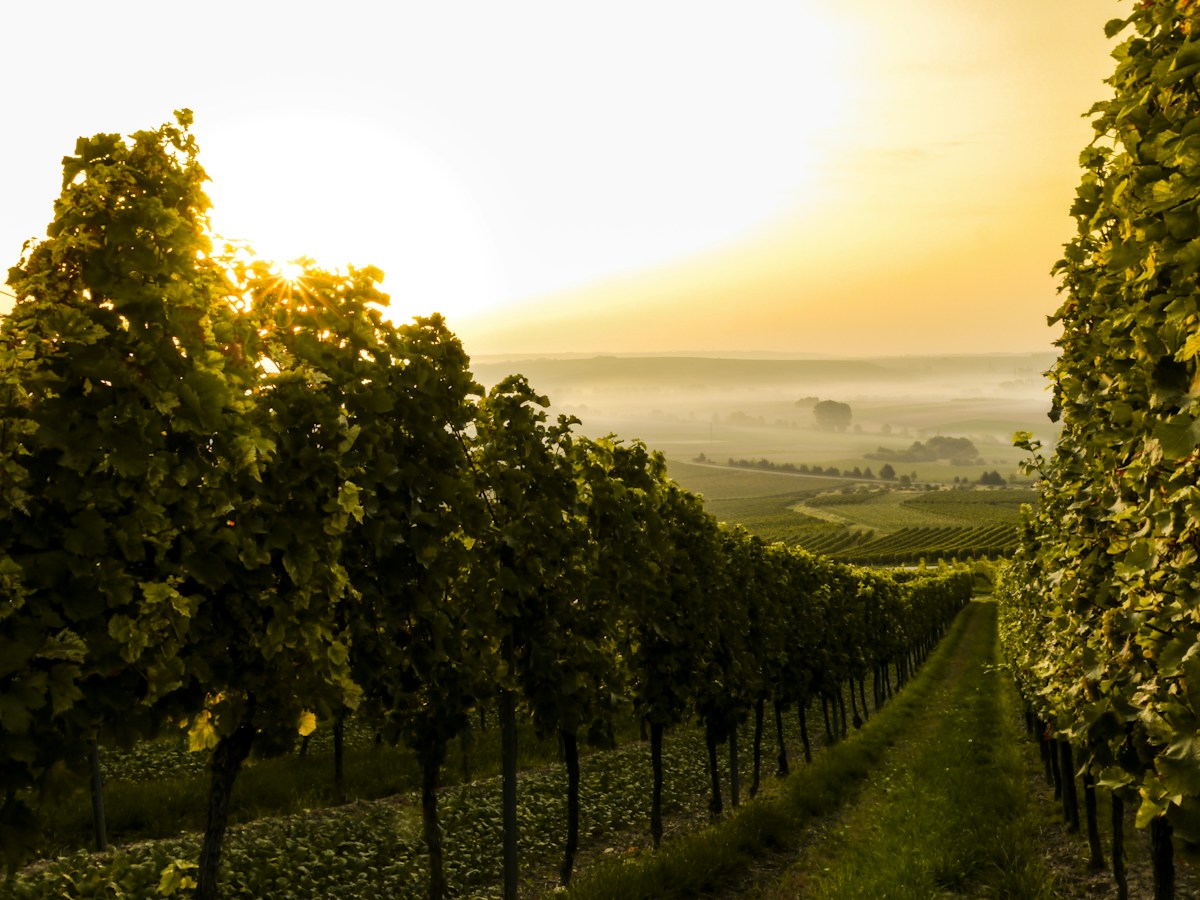
Dusty slate, heated by the Mediterranean sun, breaks in your hand and glitters like dark glass. A soft, warm wind carries the scent of rosemary, wild thyme and ripe black fruits across steep terraces clinging to the hillsides at dizzying heights. Welcome to Priorat – one of Spain’s most mythical wine regions.
In the glass, Priorat is not a loud wine. It is deep, concentrated, almost sacred. Black cherry, blackberry, graphite, licorice, warm earth, sometimes a hint of smoked bacon – and always that unmistakable mineral coolness, reminiscent of crushed stone and wet rock. A good Priorat wine feels as if time were briefly slowing down.
Priorat is more than a wine region. It is a legend, born of ascetic monastic culture, almost forgotten, then spectacularly rediscovered. Here, on barren slate soils called Llicorella, ancient vines fight for every drop of water – and transform hardship into baroque opulence.
In this article, we dive into:
- the unmistakable terroir and climate of Priorat,
- the grape varieties that define its style,
- its eventful history and today’s icons,
- sensory profiles and food pairings that thrill every sommelier student,
- as well as practical answers in the FAQ for a quick overview.
---
The Unmistakable Terroir and Climate
#### The Soil:
In Priorat, everything begins with one word: Llicorella. This is the name of the brittle, dark grey to black-violet slate, often with mica inclusions, that makes the region so unique. This soil is poor in nutrients, permeable, and yet stores warmth and a minimum of moisture in its fissures – a paradox that gives rise to great wines.
- Slate (Llicorella):
The vines root deep, sometimes 10 metres and more, to find water in the rock’s crevices. This “rooting into the abyss” leads to extremely low yields – often just 10–20 hl/ha – and to remarkable concentration in the grapes.
In the glass, Llicorella expresses itself as:
- pronounced minerality (graphite, stone, smoke),
- taut, fine-grained tannin structure,
- dark, intense fruit combined with freshness.
- Terraces & Costers:
The traditional steep slopes (costers) with little or no terracing produce the most intense wines, but are extremely hard to work. More recent plantings are often on terraces (feixes), which tame erosion and the demands of manual labour somewhat. The steep gradients ensure perfect sun exposure and good drainage – both crucial to the quality of Priorat wines.
- Soil diversity in detail:
In addition to pure slate, there are zones with slightly more clay or quartz inclusions. These yield marginally softer, more accessible wines. But the “core identity” of Priorat remains: slate, heat, depth.
#### The Climate:
Priorat lies in the Catalan hinterland, sheltered by mountains yet still perceptibly influenced by the Mediterranean. The climate is Mediterranean-continental – a blend that balances power and elegance.
- Sunshine hours:
2,600–3,000 hours of sunshine per year ensure fully ripe grapes, thick skins and high phenolic maturity. This explains the dark colour, immense density and tannin structure of many Priorat reds.
- Rainfall:
With usually less than 500 mm of annual rainfall, Priorat is among Spain’s drier regions. The dryness reduces yields but increases aromatic concentration. Old vines with deep roots withstand drought better; young vines struggle – and produce correspondingly small, highly aromatic berries.
- Temperature swings:
Hot days, cool nights – especially in higher sites (up to around 700 m). These diurnal shifts preserve acidity and freshness. They prevent the wines from becoming clumsy despite full ripeness.
- Winds:
The region benefits from winds out of the Ebro valley and from the sea. They cool the vineyards, dry the grapes after rain and reduce disease pressure, facilitating sustainable and often organic viticulture.
The interplay of Llicorella, dryness, extreme slopes and cool nights creates a terroir that is hardly reproducible anywhere else in the world – and makes Priorat one of Spain’s most iconic appellations.
---
The Grape Varieties: The Heart of the Region
#### The Leading Players:
In DOCa Priorat (one of only two DOCa regions in Spain alongside Rioja), two grape varieties dominate and have become the true heartbeat of the region:
- Garnacha (Garnatxa):
This age-old Mediterranean variety shows its most serious, profound side in Priorat.
Typical profile:
- intense aromas of ripe cherry, raspberry, red and black berries,
- hints of dried herbs (garrigue), orange peel, sometimes rose petals,
- soft, rounded tannins, full but not heavy texture.
Old Garnacha vines on slate can produce wines that are both sensual and imposing, with enormous length and ageing potential.
- Cariñena (Carinyena, Samsó):
The powerful counterpart to Garnacha.
Typical profile:
- darker fruit (blackberry, blackcurrant, plum),
- vibrant acidity, robust tannins,
- notes of licorice, graphite, smoke, sometimes violets.
Cariñena brings structure, backbone and freshness to blends – and as a single varietal it can yield impressively precise, mineral wines when yields are strictly reduced.
The best Priorat wines often arise from a blend of the two: Garnacha provides sensual fruit and texture, Cariñena the tension and structure.
#### The White/Red Varieties:
Alongside the traditional vines, other varieties have established themselves in modern Priorat:
Red varieties:
- Syrah:
Adds spice, pepper, dark berries and sometimes an almost meaty note. In cooler sites, Syrah lends elegance and depth.
- Cabernet Sauvignon:
Played a key role in Priorat’s renaissance in the 1980s/90s. It contributes structure, cassis and tannin, but is now often used more sparingly in favour of indigenous varieties.
- Merlot:
Rarer, more as a rounding component in blends, with soft fruit and polished tannins.
White varieties:
- Garnacha Blanca:
Powerful, structured whites with notes of ripe stone fruit, anise, fennel and a salty-mineral streak. Often aged in wood, with impressive longevity.
- Macabeo (Viura):
Gives freshness, citrus notes and a certain lightness. Often found in blends.
- Pedro Ximénez & others:
In small quantities, partly in traditional oxidative styles, but increasingly also dry and precise, very much in the spirit of the modern Priorat.
The diversity of grape varieties allows winemakers to craft finely nuanced interpretations of the terroir, depending on site, altitude and soil composition.
---
History & Tradition
Priorat carries its history like a silent, ancient monastery within – and that is precisely where it all begins.
In the 12th century, Carthusian monks founded the Carthusian monastery of Scala Dei (Latin for “ladder to God”). They brought not only viticultural knowledge to this remote, rocky area, but also gave their name to the later subregion “Scala Dei”. The monks recognised early on the potential of the slate slopes and planted vineyards that are considered the foundation of local wine culture.
For centuries, the region remained secluded and poor, but focused on winegrowing. Priorat wines were powerful, often oxidative, rather rustic – but appreciated in Catalonia.
The 19th century brought the phylloxera catastrophe, which also hit Priorat hard. Many vineyards were abandoned; emigration and poverty marked the area.
The true rebirth of Priorat began in the late 1970s and especially in the 1980s:
- Visionaries such as René Barbier, Álvaro Palacios, Carles Pastrana and others recognised the untapped potential of the terroir.
- They replanted Garnacha and Cariñena, supplemented them with international varieties, and experimented with low yields, barrique ageing and precise vineyard work.
- Wines such as Clos Mogador, L’Ermita, Clos Erasmus and Finca Dofí founded the modern myth of Priorat. International critics were enthusiastic, scores and prices soared – and with them the region’s reputation.
In 1993, Priorat was elevated to DOQ/DOCa (Denominació d’Origen Qualificada) – Spain’s highest classification. Today, the region combines tradition (extreme manual work on old vines, respect for Garnacha and Cariñena) with modern precision (single-vineyard bottlings, organic and biodynamic approaches, less extraction, finer tannins).
Priorat is historically significant because it has shown how an apparently forgotten region can rise to become one of the most respected sources of Spanish red wine through an uncompromising focus on terroir and quality.
---
Pleasure & Perfect Pairings
#### Sensory Profile:
A typical Priorat red wine is a sensual experience that speaks to body, mind and memory alike.
- Colour:
Dense, almost opaque, deep ruby to violet-black, with slow, oily legs.
- Nose:
Ripe black fruits (blackberry, black cherry, plum), accompanied by cassis and sometimes red berries. In addition:
- graphite, pencil lead, stone dust,
- licorice, cocoa, dark chocolate,
- dried Mediterranean herbs, thyme, rosemary,
- smoke, sometimes a hint of smoked bacon or dried meat,
- with age: leather, tobacco, truffle, balsamic notes.
- Palate:
Full-bodied, structured, with high extraction but – at the best producers – impressive balance.
Typical:
- dense, ripe yet firm tannins,
- creamy texture, often with an almost velvety mouthfeel,
- relatively high alcohol (14–15.5%), well integrated,
- vibrant acidity that keeps the wines fresh despite their opulence,
- very long finish, often mineral-salty.
White Priorat wines are rarer, but highly exciting:
- Ripe pear, quince, yellow apple, fennel, anise,
- pronounced minerality, often smoky and salty notes,
- powerful body, often with a touch of oak, and astonishing ageing potential.
#### Food Pairing:
Priorat calls for dishes with character. These are not wines for a light garden salad, but for food with depth, fat and roasted aromas.
Perfect pairings:
- Meat dishes:
- Braised lamb shank with rosemary and garlic
- Beef pot roast, ossobuco, oxtail ragout
- Game: venison, stag, wild boar with juniper and rich, dark jus
- Regional Catalan cuisine:
- Cabrito al horno (roast kid) with herbs
- Butifarra (Catalan sausage) from the grill with white beans
- Rabbit with herbs and olive oil
- Grill & BBQ:
Rib-eye steaks, Iberico pork, quickly seared lamb chops – anything with roasted flavours and fat works beautifully with Priorat.
- Cheese:
- Mature Manchego
- Hard cheeses such as Comté, Gruyère, aged Mahón
- Blue cheeses (e.g. Cabrales) with mature Priorat showing sweet fruit tones
- White Priorat wines:
- Pan-fried turbot, cod or monkfish with fennel and lemon
- Poultry in cream sauces, sweetbreads, lobster
- Mature goat’s cheese and hard cheeses with nutty notes
Priorat rewards pairing with rich, aromatic dishes. A skilled sommelier can play with texture, roasted flavours and umami – and create true “embraces” between wine and food.
---
FAQ – The 10 Most Important Questions About Priorat
1. What makes Priorat wines so special?
Priorat wines combine extreme concentration and depth with striking, slate-driven minerality. The interplay of old vines, Llicorella soils, extreme terroir and low yields results in red wines of impressive intensity and longevity.
2. Which grape varieties dominate in Priorat?
The most important grape varieties in Priorat are Garnacha (Garnatxa) and Cariñena (Carinyena). Complementary varieties include Syrah, Cabernet Sauvignon and Merlot; for whites, primarily Garnacha Blanca and Macabeo.
3. What does a typical Priorat wine taste like?
A typical Priorat red shows ripe black fruits, notes of graphite, licorice and dark chocolate, accompanied by Mediterranean herbs. On the palate it is full-bodied, with dense structure, ripe tannins, high intensity and a long, often mineral finish.
4. How long should you age Priorat wines?
Good Priorat wines benefit from several years of bottle age. Solid entry-level wines peak after about 3–5 years; high-quality blends often reach their best after 8–15 years, and top wines can age for 20 years or more.
5. Which dishes pair well with Priorat wines?
Ideal are hearty dishes such as braised lamb, beef or game, grilled Iberico pork, BBQ with roasted flavours, as well as mature hard cheeses. White Priorat wines pair excellently with fine fish, seafood, poultry and creamy sauces.
6. What is special about Priorat’s terroir?
The terroir is characterised by barren slate soils (Llicorella), extreme slopes, dry, hot summers and cool nights. This combination leads to low yields, high aromatic concentration, pronounced minerality and wines with strong personality.
7. Which wineries in Priorat are particularly recommended?
Among the well-known producers are:
- Álvaro Palacios (e.g. L’Ermita, Finca Dofí)
- Clos Mogador (René Barbier)
- Clos Erasmus
- Celler Vall Llach
- Mas Doix
In addition, there are many smaller, exciting projects that focus on site- and terroir-driven character.
8. How much does a good Priorat wine cost?
- Entry level: From about €15–20 for solid regional blends.
- Mid-range: €25–50 for high-quality, characterful wines.
- Premium & icons: €60–200 (and more) for top wines from prime sites and renowned producers such as L’Ermita or Clos Erasmus.
9. When is the best time to visit Priorat?
The best times to visit are spring (April–June) and autumn (September–October). Spring is pleasantly mild, with the landscape in bloom; in autumn you experience the harvest, colourful vineyards and a particularly emotional atmosphere in the cellars.
10. What are good alternatives to Priorat wines?
If you love the style of Priorat, you might also enjoy:
- Montsant (direct neighbour, similar, often slightly more affordable)
- Ribera del Duero (powerful Spanish reds, more Tempranillo-based)
- Châteauneuf-du-Pape (Garnacha-dominated, Mediterranean, but with different terroir)
- Calatayud & Campo de Borja (old-vine Garnacha, concentrated and spicy).
---
Conclusion: A Wine That Touches the Soul
Once you stand on a Priorat terrace, gaze over the vines clinging between bare rocks and shards of slate, you understand why these wines are so moving. Nothing here comes easily. Every vine, every grape is the result of effort, patience and respect for a harsh yet magnificent terroir.
A Priorat wine is not a companion for casual moments. It demands attention – and in return gives depth. On the nose it speaks of sun, stone and herbs; on the palate of time and concentration; in the finish of silence and wide horizons.
Perhaps somewhere near you there is a bottle of Priorat, still closed, quiet. Take an evening, open it with intent, let the wine breathe – and breathe with it. Pour a glass, smell, taste, listen to what the slate has to say.
Because Priorat is not just a wine. It is a landscape in a glass. A story of stone, sun and longing, just waiting to be discovered by you.