Rueda: Where Spain’s White Soul Shines in the Glass
Discover Rueda.
Rueda: Where Spain’s White Soul Shines in the Glass
Meta description: Discover Rueda: Spain’s great white wine region with Verdejo, cool high-altitude climate, and unmistakable terroir. Freshness, elegance, depth.
Keywords: Rueda, Rueda wine, DO Rueda, Verdejo, Spanish white wine, Spain wine region, Sauvignon Blanc Rueda, Terroir Rueda, wine from Castile, Spain white wine
---
Introduction: The First Sip of Eternity
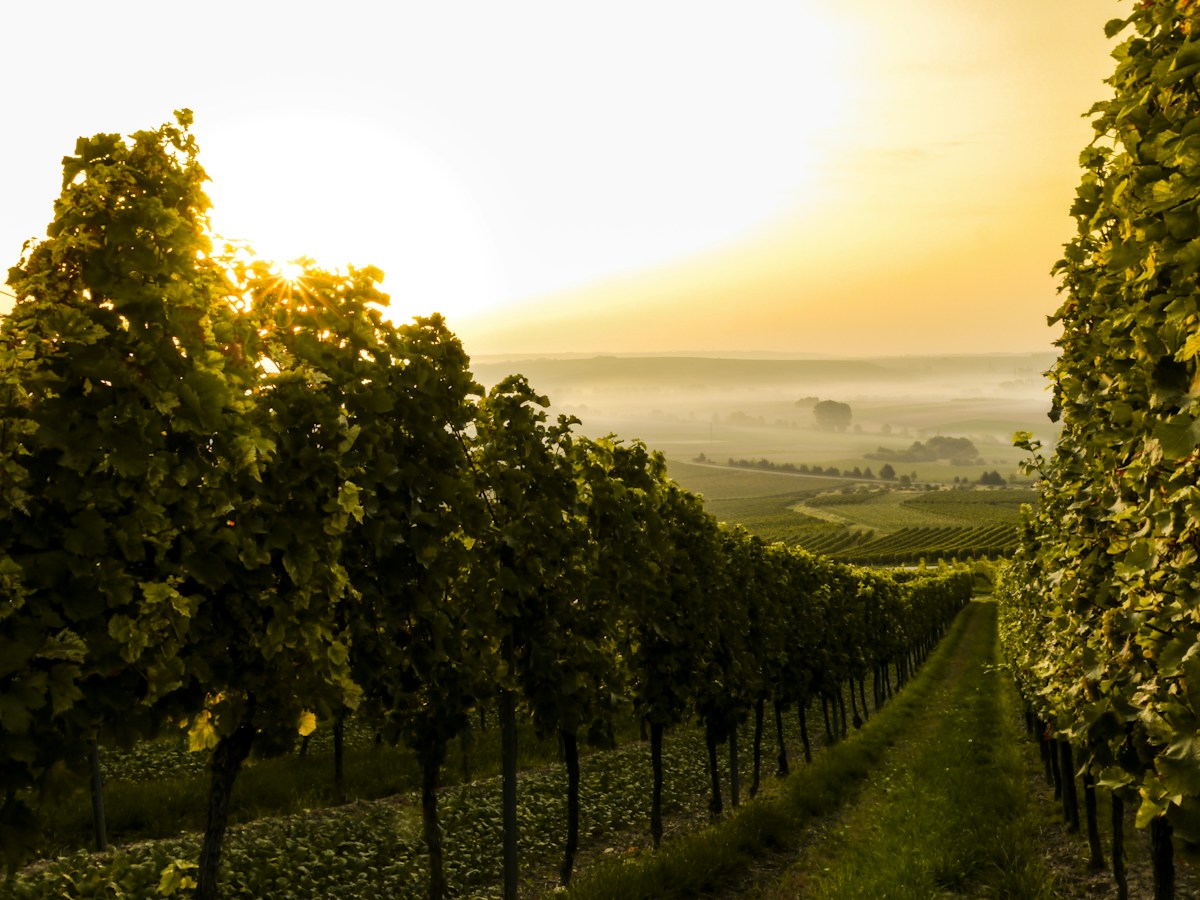
It is late, the Castilian sun sinks like a glowing coin behind the horizon. A wind, cool and dry, brushes through the vines. The air shimmers above the barren, stony soils of Rueda, and yet an almost sacred calm lies over the vineyards. In the glass before you: a pale golden wine, shot through with green reflections, as alive as the last ray of light of the day.
You lift the glass, breathe in – lime, grapefruit, white peach, a hint of fennel, a nuance of smoke from the stony ground. The first sip is like waking up: crystal-clear freshness, vibrant acidity, a texture that glides across the palate and leaves a long, salty aftertaste. For a brief moment, time stands still.
This is how Rueda tastes: like a captured evening on the Castilian plateau, like eternity in a single sip.
---
The Unmistakable Terroir and Climate
If you want to understand why Rueda wines are so distinctive, you have to feel the ground under your feet and the sky above you. Rueda is not a pleasing wine postcard idyll – Rueda is harsh, demanding, uncompromising. And that is exactly what makes its wines so fascinating.
#### The Soil: Stones, Sand, and the Whisper of Depth
The DO Rueda is located in Castile and León, around the towns of Rueda, La Seca, Serrada, and Medina del Campo. At around 600 to 800 meters above sea level, three main soil types spread out:
- Pebble and gravel soils (Cascajo)
Large, rounded stones that store the sun during the day and release it again at night. Below: sandy or loamy substrates.
Effect:
- Perfect drainage, forcing the vines to root deeply
- Low yields, high concentration
- Typical: intense fruit aromas, fine spice, a mineral-salty pulse on the palate
- Sandy soils
Often interspersed with finer gravel, poor, dry, almost inhospitable.
Effect:
- Low disease pressure, hence often old vineyards, some ungrafted
- More delicate, fragrant wines with floral notes
- Clay and limestone soils
Slightly more water retention, more structure.
Effect:
- Fuller body, more density
- Wines with potential for short to medium aging
What is exciting in Rueda is the combination: small parcels with slightly varying soil mixes, old vines, different exposures. For the sensitive winemaker, a mosaic of characters – for us in the glass, a kaleidoscope of textures and nuances.
#### The Climate: Continental Coolness Above a Hot Heart
Rueda lies inland, far from maritime influence. The climate is strictly continental, characterized by:
- Hot, dry summer heat
- Daytime highs often above 30 °C
- Plenty of sunshine, ideal ripening for aromatic grapes
- Cool nights thanks to the altitude
- Temperature differences of up to 20 °C between day and night
- Preservation of acidity and freshness
- Slow ripening that shapes aroma
- Cold, sometimes frosty winters
- Natural regeneration of the vines
- Concentration instead of mass production
- Low rainfall
- Dry late summer, hardly any rot pressure
- Very healthy grapes, ideal for precise, clean white wines
This interplay of heat and coolness, light and stone, dryness and meager nourishment forces the vine to concentrate. The result in the glass: white wines with gripping freshness, distinctive aromatics, and surprising structure. Rueda is a region of extremes – and you can taste it.
---
The Grape Varieties: The Heart of the Region
At the center of Rueda’s identity stands a grape variety that is at home here like nowhere else in the world: Verdejo.
#### Verdejo – the Soul of Rueda
Verdejo is not an easy charmer at first glance, but a variety with character. Its typical features:
- On the nose:
- Citrus fruits: lime, grapefruit
- Stone fruits: white peach, apricot
- Herbs: fennel, anise, Mediterranean herbs
- Nuts and subtle smokiness with age or barrel aging
- On the palate:
- Pronounced but ripe acidity
- Creamy texture in well-made wines
- A typical slightly almond-like or nutty aftertaste
- Often a subtle bitterness that lends finesse and length
Verdejo from Rueda achieves something rare: it combines Spanish sunshine with cool precision and a mineral-salty depth.
#### Sauvignon Blanc – the International Voice
Sauvignon Blanc was introduced to Rueda in the 1970s and has adapted excellently. Its style:
- Intensely aromatic: gooseberry, blackcurrant leaves, exotic fruits
- Fresh, crisp, with pronounced acidity
- Often blended with Verdejo to add structure and complexity
#### Other Grape Varieties
- Viura (Macabeo):
Provides freshness, often used as a complementary blending component.
- Palomino Fino:
Historical variety, formerly used for oxidatively aged wines, now largely displaced by Verdejo.
- Godello (in small quantities):
Produces elegant, structured wines with fine minerality.
But no matter how varied the range of grape varieties is: Verdejo remains the heart, the pace-setter, the unmistakable voice of Rueda.
---
History & Tradition
Rueda is not a passing trend, but a return to old roots.
- Medieval origins:
The winemaking tradition goes back to the 11th century, to the time of the Reconquista, when kingdoms of Castile resettled the region. Monks brought knowledge, vines, and structures.
- The era of oxidative wines:
For centuries, Rueda was known primarily for powerful, oxidatively aged white wines made from Verdejo and Palomino – wines that matured in barrels, often with sherry-like traits.
- Crisis and rebirth in the 20th century:
Phylloxera epidemics, political unrest, and economic crises impoverished the vineyards. It took until the 1970s for a radical new beginning to be attempted.
A key moment: the Marqués de Riscal winery (originally from Rioja) recognized the region’s potential for fresh, modern white wines and invested in Rueda. They focused consistently on Verdejo and temperature-controlled fermentation in stainless steel.
- 1980: The birth of DO Rueda
The DO Rueda appellation was recognized – the first DO in Castile and León. This was the official starting signal for Rueda’s rise to Spain’s leading white wine region.
- Today:
Rueda stands for a new generation of Spanish white wines: precise, terroir-driven, sometimes barrel-aged, sometimes matured on the lees or in concrete eggs. Modern, yet deeply rooted in centuries-old tradition.
---
Enjoyment & Perfect Pairings
#### Sensory Description: When Freshness Turns Into Emotion
A typical Rueda Verdejo presents itself in the glass:
- Color:
Pale to straw yellow with greenish reflections in youth, golden tones with some age.
- On the nose:
- Citrus notes (lime, grapefruit, lemon peel)
- Stone fruits (white peach, nectarine)
- Exotic accents (passion fruit, kiwi, depending on vinification)
- Herbal-spicy aromas (fennel, anise, chamomile, dried herbs)
- With lees aging or wood: brioche, roasted nuts, vanilla, smoke
- On the palate:
- Lively but never sharp acidity
- Juicy fruit with cool clarity
- Fine, slightly creamy texture
- Typical slightly bitter-almond note on the finish, which makes the wine gastronomically exciting
- Long, fresh, slightly salty aftertaste
It is especially the combination of freshness, structure, and subtle bitterness that makes Rueda wines perfect food companions.
#### Food Pairing: The Quiet Magic at the Table
Rueda is a wine that does not push itself to the fore but makes every dish shine that can stand beside it.
Classic pairings:
- Seafood & fish:
- Grilled prawns with garlic and parsley
- Ceviche of sea bream or sea bass
- Fried cod with olive oil and herbs
- Oysters or mussels with lemon
- Mediterranean cuisine:
- Tapas: boquerones, croquetas, pulpo a la gallega
- Grilled vegetables, artichokes, fennel dishes
- Seafood paella or fideuà
- Fine dining & high-end pairings:
- Tuna or salmon tartare with lime vinaigrette
- Scallops on celeriac purée
- Poularde with tarragon and lemon
- Sashimi, sushi, modern Nikkei cuisine
- Vegetarian & light dishes:
- Goat cheese salad with citrus dressing
- Burrata with tomatoes and basil
- Risotto with asparagus or green peas
For fuller-bodied Verdejo wines aged in wood:
- Fine fish in sauce (e.g. sole in beurre blanc)
- Poultry dishes, veal, light sauces
- Aged hard cheese or lightly matured Manchego
Rueda is a wine that does not shout for attention – but quietly, irreversibly claims it.
---
FAQ – The 10 Most Important Questions About Rueda
1. What makes Rueda wines so special?
Rueda wines combine Spanish sunshine with cool high-altitude conditions: aromatic intensity meets precise acidity, minerality, and a characteristic, slightly almondy note. The specific Verdejo profile, the stony soils, and the extreme day-night temperature differences create a style that clearly stands out from other Spanish white wines.
2. Which grape varieties dominate in Rueda?
The undisputed leading variety is Verdejo, which has its home in Rueda. In addition, Sauvignon Blanc and Viura are permitted, complemented by smaller shares of other varieties. High-quality wines from the appellation are typically varietal Verdejo or blends with Verdejo as the dominant component.
3. What does a typical Rueda wine taste like?
A typical Rueda Verdejo is dry, fresh, and lively. It shows citrus and stone fruit aromas, subtle herbal spice, often fennel or anise notes, and on the palate a combination of juicy fruit, vibrant acidity, and a fine bitter almond note on the finish. Well-made wines appear clear, straightforward, and at the same time surprisingly multi-layered.
4. How long should Rueda wines be stored?
Most Rueda wines are designed for early enjoyment within 1–3 years after harvest. High-quality Verdejos that mature on the lees or in wood can age 5–7 years and sometimes longer. They then develop nutty, honeyed, more complex notes without losing their structure. Rueda is not a classic long-distance wine like great Riesling, but at the top level it is surprisingly capable of aging.
5. Which dishes go well with Rueda wines?
Rueda is a dream with:
- Seafood (prawns, mussels, octopus)
- White fish, grilled or raw (sushi, ceviche)
- Light Mediterranean dishes and tapas
- Salads with goat cheese or citrus dressings
- White meat, poultry, and light sauces (for fuller-bodied, oak-influenced Verdejo)
The present but harmonious acidity and the slight bitterness make Rueda extremely versatile at the table.
6. What is special about the terroir of Rueda?
Rueda lies on a high plateau with stony, barren soils and a continental climate with hot days and very cool nights. This combination ensures:
- Low yields and high concentration
- Perfect ripeness while preserving acidity
- A distinctive, mineral and slightly salty tension in the wine
The terroir forces the vine to go deep – literally and figuratively.
7. Which wineries in Rueda are particularly recommended?
Without claiming completeness, among connoisseurs the following are recommended, among others:
- Belondrade y Lurton (iconic, barrel-aged Verdejo)
- Marqués de Riscal (Rueda)
- Naia / Naiades
- José Pariente
- Ossian (especially for old vines and some biodynamic projects)
- Javier Sanz, Shaya, various terroir projects by smaller producers
Each of these estates interprets Verdejo differently – from crystal-clear freshness to Burgundy-like, barrel-matured white wine.
8. How much does a good Rueda wine cost?
Rueda offers excellent value for money:
- Good everyday wines: approx. €7–12
- Ambitious terroir wines and top Verdejos: €15–30
- Icons and micro-cuvées from very old vines: above that
Compared to similar quality from Burgundy or other premium regions, Rueda wines are often remarkably fairly priced.
9. When is the best time to visit Rueda?
The best travel times are:
- Spring (April–June): flowering vines, mild temperatures, calm atmosphere.
- Autumn (September–October): harvest time, intense mood in the wineries, golden plateau, cool evenings.
High summer can be very hot, winter on the other hand harsh and cold – both atmospheric, but less comfortable for vineyard walks.
10. What are alternatives to Rueda wines?
Those who love Rueda might also enjoy:
- Godello from Valdeorras or Bierzo (Spain)
- Albariño from Rías Baixas
- Grüner Veltliner from the Wachau or Kamptal
- Sauvignon Blanc from the Loire (Sancerre, Pouilly-Fumé)
However, none of these alternatives reproduces exactly the typical Verdejo character from Rueda – they offer rather complementary experiences.
---
Conclusion: A Wine That Touches the Soul
Rueda is more than an appellation on the map of Spain. It is a landscape of light and stone, a plateau where the vines defy the elements and distill the essence of this barrenness into their grapes.
In the glass, Rueda appears as a quiet yet relentless seducer: crystal-clear, fragrant, crystalline – and yet with a depth that does not fully reveal itself at the first sip. It is the wine that prolongs the late summer evening, that brings the salty spray of the sea to the table, that turns a simple dish into an experience.
Anyone who once approaches Rueda with an open heart and an alert palate feels: this is not only about freshness, technique, modernity. It is about a landscape that resonates in every drop, about a long tradition reinterpreted, and about the quiet promise that a great white wine does not have to be loud to be unforgettable.
Rueda is the wine for those who seek not only flavor but also longing in the glass. And for those who have understood that true elegance is always a little quiet.