Ribera del Duero – Where Tempranillo Forgets Time and Refills the Soul
Ribera del Duero – Spain’s magical red wine region. Discover terroir, Tempranillo, top estates, food pairings & travel tips.
Ribera del Duero – Where Tempranillo Forgets Time and Refills the Soul
Meta-Description: Ribera del Duero – Spain’s magical red wine region. Discover terroir, Tempranillo, top estates, food pairings & travel tips.
Keywords: Ribera del Duero, Tempranillo, Tinto Fino, Spanish red wines, Duero wine region, DO Ribera del Duero, wineries Ribera del Duero, terroir, Spanish wine
---
Introduction: The First Sip of Eternity
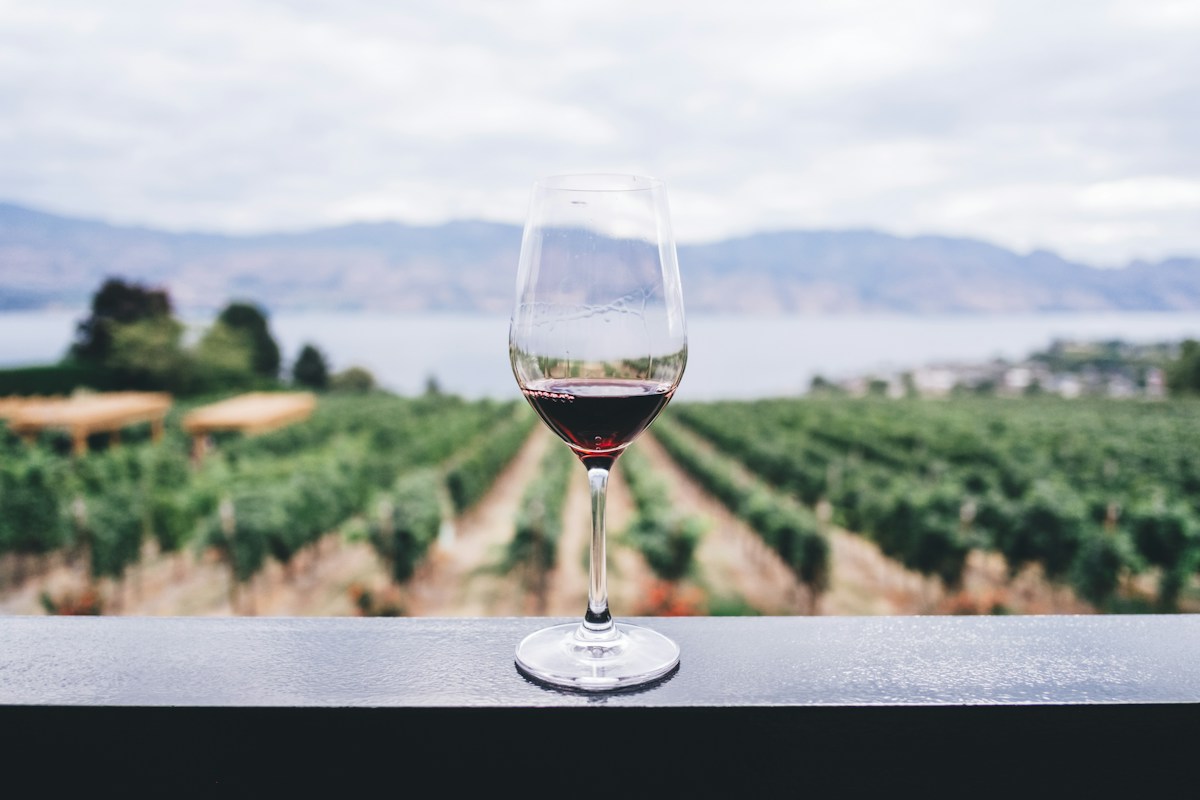
It begins with a dark shimmer in the glass. Deep purple, almost black at the rim, a faint violet reflex that recalls the sunset over the plateaus of Castile. The air fills with aromas of black cherries, plums, fine vanilla, dried herbs, and a hint of warm stone after a summer rain. One first sip – and suddenly you’re no longer standing in your living room, but on a barren plateau above the River Duero. The wind is cool, the sun relentless, the sky endless.
Ribera del Duero is more than just a wine region. It is a myth, born of extreme conditions, of centuries of perseverance, of the quiet devotion of winegrowers who have learned to coax the secret of time from Tempranillo – known here as Tinto Fino. The wines of Ribera del Duero are not loud seducers. They are deep, concentrated, structured – and they tell stories of stone and dust, of frosty nights and blazing light.
In this article, we dive into the DNA of this extraordinary DO: its soils, which act like geological memory banks; its dramatic continental climate that demands everything from the vine; its grape varieties – above all Tempranillo – which here find one of their noblest expressions; its history and tradition, shaped equally by monasteries, nobility, and avant-garde. And of course, into pleasure itself: How does a great Ribera del Duero taste – and with which dishes does it reveal its full magic?
---
The Inimitable Terroir and Climate
The soil:
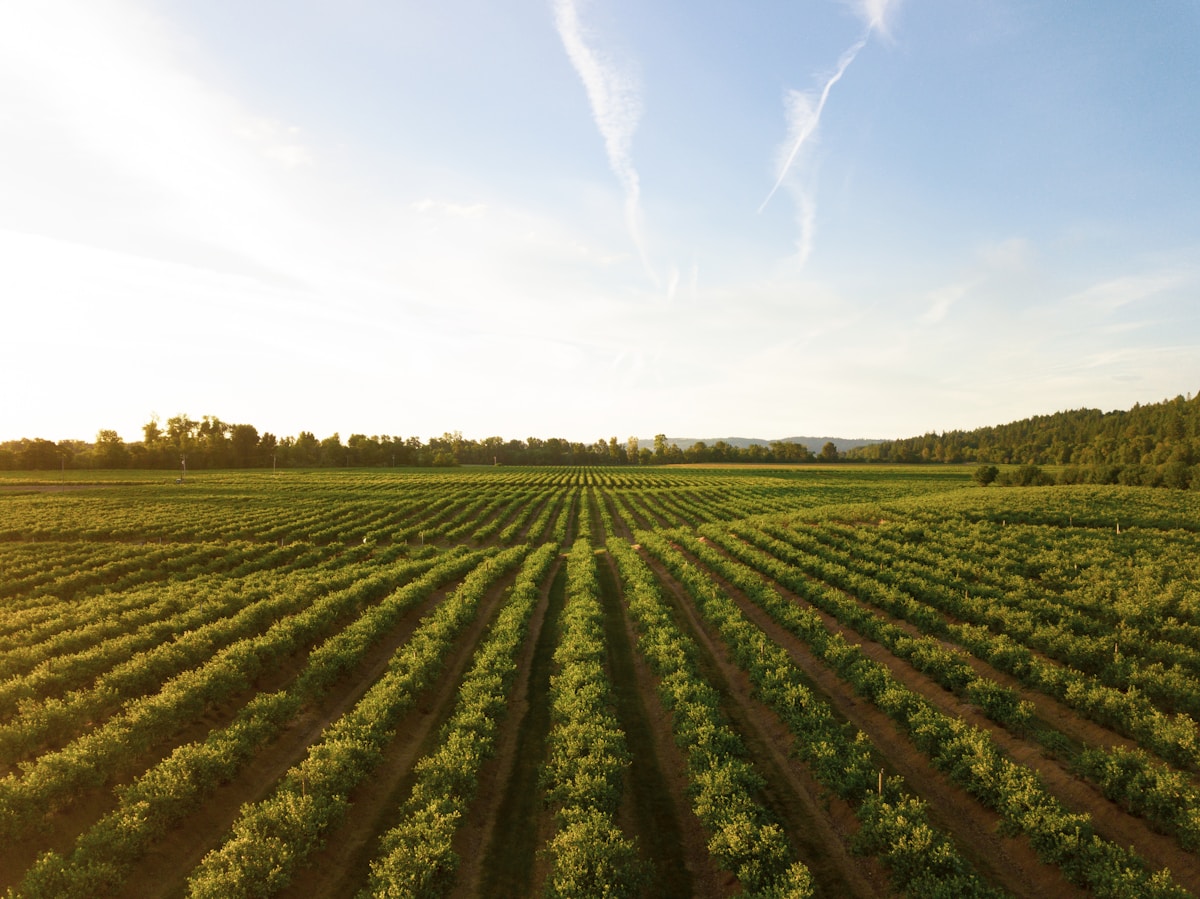
Ribera del Duero stretches along the Duero River for around 115 kilometers and lies largely on a plateau between 750 and 900 meters above sea level. This elevation is the foundation of its terroir character. The soils are varied, but they share one trait: They force the vines to concentrate.
- Limestone-rich clay and loam soils: Especially at higher elevations and on terraces, you find limestone-rich subsoils, often mixed with clay. These soils store water, release it only hesitantly, and thus promote deeply rooting vines. The result: Dense, structured wines with fine, often chalky tannins and remarkable freshness.
- Sandy and gravelly layers: Closer to the river and on alluvial terraces, sandy-gravelly soils dominate. They warm up quickly, provide good drainage, and encourage particularly pure fruit. Wines from here are often aromatically open, approachable Ribera del Duero styles with juicy berry fruit.
- Clay, marl, and occasional gypsum veins: These heavier soils yield wines of powerful stature, deep color extract, and long aging potential. Clay buffers temperature extremes and stabilizes the water balance – an invisible ally in extreme years.
This diversity of soils – limestone, clay, sand, gravel in complex mosaics – gives the region a fascinating range of styles. Yet one common denominator remains: concentration without heaviness, power with inner tension. A good Ribera del Duero carries the taste of stone within – subtle, but unmistakable.
The climate:
Ribera del Duero is a textbook example of an extreme continental-Mediterranean climate:
- Sunshine hours: Around 2,400–2,800 hours of sunshine per year – a gift for optimal ripening. The grapes readily achieve phenolic ripeness without losing freshness.
- Rainfall: With 400–600 mm of annual precipitation, the region counts among the drier zones of Spain. The vines must struggle, especially in hot years – this stress leads to smaller berries and higher concentration.
- Temperature variations: 40 °C in summer is not uncommon, while nights, thanks to the altitude, cool down significantly. Diurnal ranges of up to 20 °C are possible. This is the key to aroma development: intense sunlight by day, slow ripening and preservation of acidity by night.
- Winter cold & frost: Harsh winters with temperatures well below freezing, spring frosts, and early autumn frosts are part of reality. The vine is forced to do its work in a short, intense period – concentrating the essence of the year in the grape juice.
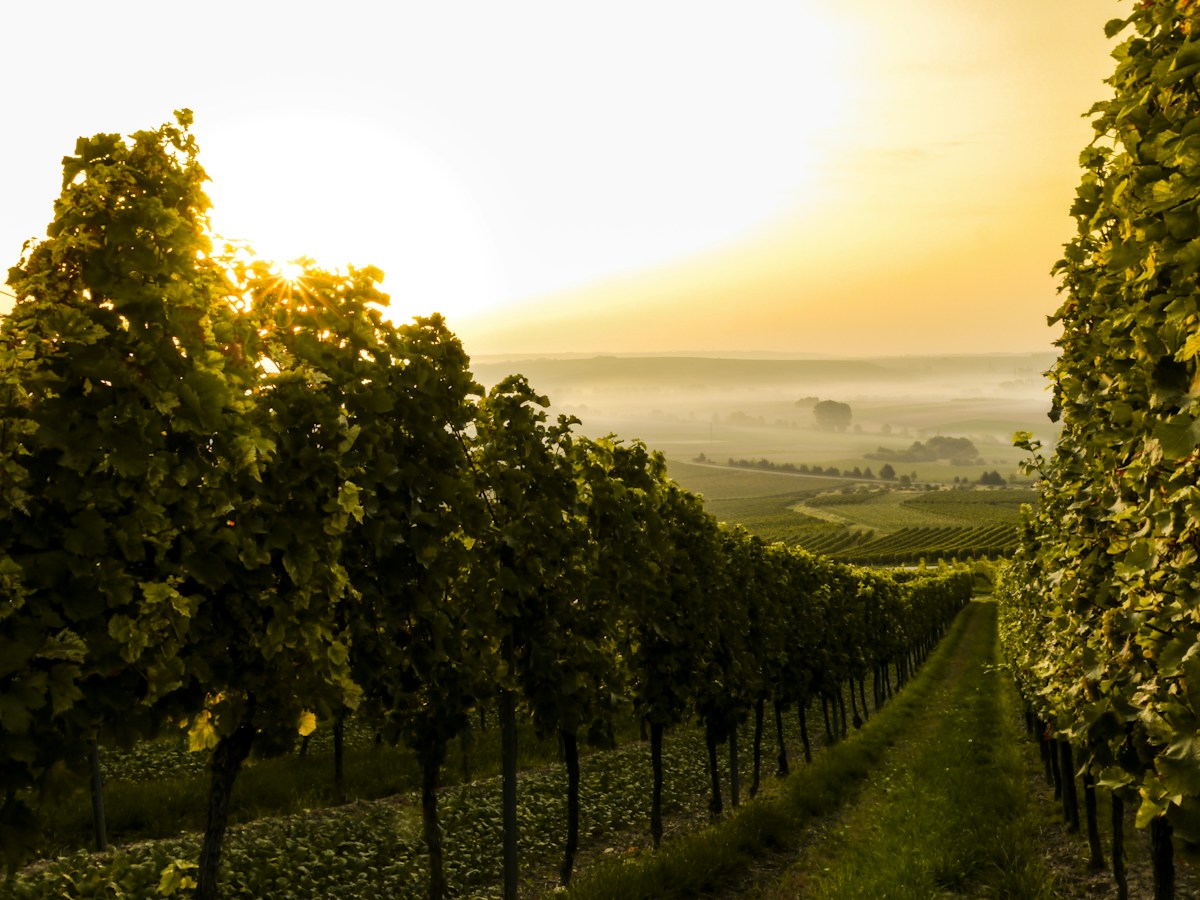
The interplay of high-altitude vineyards, meager soils, and enormous temperature contrasts makes Ribera del Duero one of the most exciting red-wine terroirs in the world. The wines feel like distilled landscape: concentrated, serious, yet never clumsy.
---
The Grape Varieties: The Beating Heart of the Region
The main players:
The undisputed queen of Ribera del Duero is Tempranillo, locally known as Tinto Fino or Tinta del País. Although genetically closely related to other Tempranillo clones (such as in Rioja), it shows a distinct face here:
- Tinto Fino (Tempranillo)
At Ribera del Duero’s elevations, Tempranillo develops smaller berries with thicker skins. This means:
- intense color (deep ruby to purple)
- high tannin structure, but fine-grained, rarely bitter
- concentrated aromas of black cherries, blackberries, plums, often accompanied by violets, tobacco, cocoa, and graphite
Tinto Fino ripens early, but can be ideally balanced by the climate and, with good vineyard work, shows an impressive capacity for longevity.
The DO requires that at least 75% Tempranillo be included in red wines. Many of the great icons, however, consist of 90–100% Tinto Fino.
The white/red varieties:
Even though Tempranillo dominates, Ribera del Duero shows subtler nuances through additional varieties:
- Red varieties:
- Cabernet Sauvignon: Brings structure, tannin, and cassis notes. Historically present in some of the region’s most famous cuvées, it lends backbone and aging ability.
- Merlot: Contributes richness and a velvety mouthfeel, rounded plum fruit, and softens firm tannins.
- Malbec: Present in smaller quantities, adding dark fruit, spice, and color.
- Garnacha Tinta: Rather rare, but in specific sites an important source of red-fruit and spicy aromatics.
- White varieties:
Ribera del Duero is clearly red-wine focused, but since 2019, one white grape has officially joined the stage:
- Albillo Mayor: The region’s historic, indigenous white variety, used for centuries as a blending component in red wines. Today it yields standalone whites: textured, with notes of pear, white blossoms, fennel, often slightly creamy and with surprising depth. Perfect for experiencing the terroir from a lighter-hued perspective.
---
History & Tradition
The history of Ribera del Duero is a journey through centuries in which wine was always more than just a drink – it was culture, commerce, identity.
- Roman roots and monastic influence: Archaeological finds show that the Romans were already growing vines along the Duero. Later, it was mainly Cistercian and Benedictine monasteries in the Middle Ages that preserved and refined knowledge about pruning, site selection, and cellar work. Wine served as sacramental wine, nourishment, and currency.
- Nobility and estates: In the late Middle Ages and early modern period, noble families and large landowners took over extensive estates. Wine became a status symbol – and Ribera del Duero developed into a preferred origin for high-quality red wines supplied to royal courts and elites.
- The birth of the modern era: Despite its long tradition, Ribera del Duero remained an insider tip for a long time. Only with the creation of the Denominación de Origen (DO) Ribera del Duero in 1982 did the region officially step into the limelight. Pioneering estates such as Vega Sicilia had already proven that the high plains of the Duero can produce world-class wines.
- Quality system and classifications: Similar to Rioja, there are aging indications:
- Crianza: At least 12 months in oak, at least 24 months of total aging.
- Reserva: At least 12 months in oak, at least 36 months total aging.
- Gran Reserva: At least 24 months in oak, at least 60 months total, of which at least 36 in bottle.
Beyond this, many top estates rely on single-vineyard wines and their own aging philosophies that often go well beyond the legal minimum requirements.
Today, Ribera del Duero stands for the symbiosis of tradition and avant-garde: ancient bush vines alongside state-of-the-art cellar technology, meticulous hand harvesting, low yields, and ever more sensitive use of oak. The result is wines that clearly articulate their origin and are at the same time understood worldwide.
---
Pleasure & Perfect Pairings
Sensory profile:
A typical Ribera del Duero red wine based on Tinto Fino presents itself in the glass as:
- Color: Deep, dark cherry red to purple, clear intensity, with mostly violet rims in young wines.
- Nose:
- Primary aromas: Black cherry, blackberry, plum, often with a hint of raspberry.
- Secondary aromas (from aging): Vanilla, coconut, toast, coffee, dark chocolate, leather – depending on the use of American or French oak.
- Tertiary aromas (maturity): Tobacco, cigar box, dried fruits, undergrowth, balsamic notes, a hint of truffle or graphite.
- Palate:
- Body: Medium to full, yet almost always carried by an acidity that lends freshness.
- Tannins: Present, ripe, often finely polished in top wines, sometimes youthfully firm in Crianzas.
- Mouthfeel: Velvety, dense, with a long finish that can seem almost mineral.
Good Ribera del Duero wines combine intense fruit with structure and an inner coolness reminiscent of dark stone and herbs.
Food pairing:
The wines of Ribera del Duero are born food companions – especially for powerful, aromatic cuisine.
- Classic regional pairings:
- Lechazo asado – milk-fed lamb roasted in a wood-fired oven, crispy on the outside, meltingly tender within. The tannins in the wine latch onto the fat, the acidity cuts through the juiciness, and the roasted notes mirror the barrel aging.
- Cochinillo – Castilian suckling pig with crisp crackling. The sweet-spicy notes of the meat harmonize perfectly with the dark fruit core of a Crianza or Reserva.
- Chorizo and Morcilla (blood sausage) – robust sausages whose spiciness is beautifully balanced by the fruit and structure of Tempranillo.
- Ambitious international cuisine:
- Dry-aged beef (entrecôte, ribeye, T-bone): A Reserva with ripe fruit, complex oak notes, and silky tannins is an ideal partner.
- Game dishes – venison, deer, wild boar: Especially Gran Reservas with mature notes of leather, undergrowth, and dried fruits complement the earthy depth of the meat.
- Braised dishes – oxtail, lamb shank, ossobuco: Long-braised, collagen-rich dishes benefit from the structure and volume of the wine.
- Aged hard cheeses – Manchego Curado, aged Idiazabal or Comté: The salty, nutty aromas meet sweet fruit and spice notes – a duel among equals.
Albillo Mayor, the region’s white side, pairs beautifully with grilled fish, maritime tapas, Jamón Ibérico, aged goat cheese, or delicate dishes of white poultry with cream sauces.
---
FAQ – The 10 Most Important Questions About Ribera del Duero
1. What makes Ribera del Duero wines so special?
Ribera del Duero unites extreme altitude, continental climate, and limestone-rich soils into an unmistakable terroir. The resulting Tempranillo wines are powerful, deep, and at the same time astonishingly fresh – with great aging potential and a clear sense of place.
2. Which grape varieties dominate in Ribera del Duero?
The dominant variety is Tempranillo, locally Tinto Fino or Tinta del País. Allowed as additions are, among others, Cabernet Sauvignon, Merlot, Malbec, and Garnacha Tinta, and for white wine, Albillo Mayor.
3. How does a typical Ribera del Duero wine taste?
A classic Ribera del Duero shows intense aromas of black cherries, blackberries, and plums, along with notes of vanilla, cocoa, tobacco, and spices. On the palate it is structured, with ripe tannins, good acidity, and a long, often mineral-tinged finish.
4. How long should you age Ribera del Duero wines?
Crianza wines can usually be enjoyed 5–8 years after the vintage. Reservas often reveal their full potential after 8–15 years. Great Gran Reservas and top cuvées from old vines can age 20 years and longer.
5. Which dishes pair well with Ribera del Duero wines?
Ideal are hearty meat dishes such as lamb, beef, game, braised dishes, as well as spicy sausages and aged hard cheeses. Regional classics like Lechazo asado or Cochinillo are considered perfect partners.
6. What is special about Ribera del Duero’s terroir?
The combination of high altitude (up to approx. 900 m), limestone-rich clay and loam soils, sandy-gravel terraces, and extreme temperature differences between day and night is unique. This terroir produces concentrated yet fresh wines with a distinctive tannin structure.
7. Which wineries in Ribera del Duero are particularly recommended?
Among the most renowned producers are Vega Sicilia, Pingus (Dominio de Pingus), Aalto, Pesquera (Tinto Pesquera), and Emilio Moro. They represent different styles but all share a high level of quality.
8. How much does a good Ribera del Duero wine cost?
- Entry level: Good Crianzas usually start at around €10–15.
- Mid-range: Ambitious wines and Reservas often fall between €20–40.
- Premium segment: Icon wines and single-vineyard Gran Reservas can cost €80 to well over €300 per bottle.
9. When is the best time to visit Ribera del Duero?
The best times are spring (April–June) and autumn (September–October). In autumn you can feel the tension of harvest, in spring the awakening of the vines. Summers can be very hot, winters bitterly cold.
10. What are good alternatives to Ribera del Duero wines?
If you love the style, you’ll find similar characters in regions like Toro (even more powerful), Priorat (mineral and spicy, often with Garnacha and Cariñena), or in structured Tempranillo wines from Rioja Alavesa. Internationally, high-quality Malbecs from Mendoza or Cabernet-based blends from Bordeaux offer similar density and structure – albeit with a different terroir imprint.
---
Conclusion: A Wine That Touches the Soul
Ribera del Duero is not a wine you simply “drink”. It is an experience, a plunge into a landscape that becomes audible in every sip: the wind sweeping over the high plateaus, the crunch of chalky earth underfoot, the whisper of old vines that have already outlived generations.
When you uncork your next bottle of Ribera del Duero, take a moment. Look at the color in the glass, breathe in the aromas deeply, let the first sip glide very slowly over your tongue. Picture the harsh winters, the hot, clear days, the cool nights, the patient hand of the winegrower in the vineyard and in the cellar.
You’re not just tasting Tempranillo. You’re tasting history, stone, light, and time. And perhaps, very softly, a fragment of eternity.
Now is the moment to live this story for yourself: Seek out a bottle of Ribera del Duero – whether an elegant Crianza or a majestic Gran Reserva – open it, give it a generous decant, cook something you love, and let the region come alive in your glass. Ribera del Duero is waiting to be discovered by you.