Rioja – Where Time Stands Still in the Glass and Tempranillo Becomes Legend
Rioja: Spain’s iconic wine region. Discover terroir, Tempranillo, Gran Reserva, bodegas & food pairing. A guide for demanding wine lovers.
Rioja – Where Time Stands Still in the Glass and Tempranillo Becomes Legend
Meta-Description: Rioja: Spain’s iconic wine region. Discover terroir, Tempranillo, Gran Reserva, bodegas & food pairing. A guide for demanding wine lovers.
Keywords: Rioja, Rioja wine, Rioja Spain, Tempranillo, Gran Reserva, Rioja red wine, Rioja white wine, Bodegas Rioja, Rioja terroir, Rioja winery
---
Introduction: The First Sip of Eternity
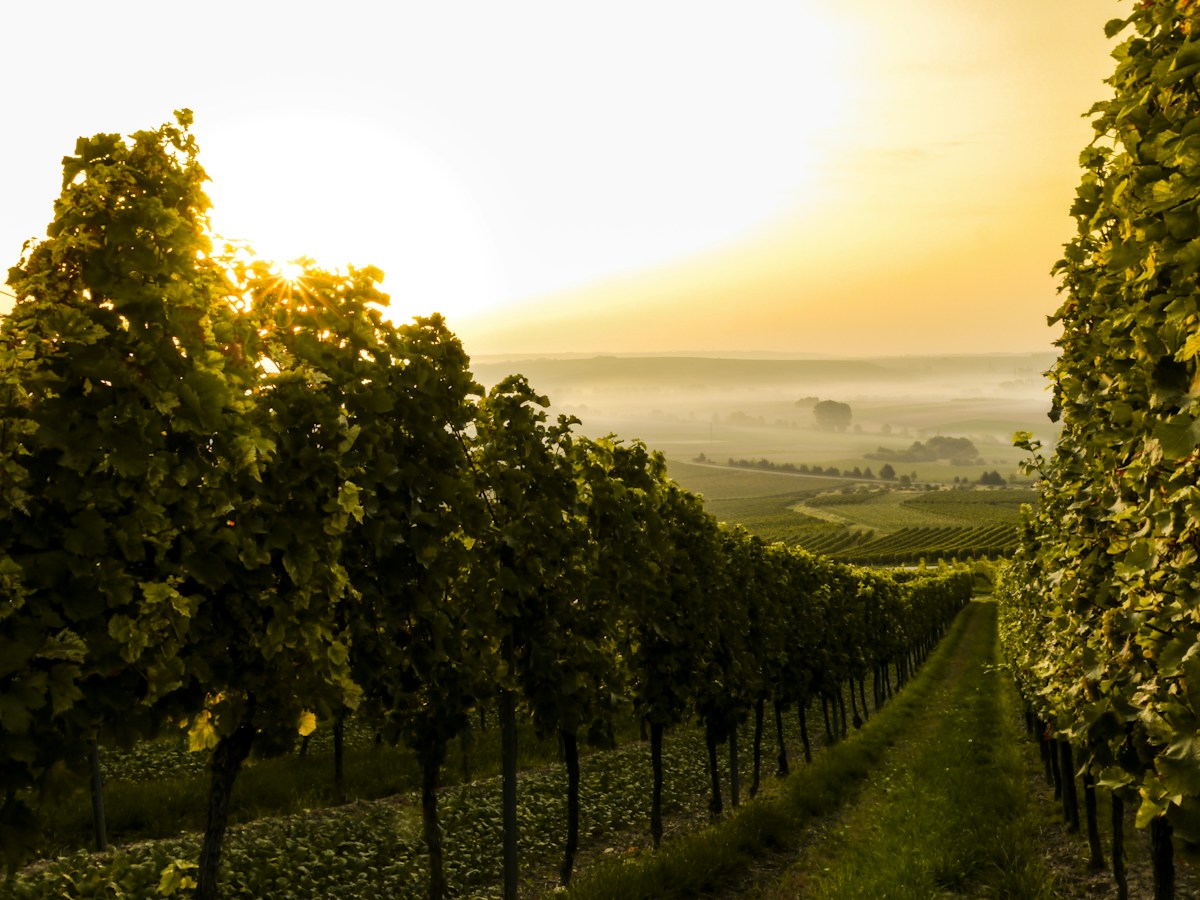
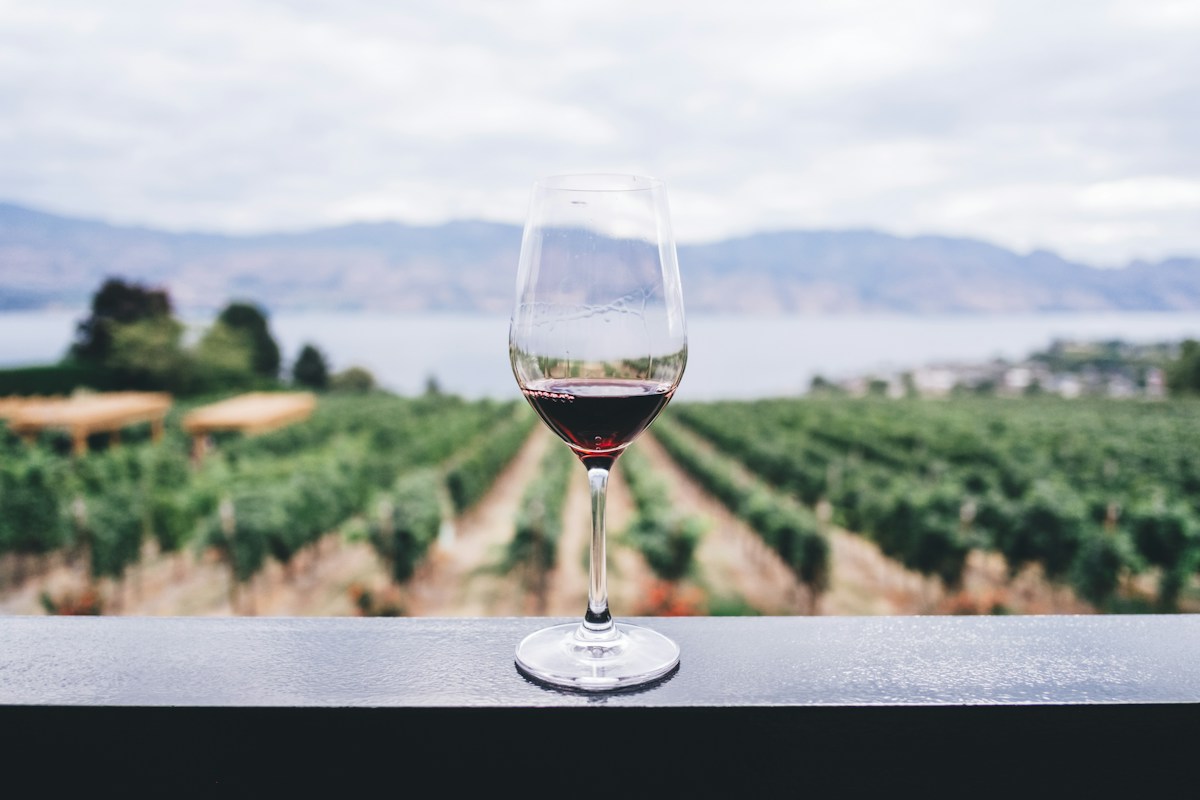
Picture this: The sun hangs low over the gently rolling hills of northern Spain, the wind carries the scent of warm limestone, dried herbs and ripe berries. A glass of Rioja red wine shimmers ruby in the evening light, delicate notes of vanilla and coconut rise from the glass, behind them dark cherries, tobacco, a hint of leather – and for a moment time seems to stand still.
Rioja is not just a wine region in Spain. Rioja is a myth. A promise of constancy in a fast-paced world. A place where Tempranillo has been speaking its own language for centuries – in barrique, in bottles, in silent cellars where dust is nothing but condensed history.
Between the Sierra Cantabria in the north and the Sierra de la Demanda in the south stretches one of the most famous wine regions in the world: Rioja, divided into Rioja Alta, Rioja Alavesa and Rioja Oriental (formerly Rioja Baja). Here, old bush vines, traditional American oak barrels and cutting-edge wine architecture meet. In this article, we dive deep into the soils, grape varieties, climate and soul of Rioja – and into what makes its wine a liquid piece of eternity.
---
The Distinctive Terroir and Climate
#### The soil:
The magic of Rioja begins beneath the surface. Three main soil types shape the terroir:
- Calcareous clay soils
Particularly in Rioja Alavesa and parts of Rioja Alta, limestone-rich, stony soils dominate. They retain water without “spoiling” the vines, forcing the roots deep into the subsoil and bringing tension, freshness and finesse to the wines. Tempranillo from these sites often feels cooler, with precise fruit and marked acidity.
- Clay-limestone / clay-ferrous soils
In many parts of the region you find red, iron-rich soils. They give the wines structure, color and a certain warmth in the aromatic spectrum: dark berries, plums, some earthy spice. This is where powerful, full-bodied Rioja reds are often born, with excellent aging potential.
- Alluvial soils along the Ebro
Near the river, especially in Rioja Oriental, alluvial soils of gravel, sand and stones cover the banks. They offer perfect conditions for Garnacha when yield and irrigation are controlled. The wines show sun-kissed character, rounded tannins and juicy fruit.
The combination of limestone, clay, iron and river gravel is the reason Rioja produces wines with such breadth: from delicate, mineral-driven Crianzas to majestic Gran Reservas that endure for decades in the cellar.
#### The climate:
Climatically, Rioja is a field of tension – and that is precisely what makes its wines so fascinating.
- Atlantic influence
In the west, in Rioja Alta and parts of Rioja Alavesa, the Atlantic influence moderates the climate. Around 450–600 mm of rainfall per year, often cooler nights and mild summers provide a longer growing season and slowly ripening grapes. The result: wines with vibrant acidity, cooler fruit and great elegance.
- Continental character
In many parts of the region, day-night temperature differences are clearly noticeable. Hotter days and cool nights encourage slow phenolic ripening while preserving acidity. This thermal amplitude is a key factor in the balance of ripeness and freshness in Rioja wine.
- Mediterranean influence in Rioja Oriental
In the east, in Rioja Oriental, the climate becomes drier and warmer, with a stronger Mediterranean touch. Here, Garnacha benefits from intense sunshine, and in suitable sites produces opulent, spicy wines with soft tannins and generous fruit.
The Cierzo – a dry, cool northwesterly wind – as well as local winds ventilate the vineyards, reduce fungal diseases and allow for nature-friendly viticulture. Overall, Rioja offers the grower a mosaic of microclimates that allows for precise site selection and stylistic diversity.
---
The Grape Varieties: The Heart of the Region
#### The leading players:
- Tempranillo
The undisputed queen of Rioja. It ripens early (“temprano”), has medium-sized berries and is a master at reflecting terroir and élevage. Tempranillo from Rioja shows aromas of cherry, red and black berries, plum, and with maturation often tobacco, leather, licorice, dried herbs and a delicate vanilla and coconut spice (especially from American oak).
On the palate: usually medium to full-bodied, balanced acidity, fine, often chalky tannins. The variety provides the structure and backbone for many of the longest-lived Rioja Gran Reservas.
- Garnacha (Garnacha Tinta)
Traditionally an important component of Rioja blends, especially in the warmer east. Garnacha brings juicy red fruit (strawberry, raspberry), spices, sometimes a hint of white pepper and supple tannins. It adds charm, volume and warmth to the blend and is now once again playing an exciting starring role in its own single-vineyard wines.
- Graciano
The quiet, aristocratic grape. It ripens late, is demanding in the vineyard, but indispensable for complex, ageworthy Rioja wines. Graciano brings intense color, fresh acidity, floral notes, dark fruit and a pronounced structure. In small proportions it delivers length, freshness and aromatic depth – the essence of longevity.
- Mazuelo (Carignan)
Mazuelo is powerful, tannic and contributes structure and acidity to stabilize the blends. Rarely bottled as a varietal wine, but in the blend it is the quiet architect of backbone and aging potential.
#### The white and red varieties:
Alongside red wines, Rioja white wine has reinvented itself in recent decades:
- Viura (Macabeo)
The most important white grape in Rioja. Traditionally often made oxidatively with long barrel aging, today increasingly vinified fresh, precise and terroir-driven. Typical aromas: green apple, citrus, white flowers, herbs, with barrel age also nuts, honey and wax. Excellent Viuras from limestone-rich soils show astonishing aging potential and can stylistically recall white Bordeaux or mature Burgundy.
- Tempranillo Blanco
A natural mutation of red Tempranillo – a Rioja specialty. Produces aromatic, structured wines with notes of stone fruit, citrus and sometimes a touch of tropical fruit.
- Other white varieties
Garnacha Blanca, Malvasía Riojana and, increasingly, international grapes like Sauvignon Blanc and Chardonnay round out the spectrum – mostly in blends, sometimes single-varietal, particularly in more modern styles.
The interplay of these grape varieties, combined with the chosen élevage (American oak, French oak, large foudres, concrete tanks, large wooden casks), makes Rioja one of the stylistically most diverse wine regions in the world.
---
History & Tradition
Rioja’s wine culture dates back to antiquity: as early as the Romans, vines were cultivated here. In the Middle Ages, monasteries and pilgrims on the Camino de Santiago further spread viticulture. Rioja was an early byword for quality within Spain – but the real modernization push came in the 19th century.
When phylloxera ravaged France, Bordeaux winemakers looked for alternatives. Some found a home in Rioja, bringing with them their knowledge of barrel aging, selection and cellar techniques, and laying the foundations for the region’s great barrique tradition. The combination of Tempranillo and American oak became the unmistakable hallmark of Rioja wine: vanilla, coconut, dill, paired with ripe fruit and velvety tannins.
In 1925, Rioja became the first Spanish region to receive Denominación de Origen (DO) status, followed in 1991 by the highest category, DOCa (Denominación de Origen Calificada) – a seal of quality that demands strict controls of yields, origin and quality.
Rioja is famous not only for its bodegas, but also for its unique aging system:
- Crianza: at least 2 years of aging, including 1 year in wood (red wine)
- Reserva: at least 3 years, including at least 1 year in wood
- Gran Reserva: at least 5 years, including at least 2 years in wood and 2 years in bottle
Traditionally, this classification refers more to length of aging than to the origin of the grapes – an approach that shaped Rioja for decades. In recent years, however, the topic of site and origin typicity has gained importance: “Viñedo Singular”, “Vino de Municipio”, “Vino de Zona” – new categories that place greater focus on terroir. Today, many top producers combine the historic legacy of barrel aging with a fine, Burgundian precision in defining provenance.
---
Pleasure & Perfect Pairings
#### Sensory profile:
Rioja red wine – whether Crianza, Reserva or Gran Reserva – in the classic style shows:
- Color: ruby to garnet, with age often a brick-red rim
- Nose: red and black cherries, blackberry, plum; plus vanilla, coconut, dill and licorice from the barrel, later tobacco, leather, cedar, dried flowers and forest floor
- Palate: medium to full-bodied, fine-grained to velvety tannins, balanced acidity, often an impressive harmony of fruit, spice and maturity. In Gran Reservas, tertiary aromas join in – dried fruits, cigar box, mushrooms, truffle.
Modern Rioja styles tend toward less oak, more freshness and clearer fruit, sometimes with a touch of French oak and a focus on single vineyards. They often show blue fruit, violets, graphite and a very clear, mineral line.
Rioja white wine ranges from fresh and citrusy to complex and creamy:
- Young styles: citrus, green apple, pear, white flowers, lively acidity.
- Mature Viura and barrel-aged whites: honey, nuts, dried herbs, wax, brioche – with a texture reminiscent of great white Burgundy.
#### Food pairing:
Rioja is a dream for culinary staging – especially for sommeliers and ambitious connoisseurs:
- Crianza red
Perfect with tapas: Jamón Ibérico, chorizo, albóndigas, grilled vegetables, patatas bravas. Also ideal with grilled chicken, lamb cutlets or pasta with tomato ragù.
- Reserva red
Pairs beautifully with rack of lamb, oxtail stew, braised beef (Rabo de Toro), ossobuco, aged Manchego, mushroom risotto or confit duck. The depth and structure of a Reserva balance rich dishes effortlessly.
- Gran Reserva red
Here we are talking about meditative wines. They suit refined dishes: venison or deer with wild mushrooms, truffle dishes, dry aged beef, slowly braised veal cheeks. But even with a simple, perfectly matured selection of sheep’s and cow’s milk cheeses and a piece of crusty bread, a Gran Reserva can display all its nobility.
- Rioja white wine
Fresh, young Viura: superb with seafood, oysters, ceviche, goat cheese, summer salads.
Barrel-aged, structured whites: ideal with scallops, turbot, cod with mushroom ragout, poultry in cream sauce or saffron risotto.
Those who want to experience the local cuisine pair Rioja with Patatas a la Riojana (potato stew with chorizo), grilled lamb cutlets “chuletillas al sarmiento” (grilled over vine cuttings) or Bacalao a la Riojana (cod in pepper-tomato sauce).
---
FAQ – The 10 Most Important Questions about Rioja
1. What makes Rioja wines so special?
Rioja combines a unique terroir with a long tradition of barrel aging and a clearly structured aging classification. The wines are distinctive, ageworthy and available in a wide range of styles – from classically matured to modern fruit-driven.
2. Which grape varieties dominate in Rioja?
For red wines, Tempranillo takes center stage, supported by Garnacha, Graciano and Mazuelo. For whites, Viura dominates, complemented by Tempranillo Blanco, Garnacha Blanca, Malvasía Riojana and some international varieties.
3. What does a typical Rioja wine taste like?
A classic Rioja red shows aromas of cherry, plum, dark berries, plus vanilla, coconut and spice from the barrel, with increasing age tobacco, leather and dried fruits. On the palate it is usually medium to full-bodied, with fine tannins and harmonious acidity.
4. How long should you age Rioja wines?
- Crianza: 3–8 years after the vintage
- Reserva: 5–15 years, depending on producer and vintage
- Gran Reserva: often 10–30 years or more
Good Viura-based whites, especially those aged in barrel, can age astonishingly well for 5–15 years and beyond.
5. Which dishes pair well with Rioja wines?
Rioja pairs wonderfully with lamb, beef, game, braised dishes, tapas, aged cheeses and robust Mediterranean cuisine. White Riojas are excellent companions for fish, seafood, poultry and creamy dishes.
6. What is special about Rioja’s terroir?
The combination of calcareous clays, iron-rich clays, alluvial soils, plus the interplay of Atlantic, continental and Mediterranean climates creates exceptional diversity. These conditions enable wines with balance, depth and impressive longevity.
7. Which wineries in Rioja are particularly recommended?
Some renowned benchmarks are La Rioja Alta, Marqués de Murrieta, CVNE (Compañía Vinícola del Norte de España), López de Heredia Viña Tondonia and Muga. They represent different styles – from classic-traditional to contemporary-precise.
8. How much does a good Rioja wine cost?
- Entry level: solid Crianzas from about €8–12
- Mid-range: high-quality Reservas and selected single-vineyard wines between €15–30
- Premium: icons and Gran Reservas from renowned bodegas from €40 to well over €100 – often with an excellent price-pleasure ratio by international standards.
9. When is the best time to visit Rioja?
Particularly appealing is September to October during harvest, when the vineyards glow in warm colors and the cellars are full of life. Spring (April–June) also offers mild weather, clear air and fewer visitors – ideal for exploring bodegas at leisure.
10. What are good alternatives to Rioja wines?
Those who love the style of Rioja will find similar wines in regions such as Ribera del Duero (more powerful Tempranillo types), Navarra (Garnacha & Tempranillo), Toro, or in classically aged Rioja-like Tempranillo from Castilla y León. Internationally, some barrique-aged wines from Bordeaux, Tuscany (Sangiovese blends) or even Argentina offer comparable structures, yet with their own identities.
---
Conclusion: A Wine That Touches the Soul
Rioja is more than a place of origin on a label. It is the gentle creak of old barrels in dark cellars. It is the scent of cherries, tobacco and vanilla in a glass you finally uncork after years of aging. It is the knowledge that here, generations of vintners have worked with respect, patience and dedication long before wine became a lifestyle object.
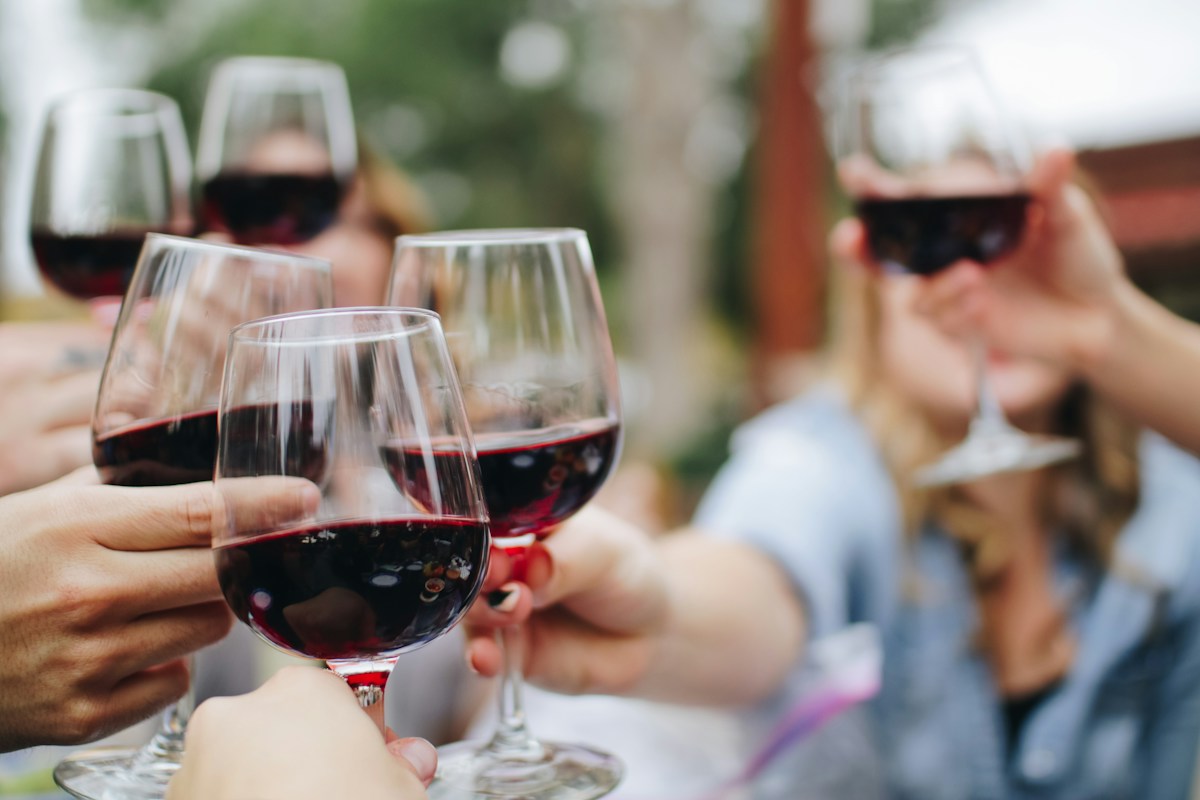
Anyone who opens a bottle of Rioja – whether a youthful Crianza or a venerable Gran Reserva – is always uncorking a piece of history. A glass in which sun and wind, limestone and clay, tradition and modernity meet.
Perhaps now is the moment to choose a special bottle of Rioja, pull the cork with care, swirl the glass and take that first sip. Listen to the silence between two breaths – and let Rioja tell you what time tastes like when it decides, in wine, to stand still for a fleeting moment.