Barossa Valley: Where Wine Stores the Heat of the Continent and the Coolness of Eternity
Discover Barossa Valley.
Barossa Valley: Where Wine Stores the Heat of the Continent and the Coolness of Eternity
Meta description: Barossa Valley – Australia’s mythical wine region. Discover terroir, Shiraz, old vines, food pairings & travel tips for discerning wine lovers.
Keywords: Barossa Valley, Barossa Valley wine, Barossa Shiraz, Australian wine, Australian wine region, old vines, terroir, Barossa Valley Wine, Barossa Grenache, Barossa Cabernet
---
Introduction: The First Sip of Eternity
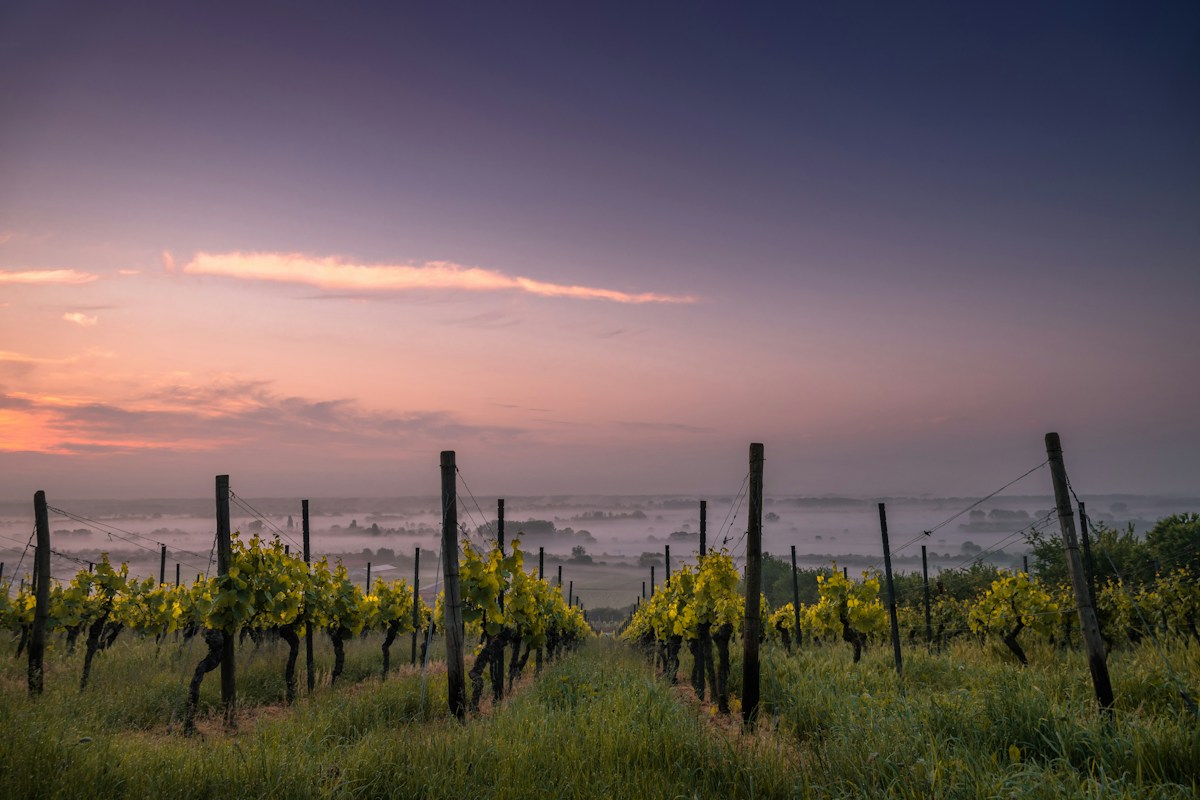
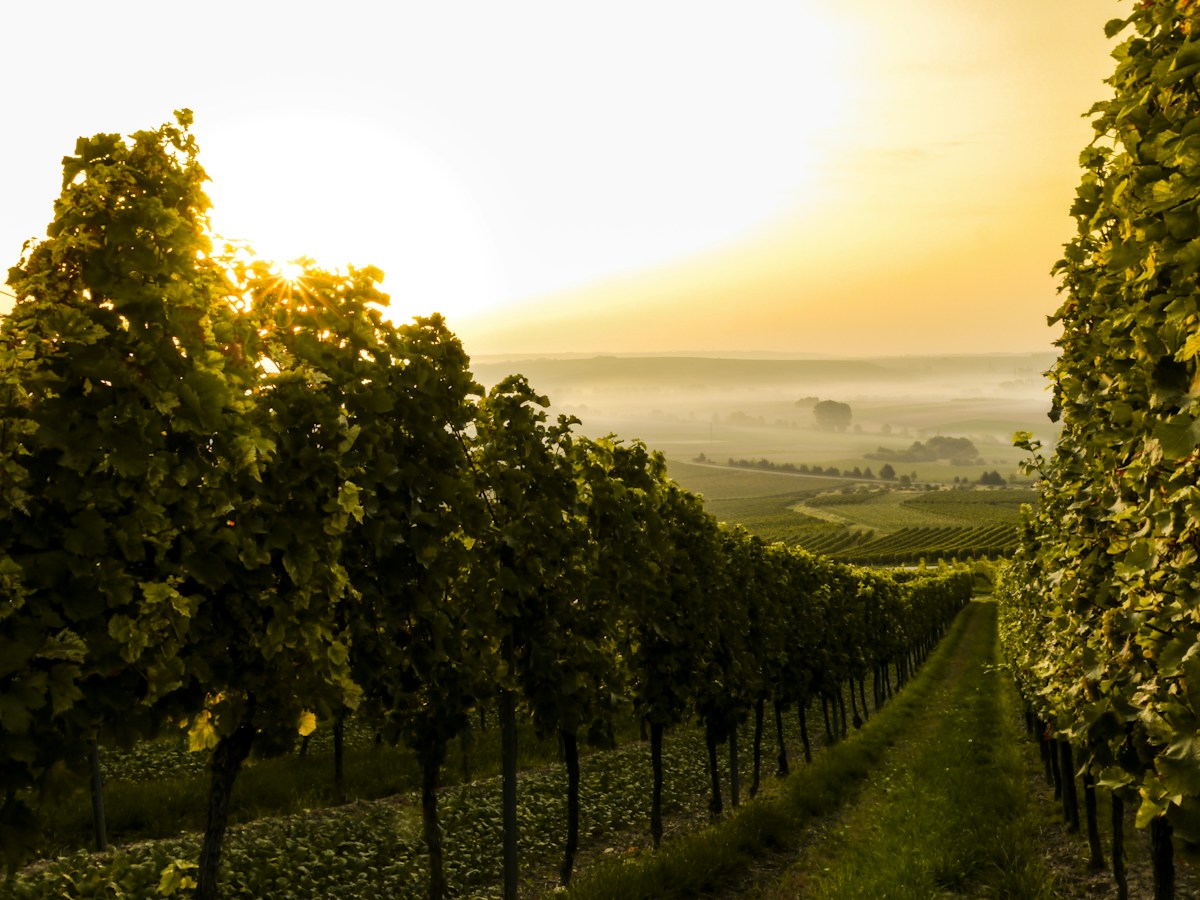
Imagine standing in the cool morning air as the sun slowly rises over gently rolling hills. A fine veil of mist lies over the vines, as if the Barossa Valley were keeping its secrets to itself for just a moment longer. The air already carries a hint of warmth, of red earth, of eucalyptus, and of that quiet, electric tension that arises when nature and humans enter into a silent alliance over generations.
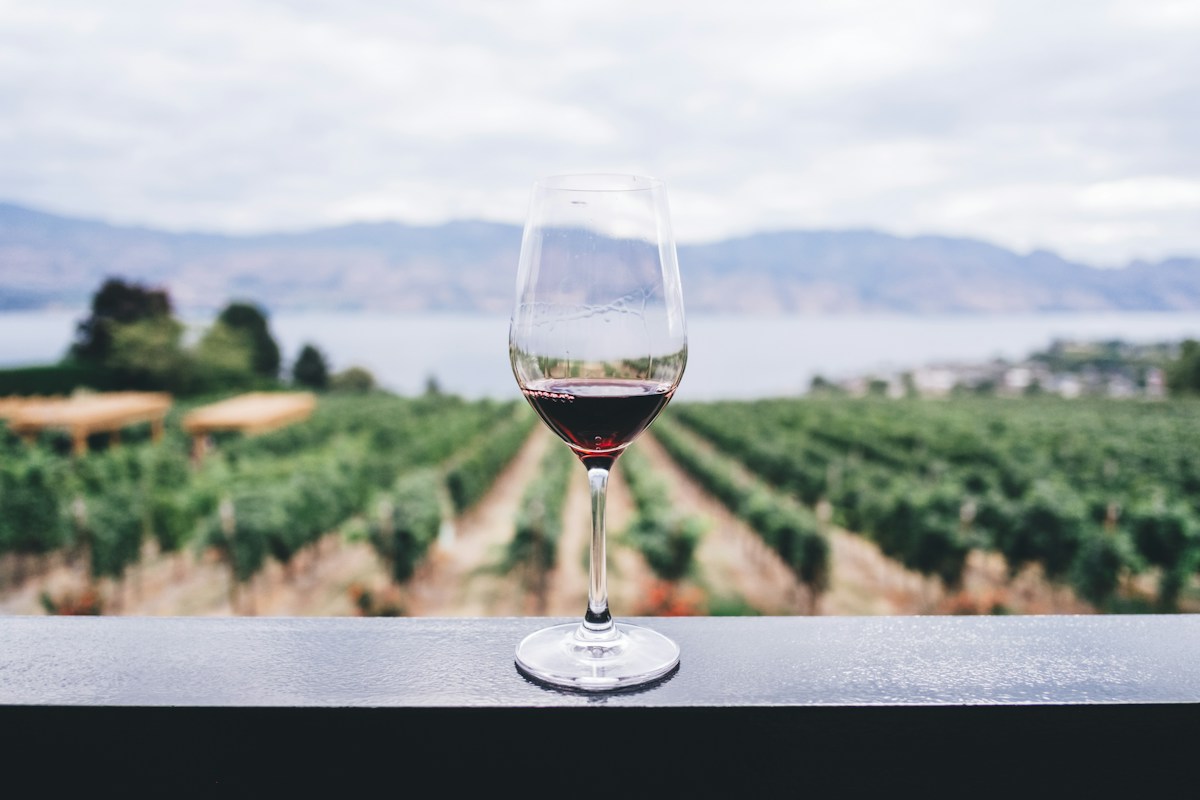
You lift the glass to your nose. Black plum, ripe blackberries, dried herbs, a hint of licorice and dark chocolate. A shadow of smoke, a whisper of old wood. The first sip is not just a drink – it is a landscape, a story, a promise.
Barossa Valley is not a wine region you simply visit. Barossa is a feeling you carry with you. A longing that deepens with every sip.
---
The Distinctive Terroir and Climate
#### The soil: Ancient earth, deep roots, intense souls
Barossa Valley is one of the oldest continuously cultivated wine landscapes in the New World. The soils form a mosaic that gives the wines their unmistakable depth:
- Reddish-brown clay over limestone: Especially in parts of the northern Barossa. It stores water and heat, encourages deep rooting, and gives the wines density, power, and dark, concentrated fruit.
- Sandy soils – such as in parts of Vine Vale: These produce more fragrant, finer Shiraz and Grenache wines, with seductive aromatics, silky texture, and an almost weightless lightness.
- Decomposed slate and sandstone: Provide structure, tension, and spice – a mineral vein that gives definition and clarity to the powerful fruit aromas.
The average age of the vines is remarkable – some plots were planted in the mid‑19th century, even before the phylloxera disaster in Europe. These “old vines”, whose roots penetrate deep into ancient layers, yield grapes of breathtaking concentration and inner calm. You can taste that they have lived through time.
#### The climate: Hot days, cool nights, caressing sunshine
Barossa Valley is fundamentally warm to hot, with a Mediterranean influence – an ideal climate for varieties that love heat yet are meant to retain their elegance. And yet the picture is more nuanced:
- Warm days ensure high physiological ripeness: intense fruit, velvety tannins, opulent textures.
- Cooler nights, influenced by higher elevations and air currents from the surrounding hills, preserve freshness, acidity, and aromatic complexity.
- The cooler Eden Valley subregion – geologically and climatically distinct, but part of the greater Barossa area – produces tauter Shiraz, ethereal Rieslings, and wines with an additional dimension of elegance.
This combination of Australian sunshine and surprising freshness is what makes Barossa wines so fascinating: They are opulent – but not clumsy, rich – but not tired. It is as if the heat of the day and the cool of the night dance together in every bottle.
---
The Grape Varieties: The Heart of the Region
Barossa Valley is above all a kingdom of Shiraz – but it would be a mistake to reduce the region to this single grape.
- Shiraz (Syrah)
The flagship of the Barossa. Here, Shiraz shows its most powerful, sensual face:
– Aromas of blackcurrant, blackberry, plum, often with licorice, mocha, chocolate, dried herbs.
– Texture: from creamy-soft, dark-fruited styles to taut, structured single-vineyard wines with a mineral backbone.
– Old vines on sandy or clay soils produce wines that have something almost sacred about them: quiet, profound, timeless.
- Grenache
Long underestimated in Europe, rediscovered in the Barossa. Old bush vines, often over 80 years old, yield:
– Bright, seemingly sweet red fruit: strawberry, raspberry, red cherry, plus spices, orange zest, rose petals.
– Tannins: fine, silky, with an almost Burgundian sensuality when carefully vinified.
- Mataro (Mourvèdre)
The earthy, spicy backbone of many blends:
– Earthy notes, dried herbs, leather, gamey aromas.
– Gives blends structure, depth, and a dark, mysterious spice.
- Cabernet Sauvignon
Impressively structured in cooler sites:
– Cassis, cigar box, graphite, cedar, firm tannins, great ageing potential.
- White wine surprises
– Riesling (especially from Eden Valley): citrusy, taut, limey, with crystal-clear acidity and remarkable capacity to age.
– Semillon: waxy, lemony, with honeyed maturity aromas – a quiet but fascinating storyteller.
---
History & Tradition
The history of the Barossa Valley begins with dreams and escape. In the mid‑19th century, mainly German and Anglo‑Celtic settlers came to South Australia – many of them in search of religious and economic freedom. They brought with them not only their language and culture, but also something more important than any law for a wine region: patience.
The first vines were planted as early as the 1840s. Phylloxera, which devastated Europe, largely spared Australia – a blessing that allowed the Barossa to preserve some of the oldest producing vines in the world.
Over generations, a rural artisan culture emerged, shaped by:
- Family wineries that treat their plots like heirlooms,
- traditional methods in the vineyard,
- and an increasing awareness that old vines are not nostalgic relics but living sources of complexity.
In the 1980s and 1990s, Barossa Valley became an international symbol of Australian power wines. Big, fruit‑driven Shiraz with high alcohol and plenty of oak thrilled critics and markets. Yet at the same time, a quiet revolution began: winemakers started to refocus on terroir and balance.
Today, Barossa is a fascinating synthesis:
- venerable tradition, old vines, manual work in the vineyard,
- combined with modern precision in the cellar,
- and a new generation of winemakers who value finesse, origin, and site character above sheer power.
---
Pleasure & Perfect Pairings
#### Sensory profile: When warmth takes shape
A classic Barossa Shiraz in the glass is like a velvet curtain opening:
- Color: deep, almost opaque, with violet reflections in youth and brick-red rims with age.
- Nose: dense aromas of ripe black plum, blackberries, black cherries, plus licorice, black pepper, dark chocolate, espresso, sometimes a note of dried meat, eucalyptus, vanilla from barrique.
- Palate: full-bodied, rich, with a creamy, gliding texture. The tannins are ripe and silky, the fruit concentrated, often with a hint of sweetness in impression – without actually being sweet. The best wines balance this opulence with surprising freshness and a salty, mineral vein.
Grenache from old vines seduces with:
- perfumed red fruits, floral notes, fine spices,
- an almost weightless mouthfeel that balances between lightness and depth.
Riesling from Eden Valley appears as the counterpart to the red opulence:
- lime, grapefruit, white flowers, wet stone,
- vibrant acidity, crystal-clear precision – a blade of light.
#### Food pairings: When kitchen and cellar embrace
Barossa wines belong at the table – ideally at a heavy wooden table where time does not matter.
With Barossa Shiraz:
- Grilled or braised beef (ribeye, short ribs, beef shoulder)
- Lamb – roasted on the bone with rosemary and garlic
- Game dishes – venison, deer, with dark jus and root vegetables
- BBQ & smoked meats – brisket, pulled pork, spareribs with smoky sauces
- Hard cheese – mature cheddar, mimolette, aged Gouda
With Barossa Grenache:
- Lamb chops with herbs
- Braised rabbit or chicken with Mediterranean spices
- Ratatouille, roasted vegetables, mushroom dishes
- Medium-strength, matured cheeses
With Barossa Riesling (Eden Valley):
- Oysters, scallops, ceviche
- Sashimi, sushi
- Lightly spicy Asian cuisine (Thai, Vietnamese)
- Fresh goat cheese, light fish dishes with lemon and herbs
---
FAQ – The 10 Most Important Questions About Barossa Valley
1. What makes Barossa Valley wines so special?
The combination of very old vines, diverse soils, a warm but not one‑dimensionally hot climate, and a deeply rooted winegrowing tradition. The wines combine opulent, ripe fruit with structure, spice and – in the best examples – astonishing freshness and longevity.
2. Which grape varieties dominate in Barossa Valley?
Above all Shiraz, followed by Grenache, Mataro (Mourvèdre), and Cabernet Sauvignon. Among whites, Riesling (from Eden Valley) and Semillon are especially noteworthy.
3. What does a typical Barossa Valley wine taste like?
A classic Barossa Shiraz is full-bodied, dark-fruited, and spicy: aromas of blackberries, plums, licorice, chocolate, and often vanilla or roasted notes from oak barrels. The texture is soft and rich, the tannins are ripe, the finish is long and warm.
4. How long should you cellar Barossa Valley wines?
- Entry-level wines: 3–5 years
- Good single-vineyard and reserve wines: 8–15 years
- Great icons from old vines: 15–25 years or longer.
White wines such as Eden Valley Riesling can mature for 10+ years, developing honey, petrol, and toast notes.
5. Which dishes pair well with Barossa Valley wines?
Hearty, aromatic dishes: grilled or braised meat, game, BBQ, aged hard cheeses, intense vegetables like braised eggplant or mushrooms. With Riesling: fish, seafood, Asian cuisine, goat cheese.
6. What is special about the terroir of Barossa Valley?
The mosaic of ancient soils (clay, sand, limestone, slate), very old ungrafted vines, and a warm climate with cool nights. This terroir allows the production of very dense wines that still retain their balance.
7. Which wineries in Barossa Valley are particularly recommended?
Legendary estates such as Penfolds (Grange), Henschke (especially Eden Valley), Torbreck, Yalumba, Rockford, Peter Lehmann, Two Hands, Langmeil, Standish, as well as many smaller boutique producers focused on single-vineyard wines.
8. How much does a good Barossa Valley wine cost?
- Solid entry-level wines: approx. €12–20
- Ambitious single-vineyard wines: €25–60
- Icon and cult wines from old vines: €80–300 and more.
Particularly interesting is the mid-range segment, where you can already find highly terroir-driven wines with excellent value for money.
9. When is the best time to visit Barossa Valley?
Ideally spring (September–November) and autumn (March–May): mild temperatures, clear air, impressive colors. During harvest (February–April), the region pulses with energy – an intense, sensory experience, especially for wine professionals and enthusiasts.
10. What are good alternatives to Barossa Valley wines?
If you like the style, alternatives include:
- McLaren Vale (Australia) – similarly powerful, often with maritime freshness,
- Heathcote (Victoria) – structure-driven Shiraz,
- Priorat (Spain) – dense, mineral Garnacha/Carignan,
- Châteauneuf‑du‑Pape (France) – spicy Grenache‑based blends with Mediterranean warmth.
But the specific combination of old vine culture, Australian sun, and Barossa soils remains unique.
---
Conclusion: A Wine That Touches the Soul
Barossa Valley is more than an indication of origin on a label. It is a cipher for warmth, depth, and dedication. For vines that have outlived generations. For winemakers willing to work to the rhythm of nature and think in the rhythm of time – not in the rhythm of markets.
When you pour a great Barossa Shiraz or an old‑vine Grenache into your glass, you taste more than fruit, oak, and tannin. You taste the red earth, the cool nights, the shimmering light of summer days, the stories of immigrants who found a new home on a harsh continent – and chose wine as their language.
For the discerning wine lover, the aspiring sommelier, the quiet connoisseur, Barossa Valley is an invitation:
to remember that wine can be more than a pleasure product –
namely a liquid memory.
And every sip a small moment of eternity.