Napa Valley – Where Cabernet Brushes the Stars and Time Stands Still in the Glass
Discover Napa Valley in USA. History, terroir, grape varieties and the best wines.
Napa Valley – Where Cabernet Brushes the Stars and Time Stands Still in the Glass
Meta description: Discover Napa Valley: legendary Cabernet Sauvignons, magical terroir, iconic wineries – a paradise for discerning wine lovers.
Keywords: Napa Valley, Napa Valley wine, Napa Valley Cabernet Sauvignon, Napa Valley wineries, California wine region, American wine, California red wine, Napa Valley terroir
---
Introduction: The First Sip of Eternity
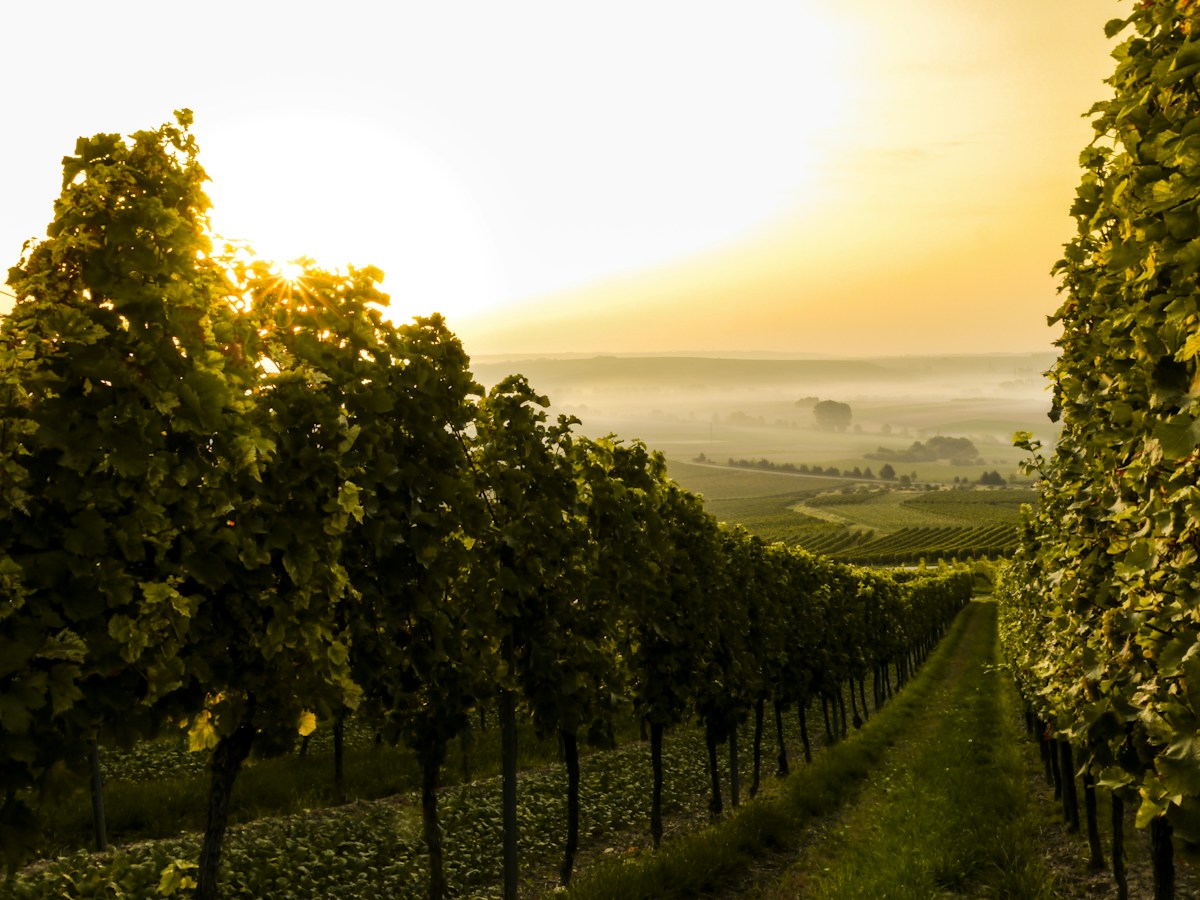
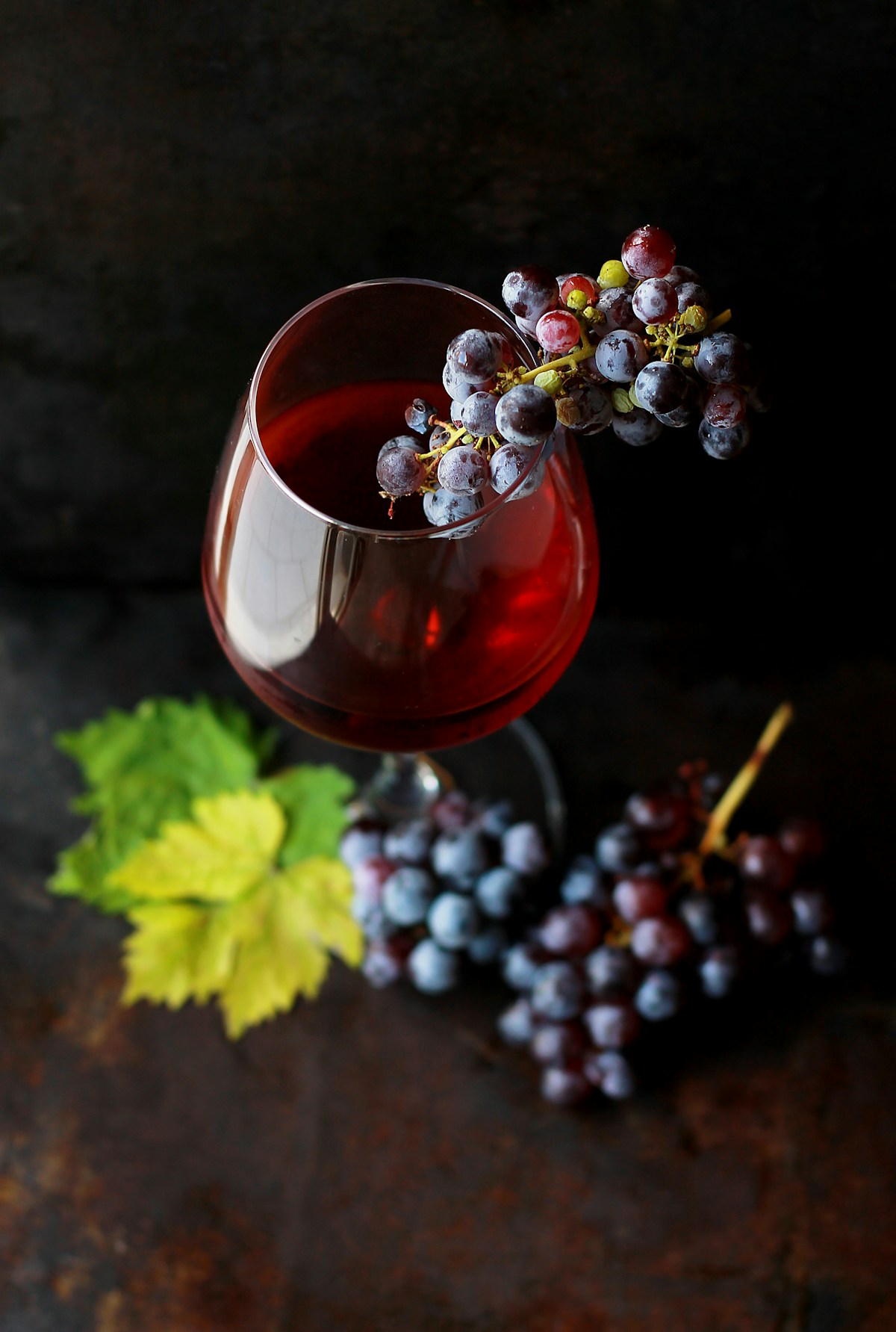
Evening settles over Napa Valley. Warm air carries the scent of sun-ripened blackberry, dried sage and a hint of vanilla. In the distance, the last embers of the day glow over the Mayacamas Mountains, while veils of fog rise up from San Pablo Bay like a silken curtain. In the glass before you: a deep, dark Cabernet Sauvignon, its color almost black-violet, its bouquet filling the air the moment you swirl it.
One sip – and suddenly time seems to slow. Dense, ripe fruit, finely honed tannins, an opulent yet never clumsy texture. It’s as if every inch of valley floor, every layer of volcanic rock and every cool morning sunbeam were resonating in this wine. Napa Valley is not just a wine region in California – it is a myth, a living legend, a promise of greatness in the glass.
In this article we dive deep into Napa Valley’s terroir: its dramatic soils, fascinating climate, and its iconic grape varieties – foremost among them the world-famous Napa Valley Cabernet Sauvignon. We explore a history that stretches from the Gold Rush to the “Judgement of Paris,” and show how to enjoy these wines in style and pair them to perfection.
---
The Distinctive Terroir and Climate
#### The soil:
Napa Valley is geological diversity on a grand scale. Across barely 50 kilometers in length and only a few kilometers in width you find more than 30 clearly distinct soil types – a mosaic that goes far beyond what many old European regions can offer.
- Volcanic soils (especially in the hills and mountains):
In the foothills of the Vaca and Mayacamas Mountains, volcanic rock dominates – basalt, tuff, ash-rich soils. These soils are often poor, well-drained, rich in minerals. They force the vines to root deeply and yield concentrated, structured wines with tension, dark fruit, graphite-like minerality and pronounced yet fine-grained tannins. High-elevation Cabernets from these soils often possess a linear, almost “sculptural” precision.
- Alluvial deposits (on the valley floor):
The central valley floor of Napa Valley consists of millennia-old deposits from rivers and streams. Gravel, sand, clay and pebbles alternate. On these soils, powerful, approachable wines are born, with opulent fruit, plenty of volume on the palate and a charming, velvety feel. They are often more “talkative,” ready to drink earlier, and reflect California’s generous side.
- Sedimentary soils and terrace sites:
On terraces and slopes you find ancient marine deposits, pockets of limestone, clay-rich parcels. These soils give rise to wines with a finer acid structure, floral notes and subtle elegance – ideal for complex blends or varieties such as Merlot and Chardonnay.
The uniqueness of Napa Valley’s terroir lies in this extreme heterogeneity in such a small area. Between Oakville, Rutherford, Stags Leap District or Howell Mountain there are often only a few minutes by car – stylistically, however, worlds apart.
#### The climate:
Napa Valley benefits from a classic, yet subtly modulated Mediterranean climate.
- Sunshine hours:
Long, sun-soaked days enable perfect ripening of Cabernet Sauvignon and its peers. The valley counts among the sunniest wine regions of the New World, without the dangerous overheating that plagues many continental zones.
- Influence of San Pablo Bay:
The southern Napa Valley around Carneros lies in immediate proximity to the bay. Cool, moist air streams into the valley in the afternoon and evening, often accompanied by fog that pushes as far as the central appellations. This natural “air conditioner” ensures significantly cooler nights and an extended growing season – essential for aromatic freshness and vibrant acidity.
- Diurnal temperature shifts:
In summer, daytime temperatures can rise well above 30 °C, but they drop significantly at night. These diurnal effects preserve acidity, promote complex aroma development and prevent overripeness. The result is wines that combine power and finesse.
- Rainfall & water stress:
Most of the rain falls in winter; summers are dry. Irrigation is used selectively and precisely to manage water stress. Applied judiciously, it encourages small, highly concentrated berries with dense tannins and intense aromatics.
Napa Valley shows how masterful viticulture can be when climate, topography and human hands enter into a dialogue aimed squarely at perfection.
---
The Grape Varieties: The Beating Heart of the Region
#### The main players:
- Cabernet Sauvignon – The Icon of Napa Valley
Napa Valley Cabernet Sauvignon is the epitome of luxurious, modern red wine. Typical aromas range from cassis, blackberry and ripe plum to black cherry, often underpinned by graphite, cedarwood, cigar box, dark chocolate and dried herbs. On the palate it shows full body, sumptuous yet fine-grained tannins, impressive density and astonishing freshness. The finest examples rank among the most age-worthy red wines in the world.
- Merlot – Velvety Seduction
Merlot from Napa displays dark plum, black cherry, cocoa and sometimes a hint of mocha. It is rounder, softer and more approachable in its youth than many Cabernets and often plays a harmonizing, creamy role in blends. In cooler subregions, Merlot can attain an almost Bordelais elegance.
- Cabernet Franc & Petit Verdot – The Architects of Complexity
Cabernet Franc contributes floral notes, red fruit and spice, while Petit Verdot adds color, structure and depth. In Napa Valley they are rarely the main varieties, but in blends they are indispensable for nuance and architectural tension.
#### The white/red varieties:
- Chardonnay – Elegance Between Burgundy and California
Especially in cooler Carneros, Chardonnays emerge with fresh acidity, citrus fruit, white peach, occasional tropical accents, finely integrated oak and a creamy texture. Stylistically they range from precise and mineral to rich and buttery – always with Napa-typical precision.
- Sauvignon Blanc – Freshness in the Land of Sun
Napa Valley Sauvignon Blanc often shows aromas of lime, grapefruit, gooseberry, alongside exotic nuances (passion fruit, guava) and herbal spice. Sometimes aged in wood, it unites aromatic generosity with a clear, taut backbone.
- Zinfandel & other red varieties:
Zinfandel plays more of a supporting role in Napa Valley, but yields juicy, spicy reds with blackberry and spice notes. You’ll also find smaller plantings of Syrah, Pinot Noir (especially in cooler sites) and experimental varieties that lend the region additional facets.
---
History & Tradition
The history of Napa Valley reads like an American epic.
- Beginnings in the 19th century:
In the mid-19th century, during the California Gold Rush, pioneers such as Charles Krug began professional viticulture. European immigrants brought expertise and vines, mainly from Germany, Italy and France. Early on it became clear that Napa Valley’s climate was capable of far more than simple table wine.
- Phylloxera & Prohibition:
Like Europe, California fell victim to phylloxera at the end of the 19th century. Many vineyards had to be replanted. Prohibition (1920–1933) brought wine production almost to a standstill; only a handful of wineries were allowed to continue for sacramental purposes. The region fell into a deep sleep.
- Rebirth & the 1976 “Judgement of Paris”:
From the 1960s onward, a new founding era began. Visionaries like Robert Mondavi set out to craft great American wine – with a clear quality philosophy, modern cellar technology and European-inspired methods.
1976 marked the turning point: at the legendary “Judgement of Paris” blind tasting, a Napa Valley Cabernet Sauvignon (Stag’s Leap Wine Cellars) and a Chardonnay (Chateau Montelena) triumphed over top Bordeaux and Burgundy wines. This sensation catapulted Napa Valley onto the world stage.
- Today: Icon status and AVA mosaic:
Today, Napa Valley is one of the most renowned wine regions on the planet. Numerous AVAs (American Viticultural Areas) such as Oakville, Rutherford, Stags Leap District, Howell Mountain or Yountville underscore the terroir-driven differentiation. At the same time, respect for tradition runs deep: many wineries work sustainably, organically or biodynamically to preserve the region’s heritage.
Napa Valley has become a symbol of the fusion of pioneering spirit, scientific precision and a reverent approach to nature.
---
Enjoyment & Perfect Pairings
#### Sensory profile:
A classic Napa Valley Cabernet Sauvignon shows in the glass as deep purple to ruby with an almost opaque core. On the nose, it typically offers:
- Blackcurrant, blackberry, black cherry
- Ripe plum, cassis liqueur
- Cedarwood, tobacco, cigar box
- Dark chocolate, espresso, vanilla, coconut (from barrique)
- Dried herbs, bay leaf, sometimes pencil shavings and graphite
On the palate, these wines are:
- full-bodied, dense and multi-layered
- with ripe, sweet-toned fruit that never turns jammy (with serious producers)
- with powerful yet silkily integrated tannins
- carried by fresh acidity and a long, resonant finish
White Napa wines – particularly Chardonnay and Sauvignon Blanc – display:
- aromas of citrus, stone fruit, pear, exotic fruit
- subtle toasted notes (hazelnut, brioche) when aged in oak
- a texture ranging from taut and mineral to creamy and opulent
#### Food pairing:
Napa Valley wines call for culinary partners with character and structure.
For Napa Valley Cabernet Sauvignon & blends:
- Dry-aged ribeye or porterhouse steak, bone-in, seasoned simply with sea salt & pepper
- Rack of lamb with herb crust (rosemary, thyme), with ratatouille or grilled vegetables
- Short ribs or oxtail, slowly braised in red wine reduction
- Game dishes such as saddle of venison with dark sauce, celery purée and chanterelles
- Mature hard cheeses: Comté, aged Gouda, old Cheddar or a powerful mountain cheese
For Napa Chardonnay:
- Grilled or poached lobster with butter-lemon sauce
- Pan-fried turbot or monkfish with beurre blanc
- Poultry in cream sauce, e.g. coq au vin blanc or poularda with morels
- Mature soft cheeses like Brie de Meaux or a creamy Taleggio
For Napa Sauvignon Blanc:
- White fish ceviche with lime, coriander and chili
- Goat cheese tart with thyme
- Sushi & sashimi, especially with light soy sauce and wasabi
- Grilled vegetables, fresh summer salads with citrus vinaigrette
The wines of Napa Valley are culinary partners that do more than accompany dishes – they elevate and deepen them.
---
FAQ – The 10 Most Important Questions About Napa Valley
1. What makes Napa Valley wines so special?
Napa Valley wines unite ripe, intense fruit with structured acidity and precise tannin architecture. The tremendous diversity of soils and microclimates yields wines of impressive depth, complexity and longevity.
2. Which grape varieties dominate in Napa Valley?
The focus is on Cabernet Sauvignon and Bordeaux-style blends, followed by Merlot, Cabernet Franc and Petit Verdot. Among the white varieties, Chardonnay and Sauvignon Blanc set the tone.
3. What does a typical Napa Valley wine taste like?
A classic Napa Valley Cabernet Sauvignon shows aromas of cassis, blackberry and black cherry, alongside cedarwood, tobacco, chocolate and fine vanilla. On the palate it is full-bodied, dense, with ripe tannins and a long, powerful finish.
4. How long should Napa Valley wines be aged?
Good everyday wines are at their peak within the first 5–7 years after harvest. High-quality Napa Valley Cabernet Sauvignons can age for 10–20 years and more, with many reaching their optimal balance of fruit and tertiary aromas after 8–12 years.
5. Which foods pair well with Napa Valley wines?
Red wines, especially Cabernet, pair beautifully with grilled or braised beef, lamb, game and mature hard cheeses. Chardonnay suits fine fish, seafood and poultry in creamy sauces, while Sauvignon Blanc goes well with fresh, aromatic dishes, fish, goat cheese and vegetables.
6. What is so special about Napa Valley’s terroir?
Napa Valley offers an exceptionally diverse mosaic of volcanic, alluvial and sedimentary soils in a very tight space. Combined with its Mediterranean climate, the cooling influence of San Pablo Bay and pronounced diurnal temperature shifts, this creates a terroir that marries power and finesse in ideal fashion.
7. Which wineries in Napa Valley are particularly recommended?
Some of the best-known Napa Valley wineries include:
- Opus One (iconic Bordeaux-style blends)
- Robert Mondavi Winery (pioneer & quality benchmark)
- Stag’s Leap Wine Cellars (famous since the “Judgement of Paris”)
- Screaming Eagle (cult Cabernet, extremely limited)
- Harlan Estate (one of the great Napa icons)
8. How much does a good Napa Valley wine cost?
Entry-level wines from reliable producers usually start around €25–35. In the mid-range, high-quality Napa Valley Cabernet Sauvignons often run between €50 and €120. Iconic cult wines can cost several hundred euros per bottle, sometimes far more.
9. When is the best time to visit Napa Valley?
Ideal times are spring (March–May), when the vines bud and the valley glows green, and autumn (September–October) at harvest time, when the vineyards shimmer in gold and red. Summer is warm and lively; winter is quiet and perfect for intimate tastings.
10. What are good alternatives to Napa Valley wines?
If you enjoy Napa Valley’s style, you’ll find exciting alternatives in regions such as Sonoma (California), Paso Robles, Washington State (Columbia Valley), Coonawarra and Margaret River (Australia), or Stellenbosch (South Africa). High-quality Bordeaux wines also offer structurally similar experiences, usually in a somewhat cooler, more restrained style.
---
Conclusion: A Wine That Touches the Soul
Napa Valley is more than a wine region – it is a promise. A promise that wine can be more than pleasure: an emotional experience, a distillate of landscape, light, earth and human vision. Every great Napa Valley Cabernet Sauvignon is an invitation to cross the boundaries of the familiar and to feel what vine and human can achieve together.
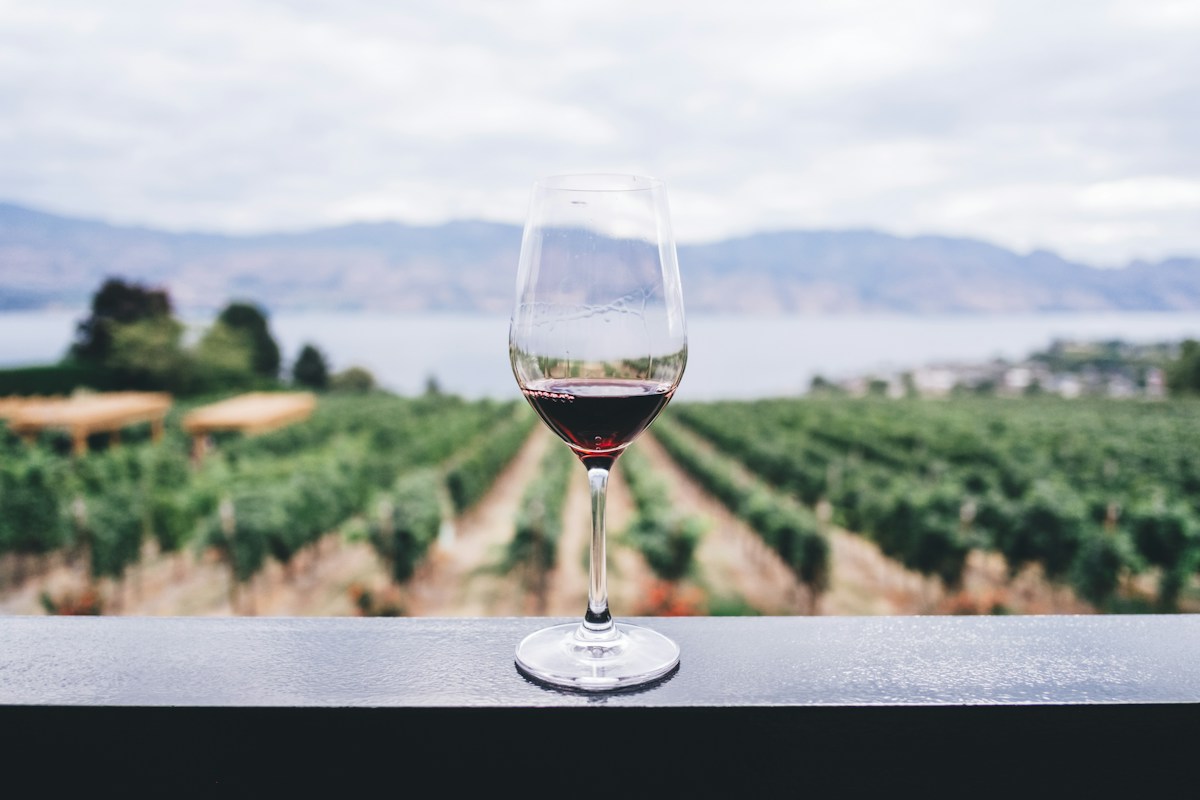
When you uncork your next bottle – perhaps a Cabernet from Oakville, an elegant Chardonnay from Carneros or a finely tuned Bordeaux-style blend – grant yourself a moment of stillness. Look into the glass, draw in a deep breath of its aromas and imagine the still-warm evening air over the rolling vineyards of Napa Valley, the distant haze of the bay, the volcanic soils beneath the vines’ roots.
Then take a sip. And allow this wine to tell you its story – of pioneers and perfectionists, of sun and fog, of depth and time. Napa Valley is a place you will want to return to again and again – even if “only” in your glass.