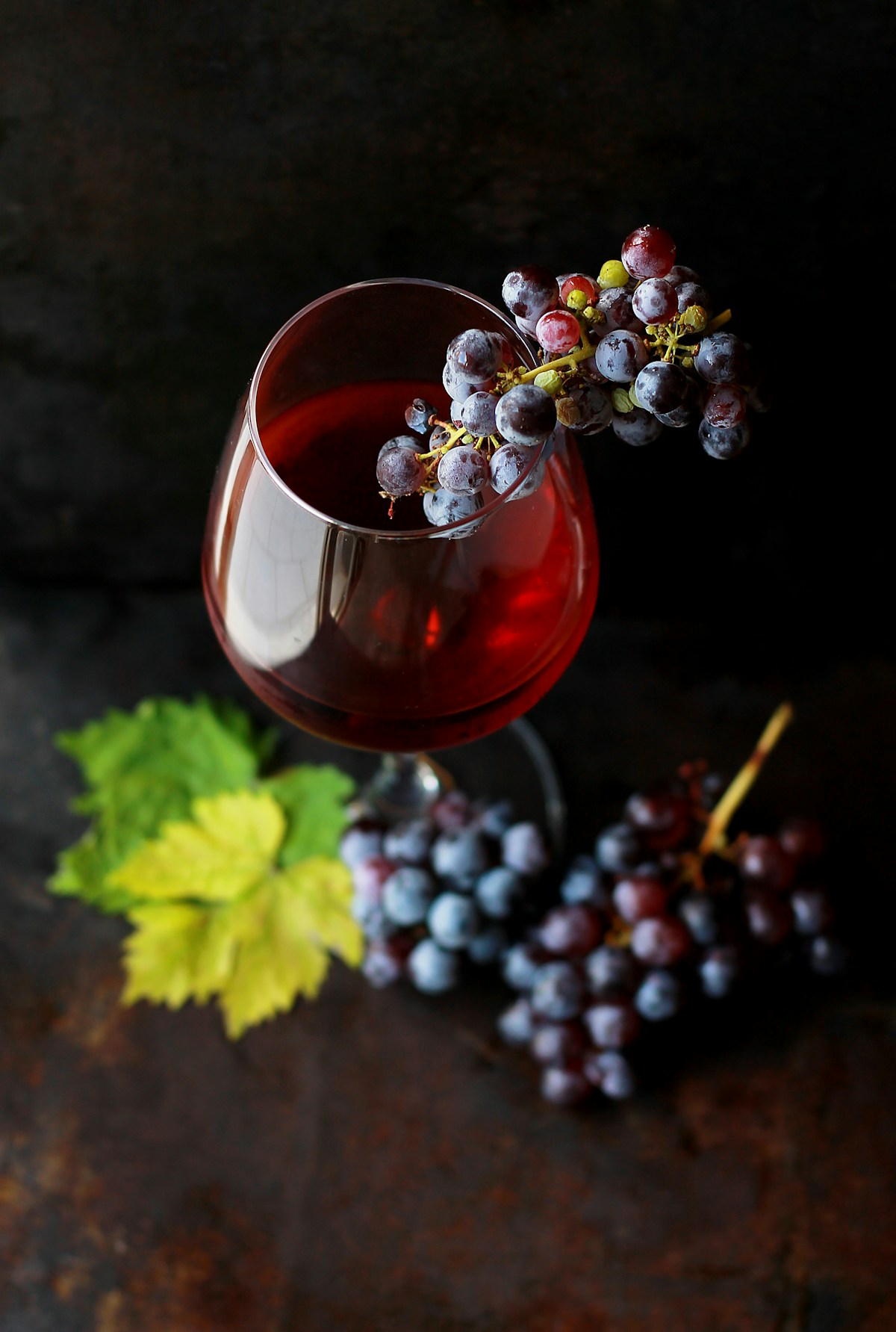
Sonoma – Where Cool Fog and Golden Sunlight Bottle Big Emotions
Sonoma – cool fog, old vines, artisanal wines. Discover the terroir, grape varieties & food pairings of this iconic Californian wine region.
Sonoma – Where Cool Fog and Golden Sunlight Bottle Big Emotions
Meta-Description: Sonoma – cool fog, old vines, artisanal wines. Discover the terroir, grape varieties & food pairings of this iconic Californian wine region.
Keywords: Sonoma, Sonoma County, Sonoma wine, Sonoma Valley, Russian River Valley, Sonoma Pinot Noir, Sonoma Chardonnay, Zinfandel Sonoma, Californian wine, wine region USA
---
Introduction: The First Sip of Eternity
Morning in Sonoma begins quietly. A cool Pacific fog slides like a silk curtain over the gentle hills, threading between old oaks and rows of vines. The air smells of damp earth, wild fennel, pine resin and a hint of salt. When the sun rises, it tears the fog into fine strands that slowly dissolve – what remains is a clear, crystalline sky under which some of the most exciting wines in the United States are born.
A glass of Sonoma Chardonnay in this morning light looks like liquid gold: ripe citrus fruits, a hint of white blossoms, salty minerality and a texture that feels more like silk than liquid. A Pinot Noir from the Russian River Valley smells of wild strawberries, black cherries and damp leaves – like a walk through a cool coastal forest.
Sonoma is more than a wine region. It is a myth between ocean and mountains, between pioneering spirit and quiet, artisanal dedication. Ancient volcanic soils meet the cooling power of the ocean; Chardonnay, Pinot Noir, Zinfandel, Cabernet Sauvignon and many other varieties are crafted here in countless nuances and styles – yet with a shared signature: freshness, tension, authenticity.
In this article we dive into the soul of Sonoma: its soils and climate, its grape varieties, its history and traditions, and the art of pairing these wines with cuisine at the highest level.
---
The Distinctive Terroir and Climate
#### The Soil:
Sonoma is geological diversity in its purest form. In a very small area, very different soil types meet here – a gift for winemakers who work with terroir.
- Volcanic soils (Sonoma Valley, Moon Mountain, Bennett Valley):
Cemented ashes, basalt, weathered lava. They produce wines with clear structure and often a distinctly mineral vein – perfect for powerful yet focused Cabernet Sauvignons and structured Chardonnays. The vines root deep, which makes them resilient in hot years.
- Sandy and loamy-sandy soils (Russian River Valley, parts of Sonoma Coast):
These well-draining soils force the vines to root deeper, limit yields and give Pinot Noir finesse: fine tannins, fragrant red-fruited aromas, a transparency reminiscent of great Burgundies without trying to copy them.
- Alluvial deposits (Alexander Valley, Dry Creek Valley):
Gravels, sands and loams deposited by rivers – ideal for Cabernet Sauvignon and Merlot. The wines are dense, dark-fruited, with ripe tannins, rich but rarely overblown.
- Red clay and “Goldridge” soils (Russian River, Green Valley):
Goldridge – a fine, well-draining, mostly sandy loam with a high quartz content – has almost mythical status on Sonoma wine lists. It yields Pinot Noir with enormous aromatic precision and Chardonnay with salty finesse and taut acidity.
The uniqueness of Sonoma’s terroir lies precisely in this mosaic: each sub-AVA (American Viticultural Area) tells its own story, and the best winemakers consistently write it forward in their wines.
#### The Climate:
Between the cold Pacific to the west and the hotter inland zones to the east, a fascinating climatic arc stretches across Sonoma. Two forces shape everything:
- The cool influence of the Pacific
Through openings like the Petaluma Gap, cold marine air flows inland every afternoon. Temperatures can drop dramatically within an hour. The result: slow ripening, high natural acidity, intense aroma development.
- Warm, sunny days – cool nights
Many parts of Sonoma experience hot, light-soaked days with abundant sunshine, followed by nights that cool significantly thanks to fog and downslope flows of cold air. This pronounced diurnal range is a key to balance in the wines.
Typical climatic factors:
- Sunshine hours: Generous – typically Californian, but often moderated by morning fog.
- Rainfall: Mainly in winter; summers are dry. Water stress is deliberately used as a quality-enhancing factor, at the same time water is a precious resource.
- Wind: Petaluma Gap is now its own AVA – there, the wind channels the ocean’s chill, producing particularly cool, high-tension Pinot Noirs and Chardonnays.
- Temperatures: Coastal AVAs like Sonoma Coast and Fort Ross-Seaview are significantly cooler than the sun-drenched valley floors of Alexander Valley or Dry Creek.
The result: within a single county you can find finely etched, almost ethereal Pinot Noirs, salty Chardonnays and at the same time concentrated, powerful Cabernet Sauvignons – yet all of them carry the freshness and energy of the cool sea.
---
The Grape Varieties: The Beating Heart of the Region
#### The Main Players:
Chardonnay
Chardonnay is one of Sonoma’s great calling cards, especially from Russian River Valley, Sonoma Coast and Fort Ross-Seaview.
Stylistically, it ranges from uncompromisingly mineral, almost Burgundian and taut, to more opulent wines with discreet oak and a creamy texture. Typical aromas: lemon, lime, ripe yellow apple, white blossoms, sometimes exotic fruit, often a hint of toasted nuts and fine, salty minerality.
Pinot Noir
Sonoma Pinot Noir, particularly from the Russian River Valley, Sonoma Coast and the cooler sites of Petaluma Gap, ranks among the most exciting interpretations of this variety outside Europe.
It smells of wild strawberries, cherries, cranberries, violets, sometimes underbrush, mushrooms and spices. On the palate it often shows silky tannins, vibrant acidity, remarkable length – Pinot Noir with Californian sunshine and European finesse.
Zinfandel
Zinfandel is deeply entwined with California’s history. In Sonoma – especially in Dry Creek Valley and parts of Sonoma Valley – you’ll find some of the oldest vines (“old vines”) in the United States.
The wines range from juicy, fruit-forward Zinfandels with aromas of blackberry, plum and black cherry to more structured, spicy versions with notes of pepper, liquorice and dried herbs. They are a living testament to the pioneering era of viticulture in Sonoma.
Cabernet Sauvignon
Above all in Alexander Valley and the warmer parts of Sonoma Valley, Cabernet Sauvignon thrives brilliantly. The wines are dark, concentrated, with aromas of cassis, blackberry, cedar and graphite. At their best, Sonoma Cabernets combine Napa Valley power with a touch of cooler freshness.
#### The White/Red Varieties:
Beyond the “stars”, Sonoma shines with impressive diversity:
- White:
- Sauvignon Blanc – from fresh, herbaceous styles to complex, barrel-aged versions.
- Gewürztraminer, Riesling, Viognier, Albariño – surprisingly aromatic and lively in cool sites, often from small, terroir-focused projects.
- Red:
- Merlot – especially in Alexander Valley: velvety, juicy, dark-fruited.
- Syrah – in cool areas (Sonoma Coast, Bennett Valley) strikingly peppery, black-fruited, with Northern Rhône-like spice.
- Grenache, Mourvèdre, Carignan – often from old vines, with Mediterranean aromatics and plenty of charm.
This variety makes Sonoma a laboratory of possibilities – and for the curious wine lover, an endless voyage of discovery.
---
History & Tradition
Sonoma’s wine tradition is older than many assume. As early as the 1820s/1830s, Spanish missionaries planted vines, but the true beginning of quality-focused winegrowing dates to the mid-19th century.
- 1857 – Buena Vista Winery: Count Agoston Haraszthy, a Hungarian pioneer, founded the now-legendary Buena Vista estate in Sonoma Valley. He brought vines from Europe to California and is regarded as one of the key figures in early Californian viticulture.
- Phylloxera & Prohibition: As in Europe, phylloxera devastated many vineyards at the end of the 19th century. Prohibition (1920–1933) pushed winegrowing to the brink of extinction; only a few estates survived by producing sacramental wine.
- Post-war era & renaissance: From the 1960s and 70s onwards, a rebirth began. Sonoma positioned itself as a cooler, more nuanced counterpoint to often more powerful Napa. Pinot Noir and Chardonnay became guiding stars, especially in Russian River Valley.
- Sub-AVAs & terroir awareness: With the establishment of AVAs such as Russian River Valley (1983), Dry Creek Valley (1983), Alexander Valley (1984), Sonoma Coast (1987) and more recent designations like Fort Ross-Seaview, Green Valley of Russian River Valley and Petaluma Gap, terroir awareness has sharpened. Origin has become a promise of quality.
Today Sonoma stands for a new balance: between tradition and innovation, between tiny artisanal producers and world-famous icons. Many wineries work organically or biodynamically, old vineyards are carefully tended, and the region is seen as a spearhead of a finer, terroir-driven Californian wine culture.
---
Pleasure & Perfect Pairings
#### Sensory Description:
Sonoma Chardonnay:
On the nose lemon, lime, green apple, often pear, white blossoms, almond, sometimes a delicate hint of toast or brioche. On the palate a tension between creaminess and acidity, frequently with a clear, almost salty minerality. The finish: long, precise, never heavy.
Sonoma Pinot Noir:
Red fruits – cherry, raspberry, strawberry – plus rose petals, violets, subtle spice, often a touch of forest floor, mushrooms, damp leaves. The tannins: silky, finely woven. The structure: filigreed yet deep. These are wines that whisper rather than shout – and that is exactly how they captivate.
Zinfandel from Sonoma:
Dark berries, plum, blueberry, black pepper, clove, sometimes smoke and liquorice. On the palate powerful, warm, juicy, often with an inviting sweetness of fruit, balanced by tannin and acidity.
Cabernet Sauvignon & blends:
Cassis, blackberry, plum, cedar, tobacco, graphite. Structured, with present but ripe tannins. Often with impressive depth and aging potential that Sonoma is sometimes underestimated for.
#### Food Pairing:
- Sonoma Chardonnay
- Scallop ceviche with lime and coriander
- Pan-fried turbot with lemon butter, fennel and saffron
- Poulet de Bresse or corn-fed chicken with morels and a creamy Riesling or Chardonnay sauce
- Mature Comté, Gruyère or Taleggio
- Sonoma Pinot Noir
- Roast quail with thyme and polenta
- Porcini mushroom risotto with Parmesan
- Cedar-plank salmon, lightly smoked
- Duck with cherries or figs, gently spiced
- Zinfandel from Dry Creek or Sonoma Valley
- Braised short ribs or beef brisket with BBQ glaze
- Rack of lamb with rosemary and garlic
- Mature hard cheeses, blue cheese with fig chutney
- Cabernet Sauvignon (Alexander Valley, Sonoma Valley)
- Dry-aged ribeye, medium rare, with herb butter
- Game dishes: saddle of venison, wild boar ragout
- Dark chocolate with high cocoa content as a bold but rewarding finale
Sonoma wines are culinary partners on equal footing – they demand care on the plate and reward it with depth in the glass.
---
FAQ – The 10 Most Important Questions About Sonoma
1. What makes Sonoma wines so special?
Sonoma wines combine the richness of California with the freshness of a cool-influenced climate. The enormous diversity of soils and microclimates allows for characterful, terroir-driven wines with exceptional elegance.
2. Which grape varieties dominate in Sonoma?
The most important varieties are Chardonnay, Pinot Noir, Zinfandel and Cabernet Sauvignon. In addition, Sauvignon Blanc, Merlot, Syrah and various Mediterranean varieties are playing an increasingly exciting role.
3. What does a typical Sonoma wine taste like?
A typical Sonoma wine shows ripe, clear fruit, lively acidity and impressive balance. Chardonnays often taste mineral and silky, Pinot Noirs are delicate, red-fruited and elegant, Zinfandels powerful and spicy.
4. How long should you cellar Sonoma wines?
Fruit-driven Sonoma Chardonnays and simpler Pinots drink beautifully within the first 3–5 years. Top Chardonnays and high-quality Pinot Noirs evolve over 8–12 years, great Cabernet Sauvignons and blends from Alexander Valley or Sonoma Valley can age for 10–20 years and beyond.
5. Which dishes pair well with Sonoma wines?
Refined fish and poultry dishes are excellent with Sonoma Chardonnay. Pinot Noir accompanies mushroom dishes, poultry, salmon and lighter meat dishes. Zinfandel is ideal with BBQ, lamb and braised meats, while Cabernet shines with steak, game and mature cheeses.
6. What is special about Sonoma’s terroir?
Sonoma combines volcanic, sandy, loamy and alluvial soils with a climate strongly shaped by the cool Pacific. This combination of geological diversity and maritime influence creates wines with depth, freshness and a clear sense of place.
7. Which wineries in Sonoma are particularly recommended?
Among the renowned producers are, for example:
Kistler (Chardonnay, Pinot Noir),
Rochioli (Pinot Noir, Chardonnay),
Ridge (especially Zinfandel from Lytton Springs),
Williams Selyem (Pinot Noir),
Joseph Swan (Pinot Noir, Zinfandel).
All of them stand for high quality and a strong focus on terroir.
8. How much does a good Sonoma wine cost?
- Entry level: Solid Sonoma wines start in retail at around €15–25 per bottle.
- Mid-range: For €25–50 you’ll already find very distinctive, terroir-driven wines.
- Premium: Iconic single-vineyard Pinots, Chardonnays and Cabernets generally range from €50–150 and above – rare, sought after and often collectible.
9. When is the best time to visit Sonoma?
Late spring (May/June) and autumn (September/October, during harvest) are ideal. Temperatures are pleasant, the vineyards are at their most beautiful, and the atmosphere in the cellars is electric.
10. What are good alternatives to Sonoma wines?
If you love Sonoma’s style, look to cool regions like the Santa Rita Hills AVA (California), the Willamette Valley (Oregon) for Pinot Noir and Chardonnay, or Margaret River (Australia) for Chardonnay and Cabernet with maritime influence. In Europe, Burgundy (for Pinot and Chardonnay) and parts of Bordeaux (for Cabernet) offer related, though never identical, perspectives.
---
Conclusion: A Wine That Touches the Soul
Sonoma is not a region you “get” in a hurry. It is a web of valleys and hills, fog and sunshine, old vines and young visions. Every wine is a Polaroid of this complex whole – captured in a single bottle, in a single moment.
Next time you uncork a bottle of Sonoma – be it a cool, mineral Chardonnay, a fragrant Pinot Noir from Russian River Valley or a powerful Zinfandel from Dry Creek – take a moment. Smell several times before you take the first sip. Listen to the glass as if it were a distant voice: the crash of Pacific surf, the whisper of fog, the crackle of sunlight on the leaves.
Sonoma is not just a place on the map. It is a feeling of vastness, of freedom, of quiet, focused passion. Open a bottle – and allow this landscape, this history and this terroir to touch your soul.