Alentejo: Where Time Stands Still in the Glass – Portugal’s Quiet, Grand Wine Revelation
Discover Alentejo.
Alentejo: Where Time Stands Still in the Glass – Portugal’s Quiet, Grand Wine Revelation
Meta description: Discover the magical Alentejo wine region in Portugal: terroir, grape varieties, food pairing & insider tips for discerning wine lovers.
Keywords: Alentejo, Alentejo wine, Portugal wine region, Portuguese red wine, Portugal terroir, Alentejo grape varieties, wine tourism Portugal, Alentejo white wine
---
Introduction: The First Sip of Eternity
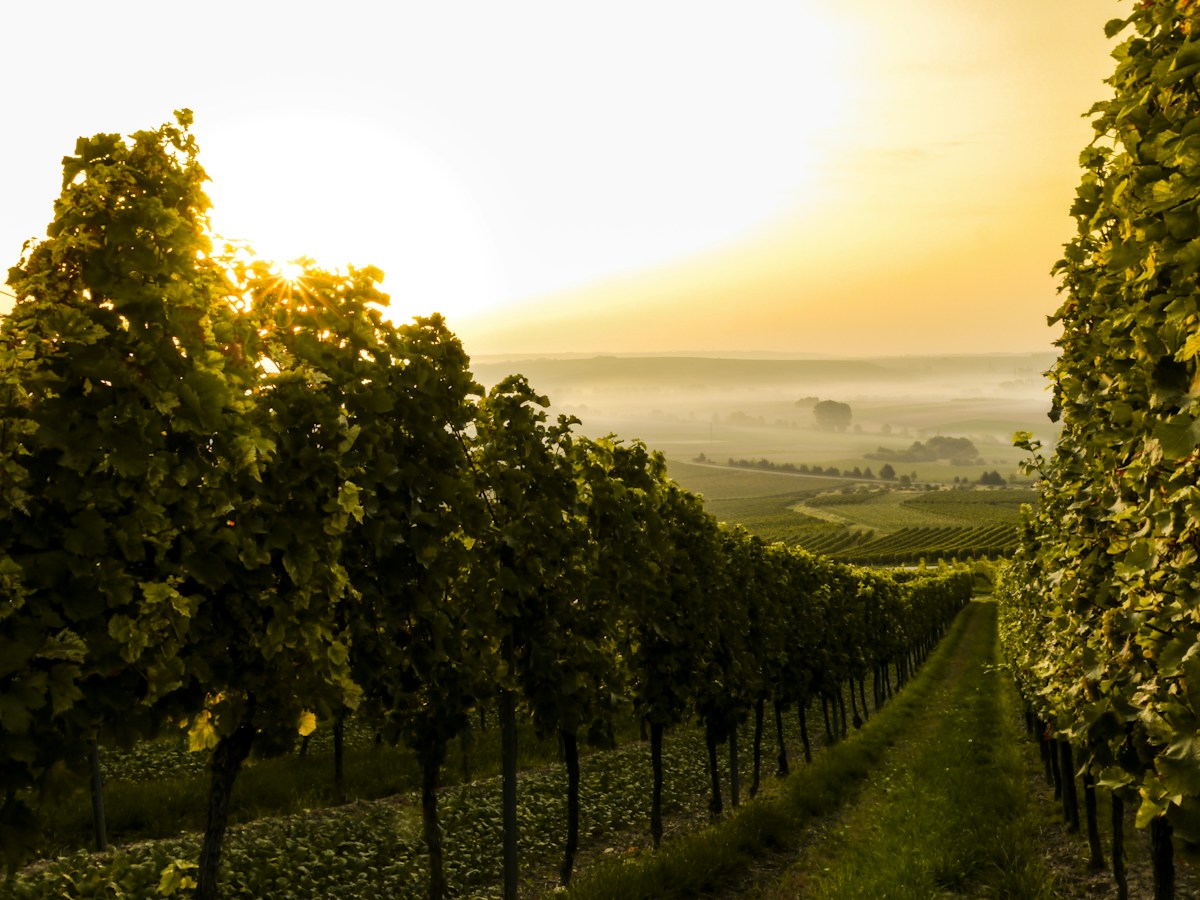
Late in the evening, when the sun disappears behind the gentle hills like liquid copper, Alentejo takes a deep breath. The air smells of warm stone, dried herbs and a hint of eucalyptus. In the distance, you hear the soft clinking of glasses, somewhere on an estate that rises like a white island from the golden expanse.
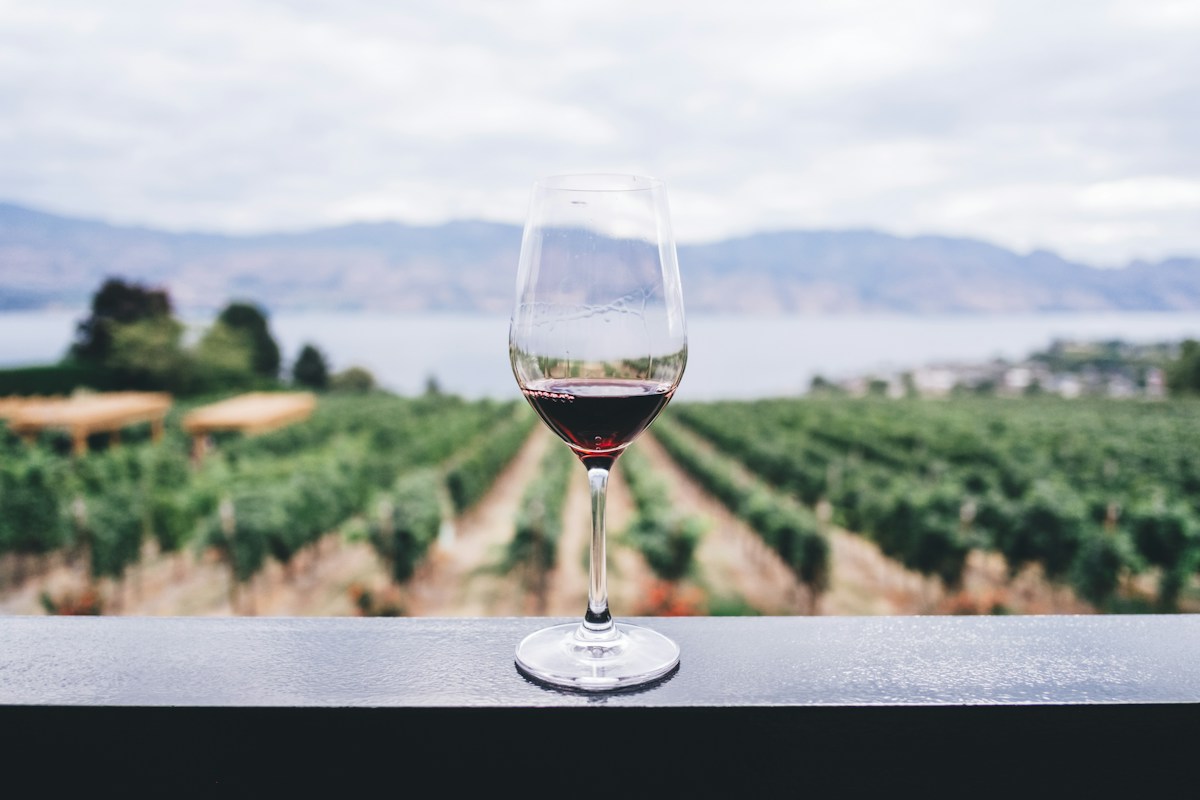
You raise a glass to your lips. The wine is dark, almost impenetrable, yet its aroma is open, generous, inviting: ripe cherries, black plums, a touch of sweet tobacco, a hint of cocoa and that elusive, warm earthiness that recalls sun‑drenched soils. A wine that doesn’t need to be loud to be unforgettable.
That is how Alentejo tastes: like a promise of slowness. Like a region where time doesn’t pass, but gathers in the glass.
---
The Distinctive Terroir and Climate
#### The Soil: A Mosaic of Contrasts
Alentejo is not a uniform carpet, but a fascinating mosaic of soil types that lend its wines their complexity:
- Schist:
Especially in the northern subregion of Portalegre and parts of eastern Alentejo, schist shapes the character of many red wines. Schist soils store heat and release it slowly to the roots. The vines are forced to dig deep for water – the result is concentrated wines with dense fruit, mineral tension and often a fine, dark spiciness.
- Granite and crystalline rocks:
Granite soils, especially at higher altitudes, produce wines with clear structure, fresh acidity and an almost salty minerality. Many of Alentejo’s exciting, finer white wines and more elegant reds come from such parcels.
- Clay and limestone soils:
In the heart of Alentejo, clay- and lime-rich soils dominate, which retain water well – a blessing in this hot region. Here, powerful, full‑bodied reds are born, with ripe fruit, soft tannins and a certain creaminess that gives the wines their hedonistic, almost Mediterranean opulence.
- Sandy soils:
In some areas, sandy plots can be found that yield lighter, more fragrant wines. More accessible, early‑drinking styles often come from here – charming, rounded, but not heavy.
The result is a terroir capable of delivering both power and elegance, warmth and freshness, concentration and drinkability – depending on what the winemaker seeks and how sensitively they read their parcels.
#### The Climate: The Heat of the Days, the Cool of the Nights
Alentejo is a land of extremes – and this is precisely where its magic lies.
- Mediterranean‑continental influence:
Long, hot summers, short, mild winters. The sun is omnipresent, often brutal, yet always life‑giving. It ensures high physiological ripeness, then as now one of the region’s signatures.
- Diurnal temperature differences:
In many subregions, especially at higher elevations like Portalegre, nights cool down surprisingly sharply. This difference in temperature preserves acidity, slows aroma development and gives higher‑quality wines an impressive balance of ripeness and freshness.
- Atlantic influence:
Although Alentejo lies inland, the distant influence of the Atlantic can be felt – as a light breeze, as nocturnal cooling, sometimes as a subtle digestibility in the wines’ style. In the more westerly subregions, the wines are often somewhat lighter and more vibrant than in the deep south.
- Water scarcity & dryness:
Low rainfall poses challenges for winemakers but also promotes berry concentration. Old vines with deep roots defy the drought and yield wines of astonishing depth and inner tension.
This interplay of heat, light, cool nights and complex soils creates a terroir that can produce wines of warmth and generosity yet also surprising precision.
---
The Grape Varieties: The Heart of the Region
Alentejo is a treasure chamber of autochthonous grape varieties, complemented by a few international “guests” that feel remarkably at home here.
Red grape varieties (dominant):
- Alicante Bouschet:
The secret icon of Alentejo. A teinturier grape with dark red pulp that produces inky, dense and structured wines. Typical notes: black fruits, blackberry, plum, often accompanied by cocoa, liquorice and warm spices. In the glass it appears opulent, yet with well‑managed tannic structure.
- Aragonez (Tempranillo):
Famous as Tempranillo in Spain, in Alentejo it shows a somewhat warmer, softer, more cherry‑driven profile. It yields wines with friendly fruit, medium body and silky tannins – an ideal blending partner, but convincing on its own as well.
- Trincadeira (Tinta Amarela):
A capricious diva in the vineyard, but a great asset in the glass. Typically red‑fruited, slightly spicy notes, often with a hint of herbs and pepper. Trincadeira gives blends finesse and aromatic complexity.
- Castelão:
A traditional Portuguese variety that delivers fleshy, fruit‑driven wines in Alentejo – often with strawberry and raspberry notes, sometimes a bit rustic, but charming and authentic.
White grape varieties:
- Antão Vaz:
The white signature of Alentejo. It loves warmth but, with good vineyard management and early picking, retains its freshness. In the glass it shows aromas of tropical fruits, citrus, ripe pear and often a creamy texture. Ideal for structured white wines, sometimes aged in oak.
- Arinto:
Portugal’s queen of acidity. In Alentejo it brings freshness, citrus notes, green apple aromas and often a pronounced mineral streak. It provides stylistic balance in many white blends.
- Roupeiro (Síria):
Fragrant, floral, often with notes of white peach, citrus and herbs. Perfect for fresh, early‑drinking enjoyment and as a lighter white wine option.
Together, these grape varieties create wines that feel both authentically Portuguese and cosmopolitan: warm, generous, yet by no means bland.
---
History & Tradition
Wine in Alentejo is not a trend – it is culture, memory and identity.
As early as the Phoenicians and Romans, vineyards were planted here. Archaeological finds show that wine has played a role in southern Portugal for over two thousand years. The Romans brought not only technical skills but also a tradition that still resonates today: ageing in clay amphorae, the Talhas.
During the Middle Ages, it was mainly monasteries that maintained viticulture, passed down recipes and preserved knowledge about suitable sites. Many of today’s wineries consciously reference this monastic, contemplative wine tradition.
In the 20th century, however, Alentejo was for a long time more breadbasket than vineyard – large estates, extensive fields, large‑scale agriculture. But from the 1980s onwards, a quiet revolution began: investments in modern cellar technology, rediscovery of old grape varieties, careful reinterpretation of the terroir. A generation of ambitious winemakers and oenologists shaped Alentejo into what it is today: one of Portugal’s most exciting and qualitatively dynamic wine regions.
At the same time, old traditions were deliberately preserved. Particularly impressive: the Talha wines, in which the must is fermented and matured in large clay amphorae. Many of Alentejo’s most intense, characterful wines are produced using this centuries‑old method – purist, earthy, archaic and fascinatingly timeless.
---
Pleasure & Perfect Pairings
#### Sensory Description: The Sound of Alentejo in the Glass
Red wines from Alentejo are often:
- deeply coloured, from intense ruby to almost black‑violet
- on the nose, marked by ripe to very ripe fruits: black cherry, plum, blackberry
- complemented by notes of dark chocolate, coffee, tobacco, sweet spices (cinnamon, clove), sometimes dried herbs
- on the palate full‑bodied, warm, with soft, ripe tannins and a velvety texture
- depending on origin and ageing, with a surprising, fine freshness and a mineral echo of the soil
White wines from Alentejo present themselves:
- in light straw yellow to gold
- aromatically with citrus, ripe pear, stone fruit, sometimes pineapple or mango
- at higher quality levels with subtle herbal notes, a creamy texture and well‑integrated acidity
- oak‑aged versions show notes of vanilla, toast and nuts – always carried by the region’s typical warmth.
Talha wines – whether red or white – often display a slightly oxidative, nutty, very distinctive aromatics; they appeal to the curious taster, the terroir‑seeker.
#### Food Pairing: When Wine and Cuisine Become One
Culinarily, Alentejo is as rich as it is in wine. The wines are made to converse with the regional cuisine – and they do so passionately.
Classic combinations with red wine:
- Grilled or braised lamb with rosemary and garlic
→ powerful, oak‑aged blends with Alicante Bouschet and Aragonez
- Pork from Alentejo (especially the famous Black Pig / Porco Preto)
→ juicy, fruit‑driven reds with rounded tannins – a dream with grilled or braised pork
- Game dishes (hare, partridge, wild boar)
→ more complex, mature reds with earthy, spicy notes
Perfect partners for white wines:
- Bacalhau in all its variations (salted cod)
→ fresh, structured whites from Antão Vaz and Arinto
- Seafood from the grill or oven
→ young, citrus‑driven whites with lively acidity
- Cheeses from Alentejo (e.g. Queijo de Évora)
→ full‑bodied whites or soft, fruit‑forward reds
Vegetarian pairings:
- Roasted root vegetables, wild herbs, lentil stews
→ medium‑bodied reds with moderate tannins and plenty of spice
- Mushroom dishes, risotto, pasta with truffle oil
→ matured, oak‑aged whites or more elegant reds from higher altitudes
Culinarily, Alentejo is no quiet partner – its wines love intense, honest flavours: grilled, braised, baked, with herbs, oil and time.
---
FAQ – The 10 Most Important Questions About Alentejo
1. What makes Alentejo wines so special?
The combination of hot, sunny climate, diverse soils and autochthonous grape varieties produces wines of impressive density, warmth and aromatic depth – increasingly combined with remarkable freshness and elegance. It is the sensual tension between power and finesse that makes Alentejo so unique.
2. Which grape varieties dominate in Alentejo?
For reds: primarily Alicante Bouschet, Aragonez (Tempranillo), Trincadeira and Castelão. For whites: Antão Vaz, Arinto and Roupeiro are the key players. There are also smaller proportions of international varieties such as Syrah, Cabernet Sauvignon or Chardonnay.
3. What does a typical Alentejo wine taste like?
Generally warm, full‑bodied and fruit‑driven: lots of dark fruit, soft tannins, a sense of velvet on the tongue. High‑quality examples add spice, mineral tension and surprisingly fresh acidity.
4. How long should Alentejo wines be aged?
Many entry‑level and mid‑range wines are designed for early drinking and show best in the first 3–5 years. High‑quality blends with plenty of structure and well‑judged oak can age for 8–15 years, some of the great icons even longer. Premium whites – especially those aged in oak – often develop intriguing maturity aromas over 5–8 years.
5. Which dishes pair well with Alentejo wines?
Hearty, flavour‑intense dishes: grilled meats, braises, game, robust pasta dishes, mature cheeses. Whites from Alentejo pair wonderfully with fish, seafood, bacalhau, Mediterranean vegetable cuisine and lighter meats.
6. What is special about Alentejo’s terroir?
The interplay of schist, granite, clay and limestone soils with a dry, hot climate yet often cool nights. These contrasts create wines that are both ripe and structured, rich yet precise – a rare combination.
7. Which wineries in Alentejo are especially recommended?
Names such as Herdade do Esporão, Cartuxa, Herdade dos Grous, Herdade do Mouchão, Adega Mayor and Herdade do Rocim are benchmarks for many wine lovers. In addition, there is a growing number of smaller, terroir‑focused boutique estates that impress with minimalist winemaking and high precision.
8. How much does a good Alentejo wine cost?
Very solid quality in retail often starts between €8 and €12. Ambitious wines with clear terroir expression are usually between €15 and €30. Icons and limited top cuvées can be significantly more expensive, but remain remarkably good value by international standards.
9. When is the best time to visit Alentejo?
Spring (March–May) and autumn (September–October) are ideal: pleasant temperatures, lively vineyards, often exciting insights into harvest and cellar work. In high summer it can be very hot – appealing for sun lovers but strenuous for wine tours in the midday heat.
10. What are good alternatives to Alentejo wines?
If you enjoy the warmth and richness of Alentejo, you can find similar styles in parts of southern France’s Languedoc, Spain’s Ribera del Duero or Priorat, or in warm New World regions such as Barossa Valley (Australia). Nevertheless, Alentejo remains distinctive thanks to its native varieties and the specific texture of its wines.
---
Conclusion: A Wine That Touches the Soul
Alentejo is no loud star. It whispers instead of shouting. It reveals itself in the glow of a summer evening, in the shade of an old cork oak, in the cool stone of a cellar – and above all in the glass.
Those who taste its wines experience more than fruit, tannin and acidity. You taste the weight of the sun, the patience of old vines, the fine dust of the soils, the hands of the winemakers who read this landscape like a familiar book.
For discerning wine lovers, curious sommeliers and all those who seek not just a drink but a story in their wine, Alentejo is an invitation: to listen, to taste, to feel.
Perhaps the region’s greatest secret is that – despite growing fame – it still feels like a quiet, exclusive refuge. A place you want to return to as soon as the last drop has vanished from the glass.
A place where every sip contains a small piece of eternity.