Baden – Where Sun, Limestone and Longing Merge in the Glass
Baden wine region: Pinot paradise, sun-drenched vineyards, extraordinary terroir. Discover characterful Baden wines full of elegance & depth.
Baden – Where Sun, Limestone and Longing Merge in the Glass
Meta-Description: Baden wine region: Pinot paradise, sun-drenched vineyards, extraordinary terroir. Discover characterful Baden wines full of elegance & depth.
Keywords: Baden, Baden wine, Baden wine region, Baden wines, Baden Pinot Noir, Kaiserstuhl, Markgräflerland, Pinot wines, German wine region
---
Introduction: The First Sip of Eternity
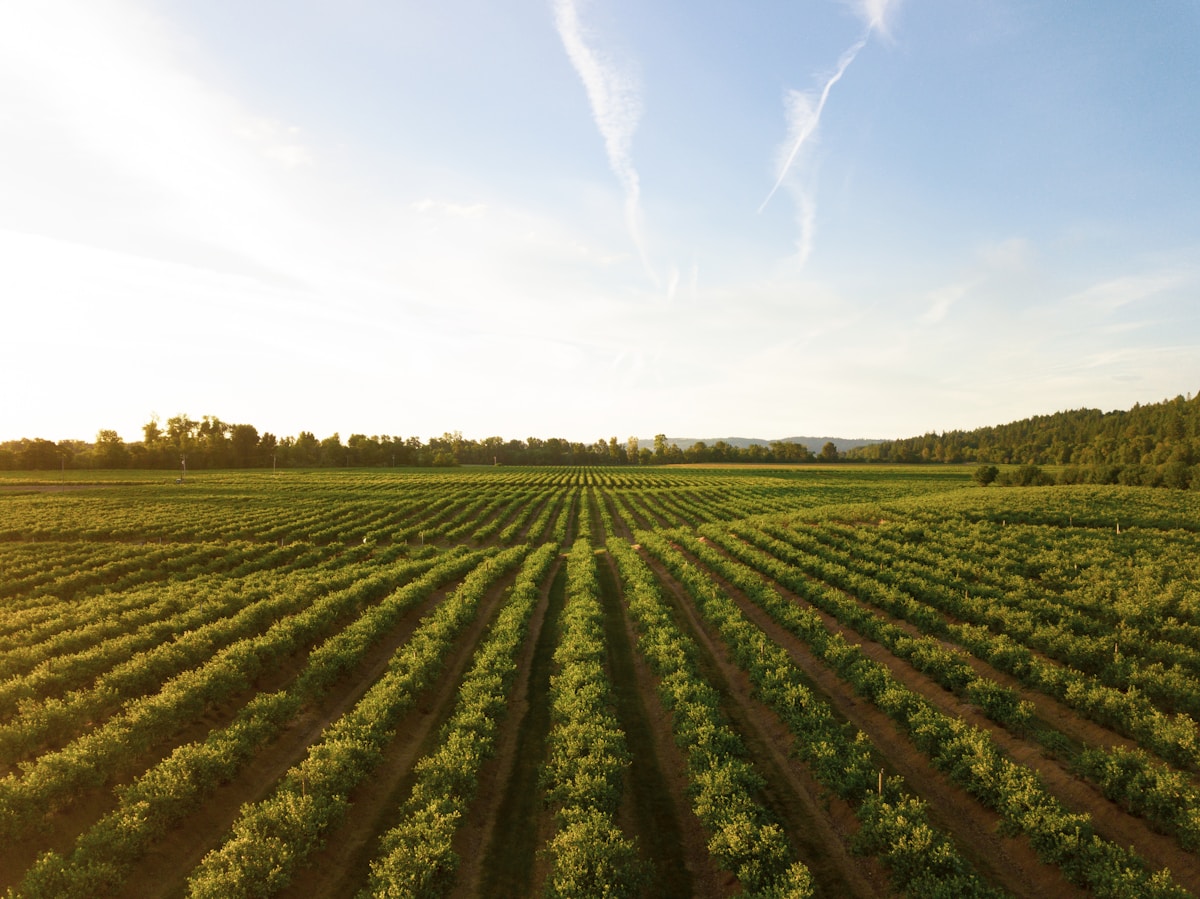
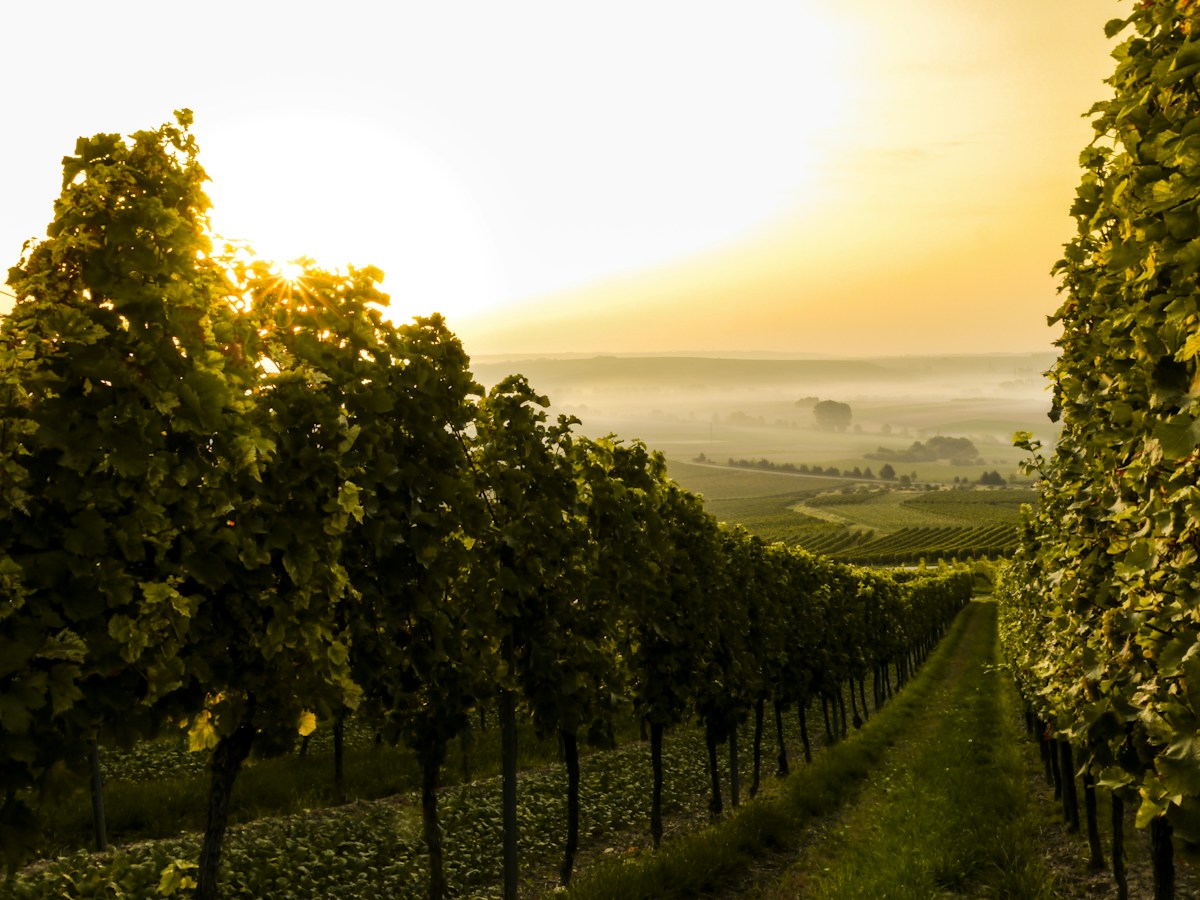
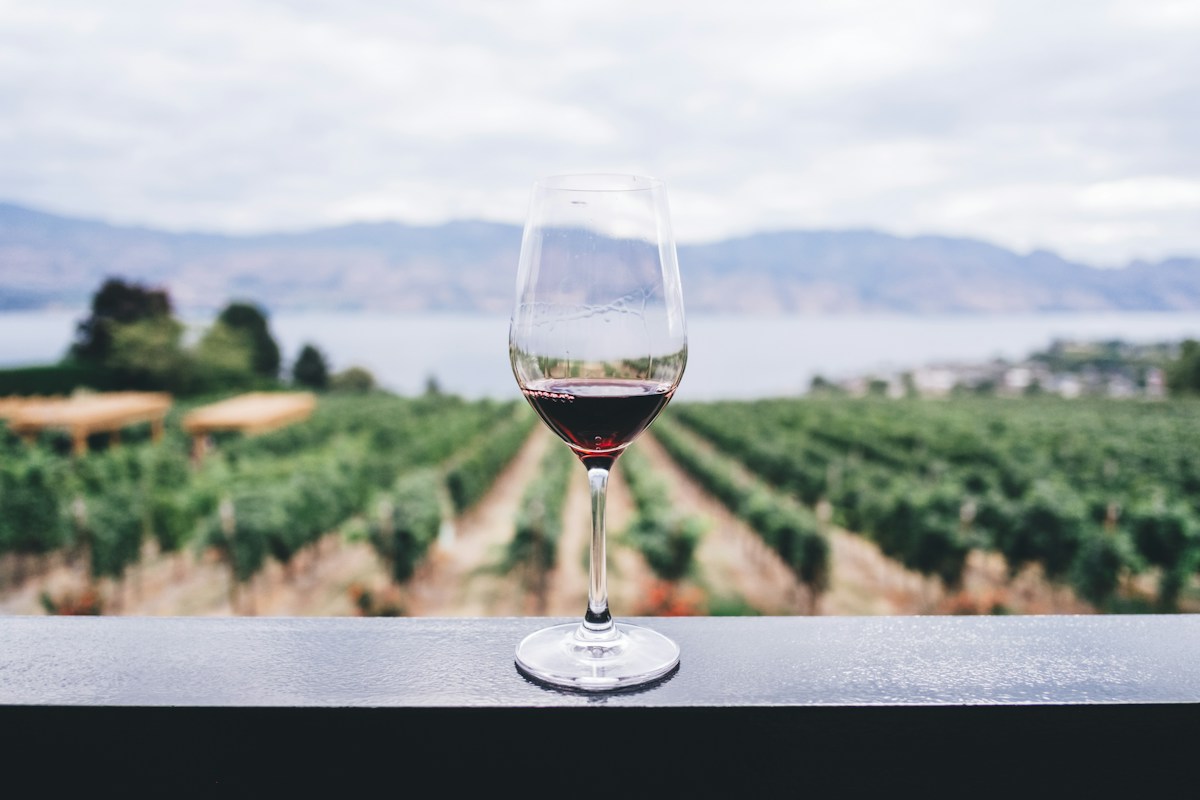
It is late afternoon when the light over Baden’s vineyards turns soft. The sun grazes the steep terraces of the Kaiserstuhl, bathes the vines of the Markgräflerland in warm gold and makes the loess walls in Ortenau shimmer. A glass of Baden Pinot Noir in your hand, delicate notes of sour cherry, forest floor and fine roasted aromas rise to your nose – and suddenly time seems to slow down.
Baden is more than a wine region. It is a promise: of warmth in a cool country, of Pinot culture at a world-class level, of a landscape in which vines, forests and villages have been interwoven for centuries. Between the Black Forest and the Rhine, between Basel and Tauberfranken, stretches a mosaic of terroirs as diverse as the people who work them.
In this article we journey into the depths: to the volcanic soils of the Kaiserstuhl, the limestone-rich hills of the Markgräflerland, the granite-driven steep slopes of Ortenau. We shed light on the history of Baden’s wine culture that has developed around Pinot Noir, Pinot Gris, Pinot Blanc and Gutedel. And we discover why Baden enchants wine lovers all over the world – with a blend of sensuality, precision and a quiet, almost aristocratic elegance.
---
The Unmistakable Terroir and Climate
#### The Soil:
Baden is a textbook example of the terroir concept. Over around 400 kilometres in length and some 15,800 hectares of vineyards, an impressive geological diversity unfolds.
- Kaiserstuhl – Volcano & Loess:
In the heart of Baden rises the Kaiserstuhl, an extinct volcano. Basalt, tuff and volcanic ash form the foundation here. Above them lie mighty loess layers that act like a reservoir for water and warmth. The wines – first and foremost Pinot Noir, Pinot Gris and Pinot Blanc – show warm, ripe fruit here, often with herbal spice, occasional smoky depth and an almost creamy texture. Volcanic rock brings tension and salinity, loess provides richness and charm.
- Markgräflerland – Limestone & Clay:
In the border triangle with France and Switzerland lie limestone-rich soils interspersed with clay, marl and occasional loess. This is where Gutedel feels at home – a quiet but fascinating variety that reveals its fine nuttiness and delicate, mineral line on limestone. The Pinots often appear somewhat slimmer, more crystalline here, with a chalky, almost powdery grip on the palate.
- Ortenau – Granite & Gneiss:
On the western edge of the Black Forest, above the Rhine plain, steep slopes rest on granite, gneiss and weathered ancient rock. Riesling, but also Pinot Noir and Pinot Blanc, find anchorage on these meagre soils. The wines are marked by freshness, drive and finely chiselled acidity. Floral and citrus aromas, often accompanied by herbal notes, lend them a nobly cool elegance.
- Breisgau, Kraichgau, Tauberfranken & Lake Constance:
Loess, Keuper, shell limestone and marl alternate. Shell limestone in particular (Tauberfranken) yields wines with pronounced minerality and tense structure. Around Lake Constance, gravelly and sandy soils provide fragrant, filigree white wines with a cool stylistic profile.
What makes Baden’s terroir special is the combination of warm climate and geological diversity. Hardly any other German wine region offers such a differentiated interplay of volcano, limestone, loess, granite and shell limestone – with correspondingly multifaceted Baden wines.
#### The Climate:
Baden is Germany’s warmest wine region. It lies in European climate zone B, where you would otherwise expect regions like Alsace or parts of Burgundy.
- Sunshine Hours:
Many sites reach over 1,800 to 2,000 hours of sunshine per year. The light is intense but not aggressive; temperatures rise high enough for even late-ripening Pinot varieties to fully ripen.
- Temperatures & Precipitation:
The Upper Rhine Rift climate brings warm summers and mild winters. The Black Forest to the east acts as a protective wall, shielding from cool winds while also allowing for nocturnal cooling. Rainfall usually ranges between 600 and 800 mm per year – sufficient for healthy vines, but scarce enough to encourage low yields and concentration in the grapes.
- Wind & Diurnal Range:
Slightly elevated sites benefit from good ventilation: morning and evening breezes dry leaves and grapes, reduce disease pressure and allow longer hang time on the vine. The day-night temperature range is marked in many parts of Baden – warm days, cooler nights. This preserves acidity and aromatic tension, even in sun-drenched vintages.
The result: Baden wines combine ripeness and richness with structure and freshness. Pinot Noir here often reaches international Burgundy class without denying its origins. The white wines feel denser, creamier than in more northerly regions – yet remain precise and vibrant.
---
The Grape Varieties: The Beating Heart of the Region
#### The Main Players:
Spätburgunder (Pinot Noir)
He is the king of the Baden wine region. With over a third of the vineyard area, Baden is Germany’s Eldorado for Pinot Noir. The stylistic spectrum ranges from delicately scented, fruit-driven wines with notes of raspberry, cherry and violet to profound, structured crus with aromas of black cherry, forest floor, undergrowth, smoke and fine spice. The best sites in the Kaiserstuhl, Ortenau, Breisgau and the Markgräflerland yield wines that enter into dialogue with great Burgundies: fine, silky, with long, mineral-tinged length.
Grauburgunder (Pinot Gris)
In Baden, Pinot Gris has long since shed its “grey mouse” image to become a stylish leading actor. Vinified dry, often with gentle creaminess, it shows aromas of ripe pear, yellow apple, nuts and subtle honey. The warm sites of Baden lend it body and melt, while yield reduction and precise cellar work provide clear definition.
Weißburgunder (Pinot Blanc)
Pinot Blanc is the quiet aristocrat of the Pinot family. In Baden it displays a noble, almost cool elegance: bright fruit, citrus, white blossoms, fresh almonds. On limestone and loess it develops a beautiful interplay between creaminess and acidity. In gastronomy, Baden Pinot Blanc is a versatile food companion.
#### The White/Red Varieties:
Gutedel (Chasselas)
A hallmark of the Markgräflerland. Often underestimated, Gutedel can be tremendously complex: delicate aromas of nuts, fresh bread, apple and herbs, fine, restrained acidity and an astonishing transparency of terroir. With reduced yields and careful élevage, wines of meditative calm emerge – purist, almost Japanese in their aesthetic.
Riesling
Not the flagship variety, but of great importance above all in Ortenau. On granite and gneiss, Baden Riesling produces taut, mineral wines that come across slightly warmer and riper than Mosel or Rheingau examples, yet retain their acidity and finely etched freshness. Aromas of citrus, vineyard peach, herbs and sometimes flint mark the profile.
Other Varieties:
- Chardonnay: In warm sites, often aged in oak, substantial yet structured wines emerge here, with international appeal and a Baden signature.
- Müller-Thurgau, Silvaner, Muscat: Complement the white spectrum with more fragrant, easy-drinking or aromatic styles.
- Blauer Portugieser, Lemberger (Blaufränkisch), Regent: Play smaller roles but enrich the red spectrum with different facets of fruit and spice.
Together, these varieties shape the powerful yet subtle heart of Baden wines: sensual, terroir-driven, and marked by a calm, self-assured elegance.
---
History & Tradition
The history of viticulture in Baden is deeply rooted in European culture. As early as the Romans, vineyards were planted along the Rhine. Later it was mainly monasteries and abbeys – such as the Cistercians – that systematised vine cultivation, selected sites and set the first quality standards. Many of today’s top vineyards have their origins in this monastic precision work.
In the Middle Ages, the wine trade in Baden flourished; the proximity to trade routes, rivers and urban centres such as Freiburg, Offenburg or Constance promoted distribution. The Reformation, the Thirty Years’ War and climatic fluctuations repeatedly hit the region hard – yet viticulture survived every upheaval.
In the 19th century, the first efforts towards quality classification began. The 20th century brought setbacks (wars, phylloxera, economic crises) but also professionalisation: the founding of cooperatives, modernisation in the cellar, research into training systems and clones. From the 1980s and 1990s at the latest, Baden Pinot Noir experienced a quantum leap in quality – driven by committed growers who reduced yields, harvested selectively and recognised Pinot as a serious international player.
Today, Baden is one of Germany’s most renowned wine regions. VDP classifications with Erste Lagen and Große Lagen (premier and grand cru equivalents), local hierarchy systems and a growing awareness of organic and biodynamic viticulture shape the picture. Behind every great Baden wine stand people who honour tradition but work with a clear, modern understanding of quality – a symbiosis of history and the present.
---
Pleasure & Perfect Pairings
#### Sensory Profile:
Baden wines possess an unmistakable signature – a blend of warmth, ripeness and structure.
- Baden Pinot Noir:
On the nose red and dark berries (sour cherry, raspberry, currant), often underpinned by violet, dried herbs, gentle smoke and toast spice. On the palate silky, with fine-grained tannins, medium to full body and lively but never dominant acidity. The finest crus show cool, mineral undertones and a remarkably long finish.
- Pinot Gris & Pinot Blanc:
Pinot Gris: aromas of yellow apple, pear, quince, roasted nuts, sometimes a hint of dried fruit and caramel when oak is involved. Pinot Blanc: citrus zest, pear, white blossoms, almonds. Both varieties shine with fine creaminess, pure fruit and a harmonious, often creamy mouthfeel – ideal for ambitious gastronomy.
- Gutedel & Riesling:
Gutedel: Delicate, subtly off-dry fruit, discreet nuttiness, a very clear, calm texture – a wine that speaks softly yet lingers long.
Baden Riesling: Citrus, stone fruit, herbs, lively acidity, a mineral core – slightly warmer and riper than many northern counterparts, yet precise and focused.
#### Food Pairing:
The Baden wine region is also deeply rooted in cuisine – somewhere between Black Forest cookery, hearty Baden fare and French finesse.
- Pinot Noir:
Perfect with saddle of venison and deer, braised veal cheeks, duck breast with cherry jus, pigeon, mushroom risotto or truffle pasta. Baden Pinot Noir is also a revelation with mature Comté, Munster cheese or mild goat’s cheese.
- Pinot Gris:
Ideal with poultry in cream sauce, veal loin, pan-fried char, salmon, tarte flambée with bacon and onions, mushroom dishes and pasta with creamy sauces. In more powerful styles, it is also an excellent partner for Asian-inspired dishes with mild curry or coconut.
- Pinot Blanc:
A true all-rounder with noble fish, scallops, asparagus, refined vegetable dishes, white meat, risotto and delicately seasoned terrines. Haute cuisine values its elegance as a discreet yet characterful companion.
- Gutedel & Riesling:
Gutedel: Excellent with Baden-style sausage salad, poached trout, asparagus, light summer salads and refined vegetarian cooking.
Riesling: With pike-perch on vegetables, Asian dishes with fresh heat (ginger, chilli), ceviche, but also with a classic snack of cheese and cured meats.
The art of pairing lies in matching the inner calm and elegance of Baden wines with precise, unfussy cuisine – and then a culinary dialogue emerges that lingers in the memory.
---
FAQ – The 10 Most Important Questions About Baden
1. What makes Baden wines so special?
As Germany’s warmest wine region, Baden combines a ripe, Burgundy-like style with precise acidity. Volcanic, limestone and granite soils give the wines depth, minerality and an unmistakable sense of place.
2. Which grape varieties dominate in Baden?
Pinot Noir is the most important red variety, followed by Pinot Gris and Pinot Blanc. Gutedel shapes the Markgräflerland, Riesling especially Ortenau; Chardonnay and several regional varieties complement the picture.
3. What does a typical Baden wine taste like?
Typical Baden wines feel ripe, harmonious and structured: red Pinots with cherry aromas, fine spice and silky tannins; white wines with yellow fruit, nutty nuances, gently integrated acidity and often a creamy texture.
4. How long should you age Baden wines?
Good estate and basic wines are usually best enjoyed within 2–5 years. More ambitious single-vineyard and premium wines, especially Pinot Noir and high-quality white Pinots, benefit from 5–10 years or more in bottle and develop additional complexity.
5. Which dishes pair well with Baden wines?
Pinot Noir harmonises with game, poultry, mushroom and truffle dishes. Pinot Gris and Pinot Blanc accompany fish, poultry, pasta and refined vegetable or cream-based dishes. Gutedel suits light, regional cuisine, Riesling goes well with aromatic, even slightly Asian-inspired cooking.
6. What is special about Baden’s terroir?
Baden unites volcanic soils, loess, limestone, shell limestone, granite and gneiss in a small area. Add to that a warm, sunny climate with sufficient day-night cooling. This interplay creates terroir-driven, dense yet elegant wines with a clear regional identity.
7. Which wineries in Baden are particularly recommended?
Renowned producers include Weingut Dr. Heger (Kaiserstuhl), Weingut Franz Keller (Kaiserstuhl), Weingut Bernhard Huber (Breisgau), Weingut Salwey (Kaiserstuhl) and Weingut Ziereisen (Markgräflerland). They stand as exemplars of the quality of the Baden wine region.
8. How much does a good Baden wine cost?
Entry-level wines start at around €8–12, solid village and single-vineyard wines mostly fall between €15 and €30. Premium and top bottlings, especially outstanding Pinot Noirs or wines from Große Lagen, are often in the €35–80 range and above, depending on producer and vintage.
9. When is the best time to visit Baden?
The loveliest time to travel is from May to October. In spring, the vineyards glow in fresh green; summer offers warmth and long evenings in the seasonal wine taverns; autumn delights with golden light, harvest atmosphere and culinary wine festivals.
10. What are good alternatives to Baden wines?
If you enjoy the style of Baden wines, you will find kindred spirits in Alsace, in Burgundy (especially Côte Chalonnaise and Côte de Beaune for Pinot and Chardonnay), as well as in parts of the Pfalz and Württemberg for Pinot-driven styles. Yet Baden remains unique in its combination of warmth, terroir diversity and Pinot expertise.
---
Conclusion: A Wine That Touches the Soul
Baden is not a wine you simply drink. It is a space you enter: warm, flooded with light, permeated by the quiet majesty of ancient rocks and centuries of culture. In every sip of a great Pinot Noir from the Kaiserstuhl, a stony Gutedel from limestone, or a cool Riesling from Ortenau lies a piece of this landscape – its sunrises, its evening mists, its winter stillness.
When you uncork a bottle of Baden wine, you are not just opening a drink, but a story: of monks and winegrowers, of volcanic rock and loess, of rain and wind, of patience and devotion. Allow yourself this moment. Seek out a Baden wine that speaks to you – perhaps a Pinot Noir from a renowned site, a characterful Pinot Gris or a quiet, great Gutedel.
Open the bottle, let the wine breathe, pour a glass. And then: listen to what it tells you. In the silence between two sips you will understand why Baden is more than a wine region – it is a feeling that stays.