Mosel – Where Riesling Makes the Stones Sing
Discover Mosel in Deutschland. History, terroir, grape varieties and the best wines.
Mosel – Where Riesling Makes the Stones Sing
Meta description: Mosel Riesling, steep slopes & slate: discover one of Germany’s most fascinating wine regions – filigree, timeless, unmistakable.
Keywords: Mosel, Mosel wine, Mosel Riesling, German wine region, steep slopes, slate soil, Saar, Ruwer, off-dry Riesling, dry Riesling, noble sweet
---
Introduction: The First Sip of Eternity
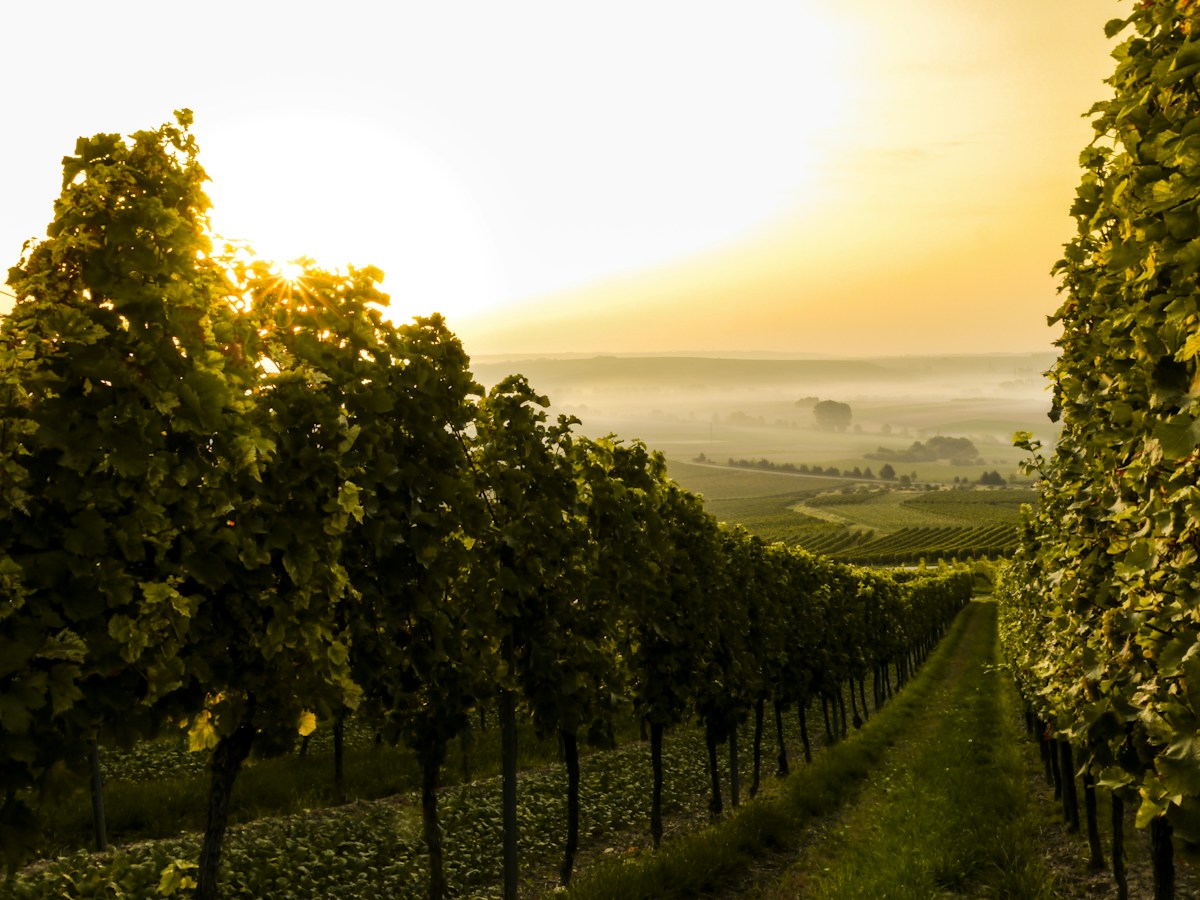
A cool morning on the Mosel. Veils of mist lie over the river like silk, winding in gentle curves through a valley whose slopes are so steep you could almost touch the sky. The scent of wet slate rises from the vineyards, interwoven with a fine citrus note, a hint of white blossoms, a whisper of peach. It’s as if the soil itself has decided to speak – in the language of Riesling.
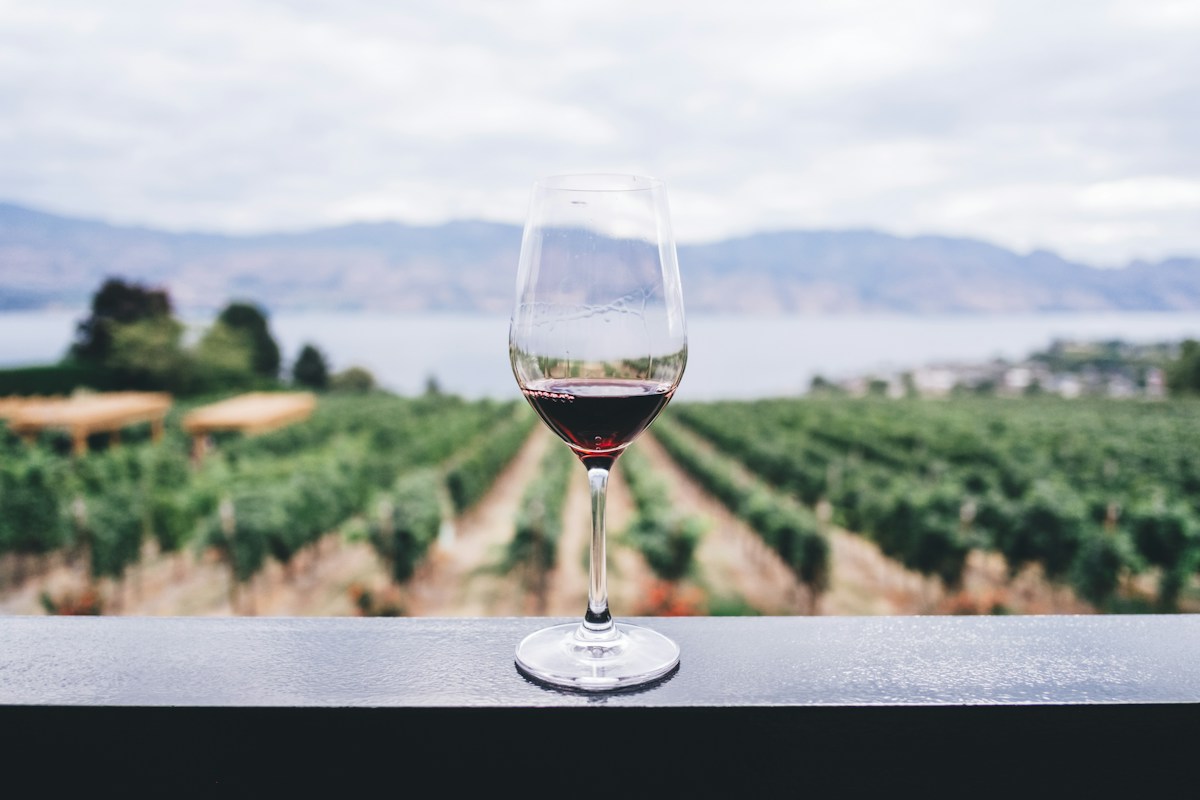
A glass of Mosel Riesling in your hand is more than just wine. It is a snapshot of light and stone, of centuries of manual work and patient vine tending. Transparent in the glass, almost ethereal, and yet full of an inner tension that recalls a finely drawn bow. The Mosel is not simply a German wine region. It is myth, legend, and cultural heritage – one of the oldest and at the same time most thrilling wine landscapes in the world.
In this article we dive into the unique terroir of the Mosel, talk about slate soils, the cool elegance of the climate, about Riesling, Elbling and Pinot Noir, about monks, Romans and visionaries. And we discover why a great Mosel wine possesses something timeless: a first sip that feels like a small piece of eternity.
---
The Unmistakable Terroir and Climate
#### The soil:
The terroir of the Mosel is marked by slate – in all its fine nuances. Blue and grey slate dominate in many classic sites, while the Terrassenmosel (Terrace Mosel) also features Devonian slate, sometimes with quartz and greywacke inclusions. On the Saar you often find poorer, even cooler slate soils, while on the Ruwer there are also patches of “Rotliegendes” (red bedrock) and volcanic influences.
These slate soils are low in nutrients, well-drained, and store heat like a battery. During the day the stone gathers solar energy, at night it gently returns it to the vines. The vine roots penetrate deep into the rock – often several metres – drawing water and minerals from the tiniest fissures. The result is wines of crystalline clarity, shaped by a salty, sometimes almost smoky minerality that is recognised worldwide as the Mosel’s signature.
Particularly distinctive:
- Blue slate (e.g. in Bernkastel, Piesport): yields delicate, fragrant Rieslings with citrus, white flowers and a fine herbal spice.
- Grey slate (among others in the Middle Mosel): brings slightly fuller, spicier wines with stone fruit aromas and prominent minerality.
- Red slate / Rotliegendes (e.g. Ruwer, parts of the Saar): amplifies spice, adds darker, herbal notes, often with fascinating earthy depth.
Steep slopes such as Wehlener Sonnenuhr, Bernkasteler Doctor, Scharzhofberg or Ürziger Würzgarten are not only spectacular landscapes but also living museums of wine culture. Here machine work is almost impossible – every grape is picked by hand. You can taste this extreme terroir in the glass.
#### The climate:
The Mosel counts among the coolest top wine regions in Europe – a decisive factor for the aromatic finesse of its wines. The climate is distinctly continental, with pronounced differences between daytime and nighttime temperatures. Long growing seasons allow for slow, even ripening of the grapes.
Key elements of the Mosel climate:
- Sunshine hours: The steep south-facing slopes function like solar panels. The river’s reflection amplifies the radiation. In the best sites this creates surprisingly high heat sums despite the overall cool climate.
- Temperature differences: Warm days, cool nights. This diurnal shift promotes the development of intense fruit aromas and preserves the pronounced yet finely tuned acidity.
- Rainfall: Generally moderate. The steep slopes ensure rapid water runoff, forcing the vines to root deeper. Drought stress is often mitigated by the water storage capacity of the slate.
- Winds and fog: River valleys create microclimates. Autumn mists favour noble rot (Botrytis cinerea), the foundation of great noble sweet wines like Beerenauslesen (BA) and Trockenbeerenauslesen (TBA).
This interplay explains why a Mosel Riesling can appear so light, almost weightless – and yet possesses aromatic depth and longevity that one would otherwise expect from warm, sun-drenched regions.
---
The Grape Varieties: The Beating Heart of the Region
#### The leading players:
Riesling is the undisputed king of the Mosel. Over 60% of the vineyard area is planted with this variety – in top sites often significantly more. Riesling is like a sensitive seismograph: every nuance of soil, exposition and microclimate shows up in the wine. Mosel Riesling stands worldwide for:
- low alcohol with high aromatic intensity
- brilliant acidity structure
- pronounced minerality
- enormous ageing potential
The stylistic spectrum ranges from bone-dry to off-dry, all the way to racy-sweet Kabinetts and noble Auslesen, Beerenauslesen, Trockenbeerenauslesen and ice wines. Hardly any other region in the world presents the complete sweetness scale of Riesling at such a high level as the Mosel.
Elbling is the region’s secret historical grape, older than Riesling and closely linked to the Mosel, especially in the lower sites and along the Upper Mosel. It produces light, fresh, high-acid wines with citrus and apple aromas and is an excellent base for sparkling wine.
#### The white/red varieties:
Alongside Riesling and Elbling, Mosel, Saar and Ruwer also host other varieties that round out the picture:
White varieties:
- Müller-Thurgau (Rivaner): Fruity, uncomplicated wines with mild acidity. Intended more for early drinking, often from simpler sites.
- Pinot Blanc & Pinot Gris (Weißburgunder & Grauburgunder): Increasingly important in selected sites. They deliver creamier, somewhat fuller-bodied wines that nevertheless retain freshness thanks to the cool Mosel climate.
- Gewürztraminer & other aromatic varieties: In very small quantities, mostly as niche projects with intense aromatics.
Red varieties:
- Pinot Noir (Spätburgunder): On warmer parcels of the Mosel and especially on the Terrassenmosel, increasingly exciting. Delicate, red-fruited Pinots with cool elegance and fine tannins.
- Dornfelder & other red varieties: Present here and there, usually in a fruit-driven, uncomplicated style.
For all this diversity, in the eyes of discerning wine lovers the Mosel remains the realm of Riesling – and with good reason.
---
History & Tradition
Winegrowing on the Mosel dates back to Roman times. As early as the 1st century AD, Roman settlers planted vineyards on the steep slopes, drawn by the favourable riverside location and mild microclimate. In Trier – then Augusta Treverorum – impressive villas with wine cellars were built; mosaics and archaeological finds testify to the early importance of viticulture.
In the Middle Ages it was above all monasteries and ecclesiastical institutions that cultivated and refined winegrowing. Many of today’s famous sites – such as the Doctor vineyard in Bernkastel or the Sonnenuhr (“sundial”) sites along the Mosel – were first documented during this period. Wine was not only a drink of pleasure, but also a means of payment, a prestige object and part of liturgical life.
In the 19th century, Mosel wine experienced its first global heyday. Great Mosel Rieslings appeared on the wine lists of the finest hotels in London, Paris and St. Petersburg – and were often traded at higher prices than the most renowned Bordeaux. Kabinett and Auslese wines from top sites were regarded as the epitome of refined, noble wine culture.
The 20th century brought challenges: two world wars, economic crises, land consolidation, and a post-war trend toward mass-produced wine. Many steep sites were abandoned because cultivating them was too labour-intensive and unprofitable. At the same time, however, from the 1980s and 1990s onwards a new generation of vintners emerged, rediscovering traditional notions of quality and combining them with modern cellar technology.
Today the Mosel is experiencing a renaissance. Classifications such as those of the VDP with its “Grosse Lagen” (Grand Cru sites), the focus on selective harvesting, yield reduction and artisanal vinification have returned the region to the international top tier. Names like Egon Müller, Markus Molitor or J. J. Prüm are global synonyms for Mosel Riesling of world-class calibre – and at the same time part of a vibrant, broad-based winemaking community that makes the terroir tangible in all its facets.
---
Pleasure & Perfect Pairings
#### Sensory profile:
A typical Mosel Riesling – whether dry or off-dry – is a study in finesse and tension. In the glass it often shows:
- Nose: Citrus (lime, grapefruit), green and yellow apple, white peach, apricot, white blossoms, sometimes herbs like lemon balm or mint, alongside the characteristic “slate tone” – smoky, stony, cool.
- Palate: Light to medium-bodied, often with surprisingly low alcohol (8–12% abv), carried by lively yet finely structured acidity. Residual sweetness (in Kabinett & Auslese) never becomes cloying, but acts as a counterweight to acidity and minerality – a dancing play on the tongue.
- Mouthfeel: Juicy, precise, almost crystalline. Great single-vineyard wines show depth and length that resonates long after the last sip.
Today, the Mosel’s top dry Rieslings are just as impressive: taut, mineral, with chiselled fruit and a salty, almost cool texture that sets them apart from many warmer Riesling regions.
#### Food pairing:
Mosel wines are remarkably versatile at the table – especially in fine dining.
Dry Mosel Rieslings:
- Fine fish & seafood: scallops, poached turbot, char, sushi & sashimi.
- Elegant vegetable & herb cuisine: asparagus, fennel, artichokes, fresh goat cheese with herbs, risotto with green vegetables.
- Modern takes on classic German dishes: pike-perch on leeks, boiled veal (Tafelspitz), light poultry with lemon thyme.
Off-dry & subtly sweet Rieslings (Kabinett, Spätlese):
- Asian cuisine: Thai curries with gentle heat, Vietnamese dishes, Chinese dishes with sweet-sour-bitter contrasts.
- Aged cheeses: blue cheeses, mature Comté or a not-too-powerful Roquefort.
- Regional specialities: Mosel onion tart, smoked trout, mildly spicy sausages.
Noble sweet wines (Auslese, Beerenauslese, TBA, ice wine):
- Dessert: fruit-based desserts (citrus, apple, peach, apricot), crème brûlée, lemon tart.
- Contrasting pairings: blue cheese, foie gras, salty nut assortments.
The art lies in using the interplay of sweetness, acidity and minerality to underline the texture and aromatics of the dish – rather than to overpower them.
---
FAQ – The 10 Most Important Questions About the Mosel
1. What makes Mosel wines so special?
The combination of cool climate, steep slate slopes and the Riesling grape creates wines of unique finesse. They unite lightness, aromatic intensity, brilliant acidity and extraordinary ageing capacity.
2. Which grape varieties dominate on the Mosel?
Riesling is by far the main variety. In addition, Elbling, Müller-Thurgau, Pinot Blanc, Pinot Gris and to a lesser extent Pinot Noir play a role.
3. What does a typical Mosel wine taste like?
A classic Mosel Riesling shows aromas of citrus, apple, peach and floral notes, underpinned by cool slate minerality. On the palate it is light, precise, with lively acidity and – depending on style – from dry to delicately sweet.
4. How long should you age Mosel wines?
Good dry Mosel Rieslings can age for 5–15 years, top single-vineyard wines even longer. Off-dry Kabinetts and Spätlesen develop fascinating honeyed and kerosene notes over 10–30 years; noble sweet wines like BA or TBA can deliver pleasure for 30+ years and beyond.
5. Which dishes pair well with Mosel wines?
Dry Rieslings harmonise with fish, seafood, modern vegetable cuisine and light meats. Off-dry and subtly sweet styles are perfect partners for Asian cuisine, mildly spicy dishes and robust cheeses. Noble sweet wines shine with desserts and foie gras.
6. What is so special about Mosel terroir?
Steep slopes with heat-retaining slate soils, the river as a temperature buffer and a cool climate with long ripening periods shape the terroir. This combination allows for delicate yet aromatically dense wines with marked minerality.
7. Which wineries on the Mosel are particularly recommended?
Among the internationally renowned producers are:
- Weingut Egon Müller (Scharzhof, Saar)
- Weingut Joh. Jos. Prüm (Wehlen)
- Weingut Markus Molitor (Bernkastel)
- Weingut Fritz Haag (Brauneberg)
- Weingut Heymann-Löwenstein (Winningen, Terrassenmosel)
8. How much does a good Mosel wine cost?
- Entry level: Good estate wines and simpler site wines from around €9–15 ex-cellar.
- Mid-range: Village and single-vineyard wines mostly between €15–35.
- Premium: Grand cru sites, noble sweet specialities or rare cult wines range from €40 up to well over €300 per bottle.
9. When is the best time to visit the Mosel?
Late summer to autumn (September–October) is ideal, when the grapes ripen and harvest begins. Spring offers tranquil, romantic impressions, while summer beckons with wine festivals and terrace life.
10. What are good alternatives to Mosel wines?
If you enjoy the Mosel style, you’ll find related profiles in cool-climate Riesling regions like the Nahe, Rheingau, Middle Rhine or selected sites of the Pfalz. Internationally, parts of Alsace and some cool regions in Austria (e.g. Kremstal, Traisental) offer interesting parallels, though the Mosel remains unique in its particular combination of lightness and depth.
---
Conclusion: A Wine That Touches the Soul
A glass of Mosel wine is like gazing out over the vineyards on a late autumn day: golden light, cool air, the river a silent mirror, the vines full of stories. With every sip, centuries of craftsmanship, an extraordinary terroir and the uncompromising passion of growers devoted to the steep slopes come together.
The Mosel is not a region you simply “tick off” in passing. It wants to be discovered, hiked, tasted – in the small cellars of traditional family estates just as much as in the vaults of international icons. Uncork a bottle of Mosel Riesling, take your time with the nose, with that first sip, with the quiet echo of slate and river. Allow this wine to touch not only your palate, but also your longing.
Then perhaps you will understand why, for many, the Mosel is not just a wine region – but a feeling they want to return to again and again.