Ahr – Where Spätburgunder Gives You Goosebumps
The Ahr wine region: spectacular steep slopes, great Spätburgunder, mineral elegance. Discover the red wine miracle on the Ahr.
Ahr – Where Spätburgunder Gives You Goosebumps
Meta-Description: The Ahr wine region: spectacular steep slopes, great Spätburgunder, mineral elegance. Discover the red wine miracle on the Ahr.
Keywords: Ahr, Ahr wine, Ahr Spätburgunder, red wine region Ahr, wineries Ahr, terroir Ahr, Ahr Valley, German red wines
---
Introduction: The First Sip of Eternity
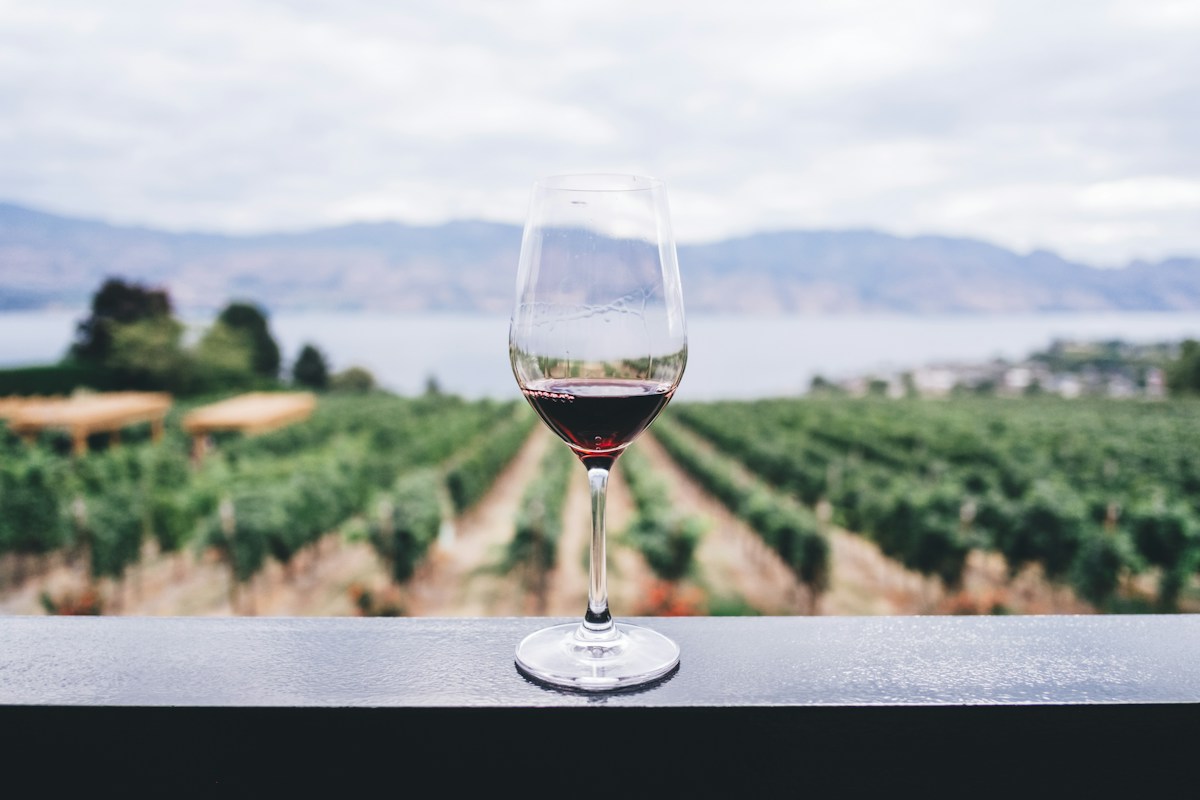
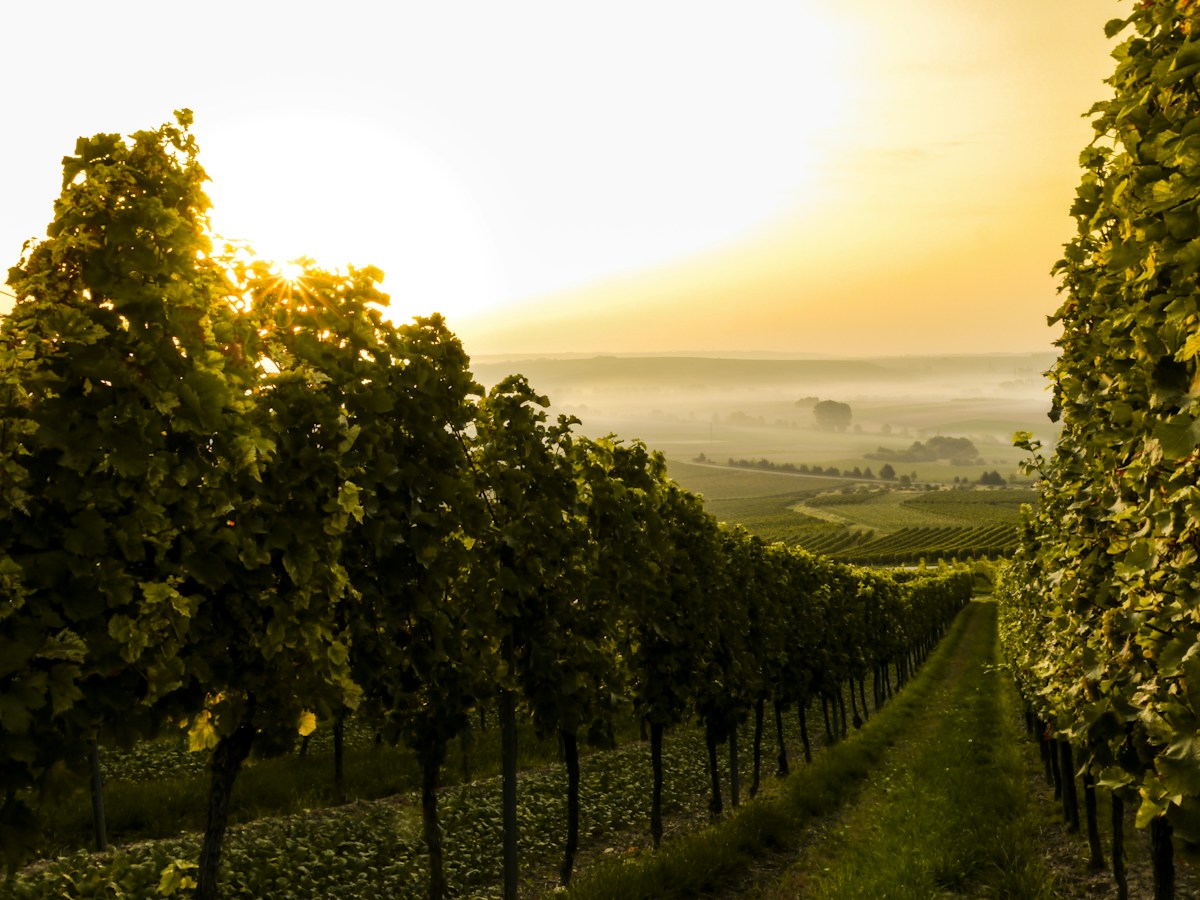
It’s late afternoon in the Ahr Valley. The sun draws its last golden lines across the steep slate slopes, the river smooth as glass, as if it were holding time itself in place. A glass of Spätburgunder stands before you, its ruby red almost transparent, and yet you already sense: there is depth here. The air smells of sun-warmed stone, wild herbs, forest, and a faint wisp of smoke drifting up from the vineyards – and in the glass, red cherries, raspberries, a hint of violets, and wet slate gather.
With the first sip, time seems to falter. The fruit is clear, cool, and quiet; the body slender yet charged with inner tension; the acidity vibrant; the finish salty-mineral. It feels as though the Ahr Valley itself were speaking directly to you – in a language of stone, light, and patience.
The Ahr wine region is myth and present day all at once: one of the smallest, coolest, and at the same time most fascinating red wine regions in Europe. It is the stage for some of Germany’s most characterful Spätburgunder, shaped by meagre slate and volcanic soils, steep terraces, and dramatic temperature shifts. In this article, we delve deep into the terroir of the Ahr: its soils, its microclimate, its grape varieties, its eventful history – and the glasses in which all of this comes alive.
---
The Unmistakable Terroir and Climate
#### The Soil:
The Ahr is a geological kaleidoscope. Over just a few kilometres, slate, volcanic rock, and loess soils alternate – a mosaic that turns every vineyard into its own microcosm.
- Devonian Slate & Greywacke:
The most famous Ahr sites rest on grey Devonian slate and greywacke. These rocks store the sun’s warmth by day and release it slowly at night. This ensures a long, even ripening of the grapes – even in cool years. In the glass, this translates into cool, precise Spätburgunder with aromas of red berries, herbs, and a distinctive, “stony” minerality.
- Volcanic Rock & Basalt:
In some parts of the Ahr Valley, especially towards the central Ahr, volcanic rock dominates: basalt, tuff, volcanic ash. These soils yield structured, spicy wines, often with darker fruit, smokiness, and a taut, almost graphite-like vein. Spätburgunder from here often seems a touch more powerful yet remains deep and complex.
- Loess, Clay & Topsoil Layers:
In selected spots, especially on the somewhat less steep slopes, you find loess and clay soils. Here, more approachable, fruit-driven Ahr wines are born, ready to drink earlier without losing regional finesse.
What makes the soils of the Ahr so unique is their combination of low nutrient availability, excellent root penetrability, and outstanding heat storage capacity. Vines that claw deep into slate fissures produce small, concentrated berries – the basis for that fascinating balance of finesse and intensity that defines great Ahr Spätburgunder.
#### The Climate:
The Ahr is a cool-climate red wine region – and that is precisely its greatest asset.
- Microclimate in the Narrow River Valley:
The river Ahr cuts deep into the Eifel hills, forming a narrow valley whose steep slopes face south and southwest. The vines stand here like in a natural amphitheatre of light. The reflection of sunlight off the water, the heat stored by dark rocks and walls, plus wind-sheltered terraces – all of this creates an astonishingly mild microclimate, despite the region’s generally cool latitude.
- Temperature Profile & Hours of Sunshine:
The region benefits from comparatively many hours of sunshine and warm summer days, yet the nights remain cool. This diurnal temperature range is crucial: it preserves acid freshness, allows aromas to ripen slowly and with nuance, and lends the wines that clarity and elegance connoisseurs yearn for.
- Rainfall & Winds:
The Ahr lies in the rain shadow of the Eifel. This means: rather moderate precipitation plus frequent dry, cooling winds that limit vine diseases and enable a late, selective harvest. Even in challenging years, the potential for finely structured, ageworthy wines remains intact.
The interplay of poor soils, steep south-facing slopes, and cool climate makes the terroir of the Ahr one of Germany’s most exciting origins for red wine – and explains why Ahr wine is attracting attention worldwide.
---
The Grape Varieties: The Heart of the Region
#### The Leading Actors:
- Spätburgunder (Pinot Noir)
More than two-thirds of the Ahr’s vineyard area is planted with Spätburgunder – it is the soul of the region. In style, Ahr Spätburgunder is often closer to Burgundy than to the powerful, extract-rich red wines of other German regions.
Typical characteristics:
- Colour: Transparent ruby red, often pale yet profound
- Nose: Red cherries, wild strawberries, raspberries, lingonberries; plus violets, dried herbs, a hint of smoke, undergrowth, fine spice
- Palate: Slim to medium-bodied, lively acidity, fine-grained tannins, pronounced mineral tension, elegant, long finish
Depending on site and élevage, the spectrum ranges from filigree, dancing village wines to great, structured single-vineyard Spätburgunder with remarkable ageing potential.
- Frühburgunder (Pinot Noir Précoce)
A true Ahr speciality – and verging on cult. Frühburgunder is a natural mutation of Spätburgunder that ripens earlier and yields lower quantities. It is considered capricious in the vineyard, vulnerable, and demands uncompromising handwork. But the effort is rewarded:
Style:
- Darker in colour than Spätburgunder
- Dense, dark cherry and plum fruit
- Fine spice, sometimes chocolate and tobacco
- Soft, ripe tannins yet with good structure
Frühburgunder from the Ahr combines depth with an almost velvety texture – it is the region’s quiet yet insistent voice.
#### The White/Red Varieties:
Although the Ahr is famous as a red wine region, other varieties also play a role:
- Riesling:
On cooler, stonier sites, Riesling here shows a taut, citrusy character, often with pronounced slate minerality – more slender, racy, and precise than opulent. Perfect for lovers of cool, dry white wines.
- Weißburgunder (Pinot Blanc) & Grauburgunder (Pinot Gris):
These yield creamier, delicately fruity white wines with notes of pear, apple, nutty nuances, and subtle herbal spice. They mirror the elegance of the Ahr Valley on a white stage.
- Portugieser & Dornfelder:
Traditional red varieties, often used for uncomplicated, early-drinking wines with softer structure. Today they are frequently overshadowed by Spätburgunder, but in skilled hands they can be quite charming.
All in all, the Ahr remains a red wine region par excellence, in which Spätburgunder and Frühburgunder are the undisputed heart.
---
History & Tradition
The Ahr wine region is one of Germany’s oldest wine landscapes. As early as the Romans, people recognised the potential of this narrow valley and planted the first vineyards. Archaeological finds and historical sources confirm that even in antiquity, wine here was not only for pleasure but also a commodity of trade.
In the Middle Ages, it was monasteries and ecclesiastical institutions that further developed the wine culture. They terraced the slopes, built dry-stone walls, and laid out parcels that still partly define the structure of today’s sites. Later, in the modern era, Ahr wines established themselves at aristocratic courts and in urban salons – at that time often as sweet red wines, aligning with the tastes of the day.
The major quality leap came in the 20th century, when pioneering winemakers began to focus consistently on dry, terroir-driven Spätburgunder. Manual labour on steep slopes, reduced yields, selective harvesting, and Burgundy-inspired maturation in wooden casks led to a veritable stylistic revolution: from simple everyday fare to one of Germany’s most thrilling Pinot Noir origins.
Crises are also part of the Ahr’s history: phylloxera, economic upheavals, and most recently the devastating flood disaster of 2021, which severely damaged cellars, vineyards, and infrastructure. Yet the response of winemaking families and cooperatives revealed what truly shapes this valley: resilience, community spirit, and an almost stoic determination to continue producing great wines.
Today, the Ahr stands for a new generation of winemakers who marry tradition with modern precision – and with every vintage prove that this slender valley can produce wines that earn recognition around the globe.
---
Pleasure & Perfect Pairings
#### Sensory Description:
A typical Ahr Spätburgunder is not a loud wine. It whispers – and that is precisely what makes it so captivating.
- Aromas:
Red cherries, sour cherries, wild strawberries, raspberries, lingonberries. Alongside floral notes (violet, rosehip), dried herbs (thyme, rosemary), a hint of smoke, black tea, and occasionally delicate nuances of truffle or damp forest floor in mature examples.
- Structure & Mouthfeel:
The wines are typically medium-bodied, never heavy. The tannins feel finely polished, almost silky; the acidity is present but never abrasive – more like a red thread that carries the wine. The minerality lends freshness and length, often with a subtle, salty impression on the palate.
- Ageing:
In terms of maturation, the spectrum ranges from subtly used large casks and barriques to more modern interpretations that play with new oak. Grand crus and top single-vineyard wines unfurl complex tertiary notes after a few years in bottle: dried fruits, mushrooms, undergrowth, fine spices.
White wines from the Ahr – especially Riesling – present themselves taut, fruitily mineral, with citrus, green apple, white peach, and a clear, cool vein.
#### Food Pairing:
Ahr wines are outstanding food companions, particularly for refined, aromatic cuisine.
With Spätburgunder and Frühburgunder from the Ahr:
- Classics:
- Saddle of venison with juniper jus and lingonberries
- Pink roasted duck breast with red cabbage and chestnuts
- Rack of lamb with an herb crust (thyme, rosemary)
- Fine Dining:
- Pigeon or guinea fowl with truffle jus
- Veal loin with morels and celery purée
- Elegant mushroom dishes (porcini, chanterelles) with light jus
- Regional cuisine of the Ahr Valley:
- Eifel game ragout with Spätzle
- Smoked or air-dried sausages, mild to medium-strong cheeses
- Flammkuchen variations with bacon, onions, and herbs
With the white wines and lighter reds:
- Riesling:
- Trout “Müllerin Art” or char from the region
- Fresh goat cheese with herbs, light salads
- Asian-inspired dishes with ginger and citrus notes
- Weißburgunder/Grauburgunder:
- Poultry dishes with light sauces
- Pasta with fine vegetable or mushroom ragouts
- Milder cheeses, e.g. young mountain cheese, Brie
Those who consciously pair Ahr wine with food will experience how the cool red fruit and mineral tension harmonise ideally with delicate flavours – a quiet yet lasting luxury.
---
FAQ – The 10 Most Important Questions About the Ahr
1. What makes Ahr wines so special?
Ahr wines fuse cool climate, steep slate and volcanic slopes, and traditional handwork into a style that is filigree, precise, and yet profound. Spätburgunder in particular shows here a rare combination of freshness, finesse, and mineral tension.
2. Which grape varieties dominate in the Ahr?
The clear protagonist is Spätburgunder, followed by Frühburgunder as a regional speciality. Smaller plantings include Riesling, Weißburgunder, Grauburgunder, and traditional red varieties such as Portugieser.
3. What does a typical Ahr wine taste like?
A typical Ahr Spätburgunder shows red berry fruit (cherry, raspberry, strawberry), floral notes, subtle herbal and smoky tones, fine tannins, and lively acidity. On the palate it appears slender, elegant, and mineral rather than opulent.
4. How long should you age Ahr wines?
Estate and village-level wines generally show at their best within 2–5 years after harvest. Single-vineyard wines, Grosses Gewächs, and high-quality Frühburgunder can easily age 8–15 years, top wines even longer, developing complex mature aromas over time.
5. Which dishes pair well with Ahr wines?
Particularly good matches are game dishes (roe deer, venison), duck, lamb, mushroom dishes, fine veal or poultry dishes, regional Eifel cuisine, and medium-strong cheeses. White wines from the Ahr pair well with fish, goat cheese, light vegetable dishes, and Asian-influenced food.
6. What is special about the Ahr’s terroir?
The Ahr’s terroir is defined by steep slate and volcanic slopes, poor soils, a narrow river valley with sheltered south-facing hillsides, and a cool microclimate with significant diurnal temperature differences. This combination shapes highly individual, elegant red wines.
7. Which wineries in the Ahr are particularly recommended?
Among the most renowned producers are Weingut Meyer-Näkel, Weingut Jean Stodden, Weingut Kreuzberg, Weingut Deutzerhof, and Weingut J.J. Adeneuer. Various cooperatives in the Ahr Valley now also offer remarkable quality.
8. How much does a good Ahr wine cost?
- Entry level: Solid estate wines from about €10–15
- Mid-range: Village and selected single-vineyard wines mostly between €20–40
- Premium: Grosses Gewächs and top single-vineyard Spätburgunder often range from €40–100 and above, depending on producer and vintage.
9. When is the best time to visit the Ahr?
The best time to visit is from May to October, when vineyards and seasonal taverns are open. Especially atmospheric are late summer and autumn during harvest, when the slopes glow and the Ahr Valley is filled with the scent of ripe grapes.
10. What are good alternatives to Ahr wines?
Anyone who appreciates the Ahr style will find similar characters in cool-climate Pinot Noir regions such as Burgundy (Côte de Nuits, Côte de Beaune), in German regions like Baden (cooler sites), the northern Pfalz, or in parts of Switzerland (Bündner Herrschaft). Even so, the Ahr’s cool, mineral fingerprint remains unique.
---
Conclusion: A Wine That Touches the Soul
When you uncork a bottle of Ahr wine, you open more than a glass vessel. You open a piece of landscape, of history, of quiet passion. Every sip carries the warmth of slate stones in the evening sun, the murmur of the river, the toil on the steep terraces, and the unshakable devotion of the winemaking families.
Ahr Spätburgunder is not a wine that clamours for attention. It is the quiet conversationalist who stays in the background – and yet lingers long in the mind. For all those who look for more in wine than mere fruit and alcohol, the Ahr extends an invitation: to inner calm, to contemplation, to that moment when a glass of wine tastes like eternity for a heartbeat.
Treat yourself to that moment. Seek out a bottle of Ahr Spätburgunder – perhaps from one of the big names, perhaps from a still undiscovered estate. Open it with intent, let the wine breathe, take your time. And listen to what this narrow valley has to tell you.
In every drop of Ahr lies a longing for elegance, depth, and authenticity. It is up to you to discover it.