Palatinate Wine Region – Where Sun-Soaked Wine, Longing and Terroir Become One
Pfalz (Palatinate): sun-drenched wine region, great Rieslings & Pinot Noirs. Discover terroir, grape varieties, history, food pairing & top estates.
Palatinate Wine Region – Where Sun-Soaked Wine, Longing and Terroir Become One
Meta-Description: Pfalz (Palatinate): sun-drenched wine region, great Rieslings & Pinot Noirs. Discover terroir, grape varieties, history, food pairing & top estates.
Keywords: Pfalz, Palatinate wine, wine region Pfalz, Pfälzer Riesling, Pinot Noir Pfalz, Pfalz terroir, German wines, Pfalz wineries, Wine Route
---
Introduction: The First Sip of Eternity
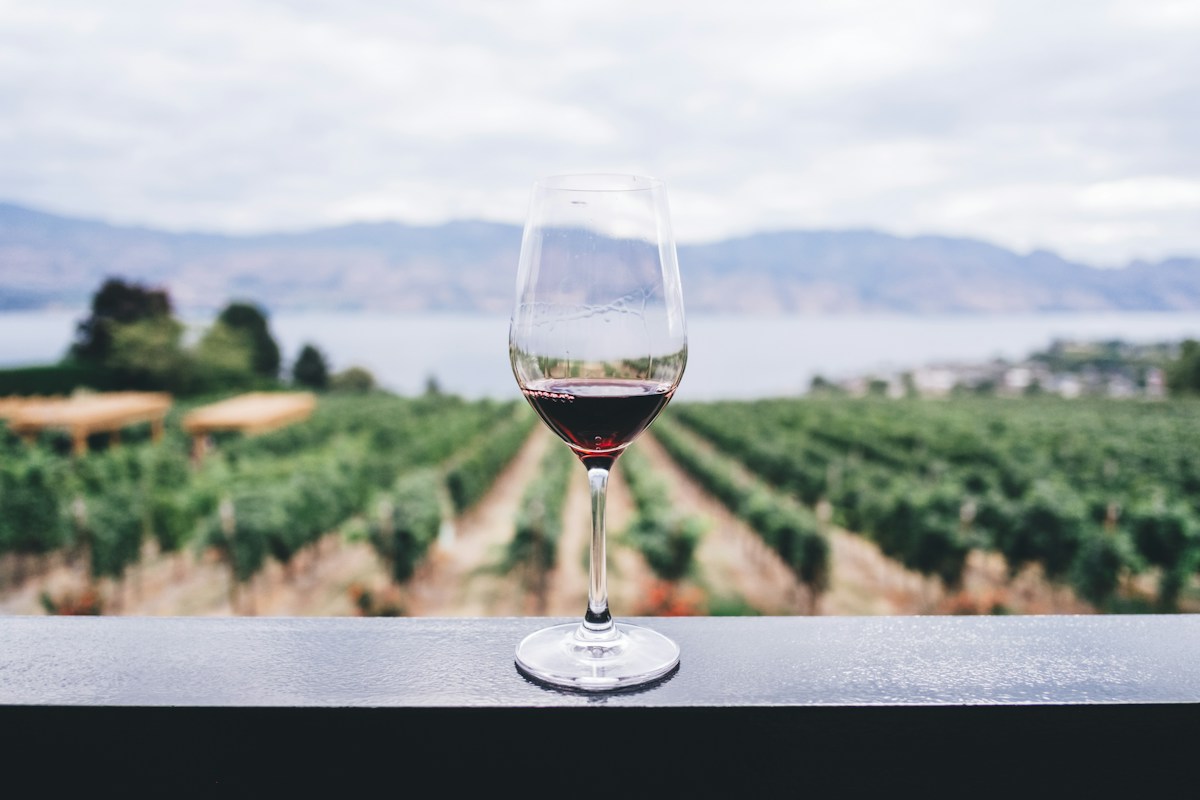
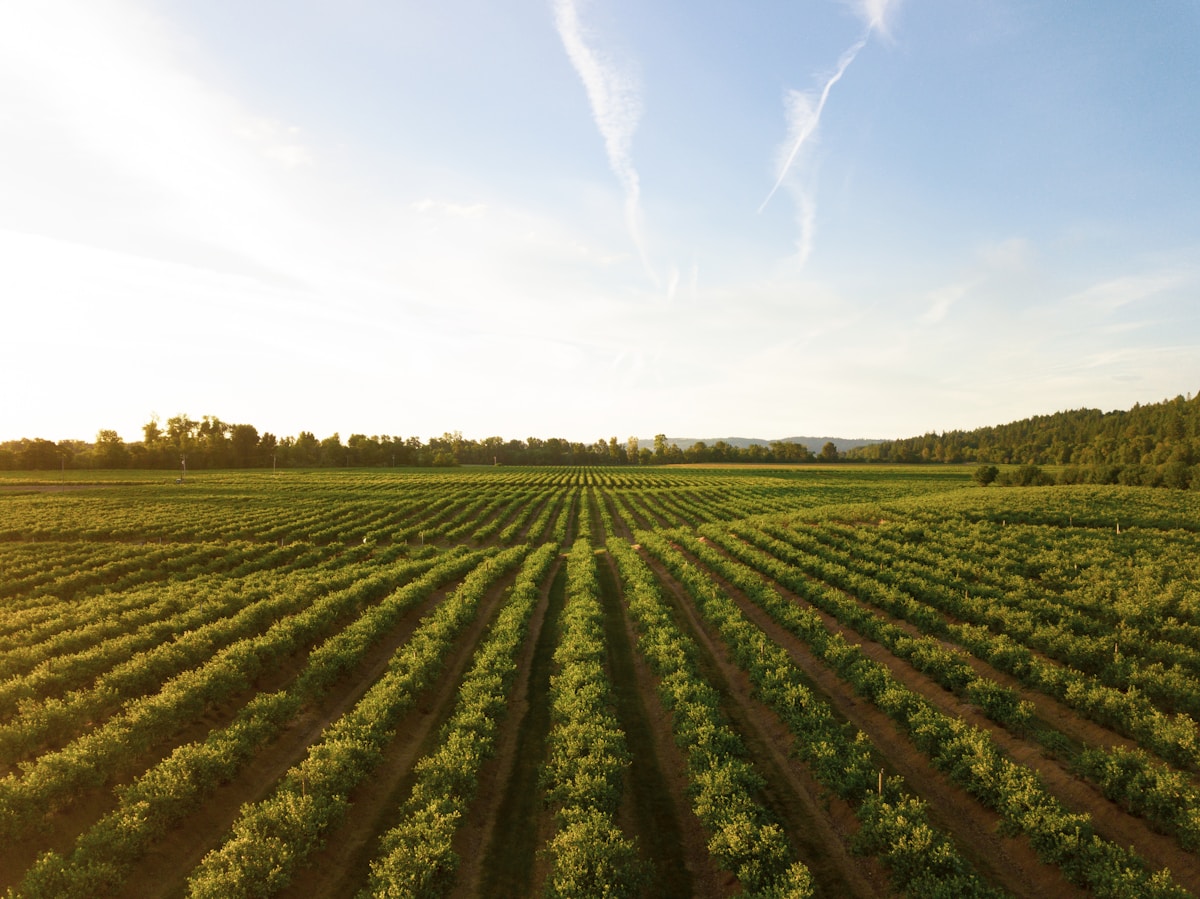
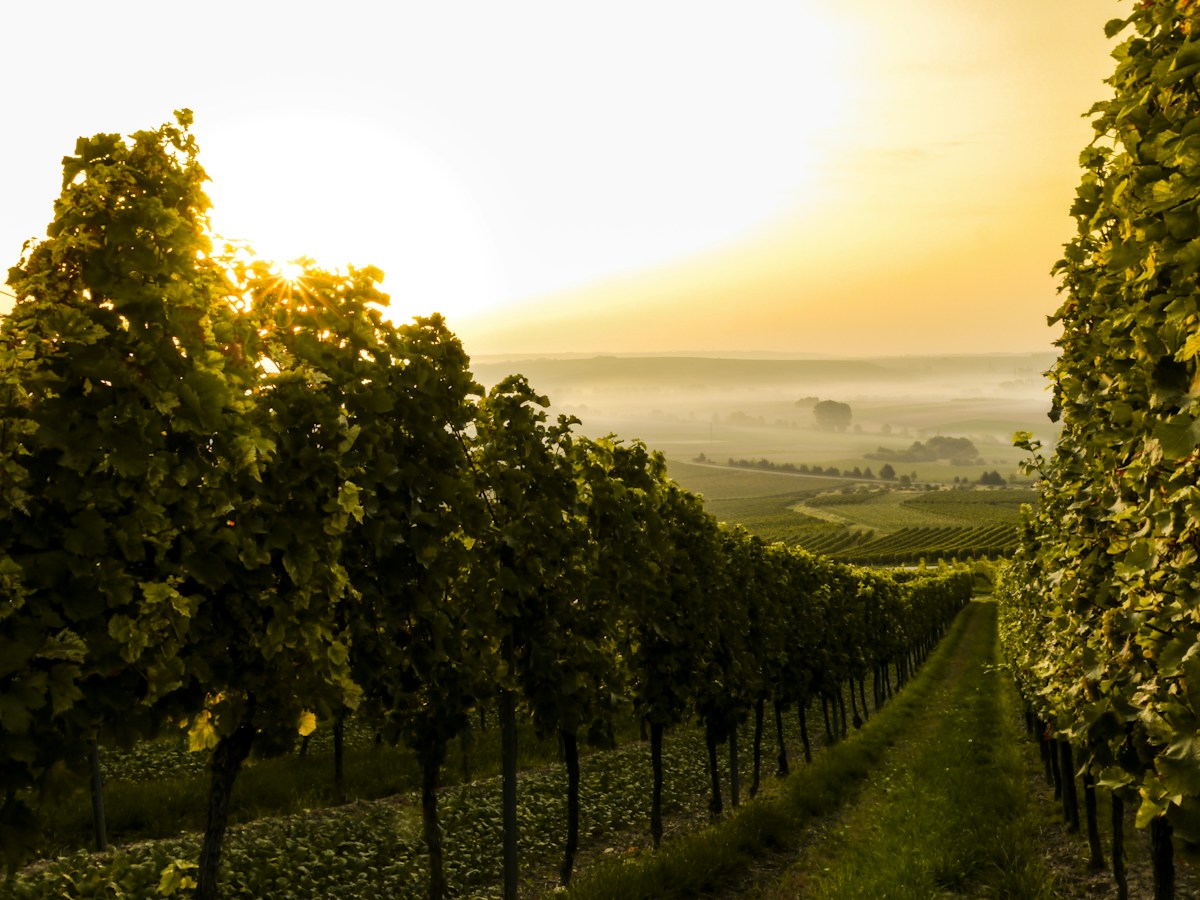
It’s still early morning in the Palatinate when the mist hangs like a fine veil between vines and almond trees. The air smells of damp earth, of herbs, of a hint of warm stones that will heat up later in the day under the sun. Above the vineyards, the silhouette of the Palatinate Forest emerges – a protective backbone that has embraced this landscape for centuries. And somewhere in between, in an unassuming glass, that first sip is waiting – more than just wine: a concentrate of landscape, history and quiet passion.
The Palatinate wine region is a myth in liquid form. It is the land of “sun wine”, one of Germany’s warmest and driest wine regions, where figs, kiwis and almonds lend an almost Mediterranean feel. Here a wine style is born that is both powerful and precise, straightforward and yet sensual. The Palatinate is where Germany’s Riesling speaks its confident, often salty, sometimes smoky dialect – and where Pinot Noir (Spätburgunder) is finding an increasingly serious and compelling voice.
In this article we dive deep: into the complex soils of the Palatinate, its special climate, its finest grape varieties. We stroll through two thousand years of wine history, encounter famous names and quiet masters, taste in our minds and discover the ideal culinary partners for these characterful wines. And perhaps, by the end, you’ll feel that subtle tug yourself – that longing for a glass of Palatinate in your own life.
---
The Distinctive Terroir and Climate
#### The Soil:
The Palatinate is a geological kaleidoscope. Hardly any other German region offers such diversity of soils in such a small area – a gift for winemakers with intuition and vision.
- Sandstone & coloured sandstone (Mittelhaardt / German Wine Route):
Around Forst, Deidesheim, Wachenheim and Ruppertsberg, various weathered sandstones dominate, often interspersed with gravel, loess and clay. These soils give rise to elegant, finely nuanced Rieslings with cool fruit, delicate herbal spice and a precise, often saline acid structure. Top sites like Kirchenstück or Pechstein benefit additionally from basalt and volcanic inclusions that contribute subtle smoky notes and mineral depth.
- Loess and loess-loam (large parts of the Vorderpfalz):
Loess stores water and warmth, provides the vines with good nutrients and allows for a slightly more generous style. The resulting wines are often full-bodied, with ripe fruit, a softer mouthfeel and a charming, accessible character – ideal for Burgundy varieties and aromatic grapes such as Pinot Blanc or Pinot Gris.
- Limestone & shell limestone (Southern Wine Route & selected sites):
Where the vine roots reach deep into limestone, the tone changes: Rieslings and Burgundies gain tension, taut acidity and an almost chalky texture. These wines feel linear, cool and structured, with notes of citrus, white flowers and often a hint of chalk or wet shell – a terroir that connoisseurs associate with the great Burgundy regions.
- Basalt, porphyry & volcanic rock (single sites, e.g. Pechstein):
Volcanic components bring striking minerality, darker spice and sometimes a fine smokiness into the glass. The wines are more powerful, dense and endowed with impressive ageing potential.
This geological diversity is the silent conductor of the Palatinate style: from crystal-clear, tension-filled Riesling from cool limestone slopes to creamy Pinot Gris from loess – always with an unmistakable Palatinate accent.
#### The Climate:
The Palatinate is “spoiled” in the best sense. Sheltered by the Palatinate Forest to the west, which acts as a natural weather barrier, it is one of Germany’s warmest wine regions.
- Sunshine hours:
With around 1,800 to 2,000 hours of sunshine per year, the Palatinate is at the upper end of the European viticultural spectrum. The vines enjoy long, bright days and sufficient warmth to reliably ripen even late-ripening varieties such as Pinot Noir and international grapes.
- Precipitation:
The Palatinate Forest holds back a large part of the rainfall, so the region is comparatively dry (on average around 500–600 mm/year). This dryness, combined with well-drained soils, leads to low yields and concentrated musts – but increasingly demands precise water management and sustainable viticulture.
- Temperature & winds:
Warm summer days with strong sunshine often go hand in hand with cooler nights. This diurnal temperature shift preserves the acidity needed for fresh, vibrant wines with plenty of aromatics. Gentle winds from the Rhine plain promote grape health and dry the fruit quickly after rain.
The result is a climate that allows fully ripe grapes with intense fruit and, at the same time, impressive freshness – one of the reasons why the Palatinate is internationally regarded as a modern benchmark for dry Rieslings and characterful Burgundies.
---
The Grape Varieties: The Beating Heart of the Region
#### The Leading Players:
- Riesling – The precise voice of the Palatinate:
With more than 5,000 ha, Riesling is the flagship variety of the Palatinate. Stylistically, the wines range from crystal-clear and taut to powerful and spicy. Typical aromas include citrus, ripe apples, white peaches, herbs and a distinct minerality shaped by the respective terroir. Palatinate Riesling often shows a little more body and fruit ripeness than its Mosel cousins, yet always retains a clear acid spine. Dry Rieslings (GG, village wines, single-vineyard wines) belong to the international elite.
- Pinot Noir (Spätburgunder) – The quiet seducer:
Over the last two decades, the Palatinate has established itself as a serious region for Pinot Noir. Warm sites, lime-rich soils and meticulous canopy management yield red Burgundies of haunting finesse: aromas of cherries, red berries, often underpinned by violets, smoke, fine spice and a hint of undergrowth. The better examples combine silky tannins with cool, Burgundian elegance.
- Pinot Blanc & Pinot Gris – The gastronomic all-rounders:
Pinot Blanc shines with freshness, fine nuttiness, citrus and stone fruit, often slender but with subtle creaminess. Pinot Gris shows more body, with ripe pear and melon fruit, sometimes with delicate honey or toasted notes. Both are made for ambitious gastronomy: versatile, reliable and excellent food partners.
#### The white/red varieties:
White varieties:
- Scheurebe:
In the Palatinate, Scheurebe is experiencing a renaissance. Vinified dry or off-dry it recalls grapefruit, cassis, exotic fruits – an aromatic yet increasingly serious wine with great potential when it is not made too sweet.
- Silvaner:
In selected sites, Silvaner yields earthy-mineral, herb-spiced wines with delicate fruit and good structure – ideal for terroir-driven, subtle whites.
- Chardonnay & Sauvignon Blanc:
International varieties such as Chardonnay are establishing themselves primarily in limestone-dominated sites. The style ranges from reductive and tense to subtly oak-influenced, with lemon, apple and discreet roasted notes. Sauvignon Blanc typically comes with gooseberry, cassis, herbal tones and animating freshness.
Red varieties:
- Dornfelder:
Deeply coloured, fruit-driven, often with cherry-berry notes and soft tannins – popular at entry level but also found in more serious versions.
- Portugieser, Merlot, Cabernet Sauvignon, Cabernet Franc:
In warm sites and at low yields, blends and single-varietal wines emerge that play with structure, ripe fruit and an international style – often aged in barrique, but increasingly precise and less dominated by oak than in the past.
The Palatinate is therefore anything but a monolithic varietal block; it is a living garden where Riesling reigns, the Burgundies are revered, and aromatic and international varieties provide exciting accents.
---
History & Tradition
The roots of Palatinate wine culture reach far back – to Roman times, when the first vines were planted along the Rhine. Archaeological finds attest to early presses and wine amphorae: wine here was not only a drink, but also a commodity and cultural asset.
In the Middle Ages, it was above all the monasteries – such as the Cistercian monastery in Maulbronn and other religious institutions – that systematically advanced viticulture. They quickly realised which sites were particularly favoured, documented their experiences and thus laid the foundations for later vineyard classifications. Many of today’s famous vineyards are historically grown entities and have been known as “particularly good” for centuries.
In the 19th century, the founding of the Deutsche Weinstraße (German Wine Route) in 1935 brought additional fame to the region: a touristic lifeline stretching from Bockenheim in the north to Schweigen-Rechtenbach in the south, lined with vineyards, castles and picturesque villages. The Palatinate became synonymous with convivial wine enjoyment – though not always with a focus on quality.
Only from the 1980s and 1990s did a quiet revolution begin: a new generation of winemakers uncompromisingly turned to quality, reduced yields, worked more meticulously in the vineyard, focused on selective harvesting and refined their work in the cellar. Today, Palatinate estates are among the elite of the VDP.GROSSE LAGE® culture – with world-famous Rieslings and, increasingly, great Pinot Noirs. Names such as Forster Kirchenstück, Ungeheuer, Pechstein or Idig are synonymous with terroir-driven top wines that command international respect.
The Palatinate thus unites something rare: deeply rooted tradition and an immense drive towards modernity. Between half-timbered houses and stainless steel, between old cask cellars and minimalist tasting rooms, a wine culture is emerging that never forgets to look back, yet strides unerringly into the future.
---
Pleasure & Perfect Pairings
#### Sensory description:
White Palatinate wines – above all Riesling:
In the glass, Palatinate Riesling often appears pale gold with greenish reflections. On the nose, citrus, lime, grapefruit meet stone fruit – peach, apricot, yellow apple – and fine herbal spice (lemon balm, mint, sometimes chamomile). Depending on site and vinification, notes of wet stone, flint, smoke or chalk join in. On the palate, the wines are clear and precise, with vibrant acidity, ripe fruit and often a dry, salty, almost mouth-watering finish. The best examples possess impressive length and develop additional honey, wax and petrol notes with age.
Burgundies & other white wines:
Pinot Blanc and Pinot Gris from the Palatinate are often creamier, with moderate acidity, aromas of pear, quince, hazelnut, almond and a touch of vanilla or brioche when oak is involved. Chardonnay can be purist and lemony or finely buttery and elegant, increasingly with well-integrated oak.
Red Palatinate wines – with Pinot Noir centre stage:
On the nose, red cherries, raspberries and occasionally strawberries dominate, underpinned by floral accents (violets, rose petals), spices and light smoky notes. On the palate, Palatinate Pinot Noir shows fine-grained tannins, medium body, lively acidity and great drinkability. At higher quality levels, depth, structure and impressive ageing capacity are added without losing the wine’s cool core.
#### Food pairing:
Culinarily, the Palatinate is as rich as it is in wine. The combination of regional cuisine and regional wine is a small universe of possibilities:
- Dry & off-dry Riesling:
Ideal with Palatinate specialities such as Saumagen in a refined interpretation, with pan-fried or poached fish (trout, pike-perch), scallops, salmon or tuna sashimi, ceviche, but also with asparagus dishes (classic asparagus with butter or hollandaise). Riesling with a touch of residual sugar harmonises beautifully with Asian cuisine – Thai curry, sushi, spicy Vietnamese dishes.
- Pinot Blanc & Pinot Gris:
Perfect with poultry such as corn-fed chicken, veal, light meat dishes, risotto (e.g. with seafood or porcini), pasta with light sauces and mild cheeses. Pinot Gris also pairs well with more robust dishes such as roast veal, mild lamb or creamy pasta with truffle.
- Pinot Noir:
A wonderful partner for braised or pink-roasted lamb, roe deer, game birds, duck and goose. It also shines with mushroom dishes, truffle, and mature cheeses (Comté, aged Brie, mountain cheeses). Lighter styles go beautifully with seared duck breast or beef fillet with a reduced jus.
- Sweeter Rieslings & noble sweet wines:
A dream with blue cheeses, pâté, foie gras, but also with fruity desserts featuring apricot, citrus or apple – whenever the wine’s sweetness and acidity can carry the dish.
The art of the Palatinate lies in creating wines that are as at home in fine dining as they are in a quiet moment with a piece of bread, cheese and good olive oil.
---
FAQ – The 10 Most Important Questions About the Palatinate
1. What makes Palatinate wines so special?
The Palatinate combines a warm, sunny climate with great soil diversity – from sandstone and loess to limestone. The result is wines that unite ripe fruit, impressive freshness and clear terroir character.
2. Which grape varieties dominate in the Palatinate?
Riesling is the most important grape of the Palatinate, followed by Pinot Blanc, Pinot Gris and Pinot Noir (Spätburgunder). Other key varieties include Scheurebe, Silvaner, Chardonnay, Dornfelder and international red grapes.
3. What does a typical Palatinate wine taste like?
Typical Palatinate wines show ripe, often yellow-fruited aromas, lively but well-integrated acidity and, depending on soil, pronounced minerality. Rieslings tend to be dry, clear and salty-fresh, Burgundies creamier and nuttier, Pinot Noir elegant and cherry-driven.
4. How long should Palatinate wines be aged?
Estate and basic-quality wines are intended for enjoyment within the first 2–4 years. High-class single-vineyard Rieslings or GGs can easily age 10–20 years or more. Good Pinot Noirs usually unfold their full potential after 5–12 years in bottle.
5. Which dishes pair well with Palatinate wines?
Riesling is ideal with fish, seafood, asparagus and Asian cuisine. Burgundy varieties pair beautifully with poultry, veal, pasta and mild cheeses. Pinot Noir is an excellent match for lamb, game, mushroom dishes and mature cheeses.
6. What is special about Palatinate terroir?
The Palatinate offers an exceptional combination of warm, dry climate and diverse soils such as sandstone, loess, limestone and basalt. This mix creates ideal conditions for ripe, characterful, terroir-driven wines.
7. Which wineries in the Palatinate are particularly recommended?
Renowned estates include Weingut Dr. Bürklin-Wolf (Wachenheim), Weingut Reichsrat von Buhl (Deidesheim), Weingut Ökonomierat Rebholz (Siebeldingen), Weingut Müller-Catoir (Haardt) and Weingut Koehler-Ruprecht (Kallstadt). In addition, there are many young, up-and-coming producers with exciting individual styles.
8. How much does a good Palatinate wine cost?
At entry level, you can find solid estate wines from around €8–12. Ambitious village and single-vineyard wines are usually between €15–30. Premium and Grosses Gewächs quality starts at about €35 and can go significantly higher depending on producer and rarity.
9. When is the best time to visit the Palatinate?
For wine lovers, spring (almond blossom, gentle freshness) and autumn harvest time (golden vineyards, numerous festivals) are ideal. Summer offers Mediterranean flair along the German Wine Route, while winter is perfect for quiet, intimate tastings in the cellars.
10. What are good alternatives to Palatinate wines?
If you enjoy the Palatinate style, you’ll find similar characteristics in regions such as Rheinhessen (for powerful Rieslings and Burgundies), Kaiserstuhl (for Burgundy varieties), or Alsace and Burgundy in France – each with its own distinct terroir signature.
---
Conclusion: A Wine That Touches the Soul
The Palatinate is more than a wine region. It is a promise: of light, warmth, clarity and depth in the glass. Here, for centuries, the vines have spoken the language of the soils, the winds, the forests – and the winemakers have learned to listen. Every sip of Palatinate wine is a piece of lived history, an echo of past vintages and at the same time a delicate premonition of what is yet to come.
Perhaps that is exactly what makes the Palatinate so irresistible: this harmony of tradition and modernity, of down-to-earthness and cosmopolitan ambition, of uncomplicated enjoyment and great, quiet complexity. You don’t have to want to understand it – you are allowed simply to feel it.
Uncork a bottle of Palatinate Riesling or Pinot Noir, pour a glass, hold it briefly against the light. Breathe in deeply. And allow that first sip to carry you to where almond trees are in bloom, sandstone walls store the evening sun and time seems to stand still for a moment: in the midst of the vineyards of the Palatinate.