Rheinhessen: Where the Rhine Kisses the Wine – and Longing Awakes
Discover Rheinhessen.
Rheinhessen: Where the Rhine Kisses the Wine – and Longing Awakes
Meta description: Rheinhessen – Germany’s largest wine region. Discover terroir, grape varieties, top estates, food pairings, and the magic of this unique landscape.
Keywords: Rheinhessen, Rheinhessen wine, Rheinhessen wine region, Rheinhessen Riesling, Rheinhessen Silvaner, Rheinhessen terroir, German wines, Rheinhessen wineries
---
Introduction: The First Sip of Eternity
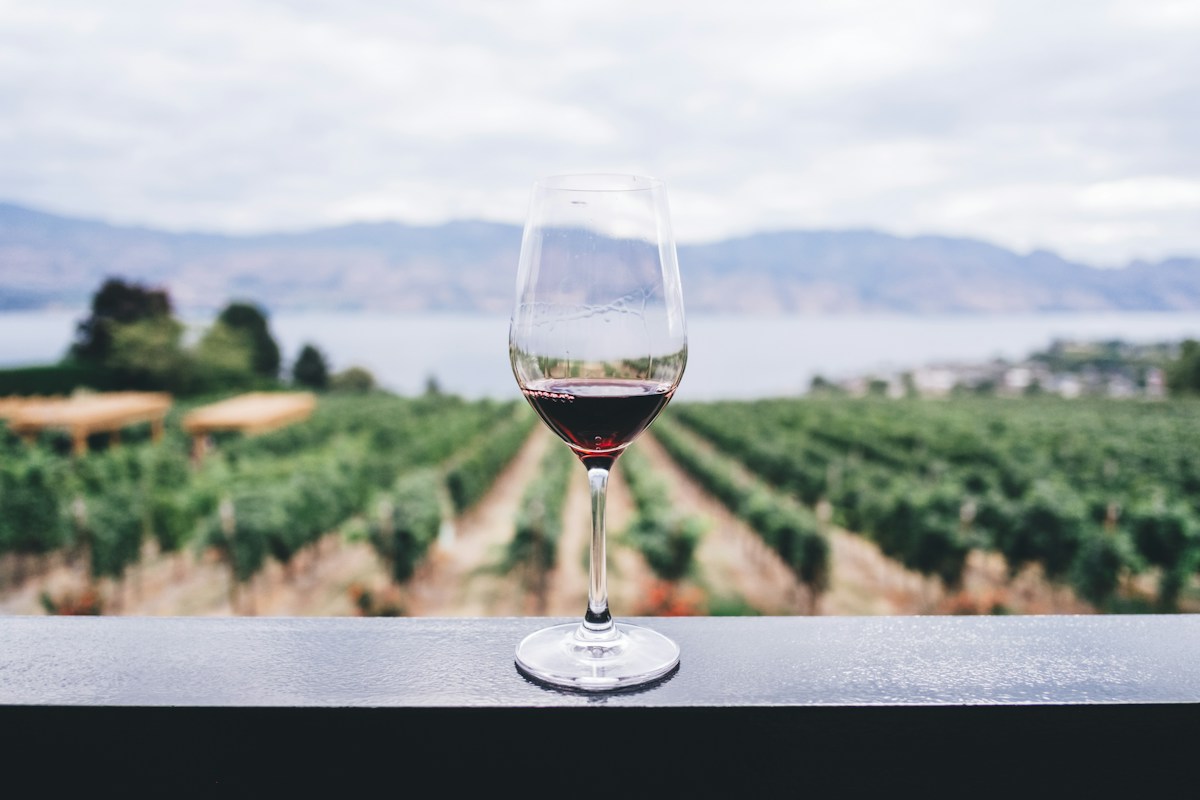
It begins with a soft crackle in the glass. A pale gold, almost transparent, catching the light like the Rhine on a late summer afternoon. On the nose: fine citrus notes, a hint of white peach, cool herbs, a whisper of wet stone. You take the first sip – and suddenly you are there: between gently rolling hills, ancient hollow paths and rows of vines stretching into the distance like musical staves.
Rheinhessen is not a region that forces itself upon you. It seduces quietly. With its light that softens the landscape. With its history that resonates in every cellar, every barrel. And above all: with wines that manage the rare balancing act between down-to-earth character and world class, between accessibility and deep, lingering complexity.
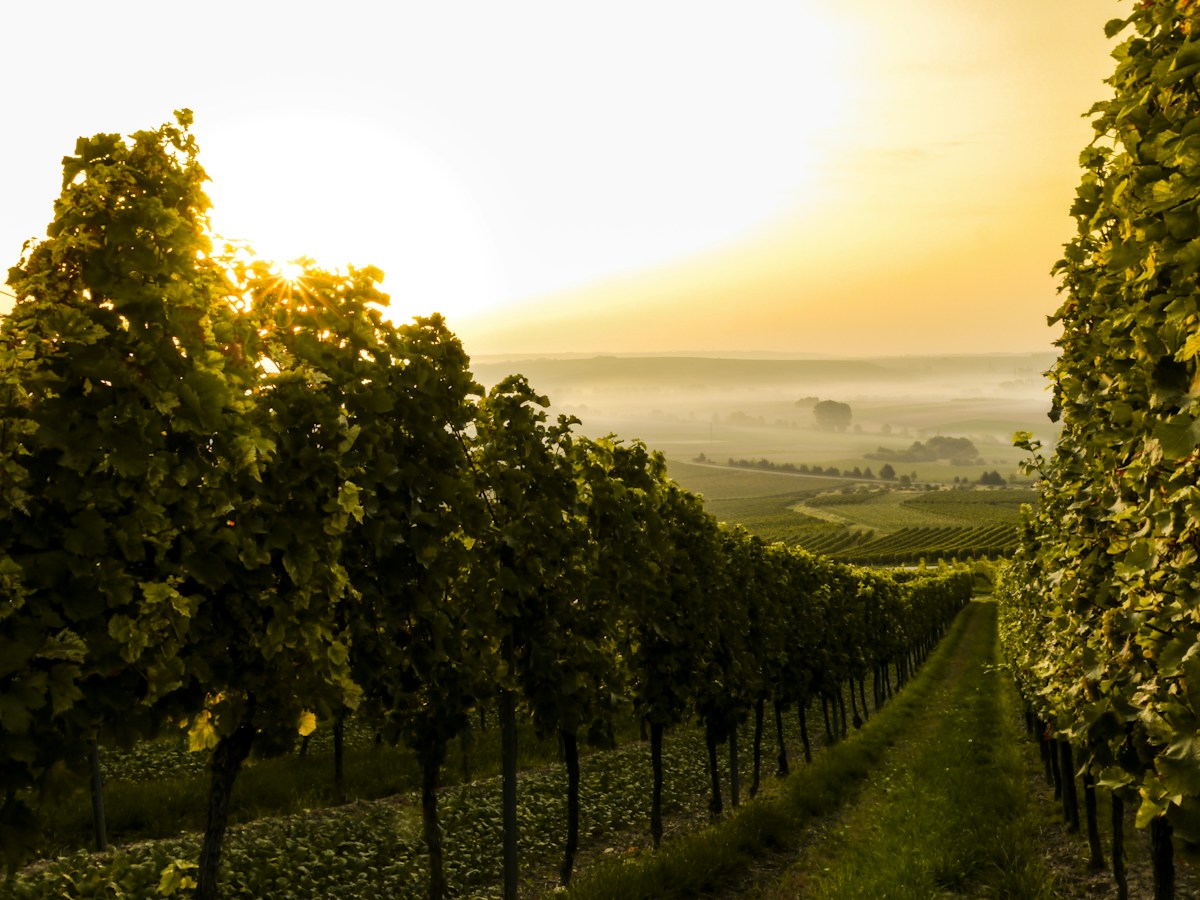
Anyone who has ever looked out over the Roter Hang near Nierstein on a still autumn morning, when wisps of fog dance above the Rhine and the slate soils glow a dark red, understands: this is where wine is created that is more than just a drink. It is memory. Longing. A liquid promise.
---
The Distinctive Terroir and Climate
#### The Soil: The Memory of Millions of Years
Rheinhessen is a geological kaleidoscope. This diversity is the heart of its terroir – and the key to the breathtaking range of its wines.
- Roter Hang (Nierstein, Nackenheim):
Here, red slate and claystone rich in iron oxide dominate. The soils store warmth, releasing it back to the vines at night and shaping especially the Riesling with vibrant acidity, salty minerality, and an almost smoky depth. These wines often appear taut, chiselled, with a long, salty finish – like Rhine winds in the glass.
- Limestone & marl (western and southwestern Rheinhessen, e.g. Westhofen, Dittelsheim, Siefersheim):
Limestone soils give wines tension, salty freshness, and an almost chalky texture. Riesling, Silvaner, Pinot Blanc and Chardonnay gain precision, clarity, and ageing potential here. The wines often display cool, citrusy fruit, fine herbal spice, and an energetic, “vertical” structure.
- Loess & loess loam:
On these fertile, fine loess soils, approachable, fruit-driven wines with softer acidity, volume, and charm are created. Ideal for varieties such as Müller-Thurgau, Dornfelder, but also for creamier Pinot styles. This is where you find those juicy, uncomplicated wines that give instant pleasure – perfect for convivial gatherings.
- Volcanic and porphyry inclusions (e.g. Siefersheim):
Where volcanic rock comes into play, the wines become darker in aroma, spicier, sometimes smoky, with impressive, firm minerality. Riesling from here often seems sparse, cool, and crystalline – terroir for connoisseurs.
This diversity of soils, combined with finely differentiated microclimates, makes Rheinhessen one of Europe’s most exciting wine mosaics.
#### The Climate: Gentle Embrace, Cool Veins
Rheinhessen lies protected like a bowl, framed by the Palatinate Forest, the Taunus and the Odenwald. This relatively mild, dry climate is among the warmest in Germany – a blessing for ripe, aromatic grapes.
- Mild temperatures & many hours of sunshine ensure reliable ripening, even for late-ripening varieties such as Riesling and Pinot Noir.
- Lower rainfall compared to other regions leads to concentrated grapes, but challenges the winegrowers – deep-rooted vines have the advantage.
- The Rhine acts as a heat reservoir and reflector: it moderates temperature extremes and brings mild air currents at night, which particularly benefit steep sites like the Roter Hang.
- Cool nights – especially in higher and wind-exposed sites – preserve freshness and aromatics. They give the wines their typical tension between ripeness and precision.
The result: wines that are at once ripe and cool – juicy but never heavy; powerful but with clear definition.
---
The Grape Varieties: The Heart of the Region
Rheinhessen has transformed from a “bulk wine chamber” into a stage for character-driven wines. A few varieties play the leading roles:
- Riesling
The queen. In Rheinhessen she shows almost the entire spectrum this variety has to offer:
- On the Roter Hang: spicy, mineral, with yellow fruit and a salty streak.
- On limestone: citrusy, precise, energetic, with enormous ageing potential.
- On loess: more approachable, fruitier, with slightly softer acidity.
Rheinhessen Rieslings can be cool and austere, but also opulent and deep – always with a clear signature of their terroir.
- Silvaner
Often underestimated, here in top form. Silvaner from Rheinhessen is earthy, herbal, subtle – less loud than Riesling, but extremely terroir-driven. On limestone and loess it shows juicy, but rather restrained fruit, fine spice, and a creamy texture. A sommelier favourite for food pairings.
- Pinot Blanc & Pinot Gris
The Pinot family finds excellent conditions in the mild climate. Pinot Blanc delivers elegant, nutty-fruity wines with fine acidity, ideal for gastronomy. Pinot Gris ranges from juicy and fruit-driven to serious and structured when yields and vinification are carefully controlled.
- Chardonnay
Long underestimated, today, in the hands of ambitious winemakers, a serious contender. On limestone, precise, mineral Chardonnays with Burgundian echoes emerge – taut, salty, elegant, often aged in subtly used oak.
- Pinot Noir (Spätburgunder)
In suitable sites, increasingly fine, Burgundy-style reds are being produced, with cool fruit, fine tannins and remarkable elegance. Not a loud, muscular style, but silk and red berries.
- Traditional & regional varieties
- Scheurebe: Aromatic but serious – blackcurrant, grapefruit, often vinified dry, with an exciting arc of tension.
- Müller-Thurgau, Dornfelder & co.: Today mostly used for simple, honest everyday wines, but in good hands capable of real charm and juiciness.
This diversity makes Rheinhessen a laboratory of possibilities – and a playground for curious palates.
---
History & Tradition
Rheinhessen is old – older than the name “Germany”. The Romans already recognized the potential of these slopes and terraces along the Rhine. Fragments of amphorae, ancient presses and settlement remains tell of a winegrowing culture that began more than 2,000 years ago.
- Middle Ages:
Monasteries, especially in neighbouring regions such as the Rheingau, shaped wine culture. Trade along the Rhine made the wines known early on. Many of the best sites were already classified in the Middle Ages – not on paper, but in the minds of merchants and princes.
- 19th century:
Rheinhessen Rieslings were among the most expensive wines in the world. They were traded in London, St. Petersburg and New York – at prices on a par with Bordeaux and Burgundy.
- 20th century – the shadow of mass production:
After the Second World War, part of the region focused on quantity rather than quality. Liebfraumilch, large collective vineyard designations, quaffable but insignificant wines shaped its image for a long time. The soils were the same – but the ambition was different.
- Renaissance since the 1990s:
A new generation of young winemakers – often well educated and widely travelled – began to reinterpret the potential of their sites. Yields were drastically reduced, old vines in top sites reactivated, hand harvesting and selective vinification became the norm. Today, Rheinhessen is once again where it belongs: at the forefront of the German wine avant-garde. VDP.Grosses Gewächs, biodynamic cult estates, top international ratings – the “new” Rheinhessen is a showcase for successful winegrowing transformation.
---
Enjoyment & Perfect Pairings
#### Sensory Description: When Landscape Becomes Flavour
A glass of Rheinhessen Riesling from a top site can taste like a walk through the region:
- On the nose: Citrus, lime, grapefruit, white peach, vineyard peach, plus herbs (lemon balm, nettle), sometimes chamomile or elderflower. In warmer sites and riper styles, also mirabelle, apricot, mango.
- On the palate: Taut, yet fine acidity running like a red thread; mineral notes of wet stone, salt, sometimes slate smoke; precise, clear fruit; dry to off-dry styles, often bell-clear and crystalline.
- On the finish: Length. A salty trail that invites the next sip. Not a loud echo, more of a lingering resonance – like an echo from the slopes above the Rhine.
Silvaner presents itself earthier, quieter, but extremely elegant: pear, apple, a hint of celery or fennel, delicate nuttiness, fine herbal spice – a wine that rarely poses, but stays.
Pinot varieties from Rheinhessen are often creamy, finely structured, with discreet oak that never dominates but frames. Chardonnay on limestone can unfold an almost chalky texture – a hint of Chablis, but with Rheinhessen soul.
#### Food Pairing: Kitchen & Cellar in Perfect Dialogue
Rheinhessen wines are born food companions. Some inspiring combinations:
- Dry Riesling (limestone or Roter Hang):
- Ceviche, tartare of local freshwater fish
- Oysters, grilled prawns, scallops
- Sashimi, sushi, Asian-inspired dishes with gentle heat
- Fresh goat cheese, young hard goat cheese
- Off-dry or fruity Riesling:
- Aromatic Thai cuisine, Vietnamese, light curries
- Smoked fish (trout, char)
- Blue cheese with fruit components (e.g. pear, fig)
- Silvaner:
- Asparagus in all variations – could hardly be more classic
- Vegetable dishes, risottos, mushroom ragouts
- Pike-perch, char, light poultry
- Regional, down-to-earth cuisine with modern lightness
- Pinot Blanc & Pinot Gris:
- Pasta with seafood or light sauces
- Veal, poultry, pan-fried fish
- Milder, creamy cheeses
- Chardonnay (barrel-aged, limestone):
- Pan-fried turbot, lobster, scallops with butter sauces
- Roast chicken, veal loin, truffle dishes
- Mature Comté, Gruyère, mountain cheeses
- Pinot Noir:
- Pigeon, venison, wild fowl
- Lamb chops, pink roasted beef
- Mushroom dishes, autumnal vegetable cuisine
Rheinhessen is not a wine that wants to stand next to the plate. It seeks out food – and finds it with remarkable ease.
---
FAQ – The 10 Most Important Questions About Rheinhessen
1. What makes Rheinhessen wines so special?
The combination of geological diversity (red slate, limestone, loess), mild climate, and a highly ambitious generation of winemakers. Rheinhessen wines combine impressive depth and terroir expression with an accessibility that makes them equally attractive to connoisseurs and curious newcomers.
2. Which grape varieties dominate in Rheinhessen?
Riesling is the leading and prestige variety. In addition, Silvaner, Pinot Blanc, Pinot Gris, Chardonnay and aromatic varieties such as Scheurebe play an important role. For reds, Pinot Noir and Dornfelder are the most widespread, complemented by Portugieser and other varieties.
3. What does a typical Rheinhessen wine taste like?
There is no single “typical” taste – the region is too diverse. Characteristic, however, are: clear, juicy fruit, lively but never aggressive acidity, often a salty, mineral note and an impressive balance between freshness and ripeness.
4. How long should you age Rheinhessen wines?
- Basic wines: 1–3 years, for uncomplicated enjoyment.
- Village and single-vineyard wines: 5–10 years, depending on style.
- Riesling from top sites (GG, top single-vineyard Riesling): 10–20 years or more; they gain complexity with age.
Pinot varieties and Chardonnay from high-quality production usually benefit from 3–8 years of bottle ageing.
5. Which dishes go well with Rheinhessen wines?
The spectrum ranges from seafood, fish and poultry (Riesling, Pinots) through vegetable and herb cuisine (Silvaner) to Asian dishes with gentle heat (off-dry Riesling, Scheurebe) and game or lamb dishes (Pinot Noir). Rheinhessen is one of Germany’s most versatile regions for food pairing.
6. What is special about Rheinhessen’s terroir?
The geological and climatic diversity in a relatively small area. A few kilometres can mean worlds in the glass: from salty-mineral Riesling from the Roter Hang to limestone-driven, finely etched Riesling from Westhofen to juicy loess wines from the uplands. This density of character sites makes Rheinhessen unique.
7. Which wineries in Rheinhessen are particularly recommended?
Without any claim to completeness and in alphabetical order:
- Kühling-Gillot / Battenfeld-Spanier
- Keller
- Wittmann
- Gunderloch
- Wagner-Stempel
- Wagner-Stempel
- Schätzel
- Seehof
- Künstler (with parts in Rheinhessen)
Alongside these, there are numerous up-and-coming estates that are dynamically advancing the region.
8. How much does a good Rheinhessen wine cost?
- Very good everyday wines: from approx. €8–12
- Ambitious village and single-vineyard wines: €15–30
- Grosses Gewächs and iconic wines from top sites: €35–100 (and occasionally above)
In international comparison, Rheinhessen offers excellent value for money, especially in the premium segment.
9. When is the best time to visit Rheinhessen?
- Spring (April–May): Tender green in the vineyards, quiet atmosphere, ideal for tastings.
- Late summer & autumn (September–October): Harvest time, golden light, often the most emotionally intense phase – you can almost physically feel the tension in the vineyards.
- Early summer (June): Wine festivals, open estates, long evenings outdoors.
10. What are good alternatives to Rheinhessen wines?
Those who love this style will also find suitable wines in regions such as the Palatinate, Rheingau or Nahe – each with their own character. Internationally, regions such as Alsace (Riesling, Pinot), the Loire (Sancerre, Pouilly-Fumé) or Burgundy (Chardonnay, Pinot Noir) offer related styles. But the specific combination of mildness, minerality and modern elegance that Rheinhessen offers remains unique.
---
Conclusion: A Wine that Touches the Soul
Rheinhessen is a quiet revolution. A landscape that does not tell its story in monuments, but in vines leaning into the wind; in soils that have waited millions of years for this moment; in winemakers who have learned to listen more than to direct.
A great Rheinhessen wine is never loud. It whispers. Of the Roter Hang, of the coolness of limestone, of the warmth of a late summer’s day, of the hands that picked each grape. It remains in the memory like the view over the Rhine at sunset: a moment that is actually too brief – and yet tastes of eternity.
Anyone who has Rheinhessen in their glass is not just drinking wine. They are drinking landscape, time and longing. And perhaps that is exactly what makes this region so irresistible: that every sip is a quiet promise to return – to the hills, to the cellars, to that first sip of eternity.