Rheingau – Where the Rhine Kisses Riesling and Time Turns into Wine
The Rheingau: legendary Rieslings, great terroir, aristocratic wine culture. Discover history, soils, grape varieties, food pairings & travel tips.
Rheingau – Where the Rhine Kisses Riesling and Time Turns into Wine
Meta-Description: The Rheingau: legendary Rieslings, great terroir, aristocratic wine culture. Discover history, soils, grape varieties, food pairings & travel tips.
Keywords: Rheingau, Rheingau wine, Rheingau Riesling, Rheingau Pinot Noir, Rheingau terroir, German wine region, Riesling Germany
---
Introduction: The First Sip of Eternity
Evening descends over the Rhine. Wisps of mist lie like fine scarves over the vineyard slopes that plunge steeply down to the river. A soft gurgle in the bottle, then the first sip: cool, bell-clear Riesling scented with white peach, wet slate and a hint of lemon zest. On the palate a vibrating tension, precise as a laser – and yet there is this quiet depth that lingers long, as if every drop were a concentrate of history.
Welcome to the Rheingau – one of the most mythical wine landscapes in Germany and the world. A narrow region on the right bank of the Rhine, roughly between Wiesbaden and Lorch, where the Rhine suddenly changes direction, flows west and thus creates a unique microclimate. Here, where monasteries, castles and old aristocratic houses line the slopes, an aristocratic wine culture has developed over centuries, devoted above all to one name: Riesling.
In this article we will dive deep into the terroir of the Rheingau: its soils of quartzite, slate and loess, the particularities of its climate, the grape varieties that reach perfection here – above all Rheingau Riesling and the elegant Rheingau Pinot Noir. We will trace the history of this legendary region, explore the sensory signature of its wines, and show which dishes best underline this fine, often cool nobility.
---
The Distinctive Terroir and Climate
#### The soil:
The Rheingau is a textbook example for terroir lovers. In a comparatively small area you find surprisingly layered soils that clearly shape the character of the wines.
- Taunus quartzite & slate in the Middle Rheingau (Rüdesheim, Assmannshausen, Lorch):
In the steep sites around Rüdesheim, which open towards the west-flowing Rhine like an amphitheatre, hard Taunus quartzite dominates, interspersed with slate and greywacke. These stony, meagre soils store heat, drain excellently and force the vines to root deeply. The result is Rieslings of gripping minerality, cool, smoky aromatics and an almost salty, stony depth. From Assmannshausen also come Pinot Noirs of astonishing finesse – shaped by this stony, heat-retaining foundation.
- Loess, loess loam & marl in the Eastern Rheingau (Eltville, Hochheim, Erbach):
Further east, in the gentler slopes around Eltville, Erbach and Hochheim, deep loess and loess loam soils as well as calcareous marl layers appear. These soils retain water better and provide a somewhat richer nutrient base for the vines. The wines here often show themselves a little more generous, with ripe fruit, floral notes and yet precise, clear acidity.
- Gravel, sand and terrace sites near the riverbank:
In between you repeatedly find gravelly and sandy terraces that additionally provide drainage and warmth. They promote early ripening, finer tannin structure in Pinot Noir and yield light, fragrant Riesling styles.
What makes these Rheingau soils unique is their interaction with slope and Rhine reflection: the river acts like a gigantic mirror, reflecting light and warmth back into the vineyards. In combination with steep sites, this creates microclimates in which Riesling and Pinot Noir unite ripeness, freshness and aromatic depth in an almost magical way.
#### The climate:
Climatically, the Rheingau lies at the transition between maritime and continental – and yet within Germany it forms a special climatic niche.
- Sunshine hours:
With about 1,500 to 1,700 hours of sunshine per year, the Rheingau is one of Germany’s privileged wine regions. The west-facing slopes along the bend in the Rhine provide long afternoon and evening sun – ideal for slow, even ripening.
- Temperatures:
The annual average temperature is around 10–11 °C, with long, moderately warm summers and relatively mild winters. The Taunus hills to the north act as a protective wall and keep cold north winds at bay. This creates warm days and cool nights, a key to the fine acidity of Rheingau wines.
- Precipitation & wind:
Rainfall is moderate, mostly between 500 and 600 mm per year, with sufficient rain in winter and spring, while summers tend to be dry. Air movement caused by the river’s course and valley winds reduces disease pressure and promotes healthy, long-lasting ripening – a prerequisite for noble sweet top qualities up to Trockenbeerenauslese or ice wine.
- Microclimate created by the Rhine:
The Rhine acts as a heat store and cold buffer. In autumn, when nights elsewhere become dangerously cold, the river releases stored warmth. Exactly in this phase Rheingau Riesling develops its famous aromatic finesse – that combination of citrus, stone fruit, herbal spice and cool, stony minerality.
In short: the terroir of the Rheingau unites sunshine, shelter, cool nights, diverse soils and the magical presence of the Rhine to create a climate tailor-made for Riesling – and for Pinot Noir of remarkable elegance.
---
The Grape Varieties: The Heart of the Region
#### The main players:
Riesling – The Crown of the Rheingau
Around three quarters of the vineyard area in the Rheingau is planted with Riesling. Nowhere else in the world is so closely intertwined with this grape variety. Rheingau Riesling stands for:
- crystal-clear acidity, fine and precise
- a range from dry to off-dry to noble sweet
- aromas of lemon, lime, green and white apple, white peach, apricot
- often joined by notes of herbs (lemon balm, mint), blossoms and a typical cool mineral impression (slate, flint, wet stone)
Dry top wines – often declared as “Erstes Gewächs” or VDP.Großes Gewächs (GG) – combine power, salty minerality and enormous longevity. Noble sweet Prädikat wines such as Auslese, Beerenauslese and Trockenbeerenauslese from the Rheingau have counted among the world’s most sought-after dessert wines for centuries.
Pinot Noir – The Aristocratic Red Soul
The second great star is Pinot Noir (Spätburgunder), especially around Assmannshausen. Here, the steep, heat-retaining slate and quartzite slopes produce red wines that recall Burgundy more than “typical German red wine”:
- fine red fruit (cherry, raspberry, wild strawberry)
- floral notes (violet), often undergrowth, smoke and a delicate spice
- elegant tannin structure, medium body, high finesse
Elsewhere in the Rheingau, Pinot Noir is also gaining attention – delicate and filigree in cool years, with impressive depth in warm years.
#### The white/red varieties:
Alongside the two leading figures, several other grape varieties play supporting roles that complete the picture of the region:
White varieties:
- Müller-Thurgau:
Now rather rare, yields light, fragrant wines for uncomplicated enjoyment.
- Pinot Blanc & Pinot Gris:
On the rise in recent years. These Burgundian varieties produce juicy, finely structured white wines in the Rheingau with notes of pear, nuts and subtle creaminess – ideal for gastronomic pairing.
- Chardonnay:
Not yet a calling card, but increasingly exciting in suitable sites, especially in combination with barrel ageing.
Red varieties:
- Frühburgunder (Pinot Madeleine/Précoce):
A rare, early-ripening mutation of Pinot Noir. Low yields, but intensely aromatic, dense wines with dark fruit and velvety texture – a true delicacy.
- Dornfelder & other red wines:
Of lesser importance, mostly for regional markets, but still part of the diversity.
At its core it remains: Rheingau = Riesling, with a noble red counterpoint in the form of Pinot Noir, which lends the region an extra touch of nobility.
---
History & Tradition
Wine culture in the Rheingau is as deeply rooted as the old vines in its stony slopes. Its history stretches back more than a thousand years.
- Monasteries as the cradle of wine culture:
As early as the Middle Ages, monks from monasteries such as Kloster Eberbach recognised the region’s potential. They systematically established vineyards, studied sites, soils and microclimate, and thereby shaped what we now call terroir awareness. Kloster Eberbach became one of the most important landowners and wine producers of the Holy Roman Empire – and remains an icon of the Rheingau to this day.
- Nobility and the Electorate:
The Elector of Mainz, local noble families and later the bourgeoisie invested in vineyards, castles and estates. Many renowned Rheingau wineries still bear aristocratic names and coats of arms. Wine served as a status symbol, commodity and diplomatic currency.
- Riesling as the royal grape:
In the 18th and 19th centuries, Rheingau Riesling established itself internationally. The elegant, long-lived, often off-dry wines from famous sites such as Rüdesheimer Berg, Schloss Johannisberg or Steinberg achieved top prices at auctions, often higher than Bordeaux or Burgundy.
- Classifications & VDP:
As early as the 19th century, there were first vineyard classifications. The Verband Deutscher Prädikatsweingüter (VDP) – with a strong Rheingau chapter – built on this and established a clear system:
- VDP.Grosse Lage (top sites)
- VDP.Erste Lage (very good sites)
From these arise some of the greatest dry Rieslings in the world today, as VDP.Großes Gewächs.
- Modern renaissance:
In recent decades, the Rheingau has undergone a renaissance: younger generations of winemakers, precise viticulture, selective hand harvests and a clear focus on site character. Dry Rheingau Rieslings are today among the international benchmarks.
This combination of monastic tradition, aristocratic cultivation and modern precision makes the Rheingau one of Germany’s most important wine regions, historically and culturally.
---
Enjoyment & Perfect Pairings
#### Sensory profile:
The typical Rheingau Riesling is an experience in tension:
- On the nose:
Citrus fruits (lemon, lime, grapefruit), green and white apple, peach, apricot, plus herbal notes (lemon balm, chamomile), sometimes floral hints (white blossoms), and – with age – a fine petrol note reminiscent of beeswax and dried herbs. Above it all often hovers a cool, stony minerality.
- On the palate:
Slim to medium-bodied, with glass-clear, vibrant acidity that coats the mouth like a fine beam of light. Dry Rheingau Rieslings feel precise, taut and salty; fruitier or off-dry versions blend acidity with texture and sweet fruit in a fascinating interplay.
- With age:
Mature examples develop notes of honey, dried apricot, herbal tea, sometimes smoke and wax – without losing their freshness.
Rheingau Pinot Noir presents itself as:
- On the nose:
Red cherry, wild strawberry, raspberry, often delicate floral notes, plus undergrowth, mushroom, fine smoke or spice notes from barrel ageing.
- On the palate:
Medium-bodied, with silky to finely grained tannins, invigorating acidity and an elegant, almost dancing structure. Not a muscle-bound blockbuster, but a red of aristocratic restraint and depth.
#### Food pairing:
Wines from the Rheingau are made for fine cuisine – both regional and international.
With dry Rheingau Riesling:
- Sea & river:
- Char or trout from the Rhine or Taunus spring water, gently steamed with herbs
- Oysters, scallops, prawns – naked or lightly grilled
- Sushi & sashimi: the acidity and minerality of Riesling cut perfectly through the fat of the fish
- Fine white meat dishes:
- Veal loin with morel sauce (not too heavy), poularde with lemon thyme
- Poultry terrines, veal tartare with citrus and herbs
- Vegetarian cuisine:
- Asparagus with classic hollandaise or melted butter
- Delicate vegetable dishes with fennel, peas, green beans; risotto with lemon and spring vegetables
With off-dry and fruity-sweet Rheingau Rieslings:
- Aromatic and mildly spicy cuisine:
- Thai curries with coconut milk (green or yellow), not too hot
- Vietnamese dishes with herbs, fish sauce, lime
- Indian dishes with mild curries and yoghurt
- Cheese & desserts:
- Blue cheeses (Roquefort, Stilton), Roquefort tart with walnuts
- Desserts with stone fruit (apricot tart, peach crumble), preferably not too sweet
With Rheingau Pinot Noir:
- Classics of fine dining:
- Saddle of venison or stag, roasted pink, with cranberries and parsnip purée
- Duck breast, medium, with cherry jus
- Veal roast with mushrooms and herbs
- Fine regional dishes:
- Wild boar ragout from the Taunus, gently braised
- Homemade blood or liver sausage with apple and onion – provided the wine has sufficient finesse
- Cheese & mushrooms:
- Washed-rind soft cheeses, mature Brie
- Mushroom dishes (porcini risotto, chanterelles with herbs)
Rheingau wines are not loud companions, but precise, music-like accents at the table – they lift flavours rather than smother them.
---
FAQ – The 10 Most Important Questions about the Rheingau
1. What makes Rheingau wines so special?
Rheingau wines combine cool elegance with aromatic depth. The unique interplay of Rhine reflection, sheltered sites and diverse soils creates Rieslings and Pinot Noirs with great precision, minerality and ageing potential.
2. Which grape varieties dominate in the Rheingau?
Around three quarters of the vineyard area is planted with Riesling. The most important red variety is Pinot Noir, complemented by smaller shares of Pinot Blanc, Pinot Gris, Müller-Thurgau and the rare Frühburgunder.
3. What does a typical Rheingau wine taste like?
A classic Rheingau Riesling is fresh, taut and mineral, with aromas of citrus, apple, peach and herbs, carried by lively acidity. Pinot Noir shows red berry fruit, floral notes, fine spice and silky tannins.
4. How long should you age Rheingau wines?
Good dry Rheingau Rieslings often benefit from 3–5 years of bottle age and, depending on quality, can mature for 10–20 years or more. Noble sweet top wines (Auslese, BA, TBA) easily endure several decades. Pinot Noir from top sites usually develops harmoniously over 5–15 years.
5. Which dishes go well with Rheingau wines?
Dry Rieslings pair beautifully with fish, seafood, poultry, asparagus and fine vegetarian cuisine. Off-dry and fruity-sweet versions harmonise with Asian dishes and blue cheese. Pinot Noir is ideal with game, duck, veal and mushroom dishes.
6. What is special about Rheingau terroir?
The Rheingau benefits from steep, south- and west-facing slopes, the warming Rhine, the protective Taunus hills and soils of quartzite, slate, loess and marl. This combination allows long, even ripening and shapes the wines with distinct minerality and elegance.
7. Which wineries in the Rheingau are particularly recommended?
Renowned wineries include Schloss Johannisberg, Kloster Eberbach, Weingut Robert Weil, Schloss Vollrads and Weingut Georg Breuer, among others. They stand as exemplars of the diversity and quality of Rheingau wines.
8. How much does a good Rheingau wine cost?
Entry-level wines from good estates usually start around 10–15 euros. Ambitious single-vineyard and VDP.estate wines often range between 15–25 euros. Premium wines such as VDP.Große Gewächse or noble sweet top wines start at about 30 euros and can go significantly higher.
9. When is the best time to visit the Rheingau?
Late spring to autumn is ideal. In May and June the vineyards are fresh and green, autumn (September/October) enchants with harvest atmosphere, golden light and numerous wine festivals. Winter also has its charm – quiet cellar tours and mature wines by the fireplace.
10. What are good alternatives to Rheingau wines?
If you love the style of Rheingau Rieslings, you’ll find related profiles in regions such as the Mosel (more filigree, often lighter), Nahe (diverse terroirs), Mittelrhein or in international cool-climate Riesling regions like Wachau, Kamptal (Austria) or parts of Alsace. For Pinot Noir, Burgundy, Baden and the Ahr offer stylistic alternatives.
---
Conclusion: A Wine that Touches the Soul
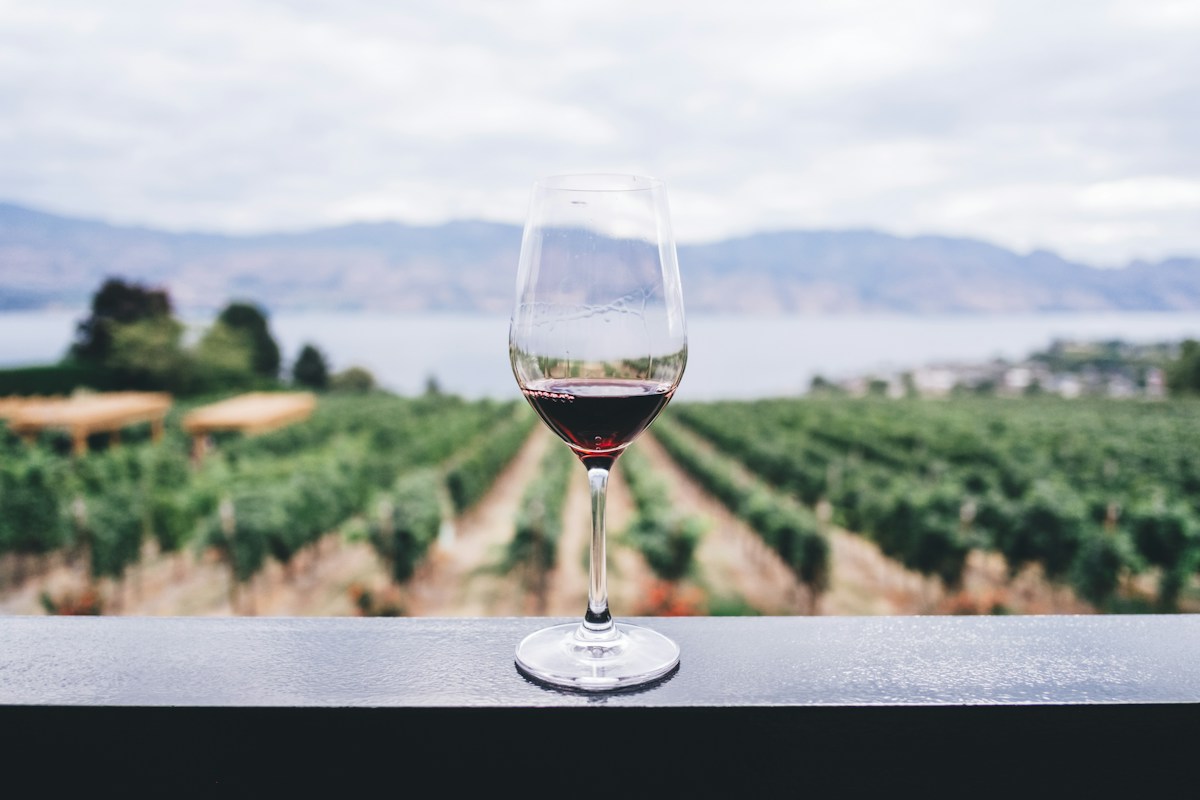
The Rheingau is more than a German wine region – it is a feeling. The feeling of sitting on a terrace wall in the late afternoon, letting your gaze drift over the glittering Rhine and holding a glass of Riesling that smells of stone, sun and cool morning air. It is the quiet certainty that this glass contains not just grape juice, but centuries of experience, patience and humility before nature.
Every sip of a great Rheingau wine speaks of monastery walls and castle gardens, of steep, laboriously tended slopes, of misty nights and golden autumn days. It is wine that does not need to be loud to make an impression – it whispers, but that whisper carries far.
Perhaps now is the moment to uncork a bottle of Rheingau Riesling or Pinot Noir. Take your time. Let the wine breathe, smell, taste, listen to its story. And perhaps you will then feel how this narrow strip of land on the Rhine draws suddenly close – like a first sip of eternity in your glass.