Nahe Wine: Where Rugged Cliffs and Quiet Rivers Turn Longing into Riesling
Discover Nahe in Deutschland. History, terroir, grape varieties and the best wines.
Nahe Wine: Where Rugged Cliffs and Quiet Rivers Turn Longing into Riesling
Meta description: The Nahe wine region: Riesling culture, unique soils, great terroirs. Discover history, grape varieties, food pairings & top estates.
Keywords: Nahe, Nahe wine, Nahe wine region, Nahe Riesling, German Nahe growing region, Nahe terroir, Nahe wine estates, Riesling Nahe
---
Introduction: The First Sip of Eternity
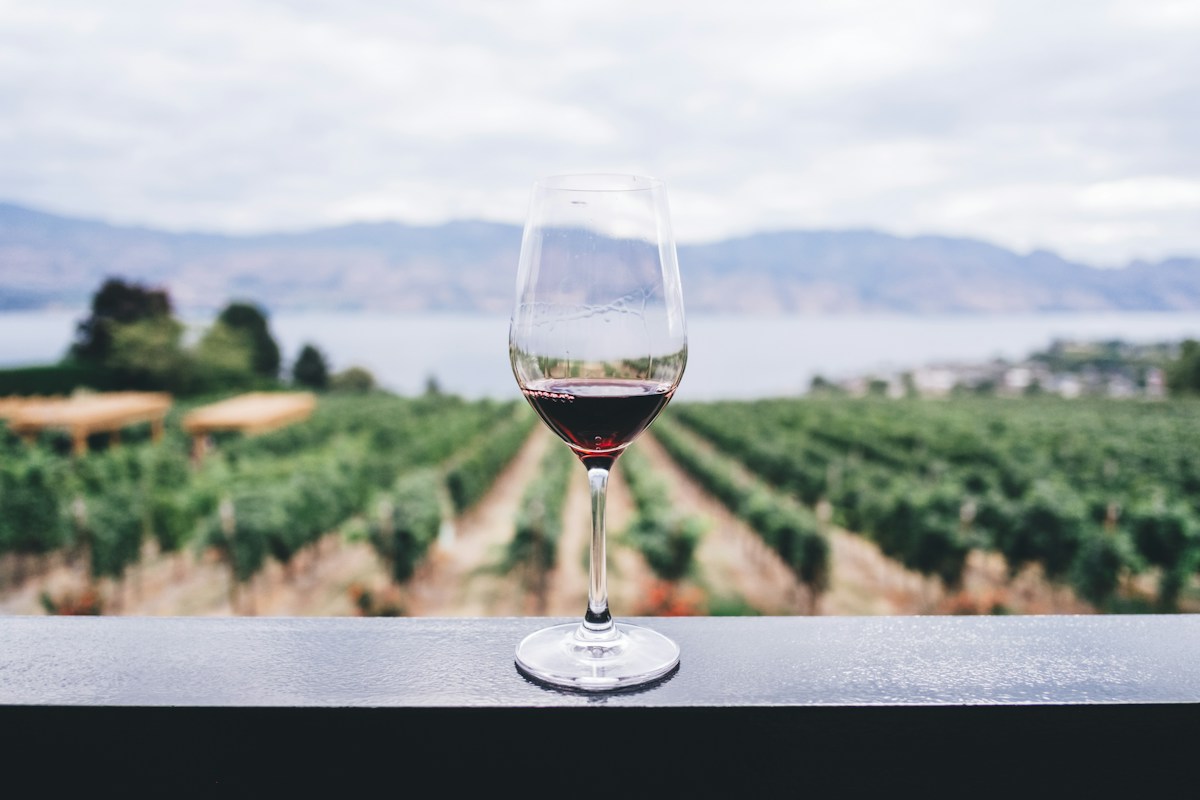
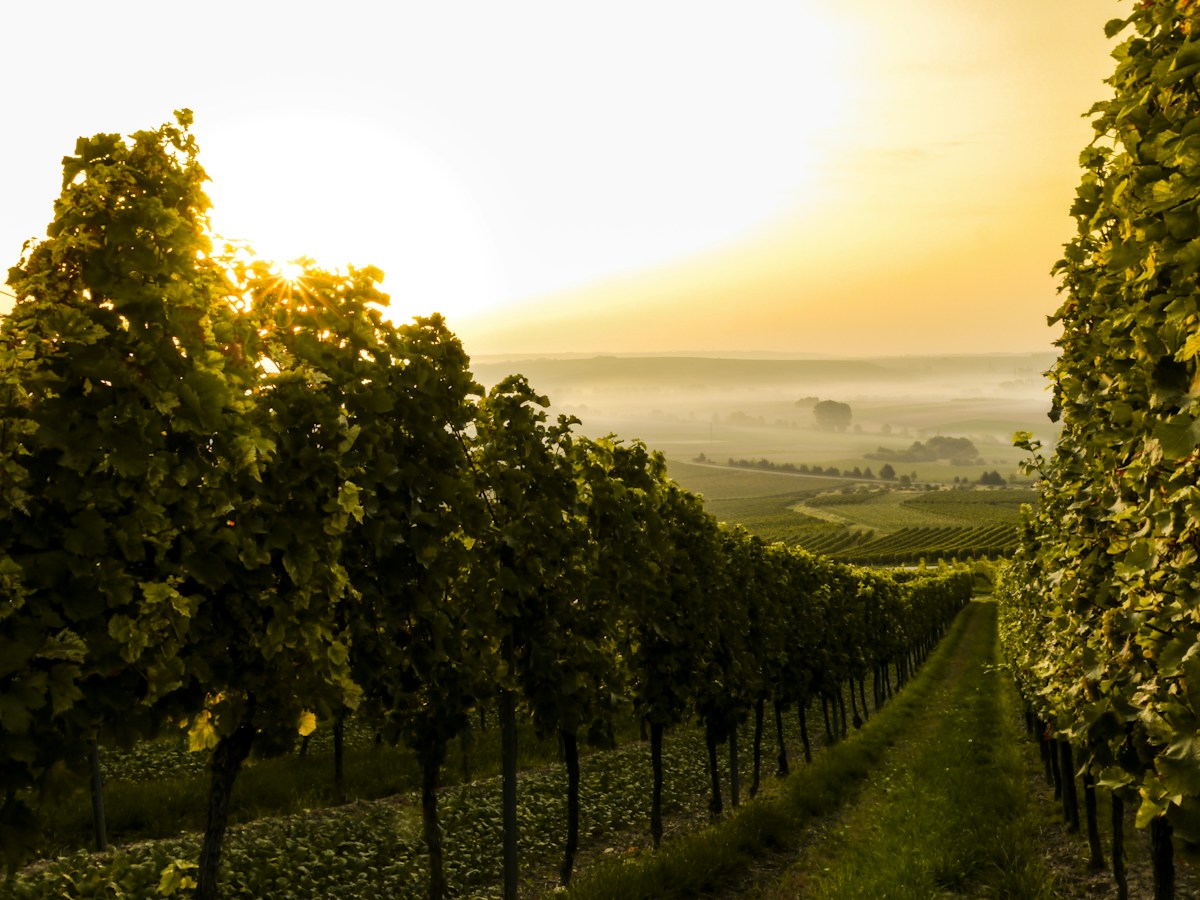
A cool morning fog still lies like a veil over the steep slopes as the first rays of sun bathe the cliffs of the Nahe in warm, golden light. The river shimmers between terraces, rocky outcrops and vineyard walls, as if it were a liquid reflection of the wines born here: clear, profound, precise. You lift the glass to your nose – a hint of white peach, green herbal spice, a wisp of smoke from slate, wet stones after summer rain. One sip – and you understand why the Nahe has long ceased to be an insider’s tip for many connoisseurs and has become a place of longing instead.
The Nahe wine region is a mosaic of soils and microclimates, a kaleidoscope of styles and nuances. Between Bingen and Kirn, between Rotenfels and Disibodenberg, volcanic rock, slate, quartzite, loess and sandstone meet a mild, sheltered climate. Above all, this is where Rieslings are created that rank among the most exciting white wines in Europe – at once crystal clear and sensual, filigreed and powerful.
In this article, we journey through the history of the Nahe, dive deep into its terroir, explore its most important grape varieties and show how to enjoy and pair Nahe wines to perfection. It’s about rock, history, light – and about the quiet promise that resonates in every glass of Nahe Riesling: a first sip of eternity.
---
The Distinctive Terroir and Climate
The soil:
The Nahe is a geological treasure chest. In a relatively small area you’ll find almost every soil type known to German viticulture – often even within a single vineyard. This diversity is precisely what makes Nahe wine so incomparable.
- Volcanic rock (porphyry, melaphyre, andesite):
In sites such as Traiser Bastei or Schlossböckelheimer Felsenberg, volcanic origins dominate. The wines here often show smoky, almost fiery notes, darker minerality, taut acidity and precise structure. Rieslings from volcanic soils feel energetic, vibrating, with aromas of citrus, grapefruit, herbs and sometimes a smoky spice.
- Slate & weathered slate:
In parts of the middle Nahe you’ll find grey and blue slate. It yields very elegant, slender, finely structured Nahe Rieslings – with cool minerality, notes of citrus fruits, white tea, and sometimes a hint of flint. The wines often develop an impressive capacity to age.
- Quartzite & weathered quartzite:
Quartzite soils deliver racy, focused wines with crystalline freshness. Aromas of green apple, lime and herbs, plus a straight, precise pull on the palate – ideal for lovers of particularly taut white wines.
- Sandstone, Rotliegend & mixed soils:
Especially around Bad Kreuznach and in parts of the middle Nahe you’ll find sandstone, clay marl and Rotliegend soils. Wines from here tend to be somewhat softer, rounder, with more yellow-fruited aromas, floral notes and harmoniously integrated acidity.
- Loess & clay soils:
These more fertile soils give rise to approachable, charming Nahe wines, often in the entry-level segment: juicy, fruit-driven, uncomplicated – and yet with that fine Nahe fingerprint.
The Nahe is a textbook of terroir: the same winemaker, the same grape variety – and yet completely different wines, solely because of the soil. This geological diversity is the key to the complexity and finesse of Nahe wines.
The climate:
Climatically, the Nahe benefits from a sheltered location between the Hunsrück and the North Palatinate uplands. Both act as natural weather barriers, so the climate is milder and drier than you might expect so far inland.
- Sunshine hours:
The Nahe region enjoys abundant sunshine – often 1,600 to over 1,800 hours per year. Enough to ripen the grapes perfectly, but not so much that freshness is lost.
- Precipitation:
Rainfall is moderate and distributed differently from subregion to subregion. Steep, well-drained sites force the vines to root deeply – another building block for the mineral depth of the wines.
- Temperature differences:
Warm days and significantly cooler nights during ripening allow aromas to develop slowly and gently. The result: pronounced fruit character coupled with lively, clean acidity.
- Wind & ventilation:
Many sites are well ventilated, which prevents rot and allows growers to play the long game with ripeness. This is crucial for late harvests, Auslesen and noble sweet rarities.
This interplay of varied soils, a sheltered but sunny location and marked diurnal temperature swings gives the Nahe its typically cool elegance combined with remarkable ripeness and depth.
---
The Grape Varieties: The Beating Heart of the Region
The main players:
- Riesling – The Queen of the Nahe
Riesling is the leading variety of the Nahe and accounts for roughly a quarter to a third of the vineyard area – significantly more in the top sites. Hardly any other German region shows so many faces of Riesling in such a small space: from bone-dry, crystal-clear estate wines to legendary Grosses Gewächs bottlings and noble sweet treasures.
Typical for Nahe Riesling:
- cool, precise fruit (citrus, green apple, white peach, later also ripe apricot)
- pronounced but finely interwoven acidity
- clear, often stony-mineral nuances
- a huge spectrum from featherlight to powerfully concentrated
- Müller-Thurgau & Pinot Blanc (Weißburgunder)
Müller-Thurgau is more important at the basic level: fresh, uncomplicated, floral and fruity wines for early drinking. Pinot Blanc, on the other hand, has gained significant ground in recent decades – especially on more fertile loess and clay soils. On the Nahe it often appears creamy and nutty, yet with fine, animating freshness.
- Pinot Gris (Grauburgunder) & Chardonnay
Pinot Gris offers approachable, somewhat fuller white wines on the Nahe, ranging from juicy-fruity styles to subtly barrique-aged versions. Carefully barrel-aged Chardonnay can show elegant, Burgundian overtones here without denying its origins – always carried by a fine Nahe freshness.
The white/red varieties:
- Other white varieties:
Scheurebe – often underestimated – produces beguiling, aromatic wines on the Nahe with cassis, grapefruit and herbal notes, both dry and with residual sweetness. Silvaner and Kerner play more of a niche role, but in the hands of ambitious growers they delight with juiciness and subtle spice.
- Red grape varieties:
Although the Nahe is considered a white wine region, increasingly serious reds are being made here, especially from:
- Pinot Noir (Spätburgunder): In warmer sites on sandstone or clay marl, elegant, medium-bodied reds emerge with red berries, cherry, fine spice and discreet oak. Not a Burgundy imitation, but a finely nuanced, cool-climate German interpretation.
- Dornfelder & Portugieser: More for uncomplicated drinking pleasure, fruity, soft, usually with little to no oak influence.
In sum, the Nahe is clearly Riesling country – yet those who look more closely discover a terroir that also offers a fascinating stage for Burgundy varieties and selected red wines.
---
History & Tradition
Wine culture on the Nahe is as old as the legends that swirl around its monasteries and cliffs. The Romans were already planting vines here; archaeological finds document viticulture since antiquity. In the Middle Ages it was above all monasteries like the famous Disibodenberg that promoted viticulture and collected knowledge about sites, soils and vinification.
In the 18th and 19th centuries, Nahe wines, particularly Rieslings, enjoyed a high international reputation – often on a par with the Rheingau and Mosel. The name of the region is relatively young, by the way: only in 1971 was “Nahe” officially defined as one of the 13 German quality wine-growing regions. Before that, people tended to speak of individual villages or river sections.
The second half of the 20th century was a rollercoaster ride: the boom in mass-produced wine, new plantings, technical modernization. Yet in parallel a quiet quality revolution was taking shape. Some producers began to focus consistently on site character, lower yields, selective hand harvesting and gentle cellar work. With the introduction of the VDP classification (Grosse Lage, Erste Lage, Ortswein, Gutswein), the Nahe gained a precise tool to make its best terroirs visible.
Today, the Nahe is a region of quiet but impressive triumphs: top estates achieve top scores worldwide, and Grosses Gewächs wines from sites such as Niederhäuser Hermannshöhle, Schlossböckelheimer Felsenberg or Traiser Bastei rank year after year among the most sought-after German Rieslings. Tradition and modern precision enter into a fascinating symbiosis here.
---
Enjoyment & Perfect Pairings
Sensory profile:
Nahe wines resist easy categorization – and that is precisely what makes them so exciting. Some typical profiles:
- Dry Nahe Rieslings:
Aromas of lime, grapefruit, green apple, white peach. Added to that come nuances of herbs (lemon balm, mint), stony-mineral notes (wet stone, flint, smoke). On the palate they are taut, straight, with vibrant acidity that is never harsh. Grosses Gewächs wines show density, depth and a salty, almost iodine-like minerality on the finish.
- Off-dry & fruity Rieslings:
Aromas of riper stone fruit, sometimes exotic nuances (passion fruit, mango), cushioned by playful sweetness and dancing acidity. The residual sugar is never cloying but acts like a spotlight on the fruit.
- Burgundy varieties (Pinot Blanc, Pinot Gris, Chardonnay):
Creamier, softer, with notes of pear, yellow apple, nuts (almond, hazelnut). Depending on élevage, subtle vanilla or toast notes from oak, but always held in check by cool freshness.
- Pinot Noir:
Red cherry, wild strawberry, rosehip, plus fine, earthy spice. Elegant, medium-bodied, with silky tannins and fresh acidity that provides structure.
Food pairing:
Nahe wines are true culinary partners – precise, aromatic and yet never intrusive.
- Dry Nahe Rieslings:
- Fine fish: char, pike-perch or turbot, ideally with citrus butter or beurre blanc
- Seafood: oysters, scallops, ceviche
- Refined Asian cuisine: sushi, sashimi, Vietnamese herb dishes, Thai dishes with lime and coriander
- Regional classics: trout “Müllerin”, winemaker’s trout, pan-fried pike-perch on Riesling sauerkraut
- Off-dry & fruity Rieslings:
- Spicy dishes: Thai curries, Sichuan cuisine, piquant Indian dishes
- Blue cheeses: Roquefort, Stilton, but also robust German blue cheese
- Aromatic vegetable dishes: pumpkin, sweet potato, oriental-spiced cuisine
- Pinot Blanc, Pinot Gris, Chardonnay:
- Poultry: corn-fed chicken, guinea fowl, poularde with cream sauces
- Pasta & risotto: with mushrooms, truffles, seafood
- Fine veal dishes, light meats with delicate sauces
- Nahe Pinot Noir:
- Saddle of venison or deer, pigeon, game birds
- Sweetbreads, mushroom ragout, wild mushroom risotto
- Semi-mature cheeses, especially washed-rind soft cheeses
Those seeking regional cuisine will find it in game dishes, hearty roasts, blood sausage, onion tart and of course a multitude of dishes with sauerkraut – always accompanied by a glass of Nahe Riesling, which lends lightness and brilliance to the whole.
---
FAQ – The 10 Most Important Questions About the Nahe
1. What makes Nahe wines so special?
The Nahe combines a uniquely diverse range of soils in a very small area – from volcanic rock to slate to quartzite. This terroir, together with a mild yet cool climate, gives Nahe wines an extraordinary tension between freshness, depth and minerality.
2. Which grape varieties dominate the Nahe?
Riesling is the most important and defining variety of the Nahe. Alongside it, Pinot Blanc, Pinot Gris, Müller-Thurgau and, increasingly, Chardonnay and Pinot Noir play a significant role.
3. What does a typical Nahe wine taste like?
A typical Nahe Riesling shows cool citrus fruit, green apple, white peach and pronounced but finely balanced acidity. Added to that are stony-mineral notes that recall wet rock, flint or smoke – depending on the soil.
4. How long should you age Nahe wines?
Estate wines and simpler qualities are usually most charming within the first 2–4 years. Village-level (Ortswein) and high-quality single-site wines, particularly Riesling, gain significantly in complexity over 5–10 years; Grosses Gewächs and noble sweet Nahe wines can age beautifully for 15 years and longer.
5. Which dishes pair well with Nahe wines?
Dry Nahe Rieslings are ideal with fine fish, seafood, Asian cuisine and lighter meat dishes. Off-dry and fruity styles pair wonderfully with spicy, aromatic dishes and blue cheeses. Burgundy varieties are especially good with poultry, creamy pasta dishes and light meats.
6. What is special about the Nahe terroir?
The terroir of the Nahe is marked by exceptional geological diversity – volcanic rock, slate, quartzite, sandstone and loess lie close together. Add to that a sheltered, sunny climate with cool nights, which allows slow, aroma-rich ripening and preserves vibrant acidity.
7. Which Nahe estates are particularly recommended?
Some of the most renowned Nahe producers include:
- Weingut Dönnhoff (Oberhausen)
- Weingut Schäfer-Fröhlich (Bockenau)
- Weingut Emrich-Schönleber (Monzingen)
- Weingut Gut Hermannsberg (Niederhausen)
- Weingut Kruger-Rumpf (Münster-Sarmsheim)
8. How much does a good Nahe wine cost?
- Entry level: Solid estate wines start at about €8–12 ex-cellar.
- Mid-range: Ambitious village and single-site wines are usually between €15–30.
- Premium: Grosses Gewächs bottlings and rare single-site or noble sweet wines can cost between €35 and €80, and in top vintages from coveted estates even more.
9. When is the best time to visit the Nahe?
The ideal times to visit are spring and autumn. In spring the valley dresses itself in fresh green and the new vintage comes to market. In autumn – around harvest time – the vineyards glow golden and the Nahe shows its most romantic side. Many estates open their doors for tastings then.
10. What are good alternatives to Nahe wines?
Those who appreciate the Nahe’s style will also enjoy regions with cool climates and pronounced minerality: for example the Mosel (even more filigreed), the Rheingau (a bit more powerful), the Pfalz (warmer, more fruit-driven) or cooler parts of Alsace. Internationally, Rieslings from Austria (Wachau, Kremstal, Kamptal) or New Zealand (e.g. Central Otago) offer exciting alternatives – though with a clearly different terroir fingerprint.
---
Conclusion: A Wine That Touches the Soul
Anyone standing on the Nahe with a glass of Riesling in hand, letting their gaze wander over cliffs, terraces and the quietly flowing river, feels that this region is more than just a place on the map. It is a promise: of clarity, of depth, of quiet yet enduring emotion.
Nahe wines are not loud seducers. They whisper – of ancient rock, of cool nights and warm days, of winemakers working with respect and devotion. Every sip tells of a landscape that does not impose itself, but gradually reveals its inner essence.
Uncork a bottle of Nahe Riesling – ideally from one of the great terroirs along the river. Pour yourself a glass, take time for the aroma, for the first sip, for the aftertaste. You may come to understand why so many sommeliers, wine lovers and quiet hedonists return here again and again – in the glass and in their hearts.
The Nahe is waiting. In your cellar. In your glass. And perhaps on your next journey.