Styria Wine: Where Cool Mountains, Wild Longing and Great White Wines Are Born
Discover Steiermark in Österreich. History, terroir, grape varieties and the best wines.
Styria Wine: Where Cool Mountains, Wild Longing and Great White Wines Are Born
Meta description:
Styria wine – cool elegance, Sauvignon Blanc, Muskateller & Co. Discover terroir, grape varieties, history, pleasure & insider tips from this Alpine region.
Keywords: Styria, wine region Styria, Styrian wine, Südsteiermark, Weststeiermark, Vulkanland Steiermark, Sauvignon Blanc, Gelber Muskateller, Chardonnay, Morillon, Schilcher, Austrian wine
---
Introduction: The First Sip of Eternity
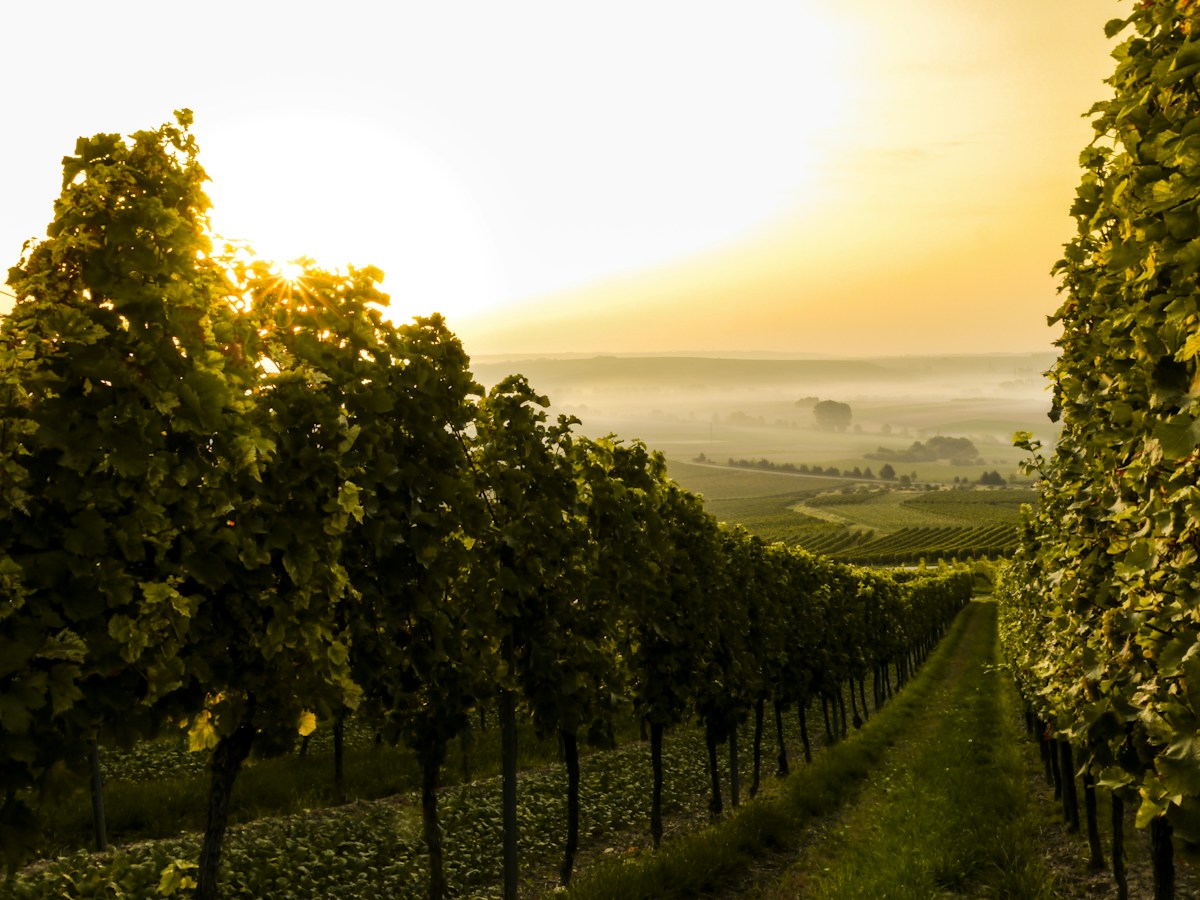
It’s early morning in Styria. The mist still clings to the hilltops like the last dream of the night, while the first rays of sun gently brush over the vines. The air smells of damp earth, white blossoms and a hint of herbal spice carried over from the forests by the wind. In the distance you hear cowbells, and somewhere a winemaker carefully opens the cellar door – a soft creak, an invitation to another world.
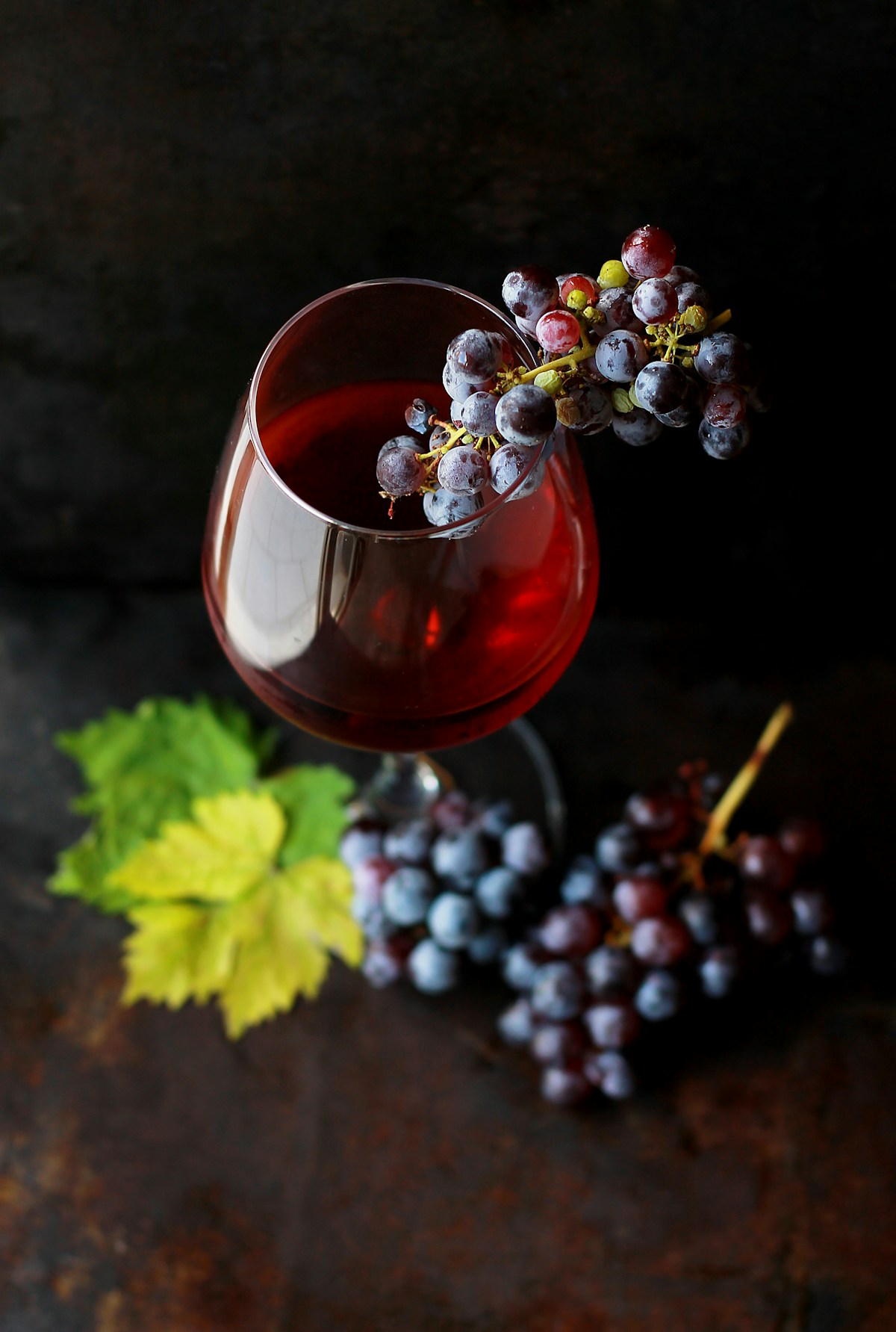
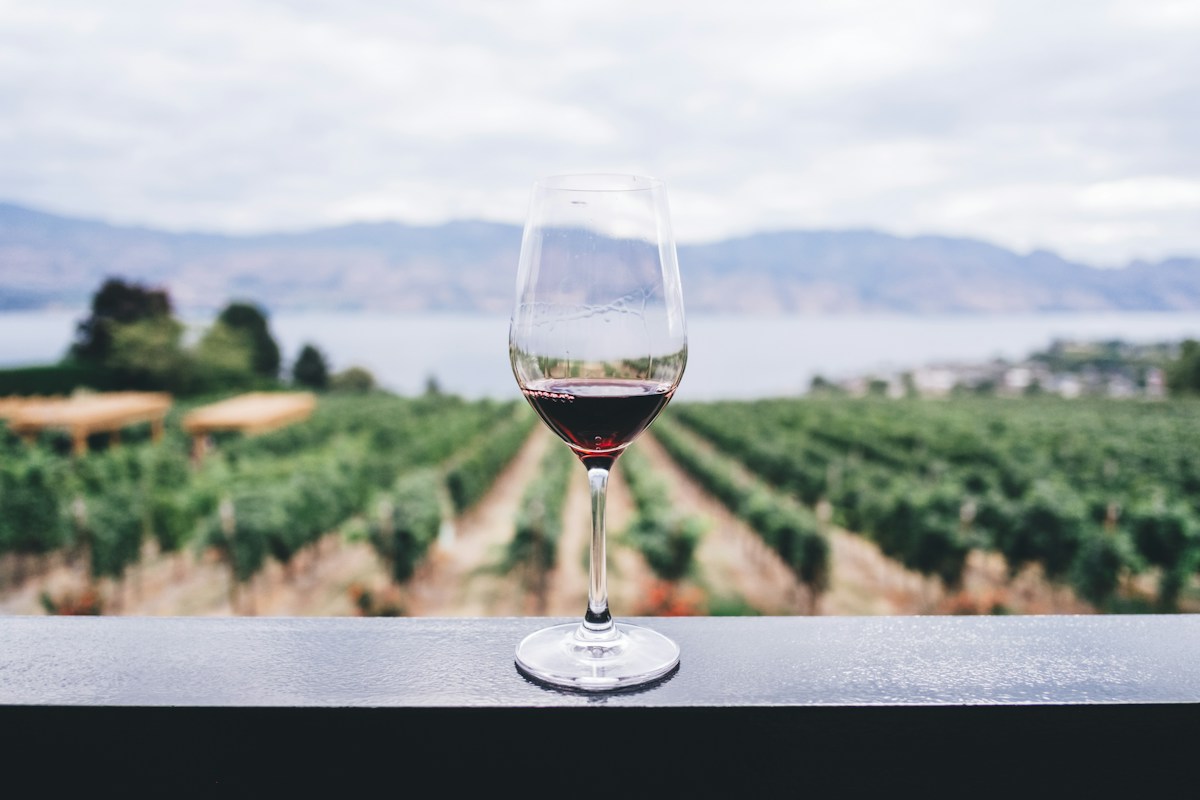
A glass of Styrian Sauvignon Blanc in front of you: bright, pale, with greenish reflections, the glass misted with cellar-cool condensation. You lift it to your nose – lime zest, white currant, elderflower, a hint of nettle and wet stone. On the palate, precision, a vibrating acidity like a clear mountain stream leaping over slate. A wine that doesn’t just taste good, but tells of a landscape.
The Styrian wine region in Austria is more than an indication of origin. It is myth and legend at once: wild hills, dramatic steep slopes, ancient volcanic cones, cool downdrafts, warm days. A stretch of land where wine is not merely an agricultural product, but cultural DNA. Here, some of Europe’s most exciting white wines are born – and a rosé that, as Schilcher, has long since become a cult wine.
In this article we dive deep: into the sparse soils, the challenging climate, the grape varieties that reveal their unmistakable character here, and the traditions that shape this region. Styria: a wine dream for all who seek freshness, finesse and character – and along with that, the feeling of having something rare in their glass.
---
The Unmistakable Terroir and Climate
Styria is divided into three major winegrowing areas: Südsteiermark, Vulkanland Steiermark and Weststeiermark. They share one soul – the quest for clarity and terroir – and yet each sings its own melody.
#### The soil:
Südsteiermark (Southern Styria):
In Südsteiermark, a fascinating diversity of soils prevails. Shell limestone, calcareous marl, sand and conglomerate soils, plus slate and gravel.
- Limestone and marl soils give rise to taut, mineral-driven wines with a salty vein. Sauvignon Blanc here shows cool, finely etched fruit, often with citrus, cassis and stony spice.
- Sand and gravel soils lend the wines lightness, floral notes and an airy mouthfeel – perfect for fragrant Gelber Muskateller and elegant Welschriesling.
- Slate and conglomerates provide structure, depth and longevity – especially for Morillon (Chardonnay) and single-vineyard Sauvignons.
Vulkanland Steiermark (Volcanic Styria):
As the name suggests, volcanic origin is at the heart of this area. Basalt, volcanic ash, tuff and weathered lava shape the soils.
- Volcanic soils give the wines a distinctive, often smoky-stony minerality, density and spicy kick. Sauvignon Blanc, Pinot Blanc and Traminer develop a spicier, more complex aromatic range here, often with ripe stone fruit, herbs and salty depth.
- Combined with clay components, they enable powerful, structured wines that unfold their potential over many years.
Weststeiermark (Western Styria):
Weststeiermark is the realm of Schilcher – and of distinctive soils.
- Gneiss, mica schist and crystalline rocks dominate the picture. They produce crisp, racy wines with pronounced acidity. The Blauer Wildbacher grape, from which Schilcher is made, finds ideal conditions here to express its tart, energetic personality.
- The meagre, stony soils limit vigour, resulting in smaller berries, higher aroma concentration and impressive freshness.
In short: Styrian soil is not background noise, but a leading actor. It gives the wines their vibrant tension, their saltiness and that precise, glass-clear style that makes them so unmistakable.
#### The climate:
Unlike many classic wine regions, Styria lies at the crossroads of several climate zones:
- Alpine climate brings cool nights and fresh downdrafts.
- Illyrian influence from the south ensures warm, sunny days.
- Pannonian air masses from the east contribute to ripening.
Sunshine hours & temperature differences:
Styria enjoys many sunny days but – crucially – with marked diurnal swings.
- Warm, ripe days promote aroma development and physiological ripeness of the grapes.
- Cool nights preserve acidity, keeping the wines slender and vibrant.
This field of tension yields wines that taste ripe yet cool, aromatically intense but never broad or tired.
Rainfall & wind:
The region is relatively rich in precipitation, which makes vineyard work demanding. Hillsides, good airflow and careful canopy management are essential to harvest healthy grapes.
- Winds from the mountains dry the vines after rainfall and reduce the risk of rot.
- The mix of moisture and sun promotes an impressive aromatic diversity, but demands consistent, often near-natural work in the vineyard.
The result: Styrian wines are no accident, but the offspring of a demanding climate that only the most meticulous hands can coax into true greatness.
---
The Grape Varieties: The Beating Heart of the Region
#### The main players:
Sauvignon Blanc
It is Styria’s flagship grape and has put the region on the international map.
- Stylistically, it ranges from light, aromatic, tank-fermented wines to complex, oak-aged single-vineyard bottlings.
- Aromas: lime, grapefruit, white currant, elderflower, green bell pepper, nettle, plus a distinctive mineral streak.
- The best Styrian Sauvignon Blancs rank among the finest expressions of this variety worldwide – cool, focused, with impressive ageing potential.
Gelber Muskateller (Yellow Muscat)
The fragrant seduction of Styria.
- Vinified dry, crystal-clear, light-footed, always with fine acidity.
- Aromas: muscat blossom, lemon balm, elderflower, lychee, fresh grapes, sometimes a hint of vineyard peach.
- Perfect as an aperitif yet never trivial – the best versions are aromatically finely drawn rather than over-perfumed.
Morillon (Chardonnay)
In Styria, Chardonnay is traditionally called Morillon – and it shows an astonishing range here:
- From firm, steely, unoaked wines to single-vineyard bottlings reminiscent of Burgundy, with long lees ageing and subtle wood.
- Aromas: pear, apple, citrus, nuts, butter brioche, chalk.
- Top-site Morillon can easily hold its own with renowned Burgundian Chardonnays, but always retains a hallmark, cool Styrian freshness.
#### The white / red varieties:
Other important white varieties:
- Welschriesling: In Styria often dry, very fresh, light and animating. Citrus, green apple, crisp acidity – an ideal partner for regional cuisine.
- Weißburgunder (Pinot Blanc): Elegant, usually discreet fruit with fine nuttiness, creamy mouthfeel and mineral length.
- Grauburgunder (Pinot Gris): More powerful, fuller-bodied, often with ripe pear and melon fruit, yet never heavy thanks to the acidity.
- Traminer (Gewürztraminer & co.): Particularly important in Vulkanland Steiermark. Lychee, rose petals, exotic spice, but generally drier and firmer than many international examples.
Red varieties & Schilcher:
- Blauer Wildbacher: The indigenous grape of Weststeiermark. It is used to produce the legendary Schilcher, usually a vivid pink, extremely fresh, high-acid rosé with aromas of red currants, rosehip and rhubarb.
- Zweigelt & co.: Grown to a lesser extent; they yield fresh, fruit-driven reds with medium body – elegant, never over-extracted.
The diversity is great – yet all Styrian wines share the same hallmarks: clarity, precision and an almost mountain-spring-like freshness.
---
History & Tradition
Styrian wine culture stretches far back – finds prove viticulture here already in Roman times. In the Middle Ages it was especially monasteries and abbeys that systematically advanced winegrowing. The slopes we admire today as picturesque “vineyards” are the result of centuries of toil and experience.
In the 19th and early 20th centuries, the region suffered – like many others – from phylloxera, wars and economic upheaval. Many steep sites were abandoned, knowledge threatened to be lost. But Styria is a region of the persistent. From the 1970s and 1980s onwards, a qualitative awakening began, driven by a new generation of winemakers uncompromisingly focused on quality.
Today, terms like Riedenwein (single-vineyard wine), strict yield limitations and finely differentiated origin systems are taken for granted. With the introduction of the DAC systems – such as “Südsteiermark DAC”, “Vulkanland Steiermark DAC” and “Weststeiermark DAC” – origin has been profiled even more clearly.
- Gebietswein, Ortswein, Riedenwein: This hierarchy defines origin and ambition. Riedenweine come from clearly demarcated top sites and represent the pinnacle of quality.
Many estates now rank among the elite of Austrian wine – and enjoy worldwide recognition. At the same time, Styria remains, despite all success, a region where tradition is lived: manual work in steep vineyards, respect for the landscape, and an increasing focus on biodynamic and organic farming.
---
Pleasure & Perfect Pairings
#### Sensory profile:
Styrian wines are like a deep breath of fresh mountain air.
- White wines generally appear bright, clear and luminous in the glass, with a pronounced yet fine acidity structure.
- On the palate they often show:
- citrus fruit (grapefruit, lime, lemon)
- pome fruit (apple, pear)
- stone fruit (apricot, peach)
- herbal spice (mint, lemon balm, chervil)
- floral notes (elderflower, white blossoms)
- and a striking mineral component (wet stone, chalk, flint).
The texture ranges from crystal-clear and steely (Welschriesling, lighter Muskateller) to creamy and almost Burgundian (mature Morillon, some single-vineyard Sauvignons).
Schilcher from Weststeiermark, on the other hand, is an experience all its own:
- Fresh, bracing acidity, intense berry aromas, sometimes slightly bitter notes – a wine that shakes you awake rather than lulls you to sleep.
#### Food pairing:
Styria is a culinary paradise, and its wines are deeply interwoven with the regional cuisine.
Classic combinations:
- Sauvignon Blanc:
- Goat cheese, fresh goat cheese variations
- Asparagus dishes (white and green asparagus)
- Fish & seafood: trout, char, grilled fish with herbs
- Asian cuisine with herbs and gentle heat (Thai, Vietnamese)
- Gelber Muskateller:
- Aperitif with fine canapés
- Light starters, ceviche, marinated vegetables
- Summer salads with herbs, citrus dressings, goat or sheep cheese
- Morillon (Chardonnay):
- Fried or poached fish with butter or beurre blanc sauces
- Poultry (poussin, guinea fowl)
- Veal, delicate cream sauces, mushroom dishes
- Mature but not overly strong hard cheeses
- Welschriesling & Pinot Blanc:
- Styrian fried chicken (Backhendl) with potato salad
- Light pasta dishes, vegetable cuisine
- Rustic snack platters with regional cold cuts and cured meats
- Schilcher (Blauer Wildbacher):
- Smoked fish dishes
- Styrian snack boards with bacon, Verhackert (minced cured pork spread), pickled vegetables
- Savoury, slightly spicy dishes where acidity provides a counterpoint
Food pairing with Styrian wine means mirroring freshness and tension on the plate: never heavy, always stimulating.
---
FAQ – The 10 Most Important Questions About Styria
1. What makes Styrian wines so special?
Styrian wines combine alpine coolness with southern ripeness. The result is crystal-clear, aromatically intense white wines with high precision, minerality and impressive freshness.
2. Which grape varieties dominate in Styria?
Sauvignon Blanc, Gelber Muskateller, Morillon (Chardonnay), Welschriesling, Pinot Blanc and Pinot Gris shape the region. In Weststeiermark, Blauer Wildbacher dominates for Schilcher.
3. What does a typical Styrian wine taste like?
It’s fresh, lively and aromatic. Citrus notes, white stone fruit, herbs and floral nuances combine with cool, firm acidity and often salty minerality.
4. How long should you age Styrian wines?
Light regional wines and Muskateller are best enjoyed within 2–4 years. High-quality single-vineyard Sauvignons, Morillon and some Burgunders can age beautifully for 8–15 years and longer.
5. Which dishes pair well with Styrian wines?
They are perfect with fish, seafood, poultry, Styrian fried chicken, goat cheese, asparagus and aromatic herb cuisine. Schilcher pairs well with hearty snacks, smoked foods and spicy dishes.
6. What is special about Styrian terroir?
The combination of steep slopes, diverse soils (limestone, slate, volcanic soils, gneiss) and a climate with warm days and cool nights produces highly aromatic grapes with great freshness and minerality.
7. Which wineries in Styria are particularly recommended?
Among the renowned producers are, among others, Weingut Tement, Sattlerhof, Gross, Neumeister, Erwin Sabathi, Lackner-Tinnacher and, in Weststeiermark, estates such as Langmann or Strohmaier.
8. How much does a good Styrian wine cost?
- Entry level: approx. €8–12 for fresh regional wines.
- Mid-range: €12–25 for village wines and selected single-vineyard wines.
- Premium: €30–70 (and above) for great single-vineyard wines from top estates, often with significant ageing potential.
9. When is the best time to visit Styria?
Late spring and autumn (September/October) are ideal: vines in full green or golden colours, mild temperatures, harvest-time atmosphere and a cuisine that makes the most of the season.
10. Which alternatives are there to Styrian wines?
If you like this style, you may find something similar in cool-climate Sauvignon regions (e.g. Loire), in northern Friuli, in South Tyrol or in Chardonnays from cool Burgundian sites. But the specific combination of Alpine climate and Styrian terroir remains unique.
---
Conclusion: A Wine That Touches the Soul
A glass of Styrian wine is more than a drink. It is a glimpse into a landscape where mist hangs over vine-clad hills, where winemakers work on steep slopes as if they were mountaineers, and where every grape carries within it the echo of centuries of tradition.
These wines are not made for indifference. They are made for people who seek finesse, cool elegance, quiet depth – and the feeling of holding something special in their glass. Every sip speaks of shell limestone, volcanic rock, gneiss, of wind and sun, of hands pruning vines and picking grapes long before the rest of the world awakes.
Uncork a bottle of Styria – Sauvignon Blanc, Gelber Muskateller, Morillon or Schilcher – and let yourself be drawn into these hills, this morning mist, this cool, vibrating world. You will not just be drinking wine. You will taste a landscape, experience a story – and perhaps, for a moment, feel that eternity tastes exactly like this.