Wachau: Where the Danube Mist Kisses the Vines – Austria’s Magical White Wine Icon
Discover Wachau.
Wachau: Where the Danube Mist Kisses the Vines – Austria’s Magical White Wine Icon
Meta description: Discover the Wachau: world‑famous white wines, unique terroir, stone terraces & Danube – a place of longing for discerning connoisseurs.
Keywords: Wachau, Wachau wine, Wachau Riesling, Wachau Grüner Veltliner, Wachau wine region, terraced viticulture, Smaragd, Federspiel, Steinfeder, Austrian wine, Danube
---
Introduction: The First Sip of Eternity
There are wine landscapes you forget – and there is the Wachau.
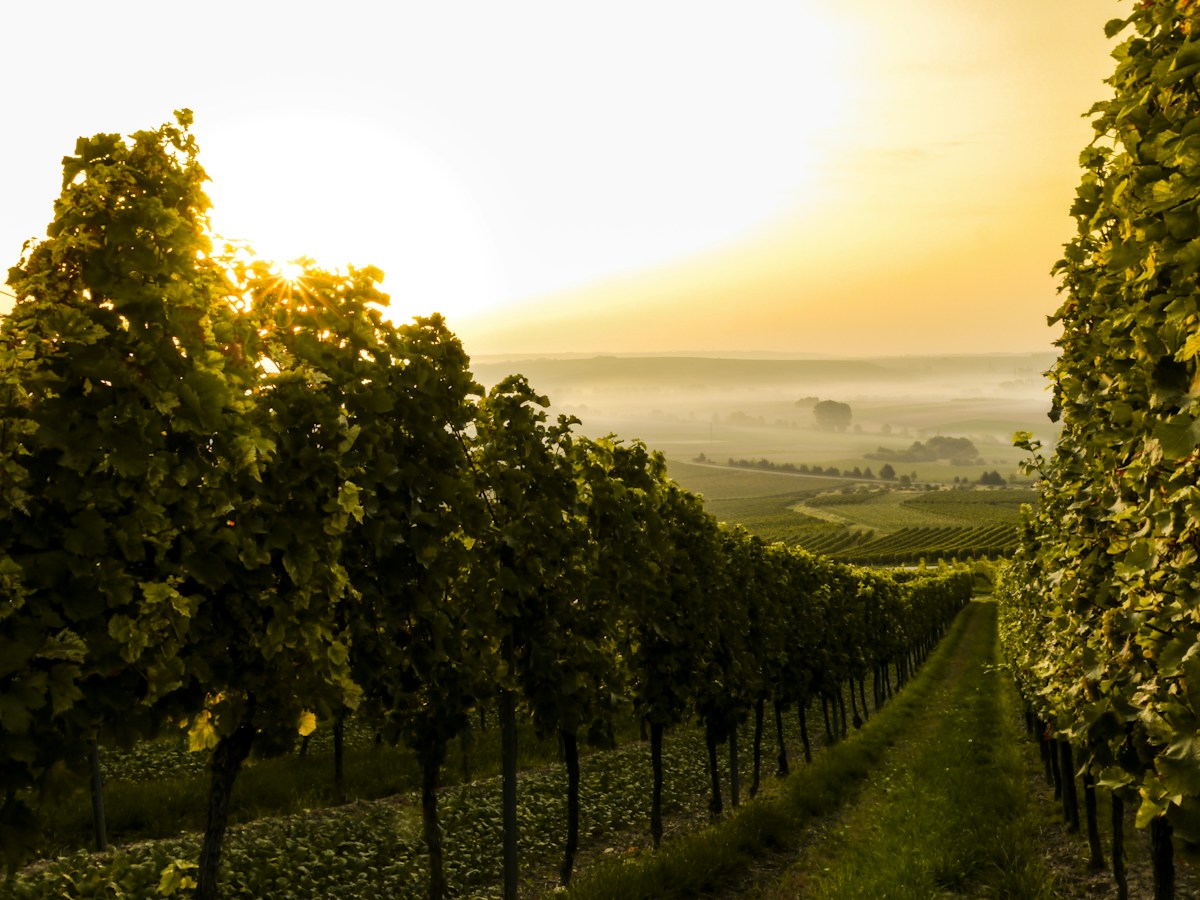
In the morning, when veils of mist lie over the Danube like delicate curtains and the sun slowly rises above the rugged rocky ridges, a spectacle begins that you can find again in every glass. The scent of warm stone after a summer shower, the coolness of the river, the hint of apricot blossom in spring – all this seems to be preserved in the wines of this small yet great region.
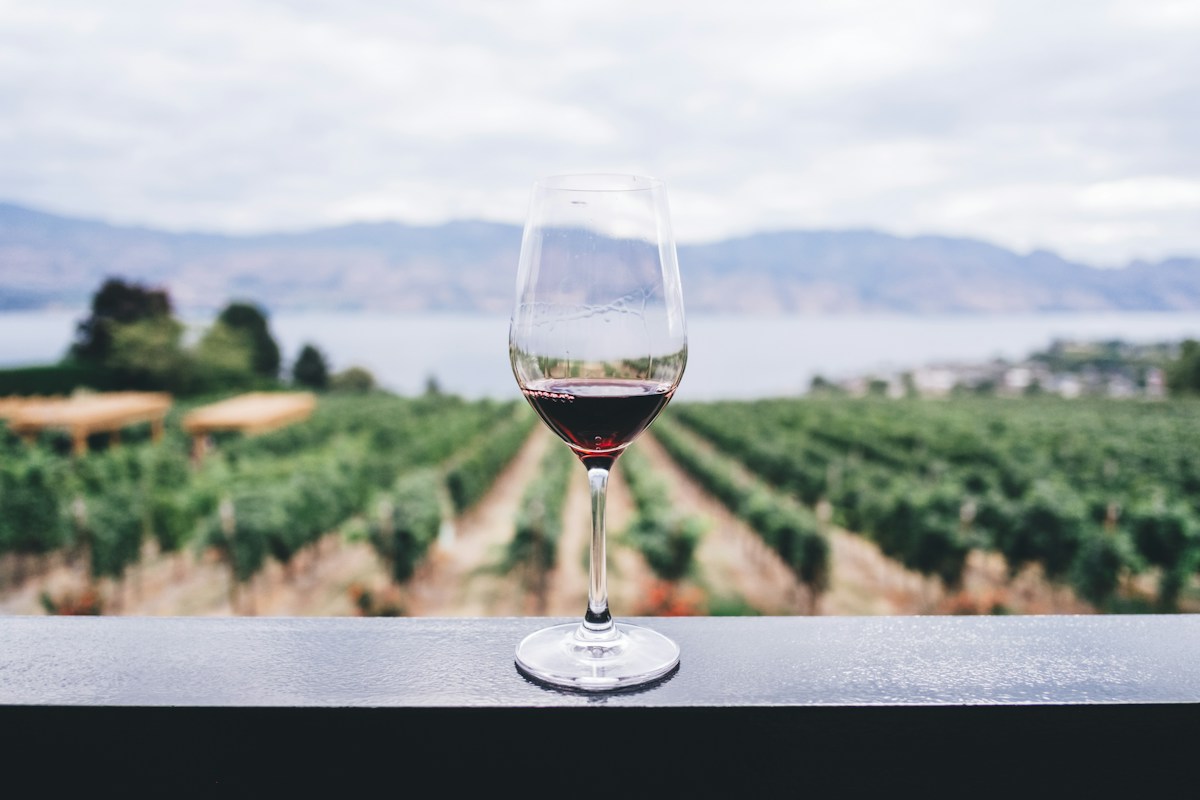
Anyone lifting a glass of Wachau Riesling or Grüner Veltliner for the first time feels more than just aromatics. It is as if time stands still for a moment. One sip, and in your mind you are standing on the steep terraces of Dürnstein, feeling the granite under your shoes and the wind rising from the Danube. In such moments you understand: the Wachau is not just a wine-growing area. It is an emotion, a landscape in a glass – and for many of us a lifelong place of longing.
---
The Unmistakable Terroir and Climate
#### The Soil: Stones That Tell Stories
The Wachau is a mosaic of rock – and that is precisely where its magic lies.
- Primary rock & gneiss/argillaceous schist
On the high, barren terraces, weathered gneiss, mica schist and other primary rock formations dominate. These soils store heat, are well-drained and force the vines to root deeply. The result: taut, mineral wines with impressive precision, a salty streak, and often a crystalline clarity in the Riesling. This is where some of Europe’s greatest and most long-lived white wines are born.
- Loess & fine clays
On the gentler slopes, closer to the Danube, lie powerful loess layers. They offer greater water retention, more fine soil, more generosity. Grüner Veltliner here shows a creamier side, with yellow fruit, often spicy pepper notes, delicate herbal nuances and an almost caressing texture. These soils stand for charm and richness – without ever becoming clumsy.
- Stony terraces & dry stone walls
The dry stone walls, mostly built by hand, are not only cultural masterpieces but also climatic engines. They store warmth during the day and release it to the vines at night. Every stone is part of a centuries-old climate regulator – and gives the wines that special, almost vibrating tension.
#### The Climate: Danube, Continent, Coolness
The Wachau lies at an intersection:
Warm Pannonian influences from the east meet cooler Alpine air masses from the west. In between: the Danube as a climatic metronome.
- Warm days, cool nights
Sunny, often hot days enrich the grapes with sugar and aromas, while the cool nights preserve the acidity. This is the foundation of the stylistic signature sommeliers around the world admire: ripeness without heaviness, density without sluggishness, energy without aggressiveness.
- Danube as temperature buffer
The wide river acts as a mirror and heat reservoir, softens temperature extremes and offers some protection from late frost. Morning fogs sometimes delay warming, but give the wines added finesse and slower ripening.
- Climatic extremes as quality driver
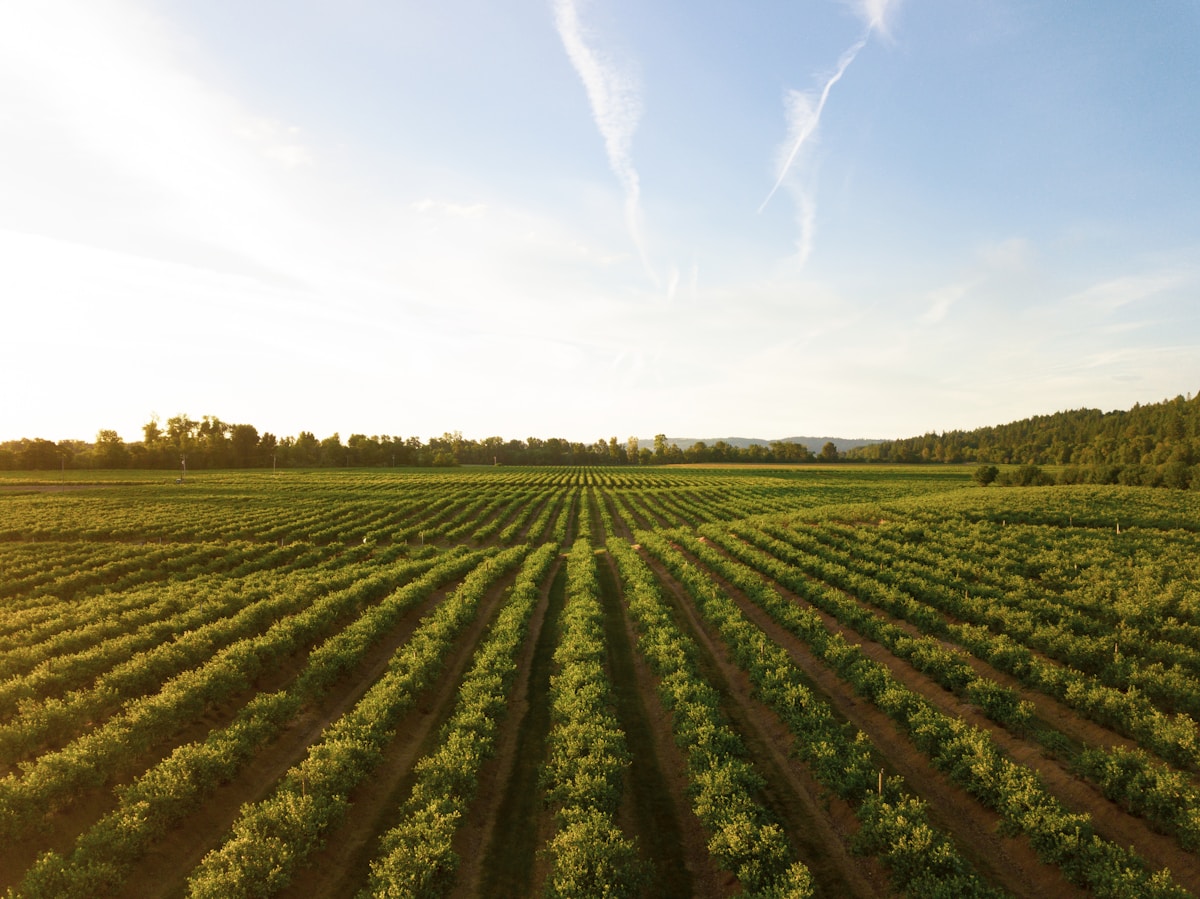
The Wachau is no comfortable wine region. Steep terraces, erosion, periods of drought – all of this challenges the winegrower daily. But this very tension between the forces of nature and human persistence shapes wines with character, depth and sense of place – wines that are unmistakable.
---
The Grape Varieties: The Heart of the Region
If you wanted to give the Wachau a voice, two grape varieties would speak above all:
- Grüner Veltliner – The Soul of the Wachau
Grüner Veltliner here is not a trend, but identity. From the light, peppery Steinfeder to the elegant Federspiel and the powerful Smaragd it shows an impressive spectrum:
- In cooler sites: Citrus, green apple, white blossoms, fine white pepper, taut and precise.
- In warmer sites & loess soils: Yellow fruit, ripe pear, delicate honey, herbal spice, juicy texture, often a creamy melt on the palate.
- Riesling – The Crystalline Queen
On primary rock, Riesling unfolds its aristocratic side:
- Bright stone fruit such as peach and apricot, plus citrus, lime and a marked, often salty minerality.
- The acidity is vibrant but never harsh – it carries, structures and gives length.
Great Wachau Rieslings are like mountain spring water with age: clear, precise, deep.
In smaller quantities you also find varieties such as Neuburger, Müller-Thurgau and Muskateller, which add diversity. Yet the icons, the wines of desire from this region, remain Grüner Veltliner and Riesling.
---
History & Tradition
The Wachau was not “newly discovered” – for centuries it has been a sanctuary of viticulture.
- Medieval roots
As early as the early Middle Ages, monasteries such as Stift Melk and Stift Göttweig laid the foundations for quality‑oriented viticulture. Monks terraced slopes, built dry stone walls and recognised which sites delivered special quality.
- Habsburgs & trade routes
Under the Habsburgs, the region grew in importance. The Danube was the main trade artery – Wachau wine thus found its way to the cities of the empire at an early stage. Quality was not a fashion, but a legacy.
- Quality revolution of the 20th century
After challenging times in the 19th and early 20th centuries, the 1980s saw the formation of those winegrowers who established the modern fame of the Wachau. Pivotal was the founding of Vinea Wachau Nobilis Districtus, an association of winemakers committed to uncompromising quality and origin.
Its three categories became famous:
- Steinfeder – light, fragrant, rather delicate wines.
- Federspiel – medium‑bodied, tense, classic Wachau wines.
- Smaragd – powerful, ripe, age‑worthy top wines.
- UNESCO World Heritage
Since 2000, the cultural landscape of the Wachau has been a UNESCO World Heritage Site. The blend of medieval towns, baroque monasteries, steep vineyards and the majestic Danube is as unique as it is fragile – and its wines are liquid ambassadors of this landscape.
---
Enjoyment & Perfect Pairings
#### Sensory Description: When Stone, River and Light Turn into Aroma
A glass of Wachau is not just a drink, it is a sensory stroll through the terraces:
- Nose
- Grüner Veltliner: Delicate citrus notes, green apple, pear, a hint of white blossoms, plus the famous white pepper, often complemented by nuances of tobacco, hay and fine herbal spice.
- Riesling: Stone fruit (peach, apricot), lime, sometimes grapefruit, with smoky, almost flinty notes from the primary rock – like wet stone after summer rain.
- Palate
The texture spans the arc between lightness and density.
In Federspiel wines: rather slender, taut, dancing.
In Smaragd wines: fuller‑bodied, more intense, with impressive length. The acidity is clear, ripe, never aggressive. The best wines reverberate for minutes with a salty, mineral trail.
- Maturity
With some bottle age, honey notes, dried herbs, tobacco, sometimes wax and candied citrus peel come to the fore. Nonetheless, great Wachau wines retain their freshness – they do not seem tired, but deepened.
#### Food Pairing: Culinary Stages for Great Wines
Wachau wines are not divas – they are brilliant partners at the table:
- Grüner Veltliner
- Classic: Wiener Schnitzel, fried chicken, Tafelspitz, roast pork – its acidity and spice cut charmingly through fat and breadcrumbs.
- Refined: Pan‑fried pike‑perch, trout, river fish with herbs; asparagus dishes; vegetable variations; Asian cuisine with mild curries or ginger–lemongrass aromas.
- Mature Veltliner Smaragd: Veal loin, poultry in cream sauces, truffle dishes, elegant mushroom compositions.
- Riesling
- Young & taut: Sushi, sashimi, ceviche, oysters, seafood – its linearity mirrors the precision of the fish.
- Aromatic, spicy cuisine: Thai, Vietnamese, gentle heat, lemongrass, coriander – the fruit and acidity balance the seasoning.
- Mature Rieslings: Fine hard cheeses (Comté, Gruyère), aged mountain cheese, but also white meat in delicate sauces.
A particularly special moment of pleasure: a glass of mature Wachau Riesling Smaragd with a plate of tender veal, morels and a hint of jus. In such moments, glass and plate blur, the terroir of the Danube meets the forest – and you understand why we sommeliers speak of “great harmony.”
---
FAQ – The 10 Most Important Questions About the Wachau
1. What makes Wachau wines so special?
The combination of barren primary rock soils, steep terraces, the moderating influence of the Danube and the continental climate creates wines with unique tension: high precision, clear fruit, mineral depth and above‑average ageing potential. At the same time, the alcohol is usually well integrated and the wines never feel heavy.
2. Which grape varieties dominate in the Wachau?
Above all Grüner Veltliner and Riesling. Grüner Veltliner stands for spice, richness and versatility, Riesling for crystalline clarity, minerality and longevity. Other varieties play only a minor role.
3. What does a typical Wachau wine taste like?
Dry, precise, with clear fruit (citrus, apple, stone fruit), lively, ripe acidity and often pronounced minerality. Grüner Veltliner brings peppery spice and herbs, Riesling shows peach, apricot, citrus and flint. The best wines are concentrated but never ponderous.
4. How long should you age Wachau wines?
- Steinfeder: 1–3 years, for uncomplicated, fresh enjoyment.
- Federspiel: 3–8 years, depending on producer and vintage.
- Smaragd: 10–20 years and longer for top sites and good vintages. Mature Smaragd wines can become enormously complex and profound.
5. Which dishes go well with Wachau wines?
Classics are Austrian cuisine (Schnitzel, fried chicken, Tafelspitz), freshwater fish, asparagus, mushroom dishes and aromatic, spicy but not overly hot Asian dishes. Mature Smaragds pair wonderfully with veal, poultry and fine sauces as well as aged cheese.
6. What is special about the Wachau’s terroir?
The combination of:
- primary rock (gneiss, schist) in the steep sites,
- loess in the lower areas,
- hand‑built terraces and dry stone walls,
- the Danube as climate regulator,
plus extremely steep, labour‑intensive viticulture shapes wines that are at once powerful, filigreed and strongly marked by their origin.
7. Which wineries in the Wachau are particularly recommended?
Without claiming completeness, among connoisseurs names such as F.X. Pichler, Hirtzberger, Knoll, Prager and Alzinger are highly regarded, alongside many other excellent estates. For trainee sommeliers, it is worth comparing different styles – from traditional family wineries to younger, more experimental producers.
8. How much does a good Wachau wine cost?
- Solid entry‑level wines: approx. €10–15 ex‑cellar.
- High‑quality Federspiel & village wines: about €15–25.
- Top sites & Smaragd wines: usually €25–60, some icons significantly higher.
In an international context, many Wachau wines are still undervalued relative to their quality.
9. When is the best time to visit the Wachau?
- Spring (April–May): apricot blossom, soft colours, fresh vintages in the glass.
- Autumn (September–October): harvest time, golden vineyards, concentrated aromas in the air.
For wine lovers, autumn is usually the most intense, spring the most romantic.
10. What are good alternatives to Wachau wines?
If you like the Wachau style, you’ll find exciting alternatives in:
- Kremstal, Kamptal, Traisental (Austria): similarly precise Grüner Veltliner and Riesling, sometimes cooler in expression.
- Rieslings from the Mosel, Rheingau or Nahe (Germany): more interplay with residual sweetness, different minerality, but comparable finesse.
- South Tyrolean white wines (e.g. Sauvignon, Pinot Bianco): for lovers of cool aromatics and Alpine character.
However, the specific combination of Danube, primary rock and terraces remains unique.
---
Conclusion: A Wine That Touches the Soul
Anyone who has stood on a Wachau terrace in the early evening, when the sun sinks behind the hills and the Danube shimmers like liquid silver, knows: wines here are no accident. Every vine, every stone, every wall is part of a silent choreography spanning centuries.
A great Wachau wine is more than a pleasure product. It is a distillate of time, patience and landscape. It tells of monks who built the first terraces, of winegrowers patching dry stone walls in sweltering summer heat, of cool nights preserving aroma and acidity, and of that rare balance which turns good wines into unforgettable ones.
For demanding wine lovers, for aspiring sommeliers, for all who seek more in the glass than just fruit and alcohol, the Wachau is a promise: of clarity, depth and emotion.
And at some point, perhaps in a quiet moment, when a matured Smaragd shimmers in the glass and the scent of honey, dried apricot and wet stone rises, you understand why so many of us keep returning to this river – at least in spirit, with every sip.
The Wachau is not a place you simply visit.
It is a place that stays with you – in memory, in your heart, and in your next glass.