Burgenland: Where Wine Meets the Horizon
Discover Burgenland wine: Blaufränkisch, Lake Neusiedl, noble sweet wines & top reds from Austria’s sunniest wine region.
Burgenland: Where Wine Meets the Horizon
Meta-Description: Discover Burgenland wine: Blaufränkisch, Lake Neusiedl, noble sweet wines & top reds from Austria’s sunniest wine region.
Keywords: Burgenland, Burgenland wine, Blaufränkisch, Neusiedlersee, Burgenland red wine, Neusiedlersee sweet wine, Austrian wine regions, Eisenberg, Leithaberg, Mittelburgenland
---
Introduction: The First Sip of Eternity
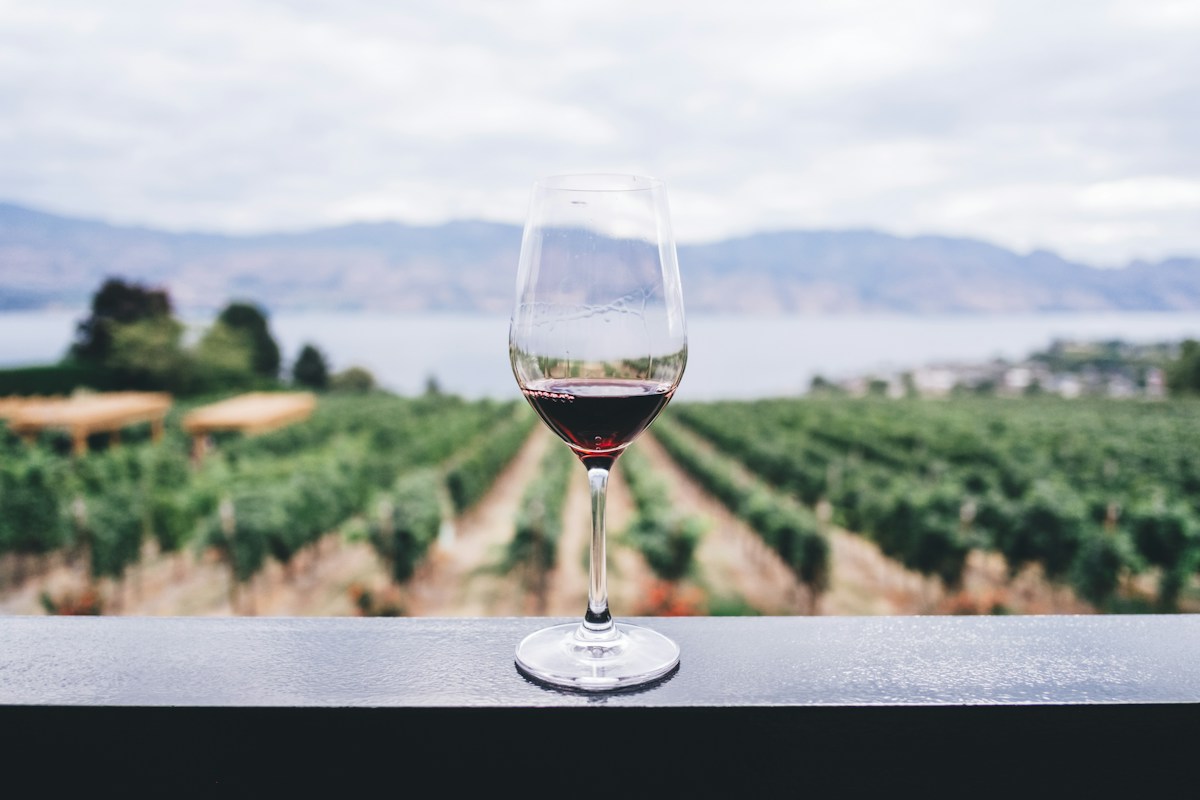
It’s that moment just before sunset, when the light glides over Lake Neusiedl as if someone were pouring liquid gold across the reed beds. The air is warm, carrying the scent of ripe cherries, dried herbs, and a hint of salty minerality. A glass of Burgenland wine in your hand – deep ruby, almost impenetrable – and with the first sip, time seems to stand still.
Burgenland is not merely a wine region, it is a mood. A promise. A narrow strip of land in eastern Austria, on the border with Hungary, where continental climate and Pannonian warmth collide to create a terroir that has been giving birth to great wines for centuries. Here, red wines of majestic depth, white wines of crystalline precision, and some of the most beguiling sweet wines in the world are made.
In this article we’ll take you on a journey through this mythical wine landscape: from Burgenland’s historical role as “Vienna’s cellar” to its unique soils and beneficial climate, all the way to the grape varieties that have become the heartbeat of the region – first and foremost, Blaufränkisch.
---
The Distinctive Terroir and Climate
#### The Soil:
Burgenland is a mosaic of geological eras – and that is precisely what makes its wines so distinctive.
In Mittelburgenland, often referred to as “Blaufränkischland”, heavy clay and loam soils with good water retention dominate. They are responsible for powerful, structured red wines with dark fruit, present yet fine-grained tannins and impressive longevity. Blaufränkisch loves these soils: here it develops depth, spice, and a taut backbone.
Further south, on the Eisenberg in Southern Burgenland, you encounter iron-rich, slate-dominated soils. The high iron content lends the wines a distinctive, almost bloody minerality and a cool, austere aromatic profile – a fascinating paradox in a warm region. Blaufränkisch from the Eisenberg often appears more slender, more vibrant, with filigreed acidity and a salty finish.
In Leithaberg on the western shore of Lake Neusiedl, you find limestone, schist and shell limestone – a legacy of the primordial sea that once covered this area. Both red and white wines here display clear, stony minerality, tension, and a cool elegance you would hardly expect in such a warm region.
Around Lake Neusiedl you increasingly encounter gravel, sand, loess and black earth. These soils warm easily, encourage early ripening and allow for both opulent red wines and concentrated, nobly sweet masterpieces. The loose, well-aerated soils are ideal for the formation of botrytis – that “noble rot” that shapes the great sweet wines of Lake Neusiedl.
#### The Climate:
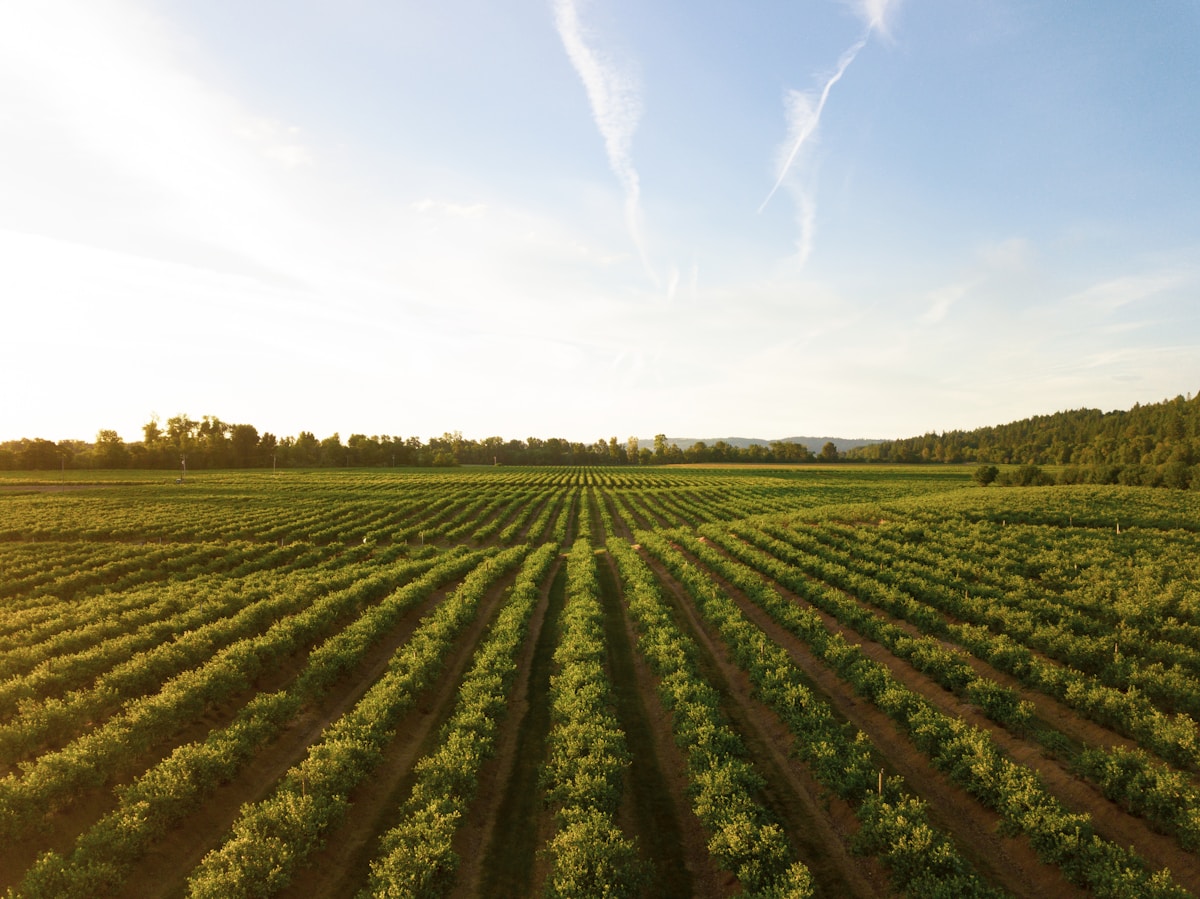
Burgenland is Austria’s warmest and sunniest wine region. More than 2,000 hours of sunshine per year are not uncommon. The influence of the Pannonian climate brings hot summers, long growing seasons and mild autumns – a paradise for late-ripening varieties like Blaufränkisch.
Lake Neusiedl acts as a natural climate regulator. It functions like a heat reservoir, absorbing warmth during the day and releasing it at night. This leads to reduced temperature differences between day and night, promoting ripening and reducing the risk of autumn frost. In addition, evaporation from the lake, together with cool morning mists, creates ideal conditions for the development of Botrytis cinerea – the foundation of the famous Trockenbeerenauslesen and Ruster Ausbruch wines.
Rainfall is relatively low, often under 600 mm per year. This relative dryness, combined with sites open to the wind, promotes low yields and concentrated grapes. In the south, on the Eisenberg, cooler winds and greater diurnal temperature swings refine the aromas and keep the acidity lively.
This interplay of sun, warmth, lake influence and differentiated soils gives rise to Burgenland wines that are at once powerful and precise – wines with personality that unmistakably reflect their terroir.
---
The Grape Varieties: The Heart of the Region
#### The Main Players:
In Burgenland, you speak first of red wine, and here above all of one variety:
- Blaufränkisch – the queen of Burgenland
Blaufränkisch is the region’s great flagship red and one of the most exciting indigenous grapes in Europe. In the glass it appears deep ruby, with an aromatic spectrum ranging from sour cherry, blackberry and damson to violets, pepper, graphite and earthy spice. Typically it shows marked yet fine acidity, an energetic structure, and tannins that can age like those of great wines from the Northern Rhône or Tuscany.
In Mittelburgenland it becomes powerful, dark and structured; on the Eisenberg more delicate and cooler, with vibrating minerality; on the Leithaberg elegant and limestone-driven.
- Zweigelt – the charming all-rounder
As a crossing of Blaufränkisch and St. Laurent, Zweigelt is a Burgenland success story. It yields accessible, fruit-driven wines with notes of morello cherry, forest berries and often a gentle spiciness. In Burgenland it can cover the entire range from uncomplicated, juicy everyday wines to serious, oak-aged reds.
- St. Laurent – the quiet aristocrat
A variety full of character, often compared with Burgundy. St. Laurent is demanding in the vineyard but a grateful diva in the glass: dark cherry, cassis, black tea, sometimes fine smokiness and an elegance reminiscent of Pinot Noir. In Burgenland it produces sensual, structured red wines with great ageing potential.
#### The white/red varieties:
Alongside these main actors, Burgenland shows impressive diversity:
Among the reds:
- Merlot & Cabernet Sauvignon: In warm sites they produce powerful cuvées of international standing, often aged in barriques, with notes of cassis, plum, chocolate and tobacco.
- Pinot Noir (Blauburgunder): Especially in limestone-rich sites on the Leithaberg, fine, transparent Pinots with red fruit and subtle spice are produced.
Among the whites:
- Grüner Veltliner: In Burgenland it plays a smaller but fine role – generally more powerful, spicier and somewhat riper in style than in cooler regions.
- Welschriesling: From dry, fresh everyday wines to highly concentrated, nobly sweet Trockenbeerenauslesen, it displays two faces in Burgenland. In nobly sweet form, it ranks among the very best the region has to offer.
- Chardonnay & Pinot Blanc (Weißburgunder): On limestone and schist in Leithaberg they produce forceful yet elegant whites with stone fruit aromas, nutty complexity and remarkable ageing capacity.
- Furmint (increasingly): Inspired by the Hungarian neighbours, Furmint is appearing more and more in Burgenland – an exciting new facet for mineral, taut white wines.
And then there are the sweet wines from Lake Neusiedl: Trockenbeerenauslesen, Ruster Ausbruch, nobly sweet cuvées with honey, dried apricots, orange zest, saffron and an acidity that effortlessly balances all that sweetness.
---
History & Tradition
The wine history of Burgenland is deeply intertwined with Central Europe. The Romans were already cultivating vineyards here, but it was above all the monasteries and nobility in the Middle Ages who systematically developed viticulture. The area belonged to Hungary for a long time and only became part of Austria as “Burgenland” in 1921 – a border region, both culturally and vinously.
In the 18th and 19th centuries, Burgenland was an important supplier of wine to Vienna and the Habsburg monarchy. The famous sweet wines from Rust and around Lake Neusiedl already enjoyed international renown at an early stage. The 20th century brought highs and lows, but it was precisely the crises that paved the way for a qualitative fresh start.
Since the 1980s, Burgenland has undergone an impressive quality offensive. Visionary winemakers began studying the specific characteristics of their sites, radically reducing yields and focusing consistently on quality.
With the introduction of DAC origin systems such as Leithaberg DAC, Mittelburgenland DAC, Eisenberg DAC and Neusiedlersee DAC, terroir has been brought increasingly into focus. Today, Burgenland stands at the forefront of Austrian red and sweet wine production – and has secured a firm place in international fine dining.
---
Pleasure & Perfect Pairings
#### Sensory Description:
A typical Blaufränkisch from Burgenland smells of ripe sour cherry, blackberry, blackcurrant and dried herbs. On the palate it shows itself taut, with precise acidity, fine tannins and a mineral vein that appears in the long, spicy finish. With age, the wines develop additional notes of leather, tobacco, graphite and forest floor.
Zweigelt comes across juicier and more accessible: red cherry, morello, raspberry, sometimes a hint of chocolate or clove. The texture is often softer, the wine charming and easy to drink without ever becoming trivial.
St. Laurent combines dark fruit with floral notes and fine spice; it can feel velvety yet is always carried by an elegant structure.
The best whites from Leithaberg – whether Chardonnay or Pinot Blanc – smell of yellow stone fruit, pear, citrus zest and fine nuttiness, underpinned by cool, chalky minerality. On the palate they are dense but never heavy, with impressive length and a salty finish.
The sweet wines from Lake Neusiedl are a universe of their own: honey, dried apricots, orange peel, candied pineapple, caramel, saffron, with vibrating acidity that transforms the sweetness into pure energy. A single sip can resonate for minutes – a distilled sunset in the glass.
#### Food Pairing:
Burgenland wine calls for cuisine with character. Some ambitious combinations:
- Blaufränkisch (Mittelburgenland, Eisenberg):
Perfect with braised beef (a hearty version of Tafelspitz, beef roulades), game dishes such as venison and deer, herb-crusted rack of lamb or pigeon. It also works beautifully with mushroom risotto featuring porcini or truffles.
- Zweigelt:
Ideal with veal Wiener Schnitzel, fried chicken, stuffed peppers, pasta with ragù, grilled pork loin or a classic “Brettljause” with speck, hard cheese and cured sausages.
- St. Laurent & Pinot Noir:
Fine partners for roasted duck breast, guinea fowl, rabbit, sweetbreads, but also for mushroom dishes and medium-intense, soft cheeses.
- Leithaberg whites (Chardonnay, Pinot Blanc):
Superb with grilled pike-perch or catfish, scallops, lobster, saffron risotto, refined poultry dishes and with the local fish cuisine around Lake Neusiedl.
- Grüner Veltliner & dry Welschriesling:
Excellent with cold dishes: spreads, vegetable variations, asparagus, light fish dishes, summery salads with goat cheese.
- Nobly sweet wines (Ruster Ausbruch, TBA):
Classic with foie gras, blue cheese, pâtés, but also with apricot-based desserts, apple strudel, curd dumplings with apricot compote – or simply on their own as a philosophical finale to a meal.
---
FAQ – The 10 Most Important Questions About Burgenland
1. What makes Burgenland wines so special?
Burgenland wines combine Pannonian warmth with complex soils and the regulating influence of Lake Neusiedl. The result is characterful red wines, elegant whites and internationally acclaimed sweet wines with a clearly defined sense of place.
2. Which grape varieties dominate in Burgenland?
The main variety is Blaufränkisch, followed by Zweigelt and St. Laurent. Among the whites, Welschriesling, Grüner Veltliner, Chardonnay and Pinot Blanc play important roles, especially for nobly sweet and terroir-driven wines.
3. What does a typical Burgenland wine taste like?
Typical Burgenland reds are fruit-driven (cherry, blackberry), spicy and structured, with lively acidity and fine tannins. The whites tend to be powerful, mineral and generally ripe in fruit character, the sweet wines opulent, honeyed and intensely fruity, yet always carried by fresh acidity.
4. How long should you age Burgenland wines?
Estate wines and simple cuvées usually peak within 2–5 years. High-quality Blaufränkisch, St. Laurent and top-site cuvées can easily age for 10–20 years. Nobly sweet wines from Lake Neusiedl have the potential to last for several decades.
5. Which dishes pair well with Burgenland wines?
Powerful red wines harmonise with beef, game, lamb and braised dishes. Whites from Leithaberg pair well with fish, seafood and refined poultry. Nobly sweet wines are ideal companions for foie gras, blue cheese and fruit-driven desserts.
6. What is special about Burgenland’s terroir?
The combination of Pannonian climate, high sunshine hours, the temperature-balancing Lake Neusiedl and diverse soils (clay, loess, limestone, schist, iron-rich soils) creates a unique terroir that enables powerful yet precise wines with a clear identity of origin.
7. Which wineries in Burgenland are particularly recommended?
Among the renowned producers are Weingut Moric, Weingut Heinrich, Weingut Feiler-Artinger, Weingut Uwe Schiefer and Weingut Ernst Triebaumer. They stand exemplarily for the stylistic diversity and high quality level of Burgenland.
8. How much does a good Burgenland wine cost?
Entry-level wines usually start between 8 and 12 euros ex-cellar or in specialist shops. Very good single-vineyard and DAC wines frequently range between 15 and 35 euros. Iconic flagship bottlings, especially from top sites or rare nobly sweet wines, can cost 50 euros and considerably more.
9. When is the best time to visit Burgenland?
The ideal travel period is between May and October. Autumn (September/October) offers the most evocative wine atmosphere, with harvest, warm days and cool nights. In summer, Lake Neusiedl also invites you to swim and sail, in perfect combination with visits to wine taverns (Heurige).
10. What are good alternatives to Burgenland wines?
If you enjoy the style of Burgenland reds, you’ll find similar expressions in regions such as Sopron in Hungary, parts of Southern Styria (for elegant whites), or in Slovak Blaufränkisch regions. For sweet wine lovers, Tokaj, the Rheingau (TBA) or Sauternes offer stylistically related alternatives – each with its own unmistakable signature.
---
Conclusion: A Wine That Touches the Soul
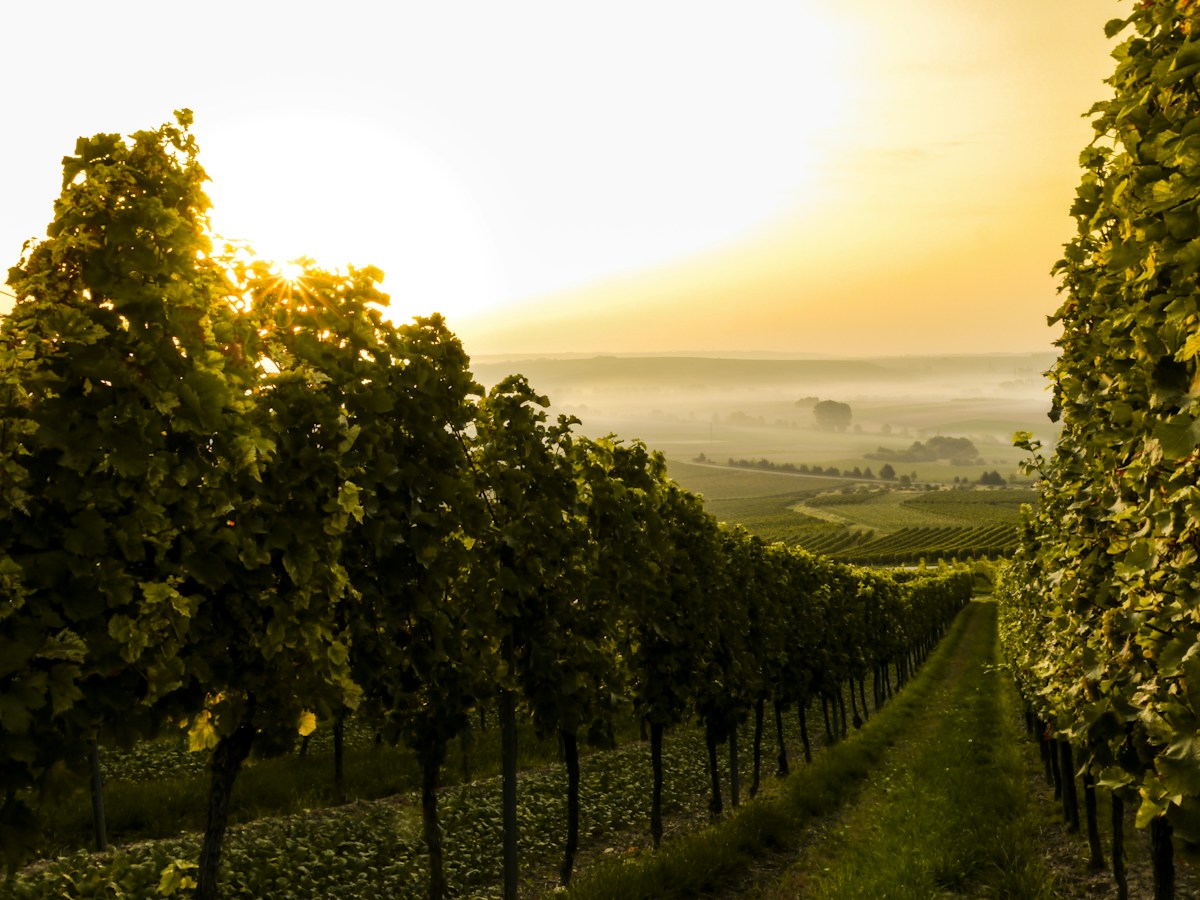
Burgenland is more than a dot on the wine map – it is a feeling that materialises in the glass. Every sip tells of blazing afternoon heat over rows of vines, of morning mists over Lake Neusiedl, of the cool cellar where barrels breathe and patience becomes a virtue.
Next time you hold a bottle of Burgenland wine in your hand – whether it’s a lean, mineral Blaufränkisch from the Eisenberg, a multi-layered Leithaberg white, or a honey-golden Trockenbeerenauslese – take your time. Open the bottle, breathe in, taste slowly.
You will taste not just wine. You will experience a piece of landscape, history and passion.
Perhaps this very moment is the right one to uncork a bottle of Burgenland – and to discover your own first sip of eternity.