Stellenbosch – Where Wine Carries the Breath of the Mountains
Discover Stellenbosch.
Stellenbosch – Where Wine Carries the Breath of the Mountains
Meta description: Discover Stellenbosch: iconic Cabernet blends, cool sea breezes, dramatic terroir, and wines that awaken a longing for South Africa.
Keywords: Stellenbosch, Stellenbosch wines, South African wine, Stellenbosch Cabernet Sauvignon, Stellenbosch wine region, Stellenbosch terroir, Stellenbosch wineries, South Africa wine travel
---
Introduction: The First Sip of Eternity
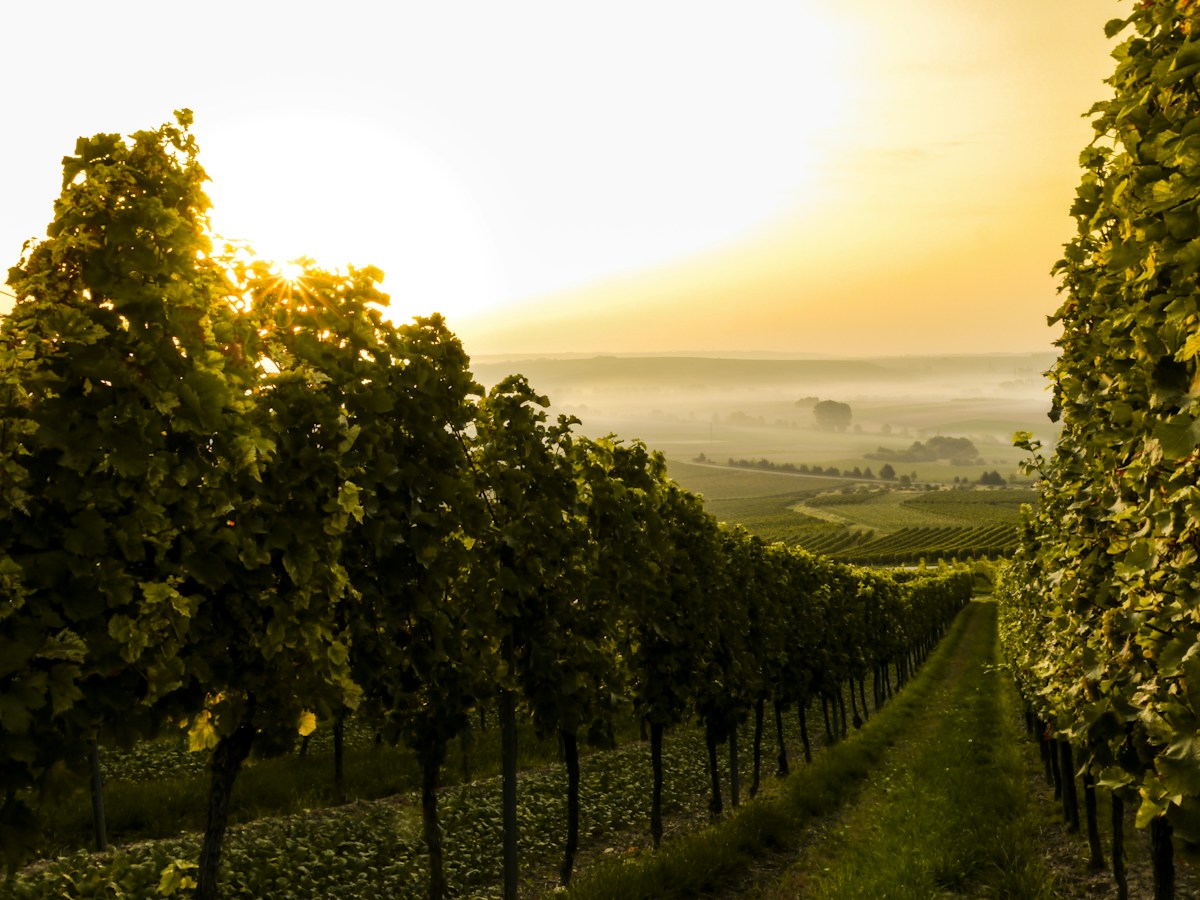
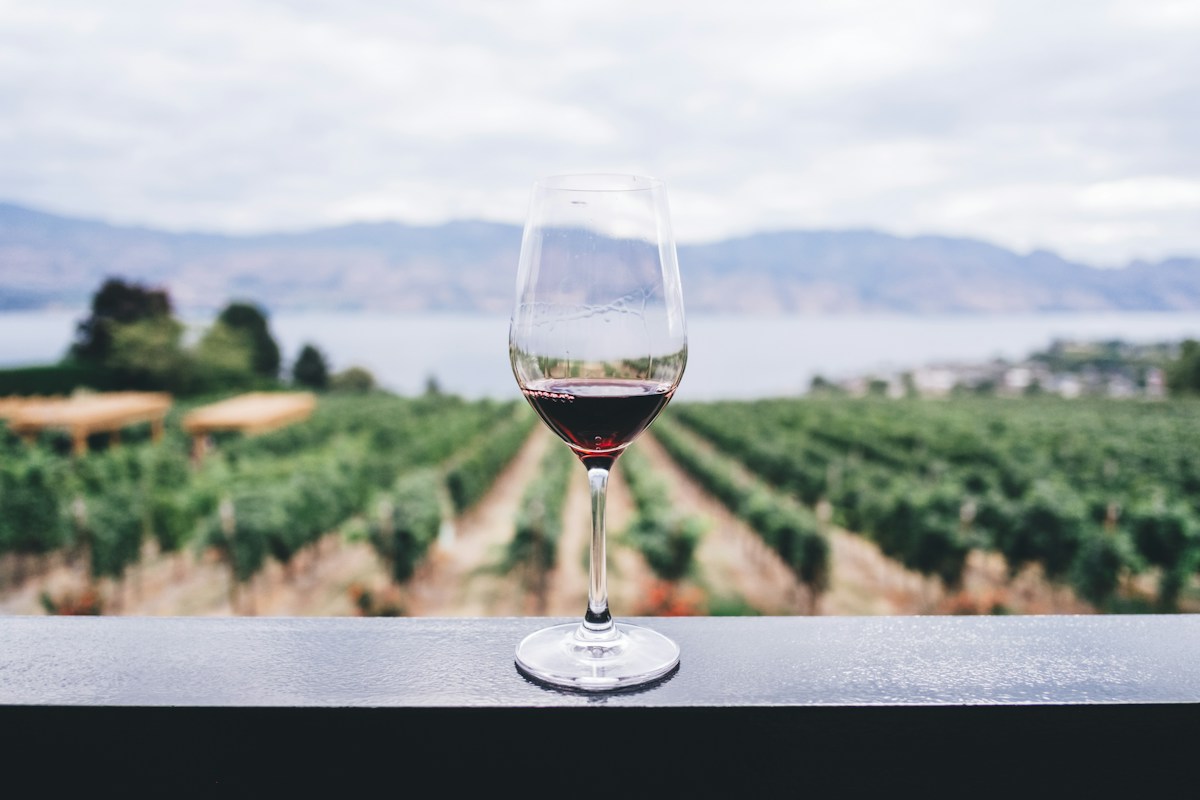
It often begins with a moment that burns itself into your memory: a ruby-red wine in the glass, framed by an amphitheater of mountains glowing copper in the evening sun. The air carries the scent of fynbos, ripe berries, and a hint of the Atlantic. A gentle breeze moves through the vines, somewhere a hadeda ibis calls – and suddenly you understand why Stellenbosch is more than just a wine region. It is a promise.
Stellenbosch is the place where South African wine came of age. Where the tension between heat and coolness, between mountains and sea, between tradition and modern precision can be felt in every bottle. This is where wines with structure and soul are born – powerful yet finely etched, with that smoky elegance you taste once and never forget.
---
The Distinctive Terroir and Climate
#### The Soil: Weathered Granite, Shale, and the Silent Work of Millions of Years
Stellenbosch lies cradled between the dramatic ranges of the Simonsberg, Stellenbosch, and Helderberg mountains. But what truly shapes the wine lies deeper – in the soil.
- Weathered granite: In many top sites, the vines rest in deep, well-drained granite soils. They force the roots downward, imparting minerality, tension, and a fine, almost salty vein in the wines. Cabernet Sauvignon and Syrah in particular find their most precise voice here.
- Shale and sandstone (Table Mountain Sandstone): These poor, stony soils produce concentrated, structure-driven wines with firm tannins and dark fruit. Perfect for age-worthy Bordeaux blends.
- Alluvial and clay soils in the valley floors: These give rise to more approachable, fruit-driven wines – ideal for Merlot, Chenin Blanc, and Sauvignon Blanc with generosity and charm.
The combination of these soil types in such a small area creates a mosaic of micro-terroirs. Move one slope over, change the exposure, and the same grape variety tells a completely different story. That makes Stellenbosch a playground for winemakers – and a paradise for wine lovers.
#### The Climate: The Cool Hand of the Ocean
Stellenbosch is only about 25 kilometers from the cool Atlantic. This maritime influence is the quiet but powerful force behind the elegance of its wines.
- Mediterranean climate: Warm, dry summers and mild, rainy winters. Ideal conditions for harvesting fully ripe grapes with healthy acidity.
- Sea breezes from the Atlantic (False Bay): In the afternoons, cool winds funnel through the valleys, lowering temperatures and extending the ripening period. The result: freshness, aromatic clarity, and fine-grained tannins.
- Mountain ranges as climate regulators: The surrounding mountains create a variety of altitudes and exposures – cooler, higher-lying parcels for refined white wines and elegant reds; warmer sites for powerful, dark-fruited wines.
It is this constant balance of sun and wind, warmth and coolness, that gives Stellenbosch wines their unmistakable blend of ripeness and finesse.
---
The Grape Varieties: The Heart of the Region
Stellenbosch is the spiritual home of South African red wine. But a closer look reveals a fascinating diversity.
Cabernet Sauvignon
The undisputed king. Typical are dark cassis and blackberry aromas, graphite, cedarwood, and a fresh, often slightly minty note. The tannins are present yet polished – structured like a classic Bordeaux, with the sensual ripeness of the New World.
Bordeaux blends (Cabernet Sauvignon, Merlot, Cabernet Franc, Petit Verdot, Malbec)
Stellenbosch is world-renowned for its Bordeaux-inspired cuvées: complex, profound, with layers of dark fruit, tobacco, cigar box, pencil shavings, and finely integrated oak. These wines are the flagship of the region.
Syrah / Shiraz
In cooler parcels, Syrah shows a peppery, floral side – violets, black pepper, olive tapenade. In warmer sites, more dark berry fruit, chocolate, and meatiness. Always with a distinctive, spicy signature.
Pinotage
South Africa’s very own grape – a crossing of Pinot Noir and Cinsault. In Stellenbosch you’ll find modern, precisely crafted Pinotage: ripe red and black fruits, often with notes of plum, cherry, sometimes rooibos and smoke, but without the rustic bitterness of earlier times.
Chenin Blanc
South Africa’s white trump card. In Stellenbosch often a multi-layered, textured white wine with yellow fruit, quince, honeyed notes, and vibrant acidity. Styles range from crisp and fresh to creamy and barrel-aged.
Sauvignon Blanc & Chardonnay
The cooler, ocean-influenced sites yield, on the one hand, racy Sauvignon Blancs with lime, gooseberry, herbs, and salty minerality; on the other, structured Chardonnays with citrus, white peach, subtle oak, and impressive length.
---
History & Tradition
Stellenbosch is one of the oldest wine regions in the New World – and yet young at heart.
- Late 17th century: French Huguenots and Dutch settlers bring the first vines to the region. They lay the foundations for a wine tradition that marries European roots with African wildness.
- 19th and early 20th century: Phylloxera, wars, and political upheaval leave their marks. Yet viticulture endures – with cooperatives, robust varieties, and growing domestic demand.
- Apartheid era: International isolation hampers development. Many wines remain simple and volume-driven, the region falls short of its potential.
- From 1990 onwards: With the end of apartheid, South Africa opens to the world. International oenologists, new clones, and a focus on quality and terroir transform Stellenbosch fundamentally.
Family estates invest in precision, barrel cellars, and sustainable farming. The next generation studies in Geisenheim, Bordeaux, or California – and returns with a new self-confidence.
Today, Stellenbosch is the intellectual and emotional center of South African wine. Stellenbosch University with its renowned oenology program, iconic estates, visionary garage winemakers – together they make the region a living laboratory for fine wine.
---
Enjoyment & Perfect Pairings
#### Sensory Profile: When Landscape Becomes Flavor
A glass of top Stellenbosch Cabernet is like a walk through the region itself:
On the nose, dark cassis, blackberry, plum, with graphite, cedarwood, often a hint of eucalyptus or fynbos – that typically South African garrigue note. On the palate, dense but never heavy. The tannins are as fine as dark chocolate, carried by juicy acidity that gives the wine freshness and energy. The finish lingers long – with notes of tobacco, black olive, licorice, and a cool, mineral streak.
A Chenin Blanc from Stellenbosch smells of ripe pear, quince, yellow apple, sometimes chamomile and honeycomb. On the palate, creaminess combines with a firm, chalky bite. It is a white wine that tells stories rather than merely refreshes.
Sauvignon Blanc shows citrus fruits, lime zest, green apple, plus a salty breeze and fresh herbs – like a clear morning on the Atlantic.
#### Food Pairing: Culinary Soulmates
Stellenbosch wines are born food companions – powerful enough for intense flavors, refined enough for nuanced cuisine.
- Cabernet Sauvignon & Bordeaux blends
Perfect with:
- Dry-aged beef steak or rack of lamb with rosemary
- Game (springbok, venison) with dark jus
- Braised dishes: oxtail ragout, short ribs
- Hard cheeses: aged Gouda, Comté, Cheddar
- Syrah/Shiraz
Ideal with:
- Grilled meats with smoke and char
- Spiced dishes: herb-crusted lamb, oriental spices
- Aged ham and tapas
- Pinotage
Pairs well with:
- South African braai (BBQ) – boerewors, grilled ribs
- Dishes with a subtly sweet spice: chutneys, BBQ sauce
- Spicy, tomato-based curries
- Chenin Blanc
Versatile with:
- Seafood, scallops, grilled fish
- Chicken in creamy sauces, veal dishes
- Soft cheeses and aged goat cheeses
- Sauvignon Blanc
Best with:
- Oysters, mussels, ceviche
- Goat cheese, fresh herb-laden salads
- Asparagus, citrus-accented cuisine
---
FAQ – The 10 Most Important Questions About Stellenbosch
1. What makes Stellenbosch wines so special?
The combination of maritime-influenced climate, diverse soils and elevations, a long tradition, and modern oenology. Stellenbosch wines unite the structure and finesse of classic European benchmarks with the sunny ripeness and aromatic depth of the New World.
2. Which grape varieties dominate in Stellenbosch?
For reds, mainly Cabernet Sauvignon, Bordeaux blends, and Syrah, followed by Pinotage and Merlot. For whites, Chenin Blanc, Sauvignon Blanc, and Chardonnay are predominant.
3. What does a typical Stellenbosch wine taste like?
Red: Dark fruits (cassis, blackberry, plum), cedarwood, tobacco, often a hint of fynbos/eucalyptus, with a firm yet fine tannin structure and fresh acidity.
White: Ripe fruit (pear, citrus, stone fruit), good acidity, often a mineral note and – depending on the aging – subtle, elegant oak spice.
4. How long should you age Stellenbosch wines?
Good Bordeaux blends and Cabernet Sauvignons can age for 10–20 years, top cuvées even longer. Syrah and structured Pinotage develop beautifully over 8–15 years. Chenin Blanc and Chardonnay can – depending on style – benefit from 5–10 years or more. Fresh Sauvignon Blancs are usually best within 3–5 years.
5. Which dishes pair well with Stellenbosch wines?
Red wines from Stellenbosch are ideal with red meat, game, BBQ, hearty braised dishes, and mature hard cheese. White Stellenbosch wines pair well with fish, seafood, poultry, creamy pasta dishes, Asian-inspired cuisine, and aromatic salads.
6. What is special about Stellenbosch’s terroir?
The unique combination of weathered granite and shale soils, varying elevations, and the cooling Atlantic breeze. Together they deliver fully ripe grapes with impressive freshness, clarity, and a distinctive, terroir-driven signature.
7. Which wineries in Stellenbosch are particularly recommended?
Without claiming completeness:
- Iconic, traditional estates focused on Bordeaux blends and Cabernet
- Boutique wineries with a focus on terroir and single-vineyard wines
- Innovative garage producers reinterpreting Chenin Blanc, Syrah, and Pinotage
Tip: When visiting, be sure to see both big names and small, family-run estates – the stylistic range is enormous.
8. How much does a good Stellenbosch wine cost?
Good quality often starts around €10–15 in retail. Ambitious, terroir-driven wines typically cost €18–40. Iconic prestige cuvées can be €50 and well above, but in terms of quality they easily stand alongside top wines from Europe or overseas.
9. When is the best time to visit Stellenbosch?
The ideal times to travel are South African spring and autumn:
- September to November: Blossoming landscapes, mild temperatures, still relatively quiet tourism.
- March to May: Harvest time or just after, often crystal-clear light, stable weather, warm days, and cool evenings.
In high summer (December–February) it can be hot and busier, but offers plenty of sun-soaked bliss.
10. What are good alternatives to Stellenbosch wines?
If you like the style, you may find alternatives in:
- Paarl or Franschhoek (similar varieties, slightly different expression)
- Hemel-en-Aarde (cooler, especially for Pinot Noir and Chardonnay)
- Internationally: high-quality Bordeaux blends from Chile, Coonawarra/Cabernet from Australia, or Napa Valley.
Yet the combination of fynbos aromas, maritime freshness, and granite-driven depth remains uniquely Stellenbosch.
---
Conclusion: A Wine That Touches the Soul
Stellenbosch is not just a dot on the wine map. It is a feeling – that quiet tug at the heart when you recognize in the glass that dark fruit, the hint of warm rock, of fynbos and sea, and are transported back, with one sip, to the golden hour between vine rows and mountain silhouettes.
Wines from Stellenbosch are wines of tension: between power and elegance, between tradition and vision, between African earth and global horizon. They are made for people seeking more than mere fruit and alcohol – for connoisseurs who want to taste origin, depth, and character in the glass.
Perhaps that is exactly what makes this place so irresistible: every sip carries a touch of eternity. And anyone who has once tasted the soul of Stellenbosch will always want to return – if not with their feet, then at least with their heart and a carefully chosen wine in the glass.