Champagne – Where Stars Are Born in the Glass
Discover the fascinating wine region Champagne in Frankreich. History, terroir, grape varieties and the best wines.
Champagne – Where Stars Are Born in the Glass
Meta description: Discover the magical wine region of Champagne – terroir, history, style, and food pairings for discerning connoisseurs.
Introduction: When the Mist Kisses the Chalk Hillsides
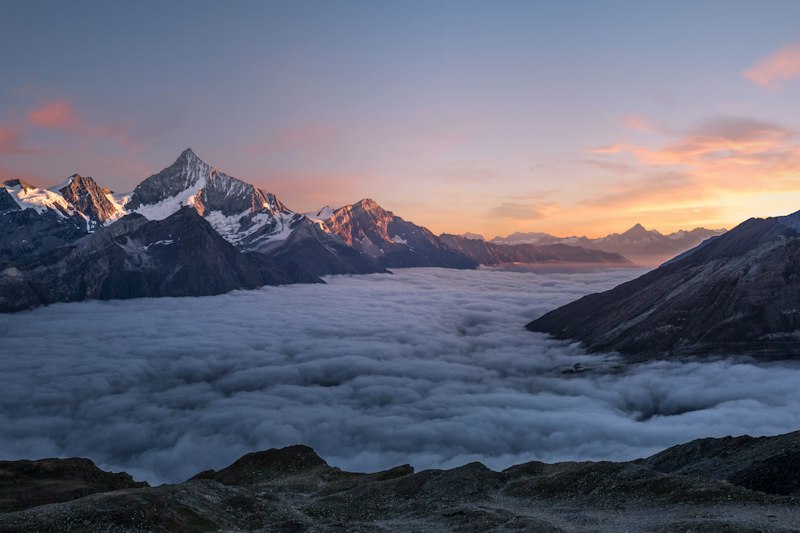
It’s early morning in Champagne. A fine veil of mist hangs over the gentle hills, the vines drawing meticulous lines across the landscape as if an artist had traced them with a steady hand into the chalky soils. The air is cool and clear, carrying that very particular scent of damp earth, wet chalk, and delicate yeasty notes that seem to rise up from the deep cellars beneath Reims and Épernay.
The sun slowly breaks through, catching the dew on the leaves and making the vineyards sparkle – like a promise of all the Champagne moments that are born here. In the distance, church bells ring, somewhere a fire crackles in the hearth of a vigneron’s house, and in the vaulted cellars millions of bottles lie at rest, each one a tiny universe of time, patience, and terroir-driven elegance.
Anyone who visits Champagne senses it immediately: this is no ordinary wine region. It is a place where time flows differently, where patience is a cult, and where opening a bottle is more than an act of pleasure – it is a ritual. A soft hiss, a gentle pop of the cork, and suddenly the world seems to stand still for a heartbeat. Right here, between Reims, Épernay, and the villages of the Montagne de Reims, the Côte des Blancs, and the Vallée de la Marne, the magic of Champagne begins.
The Terroir: Soil and Climate
The uniqueness of the Champagne appellation begins deep beneath the surface. The soils here are defined by chalk – millions of years of marine fossil deposits that act like a vast reservoir for water and warmth. It is precisely these chalk layers, especially in the Côte des Blancs and parts of the Montagne de Reims, that give Champagne its unmistakable tension, minerality, and that saline hint which lingers on the tongue like a quiet whisper.
Champagne lies at the northern limit of viable viticulture. The cool, often capricious climate with short summers, long transitional seasons, and moderate temperatures ensures that grapes ripen slowly and retain their acidity until harvest. This high, bell-clear, structuring acidity is the backbone of great Champagne. This is not about opulent ripeness, but about finesse, precision, and the capacity to grow with time.
The different subregions add further facets to the terroir:
- Montagne de Reims: Dominated by Pinot Noir, gently rounded hills, clay-limestone soils over thick chalk. Power, structure, depth.
- Vallée de la Marne: The Marne river valley with a stronger clay influence, home of Pinot Meunier, which develops its charm and fruit here.
- Côte des Blancs: Pure chalk country, steep slopes, almost exclusively Chardonnay – the source of the most refined, taut Blanc de Blancs.
- Côte des Bar (Aube): Further south, slightly warmer, Kimmeridgian limestone reminiscent of Chablis, particularly suited to Pinot Noir with seductive fruit and a distinct character.
The interplay of cool climate, chalk soils, and carefully chosen sites makes Champagne one of the world’s most characterful wine regions – and the perfect stage for sparkling wines with depth, complexity, and longevity.
The Grape Varieties
In Champagne, a seemingly simple, yet in truth finely tuned, trinity reigns:
- Pinot Noir
This noble red variety dominates many sites, particularly in the Montagne de Reims and the Côte des Bar. It lends structure, power, and backbone to Champagne. Pinot-Noir-driven cuvées show red berries, cherries, sometimes a hint of smoke or spice – they feel fuller-bodied, more forceful, often with a creamy texture.
- Chardonnay
In the Côte des Blancs, Chardonnay rules – the queen of elegance. It gives the wines finesse, freshness, brilliant acidity, and delicate aromas of lemon and blossom. Great Blanc de Blancs from Grand Cru sites such as Le Mesnil-sur-Oger or Avize can age for decades, developing complex notes of brioche, hazelnut, chalk, and dried citrus fruit.
- Pinot Meunier
Often underestimated, yet indispensable to many blends. Meunier (Pinot Meunier) is the charmer among Champagne’s grape varieties: fruit-forward, soft, approachable. It brings notes of ripe apple, pear, and stone fruit into play and ensures earlier drinkability and rounded pleasure, especially from the Vallée de la Marne.
In addition, small quantities of Arbane, Petit Meslier, Pinot Blanc, and Pinot Gris are authorised – living relics of traditional diversity that make collectors’ hearts beat faster in a few rare cuvées.
History and Tradition
The history of Champagne is a history of transformation. Originally, the ambition here – as in nearby Burgundy – was to create great still wines. But the climate was harsh, the vintages unreliable, the red wines often pale and light. What first appeared as a “fault” in the bottle – a second fermentation triggered by warming temperatures in spring – became the hallmark of an entire region.
In the 17th century, a figure stepped into the spotlight whose name remains inseparable from Champagne to this day: Dom Pérignon, cellar master of the Abbey of Hautvillers. Even if many anecdotes about him are more legend than historical fact, he stands symbolically for the pioneering work of assemblage – the careful selection and blending of different sites and grape varieties to create a harmonious, consistent style.
In the 18th and 19th centuries, the great Champagne houses flourished – Ruinart, Moët & Chandon, Veuve Clicquot, Bollinger, Krug, Louis Roederer and many others wrote a new chapter in the history of luxury. They sent their Champagnes to royal courts, to the salons of Parisian high society, to the palaces of St Petersburg and London. The region evolved into a synonym for celebration, glamour, and sophisticated joie de vivre.
Yet the story of Champagne is not only one of splendour, but also of resilience: phylloxera devastation, world wars, economic crises – time and again the region faced existential threats. In the kilometres of chalk cellars, the crayères, people sought shelter from bombs during the First World War, while above them the vines continued to grow.
Today, Champagne unites tradition with modernity. Alongside the Grandes Marques, grower Champagnes are in the limelight – distinctive, terroir-driven interpretations of individual sites that reveal just how multifaceted this region can be.
Typical Style and Aromas
To describe a typical Champagne is almost daring – the diversity is simply too great. And yet, there is a common thread that runs through them all: the tension between freshness and depth, between fine mousse and complex aromatics.
In the glass, Champagne shimmers pale gold, sometimes with slightly greenish reflections (especially in Chardonnay-dominated cuvées), or with a hint of copper in Pinot Noir-heavy rosés. The bubbles rise in fine, continuous streams – a visual promise of vibrancy and precision.
On the nose and palate, the spectrum ranges from:
- citrus fruits like lemon, grapefruit, lime
- green and yellow apples, pear, white peach
- floral notes: white blossoms, acacia, linden blossom
- fresh brioche, toast, butter, almonds, and hazelnut from yeast autolysis
- mineral impressions of wet chalk, limestone, flint
- in mature Champagnes: honey, dried fruits, candied citrus peel, nougat, truffle
On the palate, good Champagne is slender and precise, never clumsy. The acidity is present but finely woven, the mousse creamy rather than aggressive. A great Champagne lingers long, building slowly, layering its aromas like movements in a symphony.
Key styles:
- Non-Vintage (Brut Sans Année): The classic and the calling card of the houses – an artful blend of several vintages.
- Vintage / Millésimé: Champagne from a single year, produced only in particularly good vintages – deeper, more complex, more ageworthy.
- Blanc de Blancs: 100% Chardonnay, often especially precise, saline, citrus-driven, and elegant.
- Blanc de Noirs: From Pinot Noir and/or Meunier, more powerful, fuller-bodied, often with darker fruit.
- Rosé: Either by assemblage (addition of still red wine) or saignée – sensual, fruity, often wonderfully gastronomic.
Food Pairing
Champagne is far more than an aperitif – it is a fully fledged food wine that can carry an entire menu. For demanding wine lovers, a whole culinary playground opens up here:
- Aperitif & light starters
A Brut Non-Vintage or an Extra Brut Blanc de Blancs accompanies canapés, oysters, scallops, or halibut tartare with effortless grace. The fresh acidity cuts through fat and highlights the delicacy of raw seafood.
- Regional specialities
From Champagne itself come delicacies such as Jambon de Reims, pâté en croûte, and the creamy cheeses Chaource and Langres. A more mature Champagne with a touch more dosage is a perfect partner for their richness, spice, and creaminess.
- Fish & seafood
Lobster, langoustine, Dover sole, sushi & sashimi – an elegant, perhaps slightly aged, Blanc de Blancs is a dream match. Its salty, chalky note works like a squeeze of lemon, only more refined.
- Poultry & veal
A vintage Champagne with a higher share of Pinot Noir harmonises beautifully with Bresse chicken, veal loin, or truffle dishes. The wine’s texture captures the juiciness of the meat, and the aromas weave seamlessly together.
- Cheese
Washed-rind soft cheeses, lightly aged Brie, or even Comté – Champagne never ceases to surprise here. Blanc de Noirs in particular can play wonderfully with the nutty notes in the cheese.
- Dessert
Beware of too much sweetness – dry Champagnes can seem hard and thin alongside very sweet desserts. Better: a Demi-Sec with moderate sweetness paired with fruit desserts, millefeuille, or a delicate lemon tart.
Those who dare to pair an entire menu with Champagne will be rewarded: the versatility of these wines is astonishing – from the first amuse-bouche to the final bite of cheese.
FAQ – Frequently Asked Questions
1. What makes Champagne wines special?
The combination of cool climate, unique chalk soils, strict appellation rules, and centuries-old tradition of bottle fermentation makes Champagne inimitable. Added to this is the art of assemblage, which guarantees consistency and complexity.
2. Which grape varieties dominate in Champagne?
The leading varieties are Pinot Noir, Chardonnay, and Pinot Meunier. Small quantities of historic grapes such as Arbane, Petit Meslier, Pinot Blanc, and Pinot Gris are also grown.
3. How long should Champagne be cellared?
Good Non-Vintage Champagnes often benefit from 2–5 years after disgorgement; high-quality vintage Champagnes can easily age 10, 20, or more years. Great prestige cuvées reveal impressive depth after decades.
4. Which dishes pair well with Champagne wines?
Champagne is a remarkably versatile food partner: oysters, seafood, fish, poultry, veal, fine terrines, regional cheeses, and even Asian cuisine with moderate spice all pair beautifully.
5. What is the best season to visit Champagne?
Spring and autumn are particularly appealing: in spring, the vineyards awaken; in autumn, the slopes glow in golden tones and harvest time lends the region a vibrant, almost festive atmosphere.
Conclusion
Champagne is more than a wine region – it is a feeling. A gentle tingling on the tongue, a moment of silence before the cork pops, a deep breath as the first aromas rise from the glass. Here, on the cool chalk soils north of Paris, a wine is born that has shaped our understanding of celebration, elegance, and joie de vivre for centuries.
For discerning wine lovers, taking a closer, more conscious look at Champagne is an invitation to step behind the gleaming façade of luxury and iconic brands – into the cellars of the growers, into the diversity of vineyards, into the subtle differences between Blanc de Blancs, Blanc de Noirs, vintage and Non-Vintage. Every sip tells of weather whims, of handwork on steep slopes, of winters in which bottles slumbered in quiet darkness.
Next time you open a bottle of Champagne, take a moment: think of the white, shimmering chalk slopes, the morning mist over the Montagne de Reims, the soft dripping in the crayères. And then let yourself fall – into the depth of a wine that can celebrate life like no other.
Perhaps now is exactly the right moment to begin your own Champagne journey of discovery: to try a new producer, to tuck away a vintage Champagne in the cellar, or finally to plan that trip to the region itself. The stars in the glass are already waiting for you.