Loire – Where the River Turns into Wine and the Landscape into Poetry
Discover the fascinating wine region Loire in Frankreich. History, terroir, grape varieties and the best wines.
Loire – Where the River Turns into Wine and the Landscape into Poetry
Meta description: Discover the Loire wine region: cool elegance, mineral finesse, and remarkable diversity from Sancerre to Vouvray. Inspiration for discerning wine lovers.
Introduction: Where the Morning Mist Smells of White Wine
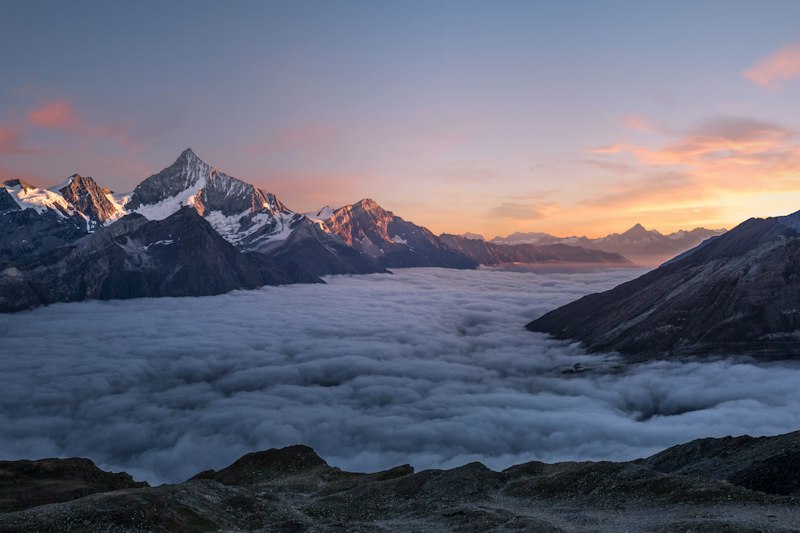
Morning over the Loire begins quietly. A cool veil of mist hangs above the vineyards, the river shimmers dully like polished silver. The air carries the scent of damp chalk, wet meadow, a hint of white blossoms – and somewhere, already now, the promise of a glass of Sancerre or Vouvray lingers in the air.
The Loire is not a loud, grandiose river. It is a river of nuance, of subtle tones. Here, wine is not just produced, but told: stories of cool nights, chalk-rich soils, old vines, and winegrowers who strive for quiet perfection rather than showy opulence. Between châteaux, gorges, and gently rolling hills, one of France’s most diverse and at the same time most elegant wine worlds unfolds.
Anyone who has truly paid attention to a Loire wine in their glass – the salty grip of a Muscadet, the tingling acidity of a Pouilly-Fumé, the silken sweetness of an old Vouvray – feels it: this is a region you don’t simply drink. You experience it.
---
Terroir: Soil and Climate
The Loire wine region is not a uniform patch on the map, but a mosaic of numerous appellations stretching over more than 800 kilometers along the river, from the Atlantic coast into the heart of France. It is precisely this length that makes the Loire so fascinating – and so complex.
Atlantic breeze and continental coolness
In the west, near Nantes, you feel the influence of the Atlantic. The climate is maritime, mild, and windy. In the Muscadet area, dry, salty white wines are born that taste as though the ocean had kissed them. The further you follow the river inland – towards Anjou, Saumur, Touraine, and the heartland of Sancerre and Pouilly-Fumé – the stronger the continental influence: cooler nights, wider temperature swings, late-ripening grapes.
This coolness is no disadvantage – on the contrary. It is the backbone of Loire wines. It preserves freshness, precision, tension – and lends impressive elegance even to more powerful cuvées.
Soils like a geological library
The diversity of soils along the Loire is breathtaking and forms the foundation for the stylistic range of the region:
- Granite and gneiss in Muscadet: ideal for Melon de Bourgogne, which here becomes an extremely dry, citrus-fresh, often slightly salty white wine.
- Schist and schist sandstone (schiste) in Anjou and parts of Saumur: perfect for Chenin Blanc and Cabernet Franc, which here develop a dark, smoky, sometimes almost mystical depth.
- Tuffeau limestone in Saumur and Vouvray: a light, porous chalk that not only builds cellars and châteaux, but also shapes wines – fine, mineral, with a crystal-clear structure.
- Kimmeridgian limestone, silex (flint) and marl in Sancerre and Pouilly-Fumé: these soils are the soul of the Loire’s great Sauvignon Blancs. The flint gives the famous “fumé” notes: smoke, struck flint, wet stone.
This terroir is not a marketing buzzword, it is something you can taste in the glass. Loire wines are always an invitation to drink the soil – in all its facets.
---
Grape Varieties
The Loire is a textbook of varietal diversity – and yet it is a few main characters that shape the overall picture.
Sauvignon Blanc – cool precision
Many wine lovers discovered their affection for the Loire through a Sancerre or Pouilly-Fumé. Sauvignon Blanc here shows perhaps its most elegant face:
- On the nose: gooseberry, citrus, grapefruit, white flowers, plus – depending on the soil – flint, damp chalky earth, sometimes smoke.
- In style: dry, crisp, with razor-sharp yet fine acidity and often a wonderfully salty, long finish.
Chenin Blanc – the great chameleon
Chenin Blanc is the Loire’s underrated queen. In regions like Vouvray, Anjou, and Saumur it displays a barely fathomable range:
- From bone-dry (sec) through off-dry (demi-sec) to luscious sweet (moelleux and liquoreux).
- Still or as Crémant de Loire or Vouvray pétillant – always with fine acidity and often a ripe, almost waxy texture.
- Aromatically: apple, quince, pear, honey, chamomile, wax, almonds, often underpinned by a smoky minerality.
Cabernet Franc – sinewy elegance
For reds, the Loire is one of the strongholds of Cabernet Franc – especially in Chinon, Bourgueil, and Saumur-Champigny.
- Stylistically: from light, juicy and fruit-driven to structured, profound and ageworthy.
- Aromas: redcurrant, cherry, violets, bell pepper in its delicate, cool expression, plus graphite and a gentle herbal spice.
Melon de Bourgogne – the quiet star on the coast
In Muscadet, around Nantes, Melon de Bourgogne proves how fascinating a “simple” variety can be when terroir and winemaking are in harmony.
- Very dry, low in alcohol, taut, with citrus, green apple, sometimes almond and a pronounced saltiness.
- A perfect companion to seafood – so purist it becomes almost meditative.
Other grape varieties
- Grolleau, Gamay, Pinot Noir for fresh, drinkable red and rosé wines.
- Folle Blanche, Romorantin as regional specialties that reward the exploratory spirit of demanding wine lovers.
---
History and Tradition
The Loire is more than a wine region – it is a historical stage. As early as the Middle Ages, the “Val de Loire” was known as the garden of France, the preferred summer retreat of kings and nobility. With them came trade, wealth – and an enormous cultural influence.
Kings and their wine
From the 15th century onward, magnificent castles were built along the Loire. Blois, Chambord, Amboise: these were the venues for lavish festivities where local wines were a natural fixture at court. Paris was only a river journey away – and the Loire thus became one of the capital’s most important suppliers.
Even then, people appreciated the freshness and elegance of Loire wines, a welcome alternative to the heavier wines of the south.
Wars, crises, renaissance
Like many classic regions, the Loire went through phases of decline: phylloxera, wars, rural exodus, industrialization. In the second half of the 20th century, the region was considered by many as “just” a source of light everyday wines.
Yet, in parallel, a fascinating renaissance began: committed growers focused on low yields, organic cultivation, precise vinification – and rediscovered the potential of their old vineyards. Today the Loire is a hotspot for terroir-driven wines, organic viticulture, the natural wine movement – and still deeply rooted in its traditions.
---
Typical Style and Aromas
The Loire has many faces, but they all share the same DNA: freshness, clarity, tension.
White wines
- Muscadet & co.: lemon, lime, green apple, mineral saltiness, sometimes yeasty notes from ageing “sur lie”.
- Sancerre, Pouilly-Fumé: gooseberry, cassis leaf, citrus, peach, white flowers, herbs, flint, wet stone.
- Chenin Blanc (Vouvray, Anjou, Saumur): apple, quince, ripe pear, honey, wax, chamomile, almonds; in sweet styles: dried fruit, apricot, caramel, beeswax.
Red wines
- Cabernet Franc: cool red fruit, violets, bell pepper in its finely spiced guise, tobacco, graphite; tannic yet with sinewy grace.
- Gamay & co.: lively, fruity notes of cherry, strawberry, raspberry – often a delight when served slightly chilled.
Rosé and sparkling wine
- The Loire is one of the quiet powerhouses for rosé: from pale, delicate, bone-dry versions to fruitier, gently off-dry styles.
- Crémant de Loire and sparkling Vouvray (pétillant or fully sparkling) offer fine-bubbled alternatives to Champagne – with a distinctive, cool profile.
Taken together, Loire wines are a little like the river itself: flowing, clear, vibrant – with a quiet depth beneath the surface.
---
Food Pairing
The culinary world of the Loire is just as exciting as its wine landscapes. Local products and wines speak the same language here.
White wine & the sea
- Muscadet with oysters, mussels, grilled prawns – a classic that’s hard to beat. The wine’s saltiness merges with the iodine tang of the sea.
- Sancerre / Pouilly-Fumé with goat’s cheese – above all the famous Crottin de Chavignol. The fresh acidity and mineral spice of Sauvignon Blanc dances with the creamy texture of the cheese.
Chenin Blanc – the all-rounder
- Dry Vouvray sec with scallops, pan-fried pike-perch, poultry in a light sauce, or Asian dishes with gentle heat.
- Off-dry and noble-sweet Chenin wines with foie gras, blue cheeses, apple or pear desserts – a feast for lovers of texture and aroma.
Red wines – Cabernet Franc & co.
- Chinon, Bourgueil, Saumur-Champigny: ideal with grilled lamb, entrecôte, braised dishes, or slow-cooked vegetables with Mediterranean herbs.
- Lighter red Loire wines, served slightly chilled, are excellent with charcuterie, terrines, pâtés, and hearty bistro fare.
Rosé & lightness
- Juicy rosés from Anjou or Touraine with salads, summery cuisine, grilled vegetables, tapas – and as a stylish aperitif on the terrace.
Those who cook and dine with Loire wines discover a cuisine that does not aim to overwhelm but to seduce: with finesse, balance, and the courage to embrace lightness.
---
FAQ – Frequently Asked Questions
1. What makes Loire wines special?
Loire wines combine cool elegance, high freshness, and striking stylistic diversity. From bone-dry coastal whites to complex sweet wines, they deliver terroir, authenticity, and finesse – without overwhelming heaviness.
2. Which grape varieties dominate in the Loire?
The main grape varieties are Sauvignon Blanc, Chenin Blanc, Cabernet Franc, and Melon de Bourgogne. In addition, there are Gamay, Pinot Noir, Grolleau, and regional specialties such as Romorantin.
3. How long should you cellar Loire wines?
Many simpler Loire wines are made for early drinking within 2–4 years. High-quality Sancerre, Pouilly-Fumé, Chinon, or Vouvray from good vintages, however, can age beautifully for 10, 20, and in the case of great Chenin Blancs even 30 years or more.
4. Which foods pair well with Loire wines?
Loire whites are excellent with seafood, fish, goat’s cheese, and light dishes. Red Loire wines pair well with lamb, beef, poultry, and charcuterie. Sweet Chenin wines are ideal with foie gras, blue cheeses, and fruit-based desserts.
5. What is the best season to visit the Loire?
The Loire is particularly enchanting in spring (blossom, mild temperatures) and in autumn (harvest time, glowing colours in the vineyards). Summer offers warm days for château visits and riverside picnics; winter belongs to quiet cellar tastings.
---
Conclusion
The Loire is a region for people who seek more in wine than simple pleasure – for those who love stories in their glass. Every sip tells of chalk, schist, and flint, of misty mornings above the river, of winemakers who work with dedication and patience, and of a landscape where culture, history and nature intertwine in a unique way.
When you pour Loire wine into your glass, you bring this river to the table: its clarity, its elegance, its quiet strength. Let a cool Sancerre draw you in as an aperitif, explore the depth of a matured Vouvray at dinner, feel the sinewy energy of a Chinon alongside a piece of grilled lamb.
The Loire is not a gaudy spectacle, but an invitation to listen more closely, taste more deeply, and enjoy more consciously.
Perhaps this is the moment to open a bottle from the Loire – and begin your own story with this great, quiet river of wine.