Rioja Alavesa – Where the Wind Kisses the Vines and the Limestone Dreams of Wine
Discover Rioja Alavesa.
Rioja Alavesa – Where the Wind Kisses the Vines and the Limestone Dreams of Wine
Meta description: Discover Rioja Alavesa – the most elegant soul of Rioja. Terroir, limestone soils, Tempranillo & great wines full of finesse and depth.
Keywords: Rioja Alavesa, Rioja wine, Tempranillo, Spanish wine region, Rioja Alavesa terroir, wine trip Spain, Rioja DOCa, Basque Country wine, Rioja red wine, wine and food
---
Introduction: The First Sip of Eternity
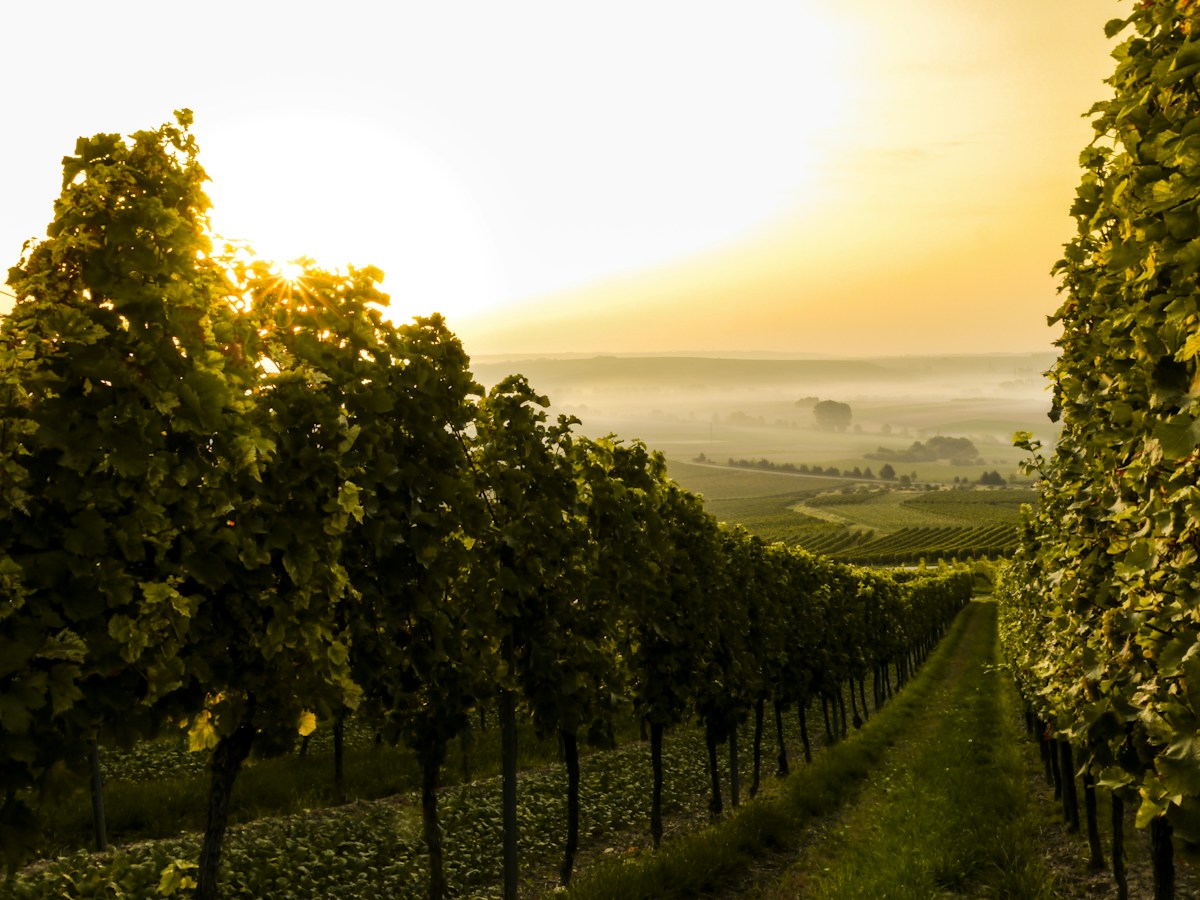
It begins with a scent: a faint notion of dark cherries, dried herbs, a hint of lavender and the cool minerality of wet limestone. The glass approaches your lips, and suddenly time seems to slow down. In your mind’s eye, terraces of vines appear, clinging like a green carpet to the foothills of the Cantabrian Mountains. A warm, golden evening in northern Spain – and over everything lies that quiet, self-assured elegance that only great wine landscapes possess.
You have arrived in Rioja Alavesa – perhaps the finest, most precise voice within the great Rioja symphony. Here, in the Basque part of Rioja, wines are made that do not need to be loud to be unforgettable. Wines that whisper – and precisely for that reason get under your skin so deeply.
---
The Distinctive Terroir and Climate
#### The Soil: Limestone That Tastes of Finesse
Rioja Alavesa is a landscape of transitions: between mountains and river, between the Atlantic and Mediterranean warmth, between Basque soul and Spanish wine tradition. At the center of it all stands the soil – the invisible foundation of elegance.
Typical of Rioja Alavesa are:
- Lime-rich clay and loam soils
The vines root deep in limestone-rich layers, interspersed with clay and loam. This subsoil provides:
- excellent water storage capacity in dry summers
- a natural limitation of yields, promoting concentration and complexity
- cool, precise mineral notes in the wine
- Stony, poor plots at higher elevation
At altitudes of around 500–700 meters you find poorer soils with plenty of stones. The vines must struggle – a struggle reflected in the finesse of the tannins and the vibrant freshness.
This limestone is the red – or rather white – thread of the region: it gives the wines of Rioja Alavesa their unmistakable tension, clarity and salty minerality.
#### The Climate: Where the Atlantic Meets the Mediterranean
Rioja Alavesa lies protected by the Sierra de Cantabria, a mighty mountain range that acts like a natural wall against cool, humid Atlantic winds. At the same time, the region opens southwards to the Ebro plain – a gateway to continental-Mediterranean influence.
The result is a unique mixed climate:
- Atlantic freshness
ensures slow, even ripening, moderate alcohol levels and lively acidity.
- Mediterranean warmth
brings richness, ripe fruit and deep aromas.
- Large temperature differences between day and night (diurnal amplitude)
sun-kissed by day, cool at night – a key to aromatic intensity and freshness.
This finely balanced climate is the reason why Rioja Alavesa has for decades been regarded as the origin of the most elegant and long-lived Tempranillo wines in Rioja.
---
The Grape Varieties: The Heart of the Region
If Rioja Alavesa were an orchestra, Tempranillo would be the soloist – but the accompaniment is just as important.
- Tempranillo
The dominant variety, which reaches unrivalled finesse here. In Rioja Alavesa, Tempranillo shows:
- red and dark fruits: cherry, plum, ripe raspberry
- often floral notes: violet, dried flowers
- fine-grained, silky tannins
- cool, chalky minerality and bright acidity
- Graciano
Once underestimated, today rediscovered. In small proportions, Graciano brings:
- fresh acidity
- darker fruit and spice
- additional structure and aging potential
Many of the region’s top cuvées rely on a backbone of Tempranillo with a touch of Graciano.
- Mazuelo (Cariñena)
Rarer, but important in traditional blends:
- brings freshness, tannin and slightly more austere spice
- strengthens the structure of wines intended for long aging
- White wines from Viura & Co.
Rioja Alavesa is famous for red wine, yet white Rioja from here is gaining profile:
- Viura provides citrus, apple, fine herbs
- Blancos from limestone-rich terroir show salty freshness and enormous aging potential
---
History & Tradition
Rioja Alavesa is not a young chapter, but a multi-layered book written over centuries:
- Roman traces
As early as Roman times, vines were cultivated in the Ebro valley. Wine was a trade good, medicine, and cultural asset.
- Monasteries & pilgrims
In the Middle Ages, Rioja and the Basque Country lay on one of the great routes of the Way of St James (Camino de Santiago). Monasteries were repositories of viticultural knowledge, pilgrims brought new ideas and varieties.
- The breakthrough in the 19th century
When phylloxera ravaged France, many Bordeaux négociants discovered Rioja as an alternative.
- New cellar techniques
- Barrel aging in oak (initially French, later increasingly American)
shaped the style that made Rioja world-famous.
- The birth of modern-classic Rioja
Rioja Alavesa was an early center of quality-focused producers:
- old bush vines in small, parceled sites
- an understanding of site typicity long before the word “terroir” became a buzzword
- Today: Between tradition and avant-garde
Alongside the historic bodegas, modern wineries have emerged – some of them architectural icons.
Keywords: precise single-vineyard selections, organic and biodynamic viticulture, more delicate use of oak, a focus on origin rather than just aging categories (Crianza, Reserva, Gran Reserva).
Today, Rioja Alavesa is one of the most exciting intersections of tradition, identity and contemporary wine interpretation in Spain.
---
Enjoyment & Perfect Pairings
#### Sensory Profile: Elegance with Depth
A typical red from Rioja Alavesa – let’s say a Tempranillo-dominated cuvée – presents itself in the glass with:
- Color: medium to deep ruby red, with clear brilliance
- Nose:
- red and dark cherries, ripe plum
- violets, dried roses
- fine herbal notes: thyme, rosemary, sometimes fennel
- depending on aging: cedarwood, tobacco, vanilla, coconut, sweet spices
On the palate:
- Texture: silky, yet with inner tension
- Tannins: fine-grained, well integrated
- Acidity: lively, never aggressive, carried by freshness
- Finish: long, with cool, chalky and slightly salty nuances
In the best wines of Rioja Alavesa you sense that rare combination of depth and lightness, density without weight – a dance, not a march.
White Rioja Alavesa:
- citrus fruits, white flowers, almonds
- creamy texture with simultaneous freshness
- with some age: honey, wax, matured nut notes, salty length
#### Food Pairing: When Wine and Cuisine Embrace
The finesse of Rioja Alavesa makes these wines brilliant food companions – both in fine dining and in pleasurable everyday meals.
Classic pairings:
- Grilled or roasted lamb
the Basque-Spanish dream couple: rosemary, garlic, olive oil – and a Tempranillo from limestone soils that plays with the roasted notes.
- Txuleta / Chuletón (Spanish ribeye on the bone)
powerful, mature reds from Rioja Alavesa with ripe tannins and depth are ideal partners.
- Jamón Ibérico, chorizo, hearty tapas
the spice of the sausage harmonizes with the fruit and subtle spiciness of the wine.
More refined, modern pairings:
- Pigeon, venison, game birds
elegant Reservas with mineral freshness accompany the fine game aromas at the highest level.
- Braised veal cheeks
the collagen, the texture – and alongside it the silky tannins: a textural feast on the palate.
- For white wines from Rioja Alavesa:
- grilled fish, seafood
- mushroom risotto
- matured but not overly strong hard cheeses (e.g. Manchego curado)
Anyone who immerses themselves in Rioja Alavesa discovers unexpected culinary versatility that goes far beyond the image of a “classic Rioja with steak.”
---
FAQ – The 10 Most Important Questions About Rioja Alavesa
1. What makes Rioja Alavesa wines so special?
The combination of limestone-rich soils, cooler, higher-altitude sites and the influence of both the Atlantic and Mediterranean results in wines that are exceptionally elegant, fresh and ageworthy. Tempranillo finds one of its subtlest expressions here.
2. Which grape varieties dominate in Rioja Alavesa?
Above all Tempranillo, complemented by Graciano and Mazuelo in red wines. For whites, Viura dominates, sometimes accompanied by other traditional white varieties.
3. What does a typical Rioja Alavesa wine taste like?
It is characterized by clear fruit (cherry, plum), floral and herbal notes, silky tannins and a marked chalky freshness. Compared to other parts of Rioja, it is often a bit cooler, more delicate and more precise.
4. How long should you age Rioja Alavesa wines?
- Fruit-driven Crianzas: 5–8 years from vintage
- Reservas: 8–15 years
- Top sites and iconic wines: easily 15–25 years, and longer in great vintages.
White Rioja with oak and structure can also age 10+ years.
5. Which dishes pair well with Rioja Alavesa wines?
Red meats (lamb, beef), game birds, braised dishes as well as tapas with cured meats and aged cheese. White Rioja Alavesa is ideal with fish, seafood, poultry and Mediterranean vegetable cuisine.
6. What is special about the terroir of Rioja Alavesa?
The limestone-rich soils, the elevation and the protection of the Sierra de Cantabria create a microclimate that yields wines with high aromatic precision, structure and freshness – a rare combination, even among major wine regions.
7. Which wineries in Rioja Alavesa are particularly recommended?
Without naming specific brands:
- traditional bodegas with old bush vines and long barrel aging
- small, terroir-driven producers with single-vineyard bottlings
- modern wineries focused on precise vinification and restrained use of oak
It is especially rewarding to look for producers who explicitly declare single vineyards (Viñedo Singular, parcel wines).
8. How much does a good Rioja Alavesa wine cost?
- Solid everyday wines: from €8–15 in retail
- Ambitious Crianzas and Reservas: €15–30
- Top wines from single vineyards or iconic bottlings: €30–100+
Given the quality, Rioja Alavesa often offers excellent value for money.
9. When is the best time to visit Rioja Alavesa?
Ideally spring (April–June) and autumn (September–October).
- In spring the landscape awakens and temperatures are pleasant.
- In autumn, during harvest, the region shows itself in its most magical, vibrant form – with golden vines and an intense scent of must and grapes.
10. What are good alternatives to Rioja Alavesa wines?
If you love this style, you might look to other regions that combine elegance, freshness and limestone soils:
- other subzones of Rioja with higher elevation and chalky soils
- selected Tempranillo from Ribera del Duero with cooler sites
- limestone-driven reds from regions such as Navarra, parts of the Duero valley or the Catalan highlands
Yet in the interplay of climate, limestone and tradition, Rioja Alavesa remains – in the best sense – irreplaceable.
---
Conclusion: A Wine That Touches the Soul
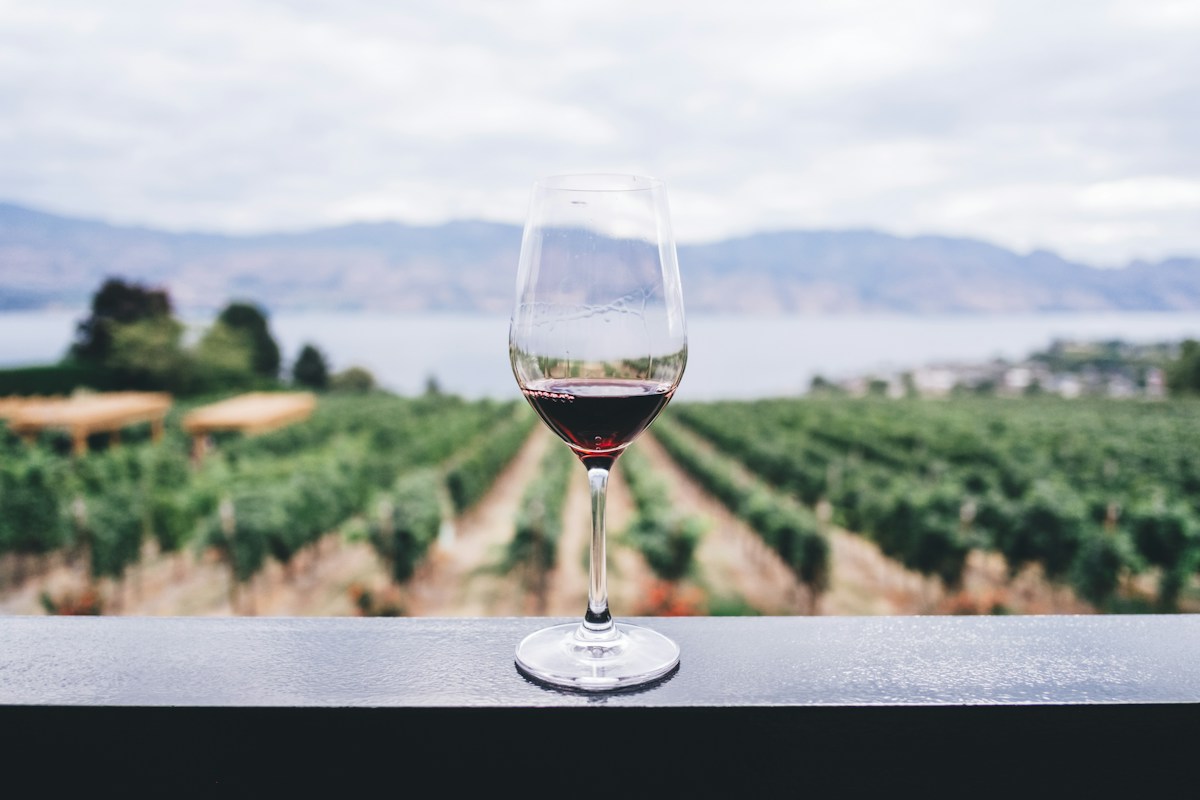
Anyone who has ever sat with a glass of Rioja Alavesa on a terrace above the vines, breathed in the evening air and watched the slow sunset over the Sierra de Cantabria understands why people here do not simply speak of “wine production,” but of culture, identity and longing.
Rioja Alavesa is more than an appellation. It is a promise: that elegance need not be loud, that depth can also resonate softly, that great wines do not overwhelm but move. In every bottle there is a piece of cool limestone, a breath of the Atlantic, a ray of southern sun – and the patient hands of those who have cultivated vines for generations as if in a silent prayer.
Next time you pour a glass of Rioja Alavesa, take a moment. Smell. Taste. And listen. You may hear it – the quiet yet unforgettable voice of a region that turns wine into eternity in a glass.