Penedès – Where the Mediterranean Wind Kisses the Wine
Discover Penedès.
Penedès – Where the Mediterranean Wind Kisses the Wine
Meta description: Penedès – Spain’s versatile wine region between the Mediterranean and Montserrat. Discover terroir, grape varieties, moments of pleasure & top wineries.
Keywords: Penedès, Penedès wine, Spanish wine, Cava, Catalunya wine, wine region Spain, Penedès terroir, xarel·lo, Mediterranean wine, organic wine Penedès
---
Introduction: The First Sip of Eternity
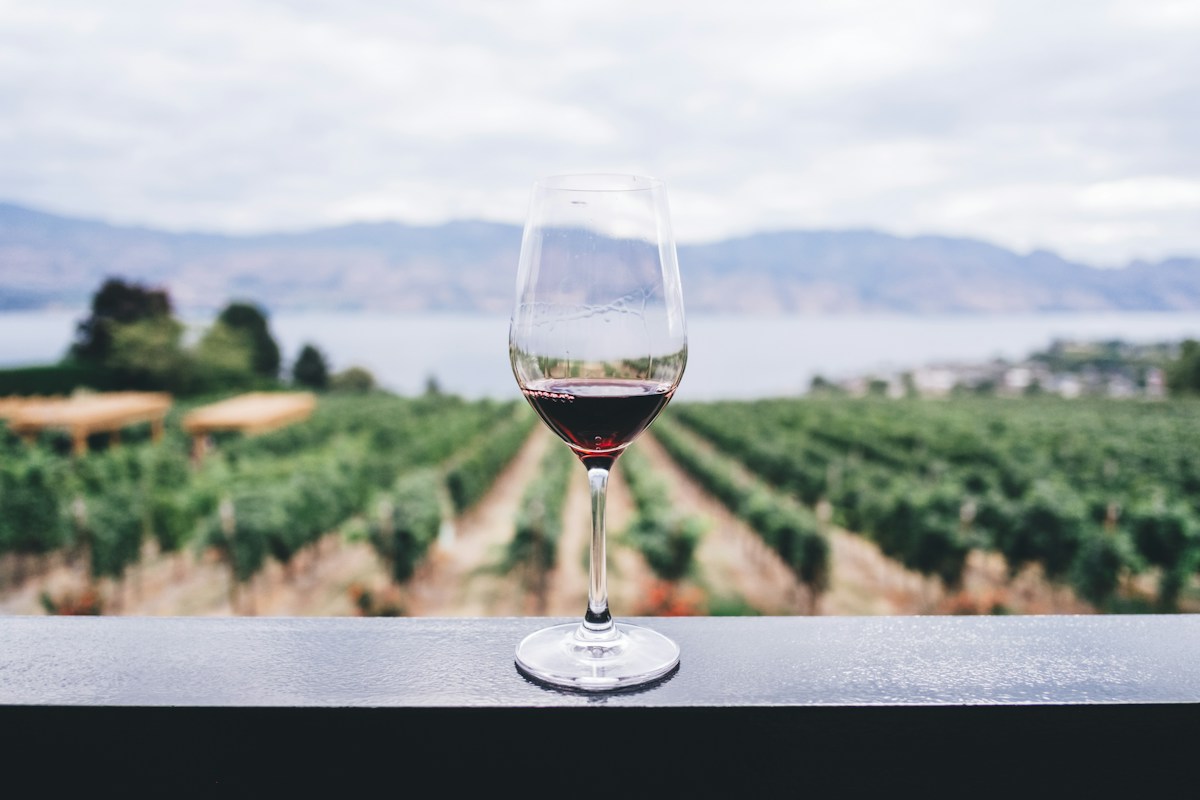
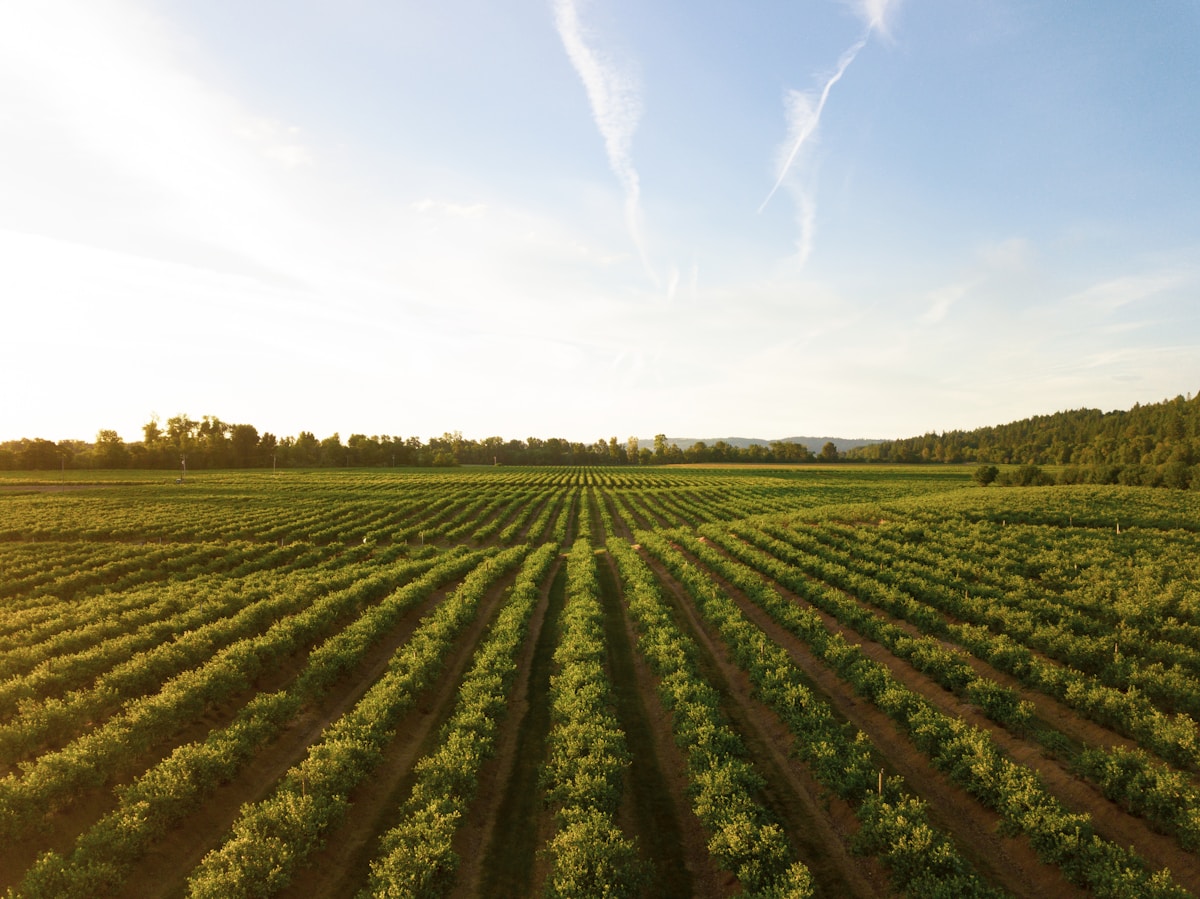
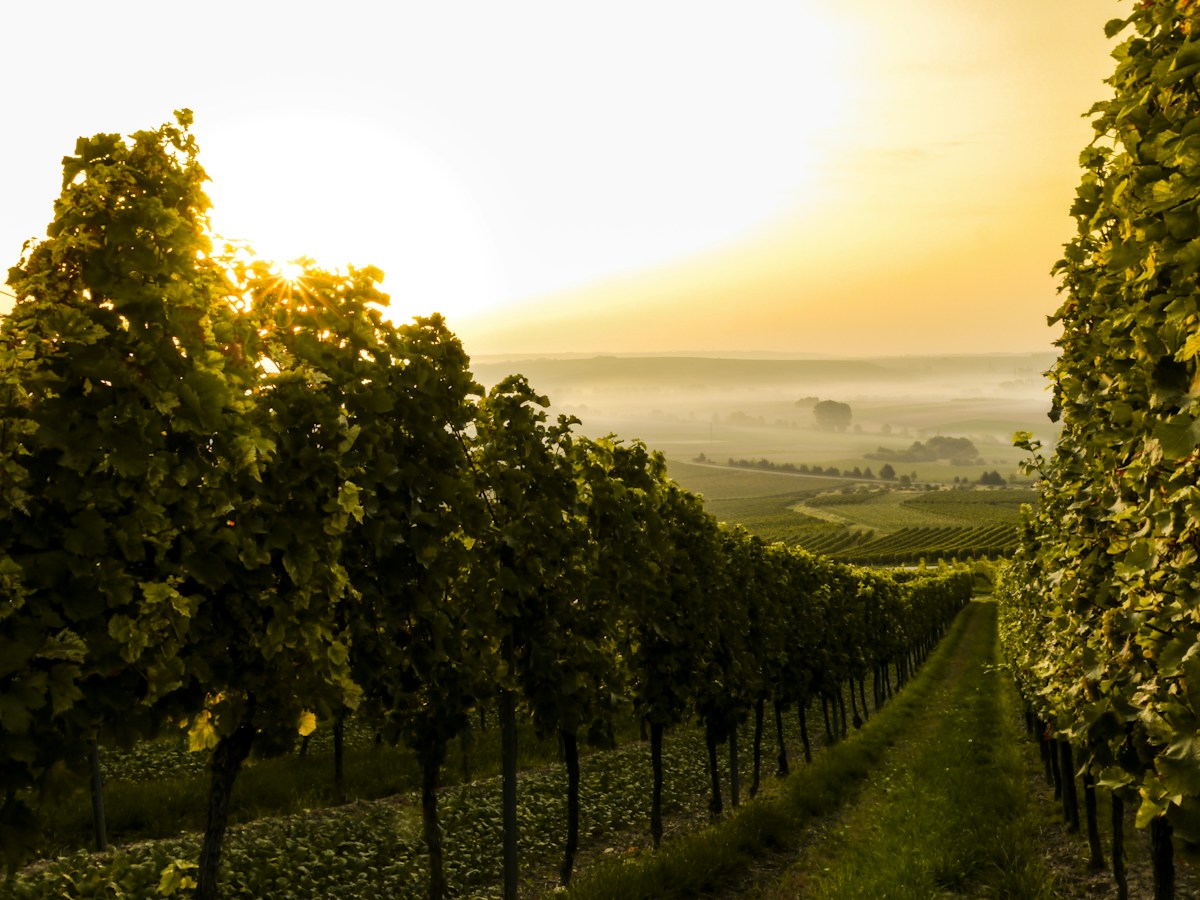
Imagine standing in the early morning hours in a sea of vines. A fine veil of mist still hangs over the slopes of Penedès, while the first rays of sun set the jagged silhouette of the Montserrat mountain range aglow. In the distance, the waves of the Mediterranean shimmer, its salty breeze drifting through the vineyards like a soft, cool kiss.
You raise your glass – a still Xarel·lo, as precise as a laser beam, with citrus zest, fennel, a hint of sea salt and that elusive, vibrant energy that only great terroirs can produce. In the next glass, a Cava de Paraje Calificado, resting in the depth of chalk and time, whose fine mousse and notes of roasted almonds, brioche and white flowers point straight toward eternity.
Penedès is not a place you simply visit. Penedès is a feeling you take with you – in every bottle, in every sip.
---
The Distinctive Terroir and Climate
The soil:
Penedès is a stage of contrasts, a mosaic of soil types that explains the diversity of this DO. Broadly, the region is divided into three zones: Alt Penedès (higher altitude), Mitjà Penedès (mid-altitudes) and Baix Penedès (close to the sea).
- Calcareous marl and limestone in the higher areas give the wines backbone, tension and salty minerality. Xarel·lo and Macabeu in particular show vibrant freshness and an almost chalky texture here.
- Clay and loam soils in mid-altitudes store water and ensure a continuous supply to the vines during the hot summer months. They give red wines from Tempranillo (Ull de Llebre), Cabernet Sauvignon or Syrah density, spice and fine-grained tannins.
- Sandier, lighter soils near the Mediterranean produce more aromatic, early-drinking wines – an excellent base for fragrant Cavas and fresh, uncomplicated white wines.
- Gravel and stones in well-drained sites promote deep-rooting vines. Old vines with low yields produce concentrated, complex wines with impressive length.
This geological diversity is the key to the stylistic range of Penedès – from crystal-clear, mineral-driven whites to structured, profound reds and highly refined sparkling wines.
The climate:
Penedès breathes Mediterranean character, but with cool, almost alpine finesse in the higher elevations.
- Mediterranean climate with warm, dry summers and mild winters forms the basis. Proximity to the coast ensures regular breezes that dry the vines and reduce disease pressure – a major advantage for organic viticulture.
- Cool nights at higher altitudes (up to over 600 m) preserve freshness, acidity and aromatic precision. Especially in Alt Penedès this results in white wines with impressive tension and longevity.
- Annual rainfall is moderate, with more frequent precipitation in spring and autumn. Combined with well-drained soils and low yields, this leads to grapes with high physiological ripeness, without jammy notes.
- Microclimates are the region’s hidden ace: sheltered valleys, wind-exposed hills, cooler north-facing slopes or sun-drenched south-facing exposures – Penedès is a map of nuances.
This interplay of sun, wind and altitude shapes wines that carry both Mediterranean warmth and structural freshness – a rare and highly seductive combination.
---
The Grape Varieties: The Heart of the Region
Penedès is a laboratory of innovation – but its heart beats to the rhythm of its native varieties.
- Xarel·lo – the soul of Penedès
Probably the region’s most important grape variety. Once seen almost exclusively as a base grape for Cava, Xarel·lo is today regarded as one of Spain’s great white varieties.
- Character: Citrus, green apple, fennel, almond, often a salty, herbal note.
- Style: From purist, steely versions to barrel-fermented, complex and ageworthy wines.
Xarel·lo transmits terroir like a prism transmits light – clear, precise, multifaceted.
- Macabeu (Viura)
Fresher and more elegant in Penedès than in many other regions.
- Character: White flowers, pear, delicate herbs, sometimes a hint of anise.
- Role: A perfect Cava component, but also strong solo as a fresh, fine white wine.
- Parellada
The high-altitude variety – sensitive but full of finesse.
- Character: Delicate citrus notes, apple, floral hints, very fine acidity.
- Role: Ideal for elegant, airy Cavas and filigree still wines.
- Chardonnay & Sauvignon Blanc
International varieties, but with a Mediterranean imprint here.
- Chardonnay: From fruit-driven to Burgundy-like, with subtle oak.
- Sauvignon Blanc: Herbs, gooseberry, but with more warmth and less aggressiveness than in cooler regions.
- Tempranillo (Ull de Llebre)
Spain’s red classic shows itself here juicy, red-fruited and with Mediterranean herbal spice.
- Character: Cherry, red plum, tobacco, thyme, rosemary.
- Style: From young & fruity to barrel-aged & complex.
- Garnacha & Carinyena (Carignan)
They bring depth, spice and structure.
- Garnacha: Ripe red fruit, sweet cherry, a hint of white pepper.
- Carinyena: Darker fruit, acidity, tannin – ideal for blends.
- Cabernet Sauvignon, Merlot & Syrah
International red varieties that, since the 1970s/80s, have helped establish Penedès as a pioneer of modern Spanish red wines.
- Character: Ripe blackberries, cassis, dark cherry, Mediterranean herbs, often supported by spicy oak.
This diversity allows Penedès to cover almost every style – from purist natural wine to elegant sparkling wine to great, barrel-aged reds.
---
History & Tradition
Penedès is one of the oldest wine landscapes in Europe.
- Ancient roots: As early as the Iberians and later the Romans, vines were cultivated here. Amphora finds show that wine from what is now Penedès was shipped to the ports of the Roman Empire.
- Middle Ages: Monasteries and religious orders became custodians of knowledge, perfected viticulture and established the first quality standards. Wine here was not just a pleasure, but also a means of payment and a trade commodity.
- Phylloxera crisis in the 19th century: Like all of Europe, Penedès was almost depopulated of vines by phylloxera. Yet this catastrophe was also an opportunity: during replanting, new varieties were introduced and vineyards were rethought.
- Birth of Cava: At the end of the 19th century, visionary winemakers began producing sparkling wine by the traditional method – initially as an answer to Champagne. Sant Sadurní d’Anoia, in the heart of Penedès, became the epicenter of this shower of sparks from chalk and yeast.
- 20th century: Modernity & experimental spirit
Penedès was one of the first Spanish regions to establish international varieties such as Cabernet Sauvignon and Chardonnay – and set new quality benchmarks with controlled fermentation, temperature-controlled tanks and barrel ageing.
- Today:
Penedès is synonymous with:
- Organic & biodynamics – a high proportion of vineyards is farmed organically.
- Heritage & authenticity – a return to historic varieties such as Sumoll.
- Precision & terroir focus – single-vineyard wines, limited bottlings, Cava de Paraje.
The history of this region is a chronicle of renewal – always with one foot in tradition and eyes fixed firmly on the future.
---
Enjoyment & Perfect Pairings
Sensory profile:
Penedès cannot be squeezed into a single aromatic template – and that is precisely what makes the region so fascinating. Still, certain signatures can be recognized:
- White still wines (Xarel·lo, Macabeu, blends):
- Nose: Lemon, lime, crisp green apple, fennel, white flowers, almond skin, often a hint of sea salt and Mediterranean herbs.
- Palate: Taut, mineral, with lively but never aggressive acidity. The best have a dense, almost creamy texture without losing freshness.
- Cava & sparkling wines from Penedès:
- Nose: Delicate citrus fruit, yellow apple, brioche, yeast, roasted nuts, and depending on ageing, also honey and dried fruit.
- Palate: Fine, persistent mousse, a balance of fruit, acidity and creamy texture. Extended lees ageing brings extra depth and nobility.
- Rosé wines:
- Nose: Strawberry, raspberry, pomegranate, sometimes grapefruit and rose petals.
- Palate: Fresh, juicy, with a touch of herbal spice – ideal for Mediterranean cuisine.
- Red wines:
- Nose: Ripe cherries, plums, blackberries, liquorice, tobacco, dark chocolate, garrigue (thyme, rosemary, juniper).
- Palate: From medium-bodied, elegant and easy to drink to powerful, structured and ageworthy. Tannins are usually fine-meshed, softly kissed by the sun.
Food pairing:
Penedès wines taste of sea, sun and herbs – and they love the cuisine that smells just like that.
- With Xarel·lo & mineral white wines:
- Seafood: Oysters, mussels, grilled squid with olive oil and lemon
- Fish: Sea bream or monkfish, simply grilled
- Vegetables: Artichokes, fennel, grilled vegetables, salads with citrus dressing
- Cheese: Fresh goat’s cheese, young Manchego
- With Cava:
- Tapas: Croquetas, Jamón Ibérico, Patatas Bravas
- Sushi & sashimi – Cava loves umami
- Roast chicken, baked fish, tempura
- Aged hard cheeses and Parmigiano – a classic
- With fragrant rosés:
- Mediterranean cuisine: Ratatouille, grilled vegetables, seafood paella
- Light pasta with tomatoes, basil, olive oil
- With red wines from Tempranillo, Cabernet, Garnacha:
- Meat: Herb-crusted lamb chops, beef fillet, braised ox cheeks
- Stews: Lentil dishes, Catalan stews, coq au vin with a Mediterranean twist
- Cheese: Aged Manchego, crystalline hard cheeses, blue cheeses (for the more powerful styles)
The truth is: Penedès wines are like good friends – they adapt, enrich any table and never push themselves to the fore.
---
FAQ – The 10 Most Important Questions About Penedès
1. What makes Penedès wines so special?
The unique combination of Mediterranean warmth, cool altitudes, chalk-rich soils and a fascinating mosaic of grape varieties. Penedès combines drinkability with depth, finesse with character – and offers an exceptional spectrum from top-class Cava to complex still wines.
2. Which grape varieties dominate in Penedès?
For whites above all Xarel·lo, Macabeu and Parellada, complemented by Chardonnay and Sauvignon Blanc. For reds, Tempranillo (Ull de Llebre), Garnacha, Carinyena, Cabernet Sauvignon, Merlot and Syrah are key.
3. What does a typical Penedès wine taste like?
Typically, it shows a combination of freshness and Mediterranean aromatics: citrus, apple, herbs and salty minerality in the whites; red and dark berries, herbal spice and fine tannins in the reds. Cavas show fine mousse, citrus, apple, yeast and nutty notes.
4. How long should you age Penedès wines?
- Fresh entry-level wines & basic Cavas: 1–3 years
- Ambitious Xarel·lo & barrel-aged whites: 5–10 years
- High-quality Cavas (Reserva, Gran Reserva, Paraje): 5–15 years
- Structured reds: 5–12 years, depending on style and producer
Many wines are made for immediate enjoyment, but the best develop fascinating tertiary notes over time.
5. Which dishes pair well with Penedès wines?
Seafood, fish, tapas, Mediterranean vegetable dishes, poultry and light meats harmonize excellently with the whites and sparkling wines. The reds love lamb, beef, braises and aged cheese. Basic rule: Mediterranean food with Mediterranean wine – it almost always works.
6. What is special about the terroir of Penedès?
Its diversity: limestone, clay, sand and gravel combined with altitudes from sea level to over 600 meters and constant sea breezes. This terroir produces wines with clear structure, characterful acidity and often a distinct, salty minerality.
7. Which wineries in Penedès are particularly recommended?
Without claiming completeness:
- Traditional estates and Cava icons
- Family-run organic and biodynamic wineries
- Small, terroir-focused projects that interpret Xarel·lo at world-class level
(Depending on vintage and availability, it’s worth checking current recommendations from sommeliers, wine merchants and wine guides.)
8. How much does a good Penedès wine cost?
- Good everyday wines & basic Cavas: approx. €8–15
- Ambitious still wines and Reservas: €15–30
- Top wines, single-vineyard bottlings, top Cavas: €30–80 and above
In international comparison, Penedès offers excellent value for money, especially among high-quality Cavas and terroir-driven whites.
9. When is the best time to visit Penedès?
- Spring (April–June): Blossoming landscape, pleasant temperatures, quiet wineries.
- Autumn (September–October): Harvest time – intense, lively, emotional. You experience the region in the heartbeat of the vintage.
Summer is sunny and beautiful but can be hot. Winter is mild and ideal for relaxed tastings and in-depth conversations with winemakers.
10. What are good alternatives to Penedès wines?
If you like the style, you’ll find exciting alternatives in other Mediterranean regions with cool influences, such as parts of Catalunya, Valencia, or in Italy’s Friuli and certain coastal areas of Provence. Yet Penedès, with its Xarel·lo dominance and Cava tradition, remains stylistically unique – more a complement than a replacement.
---
Conclusion: A Wine That Touches the Soul
Penedès is more than a name on a label. It is the whisper of the breeze that rises from the Mediterranean. It is the echo of the bells of Montserrat, caught among the vines. It is the hand of a winemaker rolling a single grape thoughtfully between their fingers – knowing that within it an entire year, an entire life, sometimes an entire heritage is condensed.
In a world where wine often becomes an interchangeable commodity, Penedès remains deeply personal. Every bottle is an invitation: Sit down. Breathe. Pour yourself a glass. Listen to the quiet crackle of the mousse, the clear voice of the acidity, the long resonance of sun, chalk and time.
Anyone who has had Penedès in their glass once carries this landscape within them – like a gentle longing for the next sip of eternity.