Marlborough: Where the South Seas Wind Kisses Sauvignon
Discover Marlborough.
Marlborough: Where the South Seas Wind Kisses Sauvignon
Meta description: Discover Marlborough in New Zealand – iconic Sauvignon Blanc, cool climate, unique terroir, goosebump aromas, and wine moments full of longing.
Keywords: Marlborough, Marlborough wine, Marlborough Sauvignon Blanc, New Zealand wine, New Zealand wine, Marlborough Pinot Noir, Marlborough wine region, Sauvignon Blanc New Zealand
---
Introduction: The First Sip of Eternity
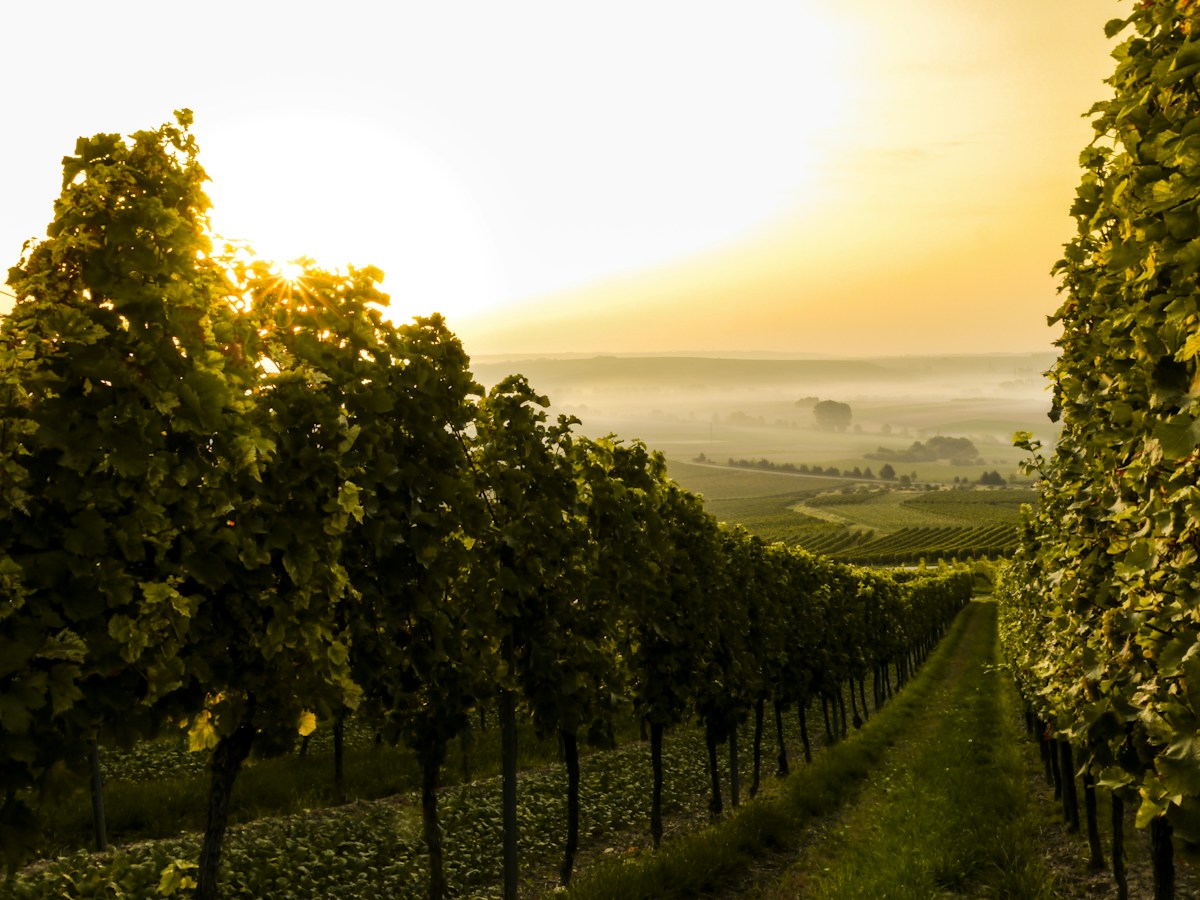
Imagine standing early in the morning in a sea of vines. The night still lingers over the rows, a fine veil of mist rises from the riverbeds, and in the distance the silhouettes of the Richmond Ranges are etched against the sky. The air is cool, salty from the ocean, clear as cut glass. A soft rustling as the Pacific wind moves through the leaves – and then this aroma: fresh lime, crushed currant leaves, a hint of passion fruit, as if nature itself had composed a fragrance.
This is Marlborough. A wine region at the northeastern tip of New Zealand’s South Island that has become a myth in just a few decades. A place where Sauvignon Blanc is not simply grown, but has become a kind of liquid signature – unmistakable, electrifying, almost shockingly alive. For many, a lifelong love affair with wine begins here.
---
The Unmistakable Terroir and Climate
#### The Soil: Stone, Gravel and Silent Memory
Marlborough is not a uniform carpet of vines, but a mosaic. Three main areas shape the region: Wairau Valley, Southern Valleys and Awatere Valley. Each tells its own story through its soil.
- Wairau Valley: A broad river plain with ancient alluvial deposits, dominated by stone, gravel, sand and shingle. These well-draining soils force the vines to root deeply. The result is grapes with intense aromatics and astonishing clarity. Many of the classic, explosive Marlborough Sauvignon Blancs with high precision and brilliance come from here.
- Southern Valleys: Gently rising slopes with clay-rich soils over schist and scree. The higher clay content stores water and releases it slowly – ideal for more structured wines and especially for Pinot Noir. The reds from here show more depth, texture and often darker fruit aromas.
- Awatere Valley: More barren, stony, windier. The soil is often a mix of calcareous sediments, shingle and fine gravel, which leads to cooler conditions and smaller berries. For all their intensity, the wines are tauter, more mineral, often with a distinctive salty note – like a pinch of sea spray in the glass.
These soils store the warmth of the day while at the same time draining water quickly. Stress for the vine – but creative stress. The vines respond with concentration, expression and aromatic density. Terroir here is no theory. You can taste it.
#### The Climate: Cool Sun, Long Breath
Marlborough enjoys a cool maritime climate with a unique combination of:
- Plenty of sunshine: Over 2,400 hours of sun per year.
- Cool nights: Thanks to proximity to the Pacific and the mountain ranges inland.
- Large diurnal temperature range: Warm by day, cool at night – the basis for intense aromatics combined with crisp acidity.
The mountains to the west protect Marlborough from the extreme rain fronts of the Tasman Sea. Rainfall is relatively low, the air is clean, the wind constant. This wind dries the grapes quickly after rain and reduces disease pressure – one reason why sustainable and organic viticulture here is not just a trend, but lived reality.
The interplay of light, coolness and wind is what makes Marlborough wines so distinctive: crystal clear, energetic, with a liveliness you can almost feel physically. It is as if the light of this landscape is refracted in the glass.
---
The Grape Varieties: The Heart of the Region
When the world says Marlborough, it thinks of Sauvignon Blanc. But this region is more than a monologue; it is a many-voiced choir.
#### Sauvignon Blanc – The Icon
Marlborough Sauvignon Blanc has become the global benchmark. Aromatic in the high register, almost luminous:
- Aromas of gooseberry, lime, grapefruit, green bell pepper, passion fruit, maracuja, currant leaf
- Often a cool, mineral undertone: wet stones, chalk, sometimes salty notes
- On the palate: crisp, pulsating acidity, medium body, dry to bone-dry, with a finish that lingers.
In Awatere Valley it often shows a tauter, more citrusy, herbal profile. In Wairau Valley it is more opulent, tropical, with riper fruit. Winemakers working with lees aging, oak or concrete give Sauvignon additional dimensions: creamier textures, more depth, subtler aromatics.
#### Pinot Noir – The Quiet Sensation
Long overshadowed by Sauvignon, Marlborough Pinot Noir is developing into an insider’s tip:
- Nose: red cherry, raspberry, cranberry, sometimes violet, gentle smoke, fine spices.
- Style: medium body, silky tannins, lively acidity, often very pure, “red” fruit.
In particular, the Southern Valleys produce structured, serious Pinots that share more with good Burgundies than one might expect – only with lighter, more transparent fruit.
#### Other Varieties
- Chardonnay: Ranging from citrusy and steely to creamy and oak-driven. Often a superb balance of freshness and richness.
- Riesling & Pinot Gris: Cool climate, razor-sharp acidity, fragrant floral and stony-mineral notes. A playground for lovers of delicate white wines.
- Sparkling wines: Based on Chardonnay and Pinot Noir, sparkling wines with surprising precision and elegance are produced – Marlborough’s answer to the world of fizz.
---
History & Tradition
That Marlborough now appears on the wine lists of the world’s great cities is, in historical terms, almost a miracle.
- Before the 1970s Marlborough was regarded more as sheep country than vine country. Viticulture was marginal, experimental, hardly export-focused.
- 1973 Montana (later Brancott Estate) planted the first modern vineyards – a decision considered bold, almost crazy at the time. No one suspected that a world star was ripening here.
- Late 1970s / early 1980s the first Sauvignon Blancs came onto the market – and caused incredulous amazement internationally. This explosive aromatics, this acidity, this clarity: a style that had not existed anywhere else in the world.
- In the 1990s and 2000s international demand exploded. More and more wineries, ever more differentiated styles, increasing focus on quality rather than mere volume.
- Today Marlborough stands for a modern, sustainable, quality-driven wine identity of New Zealand. Many estates are certified sustainable, a growing number work organically or biodynamically. Tradition here does not mean looking backwards, but consciously tending and developing a young, dynamic wine cult.
---
Enjoyment & Perfect Pairings
#### Sensory Description: When the Palate Lights Up
A great Marlborough Sauvignon Blanc hits the glass like a flash of light:
- Color: Pale yellow to light green, crystal clear.
- Nose: Highly aromatic, precisely drawn. From delicately citrus (lime, grapefruit) to seductively tropical (passion fruit, guava), flanked by freshly cut grass, flint, sometimes tomato vine or bell pepper.
- Palate: Dry, vibrating, with sizzling acidity that wakes up your mouth more than any espresso could. Light to medium in weight, but with enormous flavor density. The finish often salty-mineral, refreshingly bitter in the best sense – like the white pith of a grapefruit.
Marlborough Pinot Noir tells a different, more intimate story:
- Nose: Red cherries, wild strawberries, sometimes rosehip, dried herbs, a hint of undergrowth.
- Palate: Fine-meshed, silky, with ripe but never heavy tannins. The coolness of the region remains evident – a red wine that whispers rather than shouts.
#### Food Pairing: When Wine and Cuisine Fall in Love
Sauvignon Blanc from Marlborough is a dream for anyone who loves to play with aromas:
- Seafood & fish: Oysters, mussels, scallops, ceviche, sushi, sashimi. The wine’s acidity and salinity mirror the ocean’s minerality beautifully.
- Goat cheese: The classic. Fresh goat cheese, goat cheese tart, salads with goat cheese and citrus vinaigrette.
- Vegetables & herbs: Asparagus (difficult for many wines), peas, green beans, dishes with coriander, basil, mint. Also Asian cuisine with ginger, lemongrass, lime leaves is an ideal partner.
- Light, aromatic cuisine: Vietnamese summer rolls, Thai salads, grilled fish with lemongrass.
Pinot Noir from Marlborough shows its strength with:
- Poultry: Duck with orange sauce, crispy chicken, lighter-style coq au vin.
- Mushroom dishes: Porcini risotto, pasta with chanterelles, tarts with mushrooms and herbs.
- Salmon & tuna: Grilled or lightly smoked salmon, tuna tataki – a rare but brilliant red-wine-and-fish combination.
- Delicate lamb dishes: Especially when gently seasoned and not too heavy in preparation.
Chardonnay and sparkling wines from Marlborough pair excellently with grilled fish, shellfish, poultry, creamy sauces and aged cheeses.
---
FAQ – The 10 Most Important Questions About Marlborough
1. What makes Marlborough wines so special?
The combination of a cool, sunny climate, well-draining gravel and shingle soils, large day-night temperature swings and proximity to the sea produces wines with impressive aromatic intensity, razor-sharp acidity and crystal-clear precision – especially in Sauvignon Blanc.
2. Which grape varieties dominate in Marlborough?
Above all Sauvignon Blanc (around two-thirds of the vineyard area), followed by Pinot Noir and Chardonnay. In addition there are smaller but exciting plantings of Riesling, Pinot Gris, Gewürztraminer and grapes for high-quality sparkling wines.
3. What does a typical Marlborough wine taste like?
A classic Marlborough Sauvignon Blanc is highly aromatic, with notes of gooseberry, citrus fruits, tropical fruits and fresh herbs. On the palate it is dry, light to medium-bodied, with lively acidity and a fresh, often slightly salty finish.
4. How long should Marlborough wines be aged?
Most Sauvignon Blancs are intended for enjoyment within 2–4 years after harvest, when their fruit is at its most vibrant. High-quality, more complexly made Sauvignon Blancs and Chardonnays can improve for 5–8 years and beyond. Good Pinot Noirs from Marlborough have a potential of 5–10 years, top examples even longer.
5. Which foods pair well with Marlborough wines?
- Sauvignon Blanc: Seafood, goat cheese, dishes with fresh herbs, Asian-inspired cuisine, asparagus.
- Pinot Noir: Poultry, salmon, mushrooms, refined lamb dishes.
- Chardonnay & sparkling: Shellfish, creamy sauces, poultry, mild cheeses.
6. What is special about Marlborough’s terroir?
The mix of cool, sunny conditions, well-ventilated, stony soils, the influence of the Pacific and the protective mountain ranges creates a terroir that allows both ripeness and freshness. The soils force deep root systems, so the wines are often marked by minerality and concentrated aromatics.
7. Which wineries in Marlborough are especially recommended?
There is an impressive range – from established names to boutique producers. Internationally known are e.g. Cloudy Bay, Dog Point, Greywacke, Seresin, Fromm, Saint Clair, Villa Maria, Auntsfield, Hans Herzog. Alongside them is a lively scene of smaller producers experimenting with single vineyards and alternative winemaking styles.
8. How much does a good Marlborough wine cost?
In retail, solid Marlborough Sauvignon Blancs often start at around 8–12 euros. Very good quality is typically 15–25 euros, iconic wines and single-vineyard bottlings can be 30 euros and more. Pinot Noir is usually more expensive due to lower yields and more demanding vinification: 20–50 euros and above for top cuvées.
9. When is the best time to visit Marlborough?
The ideal travel time is late summer to early autumn (February to April): the grapes are ripening, days are sunny and mild, evenings cool. Spring (October/November) is also attractive, when the vines are budding and the landscape is glowing. Many wineries offer tastings, restaurants and wine walks.
10. What are good alternatives to Marlborough wines?
If you love the style but want variety, try Sauvignon Blanc from Hawke’s Bay or Nelson (New Zealand), from the Loire Valley (Sancerre, Pouilly-Fumé) or from cool regions such as Chile (Casablanca, Leyda). For Pinot Noir, cool regions such as Central Otago, Martinborough, Oregon or Burgundy are good options – each with its own signature.
---
Conclusion: A Wine That Touches the Soul
Marlborough is more than a wine region. It is a feeling that takes hold with the first sip and doesn’t let go. The wines carry the light of this landscape within them – the salty air of the Pacific, the cool breath of the mountains, the crunch of pebbles beneath the vines. They are clear, honest, uncompromisingly alive.
Anyone who has truly engaged with a great Marlborough Sauvignon Blanc or Pinot Noir feels that pull inside, that quiet longing to return – whether physically, to the valleys of Wairau and Awatere, or in thought, with a glass in hand.
Perhaps that is exactly what makes great wine regions: they do not just tell of soil, climate and grape varieties, but of an inner place to which you want to return again and again. Marlborough is one of those places. A sip of eternity – at the edge of the world.