Chameleon of Lightness – Pinot Grigio / Pinot Gris: From Sunshine in the Glass to Foggy Poetry in the Cellar
Eine Rebsorte, viele Gesichter: vom federleichten Gardasee-Sommerwein bis zum nachdenklichen Nebelpoeten aus dem Elsass.
[Chamäleon der Leichtigkeit] Pinot Grigio / Pinot Gris: Vom Sonnenschein im Glas zum Nebelpoeten im Keller
---
Dear wine lovers,
imagine opening a door – and behind it lie several worlds at once. A summer’s day at Lake Garda, with light dancing on the water. A cool autumn morning in Alsace, when the mist hangs over the vineyards like a silken scarf. A wide sky over Oregon, streaked with cool Pacific winds. All of these moods, all of these images – and yet only one grape variety: Pinot Grigio, also known as Pinot Gris.
This grape is a true shape-shifter, a master of nuance. It changes its face depending on where it grows, how it’s harvested and how it’s made. Sometimes it’s crystal-clear, lemony and featherlight, like a freshly pressed linen suit on a warm evening. Sometimes it is creamy, deep and almost contemplative, with aromas of ripe pear, almond and a hint of honey – like a quiet walk through autumn vineyards.
Pinot Grigio / Pinot Gris is the soft melody in the background that you only notice when you pause for a moment. It doesn’t push itself forward – and yet it lingers in your memory. A wine that soothes your longing for lightness and at the same time has enough depth to spark your curiosity again and again.
---
1. The globetrotter in your glass: Where Pinot Grigio / Pinot Gris feels at home
Northern Italy – The zesty summer postcard
In Northern Italy, especially in regions like Venetien, Friaul and Trentino, Pinot Grigio shows its most famous face. Here it is:
- pale, often almost transparent in the glass
- aromatically driven by lemon, green pear, crisp apple
- with lively but not aggressive acidity
This is the famous “summer’s-day-at-Lake-Garda” style: uncomplicated, refreshing, clear. One sip and you can feel the breeze on your skin, hear the clinking glasses in the aperitivo bar. These wines are often aged in stainless steel tanks to preserve freshness and fruit, and they live more from lightness than depth. Perfect when you simply want to enjoy an honest, cheerful wine.
Alsace – The misty poet with depth
Let’s move to Elsass, on the eastern flank of the Vosges. Here Pinot Gris gains a new name – and a new soul. Sheltered by the mountains, in a climate that is warm but not hot, the grapes often ripen longer and more fully.
The style here is:
- fuller in body, sometimes almost full-bodied
- aromatically layered: riper pear, yellow apple, almonds, white blossoms, sometimes honey and a touch of smoke
- often with a delicate residual sweetness that is beautifully balanced by the acidity
A good Pinot Gris from Elsass is like autumn fog in a glass: soft, enveloping, mysterious. It can age for years, gaining in depth and becoming a wine that is no longer just an “aperitif”, but both food companion and soloist.
Oregon – The cool west wind voice
On the other side of the Atlantic, especially in the Willamette Valley in Oregon, Pinot Gris has found a new home. Proximity to the Pacific, cool nights and long days shape a style that sits somewhere between Italy and Alsace:
- medium-bodied, with clear, ripe fruit
- aromas of pear, apple, citrus zest, sometimes lightly floral notes
- precise, well-integrated acidity
Wines from Oregon often feel balanced and modern: clean, fruit-driven, with a hint of creaminess without ever becoming heavy. They tell of estates that consciously focus on quality, of winemakers who seek their own expression with this grape – somewhere between European tradition and the New World.
Germany – The quiet, subtle spirit
In Deutschland Pinot Gris is known as Grauburgunder – and that alone shows how deeply it is related to the Burgundy family. Here you’ll find a broad spectrum:
- from light, dry and fresh (similar to the Italian style)
- to creamier, more substantial versions, sometimes with subtle oak influence
The German handwriting often reveals itself in its clear structure:
precise fruit (apple, pear), moderate acidity, often dry or “feinherb”. Grauburgunder is the perfect wine for anyone who likes it neither too loud nor too quiet – a finely tuned instrument that pairs beautifully with food and has long since become an everyday and celebration wine in German-speaking countries.
---
2. From steel dance to oak poetry: How winemaking shapes character
The grape is the same, but the cellar decides which story the wine tells. For Pinot Grigio / Pinot Gris, winemaking plays a central role – especially the difference between stainless steel and oak barrels.
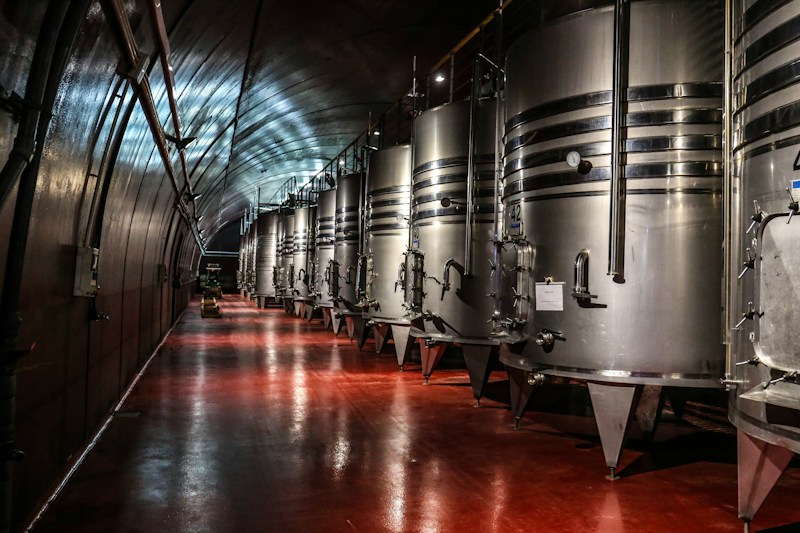
Stainless steel – The clear, fresh dialogue
In stainless steel tanks, everything remains as the vineyard intended: cool, precise, fresh.
This style highlights:
- citrus notes like lemon, lime, grapefruit peel
- crisp pear and apple aromas
- a clear, unadulterated acidity structure
The result: wines that are light to medium-bodied, easy to drink and perfect as an aperitivo. This is the dominant style in Northern Italy and in many German Grauburgunder wines. You drink them young, while they are still full of energy – like a fresh morning when the air is still cool and all possibilities lie ahead of you.
Oak barrels – The gentle, warm tale
When Pinot Gris is aged in oak barrels, the picture changes. The wood – often large, used casks or subtly employed barriques – acts like a soft filter, rounding off edges and adding new nuances.
This style emphasizes:
- volume and texture: the wine feels creamier, denser
- delicate toasty notes, nuances of vanilla, toast, nuts
- a harmonious acidity that appears a touch softer
You’ll find such interpretations especially in Elsass and among ambitious Grauburgunder producers in Deutschland. They feel like a perfectly tailored, elegant coat in autumn: warming, caressing, yet never oppressive. These wines can handle aging, grow more complex and are wonderful with richer dishes.
Between the worlds – Lees aging and playing with texture
Some winemakers take things a step further and leave Pinot Gris on its fine lees for an extended period. This brings:
- additional creaminess
- a lightly bready, yeasty aroma
- more depth without necessarily using oak
This is how wines are created that combine the freshness of stainless steel with the richness of oak – an exciting variation for anyone seeking new facets in this supposedly “simple” grape variety.
---
3. Pairing recommendations: The perfect partner
Pinot Grigio / Pinot Gris is a true team player at the table. Its moderate acidity, light to medium body and fine fruit make it extremely versatile.
| Gericht | Wein-Stil | Warum es funktioniert |
|---------------------------------|----------------------------------------|----------------------------------------------------------------------------------------|
| Linguine mit Garnelen & Zitrone | Leichter, im Stahltank ausgebauter Pinot Grigio aus Norditalien | The citrusy freshness of the wine mirrors the lemon notes in the dish, the acidity cuts through the delicate sweetness of the seafood and keeps the palate lively. |
| Flammkuchen mit Speck & Zwiebeln | Mittelkräftiger Grauburgunder, teilweise im Holz ausgebaut | The creamier texture and pear aromas cushion the salty savouriness of the bacon, while the acidity balances the fat and ties together the smoky and toasty flavours. |
| Gebratene Entenbrust mit Birne & Mandeljus | Kräftiger Pinot Gris aus dem Elsass, leicht holzbetont | The richness and almond notes of the wine pick up on the sauce, its ripe fruit plays with the pear, and the structure is strong enough to stand up to the duck. |
---
4. FAQ – 10 questions for Pinot Grigio / Pinot Gris lovers
❓ 1. Is Pinot Grigio the same as Pinot Gris?
At heart: yes. They are the same grape variety, but the names usually hint at the style. “Pinot Grigio” often stands for lighter, fresher, citrus-driven wines (especially from Italy), while “Pinot Gris” points to fuller, more complex versions, for example from Elsass or Oregon. In Deutschland, you know the grape as Grauburgunder or more rarely Ruländer.
---
❓ 2. Is Pinot Grigio always dry?
Most of the time, yes – especially the common Pinot Grigio wines from Northern Italy and many Grauburgunder wines from Deutschland are dry. But in particular in Elsass you’ll find Pinot Gris with subtle residual sweetness or even noble sweet styles. Here, sweetness is often used deliberately to underline richness and aroma.
---
❓ 3. What is the ideal serving temperature?
For light, fresh Pinot Grigio: 8–10 °C – nicely chilled, but not ice cold, so the aromas can unfold.
For more powerful Pinot Gris from Elsass or oak-influenced Grauburgunder: 10–12 °C. Too cold and they seem closed, too warm and they lose their elegance.
---
❓ 4. How long can I cellar Pinot Grigio / Pinot Gris?
The simple, light versions are made for right now: 1–3 years after harvest is ideal.
Powerful Pinot Gris from Elsass or high-quality Grauburgunder with structure and perhaps oak can age 5–10 years and longer. They develop notes of honey, nuts and dried fruits.
---
❓ 5. How can I tell whether a bottle is light or full-bodied?
A few clues:
- Origin: Northern Italy → usually lighter; Elsass or specific single-vineyard indications → tend to be fuller.
- Alcohol: around 12% → more on the light side; significantly above (13–14%) → usually richer.
- Back label: terms like “Holzfass”, “Barrique” or “Feinhefelager” point to more structure and creaminess.
---
❓ 6. Does Pinot Grigio / Pinot Gris only go with fish and light dishes?
Not at all. The lighter versions are indeed great partners for fish, salads and light pasta dishes, but powerful Pinot Gris or substantial Grauburgunder can shine with poultry, veal, creamy sauces and even duck or pork. The key is choosing the right style.
---
❓ 7. Why does Pinot Grigio sometimes taste “neutral” or boring?
Pinot Grigio is a variety that reacts very sensitively to yields and winemaking. If too much is harvested and the focus is purely on quantity, the wines can indeed seem thin and bland. If you specifically look for estate-bottled wines, lower yields per hectare and certain origin indications (e.g. single-vineyard wines, higher quality levels), you’ll discover its exciting, multi-layered side.
---
❓ 8. Does Pinot Grigio / Pinot Gris have high acidity?
Its acidity is usually medium – clearly noticeable but not as racy as in Riesling or Sauvignon Blanc. That’s what makes it so approachable: fresh but not aggressive, juicy but not piercing. Ideal if you love wines with balance.
---
❓ 9. Are there orange or skin-fermented versions of Pinot Grigio / Pinot Gris?
Yes, and they are fascinating. Thanks to its pinkish-grey skins, Pinot Grigio is very well suited for maceration wines or “orange wines”. Longer skin contact can lead to copper or onion-skin hues in the glass, with more intense aromas of tea, spices and dried fruits. This is the experimental, wild side of a grape that is otherwise so polite.
---
❓ 10. For whom is Pinot Grigio / Pinot Gris the perfect gateway wine?
For anyone seeking lightness without triviality. If you like dry white wines but are not a fan of overly sharp acidity or very loud aromatics, Pinot Grigio / Pinot Gris is like a friendly companion taking you by the hand. It’s the wine that welcomes you after a long day without asking questions – and yet has enough character to captivate you in the long run.
---
Pinot Grigio / Pinot Gris is not a loud star that hogs the spotlight. It is more of a subtle storyteller that draws you, glass by glass, into its world. From a zesty aperitivo on the piazza to a fragrant evening with Flammkuchen, all the way to a festive autumn feast – this shape-shifter always finds the right tone. If you give it a little attention, it will reward you generously – in lemon light, pear fragrance and a touch of almond poetry in your glass.