![[Meersänger] Albariño: The Tamed Atlantic Breeze in Your Glass](https://images.unsplash.com/photo-1566754436808-0fddc0c0c4c6?w=800)
[Meersänger] Albariño: The Tamed Atlantic Breeze in Your Glass
Albariño tastes like horizon and sea breeze in a glass – salzig, zitrisch, vibrierend und wie geschaffen für Meeresküche.
[Meersänger] Albariño: The Tamed Atlantic Breeze in Your Glass
---
2. INTRODUCTION
Dear wine lovers,
some grape varieties taste like a landscape – but Albariño tastes like a horizon. Like salty air, like windswept coasts, like sunbeams that get caught in the mist before they kiss the sea. Albariño is like a sea breeze that got lost in a grape, born between Atlantic fog and Galician sun.
When you swirl a glass of Albariño, you see a pale golden glow with green reflections – like glimmers of light on the waves off the rugged coast of Rías Baixas. On the nose, lime and green apple peel, white peach and a hint of lemon dance around. Hovering above is a fine floral scent, a cool trace of mint – and again and again this elusive touch of sea salt, as if the ocean itself had a hand in the must. On the palate, Albariño is lively, taut and yet sensual, with high, vibrating acidity and a medium body that never tires, but always invites you back for the next sip.
Albariño isn’t a wine you merely drink – you listen to it. It tells of granite soils that store the sun during the day and release it again at night, of rain that soaks the hills, of wind that dries the grapes and concentrates them. Every sip is a short walk along the Galician coast, barefoot, with salt on your lips and the roar of the waves in your ears.
---
1. The Globetrotter in the Glass: Where Albariño Calls Home
Albariño is deeply rooted in Galicia, in the northwest of Spain. There, where the land suddenly ends and the Atlantic begins, this variety finds its true voice. Yet, like any fascinating character, it shows different facets in different regions – sometimes saltier, sometimes fruitier, sometimes more serious, sometimes more playful.
Rías Baixas – The Cradle of the Sea Breeze
Rías Baixas is the heartland of Albariño, the icon, the blueprint. Here, the vines often grow on pergola-like trellises (Parras), high above the ground so the wind can dry them and the Atlantic humidity can’t harm them.
The style:
- Very high, lively acidity
- Pronounced aromas of lime, green apple, lemon and white peach
- Clearly perceptible salty, almost maritime note
- Light to medium in body, often crystal-clear and precise
An Albariño from Rías Baixas is like a sailing trip in a glass: fresh, energetic, with spray in your face and a smile that stays.
Monterrei – The Sun-Drenched Sister
Monterrei, further inland and further south, is warmer and drier than the coastal sites. Here, Albariño shows a slightly rounder, riper side without giving up its freshness.
The style:
- More fruit-driven, with riper white peach and juicy green apple
- Acidity that feels a touch softer, yet still clear and lively
- Less pronounced salinity, in return more creaminess and weight
- Sometimes delicate floral notes and a hint of exotic fruit
Monterrei Albariño is like a late summer afternoon: the sun is low, the air is warm, and everything feels a little softer and more golden.
Ribeira Sacra – Steep Slopes, Fine Nuances
Ribeira Sacra, with its dramatic steep terraces along the Miño and Sil rivers, is famous for red wines, but Albariño also finds its niches here. In this cooler region, shaped by higher altitudes, ripeness often remains more moderate, the acidity vibrant, the aromas finely etched.
The style:
- Crisp acidity, very clear and linear
- Cool citrus notes (lime, lemon), fine green apple
- Floral hints and an almost stony-mineral note
- Slender body, elegant, sometimes almost understated
Albariño from Ribeira Sacra feels like a conversation in a whisper – but every word hits home.
Ribeiro – The Rebel in White Robes
Ribeiro, in the catchment area of the Miño river, is an old wine region with a mix of varieties. Albariño often appears here in blends, but varietal wines show a distinctive character.
The style:
- Pronounced freshness, but with a slightly creamier texture
- Aromatically poised between citrus, white peach and floral notes
- Sometimes lightly herbal (mint, lemon balm)
- Hints of sea salt and wet stone, elegantly interwoven
Ribeiro Albariño is like a jazz piece: familiar notes, but with improvised interludes that surprise.
Valdeorras – The Quiet Promise
Valdeorras, further east, is best known for Godello, but Albariño plays a small yet fine role here. The continental climate with Atlantic influence brings wines that unite structure and freshness.
The style:
- Marked acidity, medium body
- Lemon, green apple and occasional white stone fruit
- Subtle minerality, more stony than salty
- Clear, focused, with good aging potential when carefully made
Albariño from Valdeorras is like a quiet observer at the edge of the stage – not in the spotlight, but with depth if you give it your attention.
---
2. Between Steel and Oak: How Winemaking Shapes Albariño
Albariño is like a gifted singer: its natural voice is so clear and expressive that it doesn’t really need elaborate stage sets. And yet the way it’s made – stainless steel or oak – can make its melody sound completely different.
In Stainless Steel – The Pure Atlantic Breeze
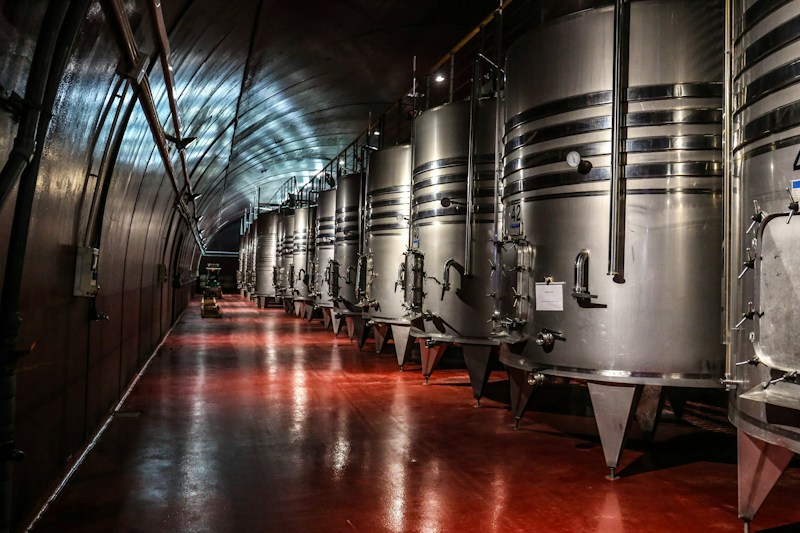
The classic way of making Albariño is in stainless-steel tanks. Everything stays fresh, precise and unadorned. Stainless steel preserves the high acidity, the citrus aromas and the salty clarity of the variety.
Sensory profile in stainless-steel-aged Albariño:
- Dominant notes of lime, lemon and green apple
- White peach more delicate, as a subtle undertone
- Crisp, razor-sharp acidity that wakes up your palate
- A salty feel on the palate, as if you were licking a seashell
- Light to medium body, crystal-clear and linear
These wines are like a jump into cold seawater: invigorating, refreshing, liberating. Perfect as an aperitif, with light dishes, on warm days – or to brighten a rainy one.
In Oak – The Lyrical Albariño
Oak and Albariño is a liaison that calls for a delicate touch. Albariño has a subtle, clear aromatic profile that can easily be overwhelmed. But when handled with care – mostly with used barrels or large casks – a new, creamy dimension emerges.
Sensory profile in oak-aged Albariño:
- The fruit remains, but becomes riper: white peach, some yellow apple
- Citrus notes take a step back, becoming creamier, almost like lemon curd
- Acidity feels less sharp, more integrated and mouth-filling
- Texture gains depth: creamier, rounder, with a fine, silky feel
- Subtle notes of bread crust, a whisper of vanilla or nuts may appear (depending on the barrel)
These Albariños are no longer seaside strolls, but long dinner evenings by the sea – candlelight, conversations that never seem to end, plates calling for more, and a wine that keeps up effortlessly.
---
3. Pairing Suggestions: The Perfect Partner
Albariño is one of the most versatile food wines you can find in the white world. Its high acidity, medium body and interplay of fruit, flowers and sea salt make it a dream partner for anything that comes from the ocean – and far beyond.
| Gericht | Wein-Stil | Warum es funktioniert |
|-------------------------------------------|------------------------------|---------------------------------------------------------------------------------------|
| Galicische Pulpo-Tapas (Pulpo á la Gallega) | Stahltank-Albariño aus Rías Baixas | Die salzige Frische und Limettenaromen betonen die Süße des Oktopus und schneiden durch Paprikaöl und Olivenöl. |
| Gegrillter Wolfsbarsch mit Kräutern und Zitrone | Holzfass- oder teilholzgereifter Albariño | Der etwas vollere Körper und Schmelz umarmen das zarte Fischfleisch, während die Säure für Leichtigkeit sorgt. |
| Sushi & Sashimi (Thunfisch, Lachs, White Fish) | Frischer Stahltank-Albariño, jung | Die hohe Säure reinigt den Gaumen, die Zitrus- und Meersalznoten harmonieren perfekt mit Sojasauce, Wasabi und rohem Fisch. |
---
4. FAQ – 10 Questions for Albariño Lovers
❓ 1. What sets Albariño apart from other white wines like Riesling or Sauvignon Blanc?
Albariño combines the crisp, high acidity of Riesling with a maritime, salty note that you rarely find in Sauvignon Blanc. While Sauvignon often recalls gooseberry, cassis and herbs, Albariño is more citrus-driven (lime, lemon), more apple-focused, with white peach, floral notes and an unmistakable touch of sea salt. It often feels a bit rounder in body than a bone-dry Riesling, yet more structured than many simple Sauvignons.
---
❓ 2. Do I really taste “sea salt” in Albariño?
You’re not literally drinking salt, of course, but the wine conveys a salty mouthfeel – a kind of mineral, saline freshness along the edges of your palate and on your lips. This comes from soil, climate and proximity to the Atlantic: salty air, cool winds and the specific influence of the soils. This salty finish is one of the loveliest hallmarks of a good Albariño.
---
❓ 3. Is Albariño always dry?
As a rule, yes. Albariño is predominantly made dry, with very little or no residual sugar. Thanks to its high acidity, it can still feel juicy and fruity without being sweet. Noble-sweet or off-dry versions are extremely rare and tend to be experimental one-offs from individual producers.
---
❓ 4. How should I drink Albariño – what’s the ideal serving temperature?
Albariño shows its best at 8–10 °C (46–50 °F). Too cold (straight from the freezer compartment) and you lose the delicate aromas of blossoms, peach and mint. Too warm and the acidity dominates, making the wine feel heavier. So: nicely chilled from the fridge, then give it a few minutes in the glass to breathe – and watch how it opens up.
---
❓ 5. How long can you age Albariño?
Most Albariños are made to be enjoyed within 2–4 years of the vintage, when they shine with freshness and dancing acidity. However, high-quality, strongly structured examples – sometimes with some oak aging or extended lees contact – can gain for 5–8 years, sometimes longer. They develop more complex nuances: hints of honey, dried citrus peel, almonds, without losing their soul.
---
❓ 6. Is Albariño only for fish and seafood?
Not at all. Naturally, it’s almost unbeatable with seafood – as if it were born for it. But its high acidity and medium body also make it brilliant with: light pasta dishes, vegetarian plates with lemon and herbs, poultry in lighter preparations, Asian cuisine (sushi, light Thai dishes), even fresh goat’s cheese. The key is that the dish shouldn’t be too heavy, fatty or aggressively spiced.
---
❓ 7. What do the different subregions in Rías Baixas mean for the taste?
Rías Baixas is divided into several subzones (e.g. Val do Salnés, O Rosal, Condado do Tea). Roughly speaking:
- Val do Salnés produces very maritime, salty, citrus-driven wines – often the most “classic” Albariños.
- O Rosal sometimes shows slightly riper fruit, floral tones and more weight.
- Condado do Tea is somewhat warmer, with a fruitier profile and more powerful body.
All share Albariño’s signature, but each zone tells its own little story.
---
❓ 8. How do I spot a good Albariño on the shelf?
Look for:
- Origin: Rías Baixas is a safe bet, but Monterrei, Ribeiro & co. are exciting too.
- Vintage: For fresh styles, avoid bottles that are too old (1–3 years is ideal).
- Producer: Winemakers who focus on low yields and careful hand harvesting often mention it proudly on the label.
- Price: A very good Albariño usually starts in the mid-price range. Too cheap is often too bland; if it’s expensive, there should be a special origin or winemaking method to justify it.
If you’re unsure: anything that clearly states “Rías Baixas DO” and “Albariño” and isn’t the absolute bargain-basement option is a good starting point.
---
❓ 9. Is Albariño a good gateway wine for people who “don’t like white wine”?
It can be – especially if someone finds white wine “too heavy”, “too boring” or “too sweet”. Albariño is dry, light to medium in body, extremely fresh and with an aromatic clarity that wins people over. Those who don’t like acidity at all may need some time. But many who fall in love with Albariño do so after the first glass on a warm evening by the sea – or at least with a bowl of mussels in front of them.
---
❓ 10. Is Albariño made outside Spain as well?
Yes. In Portugal the variety is called “Alvarinho” and plays a major role in Vinho Verde (Monção e Melgaço) – often interpreted a bit differently, sometimes with a light spritz of carbonation. In addition, some producers overseas (e.g. California, Uruguay, Australia) plant Albariño. These versions are often more fruit-driven, warmer in character and less salty, but still exciting. Still, if you want to understand the soul of Albariño, you’ll want to start where the Atlantic shakes the shores of Galicia.
---
Take your time with your next glass of Albariño. Hold it up to the light, breathe in deeply, and listen to what it has to say. Between lime and green apple, white peach, floral notes, mint and sea salt lies an entire coastline – and perhaps a new favourite wine.

![[Atlantikflüstern] Alvarinho: Die salzige Seele des grünen Nordens](https://images.unsplash.com/photo-1566995541428-f2246c17cda1?w=800)
![[Meeresklinge] Arinto: Die salzige Seele Portugals im Glas](https://images.unsplash.com/photo-1568213214202-3e582bc02fd5?w=800)