Nebelkind Encruzado: The White Soul of Dão in Your Glass
Encruzado ist die leise weiße Seele des Dão: kristallklar, mineralisch, wandlungsfähig – und noch immer ein Geheimtipp für Entdecker.
Nebelkind Encruzado: The White Soul of Dão in Your Glass
Dear wine lovers,
some grape varieties burst into our lives like a loud chord – others slip in like a gentle morning mist. Encruzado belongs to the second kind. It’s not a diva that demands attention with grand gestures, but a quiet seductress that draws you deeper into its world with every sip. A world of granite, pine trees and cool light brushing across Portuguese hills.
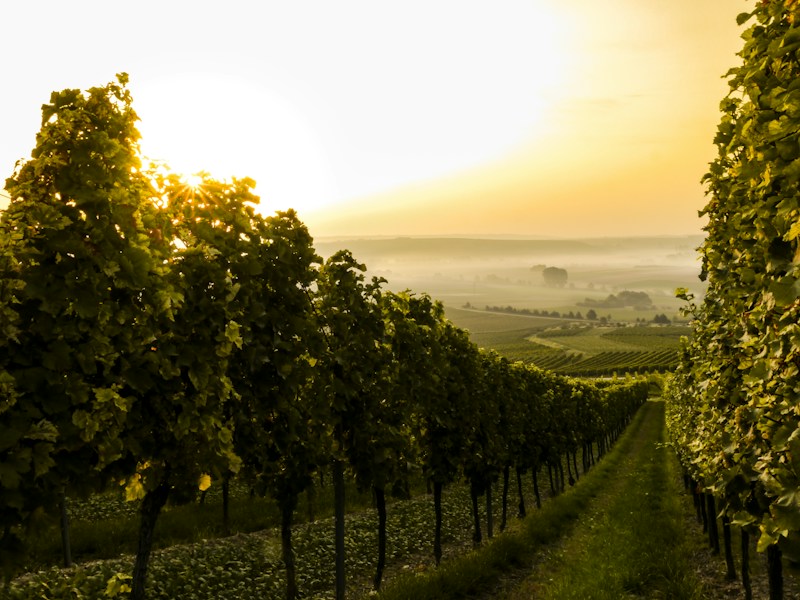
Encruzado is like a cool morning in Dão, when the fog still hangs between the pines and the vines breathe softly. In the glass it shimmers pale gold with greenish reflections, like sunlight dancing over granite rocks. On the nose, lemon blossom and white peach unfold, a hint of grapefruit, herbs, hay flower and a quiet whisper of pine resin – as if the Atlantic wind were blowing through pine forests, grazing citrus groves on its way. On the palate it is precise yet tender, medium-bodied, carried by high, crystal-clear acidity and a salty, mineral line that speaks of the resistance of the mountains.
What makes Encruzado so special is its paradox: it is delicate and powerful at the same time, fragrant yet serious, approachable yet profound. In its youth it feels like a fresh mountain stream – lively, cool, crystal clear. With some bottle age it gains creaminess and depth, developing notes of dried herbs, almonds, hay and wet stone. It is the poetic translation of the Portuguese north into the glass – and one of Europe’s most exciting white grape varieties, which has spent far too long in the shadows.
---
1. The Globetrotter in the Glass: Where Encruzado Lives
Encruzado may be a globetrotter in the glass, but its true home is clearly defined: in the heart of Portugal. From there it has begun to push into other regions, showing different faces along the way.
Dão – The Mystical Cradle
Dão is the birthplace and spiritual center of Encruzado. Nestled between granite mountains, framed by pine and eucalyptus forests, it enjoys cool nights and mild days – a paradise for this variety.
In Dão, Encruzado often shows itself at its purest:
- Style: elegant, mineral, medium-bodied
- Aromas: lemon blossom, white peach, grapefruit, herbs, wet stone, hay flower
- Mouthfeel: taut, salty vein, high acidity, fine texture
Here you can feel the granite soils, the cool breeze, the morning fog in the wine. The wines are precise and at the same time deeply touching – like a clear melody that resonates for a long time. Many of the greatest, longest-lived Encruzados come from here.
Lafões – The Quiet Outsider
Lafões, a small, lesser-known area between Dão and Vinho Verde, is like an in‑between space – and you can sense exactly that character in its Encruzado.
- Style: even cooler, lighter, often very fresh
- Aromas: citrus-driven, lively, with fresh herbal spice
- Mouthfeel: very tight acidity, almost piquantly stimulating
In Lafões, Encruzado sometimes feels like a mountain spring on a hot day: invigorating, no-frills, clear. The wines are often not as powerful as in Dão, but wonderfully refreshing and perfect for everyone who loves chiselled, light white wines.
Lisboa – Atlantic in Its Veins
Around Lisbon, in the Lisboa region, Encruzado meets the breath of the Atlantic. The wind blows stronger here, the light is harsher, and the sea is never far away.
- Style: salty, cool, with a tangible maritime influence
- Aromas: citrus fruits, grapefruit, herbs, subtle hay flower, more sea salt than pine resin
- Mouthfeel: linear, fresh, maritime
In Lisboa, Encruzado mirrors the coast: brighter, more windswept, with a distinctive, salty freshness. These wines are outstanding partners for fish and seafood – they taste as if they were carrying the sea in their luggage.
Tejo – Sunlight and Generosity
Further inland, along the Tejo river, Encruzado reveals a sunnier, slightly more generous side. The climate is warmer, the days longer and hotter – and that leaves its mark.
- Style: more fruit-forward, rounder
- Aromas: white peach, riper citrus fruits, floral notes, subtle herbal hints
- Mouthfeel: softer, fuller, a little less taut than in Dão
In Tejo, Encruzado becomes a gentle storyteller: less austere and mountainous, more riverbank and golden late afternoons. The wines are more accessible, caressing and often ideal for newcomers to the world of this grape.
---
2. Between Steel and Oak: How the Cellar Shapes Its Destiny
Encruzado is a variety with an astonishing talent for transformation. It’s like an actor who can shine in very different roles – and the stage it plays on is the cellar. Above all, the choice between stainless steel tank and oak cask determines which face you experience in the glass.
Stainless Steel – The Crystal-Clear Truth
In stainless steel, Encruzado remains entirely itself. No vanilla, no toast, no wood aromas pushing to the fore. Just the pure, unadorned fruit and the mineral vein of the variety.
- Aromatics:
- lemon blossom, grapefruit, white peach
- fresh herbs, wet stone, delicate hay flower
- Structure:
- light to medium texture
- high, lively acidity
- cool, taut line
Stainless-steel Encruzado tastes like the morning before the sun has fully risen: clear, fresh, transparent. Ideal if you want to discover the pure, precise side of the variety without distraction.
Oak – The Gentle Inner Warmth
Encruzado has a remarkable talent: it tolerates oak almost as confidently as great Chardonnay – only in its very own, more restrained way. In barriques or large oak casks it gains depth and texture without losing its cool soul, provided the winemaker works with a light hand.
- Aromatics:
- riper white peach, sometimes subtle yellow fruit
- hay flower, dried herbs
- fine nut or almond nuances
- gentle pine resin, sometimes a hint of smoke
- Structure:
- fuller, creamier, with more smoothness
- acidity remains high but feels better integrated
- long, finely spicy finishes
Well-judged oak broadens the wine, wrapping a warm scarf around it without weighing it down. An oak-aged Encruzado can age astonishingly well and develop fascinating complexity over the years – with dried herbs, honeyed nuances, nutty notes and always that salty, stony depth.
The Tension in the Glass
- Steel highlights: freshness, clarity, citrus, minerality
- Oak highlights: texture, depth, ageing potential, spicy complexity
Both styles have their own magic. One is like a clear mountain lake, the other like a crackling fireplace after a long hike. And sometimes – in skilfully composed blends of steel- and oak-aged components – you get both: the clarity of the morning and the warmth of the evening in a single glass.
---
3. Pairing Suggestions: The Perfect Partner
Encruzado is a master of understatement, but at the table it truly blossoms. Its high acidity, medium body and herbal-mineral notes make it a brilliant food partner – especially if you love salty, herb-driven or slightly creamy dishes.
| Dish | Wine Style | Why It Works |
|--------|-----------|------------------------|
| Grilled sea bass with lemon olive oil and fresh herbs | Stainless-steel Encruzado from Dão or Lisboa | The salty, mineral freshness of the wine mirrors the sea in the fish, the high acidity cuts through the olive oil, while citrus and herbal notes walk hand in hand with marinade and herbs. |
| Risotto with green asparagus, lemon zest and Parmesan | Partially oak-aged Encruzado from Dão | The medium body and gentle creaminess of the oak-aged wine embrace the richness of the risotto. The acidity keeps the dish lively, citrus and herbs in the wine echo asparagus and lemon zest, while nutty maturation tones pair beautifully with the Parmesan. |
| Roast chicken with garlic, rosemary and potatoes from the oven | Oak-aged Encruzado from Tejo or Dão | The herbal spice of the dish finds its echo in the hay-flower and herbal notes of the wine. The medium body and subtle fullness support the roasted flavours of the chicken, while the acidity keeps everything in balance and prevents it from feeling heavy. |
---
4. FAQ – 10 Questions for Encruzado Lovers
❓ 1. What makes Encruzado so special compared to other white varieties?
Encruzado combines crystal-clear, high acidity with a medium, sometimes almost creamy body and a striking mineral vein. It can be both fragrant and citrusy as well as deep and spicy, and it tolerates oak remarkably well without losing its freshness. This balance of elegance, structure and complexity makes it unique.
❓ 2. Is Encruzado more for beginners or for seasoned wine drinkers?
Both. A young Encruzado aged in stainless steel is approachable, refreshing and easy to understand – perfect for curious beginners. More complex, oak-aged and matured versions appeal more to experienced wine lovers who enjoy diving into layers of aroma.
❓ 3. What does a typical Encruzado taste like?
You can expect aromas of lemon blossom, white peach, grapefruit and fresh herbs. Added to this are notes of hay flower, wet stone and sometimes a fine touch of pine resin. On the palate it is medium-bodied, with high, lively acidity and a salty, mineral note that lingers long.
❓ 4. Can Encruzado be aged in oak without becoming heavy?
Yes, and that is one of its great strengths. Well-made oak-aged Encruzados remain cool, precise and balanced. The oak adds texture, gentle spice and ageing potential without making the wine fat or clumsy – provided the use of oak is cautious and not dominated by new barrels.
❓ 5. How long can I cellar Encruzado?
Young, steel-driven wines are best enjoyed within 2–4 years if you want to experience their freshness and citrus brightness. High-quality, oak-aged Encruzados from Dão, however, can age for 8–10 years and longer. Over time they develop notes of dried herbs, almonds, honey and hay, but usually retain their lively acidity.
❓ 6. What food does Encruzado pair best with?
It’s a dream with fish and seafood, especially grilled fish, shellfish or squid. It also works beautifully with Mediterranean herb-driven dishes, oven-roasted poultry, risotto, light meats and lightly aged cheeses. The combination of acidity, herbal spice and minerality gives it great culinary versatility.
❓ 7. Is Encruzado always bottled as a single-varietal wine?
Not always, but often. Many top wines from Dão are pure Encruzado. At the same time, it is also frequently used in blends, for instance to contribute freshness, structure and minerality. In some Portuguese white wines, Encruzado is like the quiet backbone that holds everything together.
❓ 8. At what serving temperature does Encruzado show its best side?
For young, fresh Encruzados, around 8–10 °C is ideal. This is when they appear crystal clear and invigorating. More complex, oak-aged examples should be served at 11–13 °C so that their spicy, nutty and hay-flower nuances can unfold. Served too cold, they lose depth.
❓ 9. Are there stylistic differences between Encruzado from Dão and those from Lisboa or Tejo?
Yes. Dão usually stands for mineral, structured, often ageworthy Encruzados with clear, mountain-like freshness. Lisboa, thanks to Atlantic influence, brings more salty, maritime accents and crisp citrus fruit. Tejo, by contrast, tends to produce rounder, more fruit-driven, sunnier wines that are often accessible earlier.
❓ 10. Why is Encruzado still so little known outside Portugal?
Encruzado is still something of an insider tip because the planted area is relatively small and Portugal has long been perceived more for its red wines. But importers and sommeliers worldwide are slowly discovering this fascinating variety. If you discover it for yourself now, you’re something of a pioneer – and you can tell your friends about the white soul of Dão before it becomes the next big name.
---
Next time you have a Portuguese white in your glass that smells of lemon blossom, herbs, hay flower and wet stone, take a moment. Close your eyes. Listen to the quiet story it tells – of granite soils, morning fog and pines rustling in the wind. It might well be Encruzado speaking to you.