[Meeresklinge] Arinto: The Salty Soul of Portugal in Your Glass
Arinto ist Portugals salzig-zitrische Meeresbrise im Glas – lebendig, mineralisch und voller Tiefe, vom Atlantik geküsst.
[Meeresklinge] Arinto: The Salty Soul of Portugal in Your Glass
Dear wine lovers,
there are grape varieties you drink – and there are grape varieties you experience. Arinto undoubtedly belongs to the second category. It is no loud star, no flashy show act in the spotlight, but the cool, unmistakable breeze that strokes the back of your neck on a hot summer’s day and lets you breathe again. Arinto is like a sea breeze caught inside a grape: a bright straw-yellow shimmer in which the sun of the Atlantic trembles.
In the glass it recalls a lemon grove at dawn, when the air is still fresh and the day is just unfolding its wings: lemon, lime, green apple, a hint of white blossom, plus a suggestion of sea salt and wet stone – as if the wind were blowing straight up from the Tejo. On the palate, it is taut and vibrant, a slender blade of citrus and minerality, high in acidity yet never cutting, instead invigorating, awakening. Behind all this freshness lies a quiet depth, a whisper of herbs and maturity just waiting to be discovered.
Arinto is Portugal’s answer to the question: “What do light, wind, and water taste like in a single sip?” Let’s dive together into this salty, citrusy, vibrating world – and peel back the layers of personality of this fascinating grape variety, one by one.
---
1. The Globetrotter in the Glass: Where Arinto Feels at Home
Arinto is deeply rooted in Portugal, yet within this country it shows many faces – depending on how close it comes to the sea, the rivers, or the cool hillsides. It always remains Arinto, always fresh, always alive – but its nuances dance to the rhythm of the terroir.
Bucelas – The Classic Homeland
Bucelas, located north of Lisbon, is something like the birthplace of the Arinto legend. Here, in a cool valley caressed by sea breezes, Arinto shows its purest, clearest form.
The wines from Bucelas are:
- taut, citrus-driven and mineral
- dominated by lemon, lime and green apple
- marked by a distinctive, almost “electric” acid spine
The minerality recalls wet stone after a summer rain; white blossoms join in, along with a precise, linear structure. Bucelas Arinto wines are like freshly sharpened pencils – clear, focused, and with enormous aging potential. With a few years in bottle they often develop honeyed notes, nutty nuances and a fascinatingly mature citrus fruit, without losing their freshness.
Vinho Verde – The Atlantic in a Glass
Further north, in the cool and rainy Vinho Verde region, Arinto meets lush hills, abundant rainfall, and the direct breath of the Atlantic. Here it is often called “Pedernã” – another name for the same grape variety.
In Vinho Verde, Arinto shows a youthful, exuberant face:
- extremely fresh, vibrant acidity
- crunchy green apple, lime, sometimes grapefruit
- often lightly sparkling (that spritzy Vinho Verde style)
- an even stronger sensation of sea salt, almost like salty spray on your lips
These wines are like jumping off a cliff straight into the sea: cool, shockingly refreshing, leaving you with a smile you can’t get rid of. Here, the joy of drinking is front and center – lightness, thirst-quenching character – without ever becoming trivial.
Lisboa – The Salty Bridge Between City and Sea
The broad Lisboa region, stretching along the Atlantic coast north of Lisbon, offers Arinto a varied home. Coastal sites bring the salty breeze; further inland it becomes warmer and just a little more generous.
Typical traits of Lisboa Arinto:
- lemon and lime notes combined with riper apple
- distinct but harmonious acidity
- a fine touch of sea salt and herbs (rosemary, lemon balm)
The wines feel inviting, accessible, less austere than in Bucelas, but still clear and firm. Lisboa Arinto is like an afternoon on a city beach: urban enough to feel alive, but with a view of the endless horizon.
Tejo – The Ripeness of the River
On the Tejo, the great river that lazily winds its way toward the Atlantic, Arinto encounters a somewhat warmer climate. Here the grapes can develop a little more sugar, a bit more fullness, without sacrificing their acidity.
Arinto from the Tejo often shows:
- riper citrus character, sometimes leaning toward mandarin
- yellow apple instead of purely green apple
- a slightly fuller, medium-bodied structure
- acidity that is present yet appears rounder
The river brings freshness, the sun gives volume – these wines are superb all-rounders: gastronomically versatile, charming, yet always with a clear vein of stone and citrus that never disappears.
Bairrada – Chalk, Depth and Structure
In Bairrada, home of great Baga reds, Arinto proves that it can also shine in serious, structured white wines. The calcareous soils and cooler climate create a stage for complexity and aging potential.
Bairrada Arinto:
- pronounced minerality, almost chalky
- firm acidity reminiscent of great European cool-climate whites
- aromas of lemon, lime zest, green apple, herbs (thyme, lemon verbena)
- often with potential for barrel aging and long maturation
These are wines that want to speak, not just refresh. They demand attention, air, time in the glass – and reward you with depth and structure.
---
2. The Art of Freshness: How Winemaking Shapes Arinto
By nature, Arinto is a wine of freshness: medium-bodied, high in acidity, citrusy, salty, mineral. Like a sculptor with a block of marble, winemakers work with this structure and decide: should the wine remain pure and radiant – or gain contour through gentle maturation?
Stainless Steel – The Pure Sea Breeze
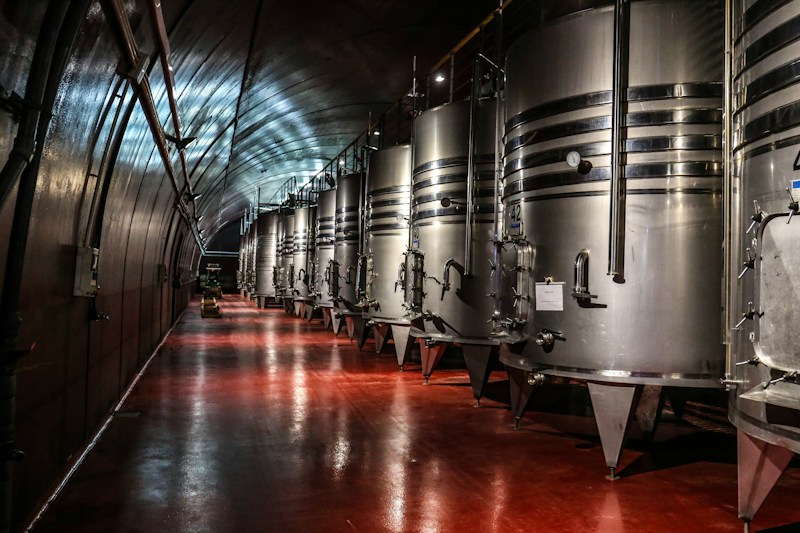
In stainless steel, Arinto stays entirely true to itself. No influence from oak, no vanilla, no toasty notes – just fruit, acidity, salt and stone.
This is how Arinto from stainless steel comes across:
- aromatically clear: lemon, lime, green apple, white blossom
- cool, straight, almost crystalline on the palate
- with razor-sharp yet refreshing acidity
- emphasizing the salty, mineral side
This style is ideal if you want to experience the “naked” character of the grape: like filling a glass directly with sea breeze. Bucelas, Vinho Verde and many wines from Lisboa and Tejo rely on stainless steel in order to capture exactly this vibrant, youthful style.
Oak – Gentle Maturity and Quiet Depth
Arinto possesses enough acidity and structure not only to tolerate aging in oak, but to make it genuinely exciting. Especially in regions like Bairrada or in ambitious projects in Lisboa and Tejo, you’ll find Arinto that has been partially or fully matured in barrel.
Oak aging shows itself like this:
- the citrus fruit becomes riper, often perceived as creamier
- notes of riper citrus, yellow apple, sometimes dried herbs emerge
- subtle aromas of brioche, nuts or fine vanilla may appear
- the acidity feels more integrated, the body fuller, the finish longer
Here the slender blade transforms into a finely honed sword: still precise, but with a silky surface. Oak-aged Arinto is a wonderful food companion, especially for more intense dishes, and impressively shows that this grape can do far more than just be a “summer wine.”
---
3. Pairing Recommendations: The Perfect Partner
Arinto is a dream for food pairing: its high acidity, salty streak and medium body make it a chameleon at the table – especially when sea and citrus come into play.
| Gericht | Wein-Stil | Warum es funktioniert |
|--------------------------------------|-----------------------------------|------------------------|
| Gegrillte Sardinen mit Meersalz & Zitrone | Arinto aus dem Stahltank (Bucelas oder Vinho Verde) | Die salzige Gischt im Wein spiegelt das Meer auf dem Teller. Die hohe Säure schneidet durch das Fett der Sardinen, Zitrusnoten verbinden sich mit der frischen Zitronengarnitur – ein purer Atlantik-Moment. |
| Zitronen-Risotto mit grünen Kräutern | Teilweise im Holz ausgebauter Arinto (Lisboa, Bairrada) | Die cremige Textur des Risottos braucht Struktur im Wein. Arintos Säure sorgt für Frische, die kräutrigen Noten und feine Holzreife schmiegen sich an die Kräuter und die buttrige Konsistenz des Gerichts. |
| Ceviche vom weißen Fisch mit Limette & Koriander | Jung, stahlausgebauter Arinto (Tejo, Vinho Verde) | Zitrone, Limette und Meersalz im Wein verstärken die Aromen der Marinade. Die straffe Säure trägt die rohen Fischaromen, macht jeden Bissen lebendiger und verlängert den frischen, zitrischen Nachhall. |
---
4. FAQ – 10 Questions for Arinto Lovers
❓ 1. What makes Arinto so special in terms of taste?
Arinto combines radiant citrus fruit (lemon, lime), crunchy green apple, delicate white blossom aromas and a distinctive, salty minerality. Its high acidity provides tremendous freshness and exciting structure. This makes it feel both as invigorating as a squeeze of lemon and as deep as a wet stone by the sea.
---
❓ 2. Is Arinto more of a summer wine or something for all seasons?
Arinto is perfect in summer – served cool, as a refreshing partner to light dishes. Thanks to its structure, and in oak-aged versions, it also becomes an ideal autumn and winter wine alongside creamy dishes, baked fish or poultry. You could say: summer in character, all-rounder in use.
---
❓ 3. How cold should I serve Arinto?
For young, stainless-steel-aged Arinto, 8–10 °C is ideal: cool, but not icy, so lemon, apple and blossom can unfold. For oak-aged or more mature bottles, 10–12 °C is optimal – a little warmer so the more complex aromas can show themselves.
---
❓ 4. Can Arinto age well?
Yes, surprisingly well. Top Arinto from regions like Bucelas or Bairrada can age for 5–10 years, sometimes even longer. Over time they gain honey and nut notes, becoming more complex without completely losing their freshness. The citrus fruit turns riper, often slightly waxy, and the minerality comes to the fore even more clearly.
---
❓ 5. How can I recognize Arinto in the glass when tasting blind?
Look for:
- pale to straw-yellow color
- intense citrus nose (lemon, lime), green apple
- often a hint of sea salt and wet stone
- very present but not aggressive acidity
- medium body with a relatively slender feel
If you think: “This is like a salty lemon breeze by the sea” – you’re very likely tasting Arinto.
---
❓ 6. Which other wines is Arinto stylistically similar to?
Depending on origin and winemaking, Arinto sometimes recalls:
- cool, stainless-steel-aged Riesling (for acidity and citrus)
- Alvarinho or other Vinho Verde grapes (for freshness and sea-salt notes)
- Chablis without oak (for minerality and firm structure)
Yet it always retains its own, subtly maritime fingerprint.
---
❓ 7. Does Arinto only pair well with fish and seafood?
Not at all. While it harmonizes perfectly with flavors of the sea, its freshness and medium body make it very versatile:
- with light starters, salads with citrus dressings
- with poultry and herbs and lemon
- with goat cheese or mild sheep’s cheese
- with vegetarian dishes featuring fennel, courgette or peas
Arinto is like a culinary catalyst: it makes many dishes feel lighter, more vibrant, more defined.
---
❓ 8. Which regions should I try if I want to get to know Arinto?
For a good overview I recommend:
- Bucelas for the classic, mineral-citrusy style
- Vinho Verde (as Pedernã) for the youthful, spritzy, sea-kissed face
- Lisboa or Tejo for accessible, gastronomic all-rounders
- Bairrada for structured, partly oak-aged, cellarworthy versions
With these four regions, you already have a little “Arinto world atlas” in your glass.
---
❓ 9. Is Arinto a good gateway grape for discovering Portuguese wine?
Absolutely. Arinto is clear, fresh, easy to understand in its aromatics, and available at many price points. For anyone wanting to approach Portugal, it is a direct, unadorned expression of its homeland: the Atlantic, the rivers, the cool slopes – all condensed into one grape.
---
❓ 10. How do I find a good Arinto in a shop?
Look out for:
- the regions mentioned (Bucelas, Vinho Verde, Lisboa, Tejo, Bairrada)
- vintage: younger for maximum freshness, slightly older for more complexity
- indications on the label: “Arinto” or, in Vinho Verde, sometimes “Pedernã”
- keywords like “fermentado em inox” (stainless steel) or “barrica” (oak) for your preferred style
And above all: don’t hesitate to try several. Arinto is a grape you don’t grasp in a single glass, but in a series of moments – each sip like a different wave on the same sea.
---
Arinto is more than a wine – it is a landscape. It smells of lemon trees, of white rock and of the salty breath of an ocean that is never entirely still. Next time you raise a glass and see Arinto shimmering inside, take a moment, breathe in deeply and listen: you just might hear the distant roar of the Atlantic.