Spring Poet Müller-Thurgau: The Quiet Soul of German Vineyards
A tender love letter to Müller-Thurgau – the gentle companion wine that whispers von Apfelblüten, Frühling und leisen Momenten im Glas.
Spring Poet Müller-Thurgau: The Quiet Soul of German Vineyards
Dear wine lovers,
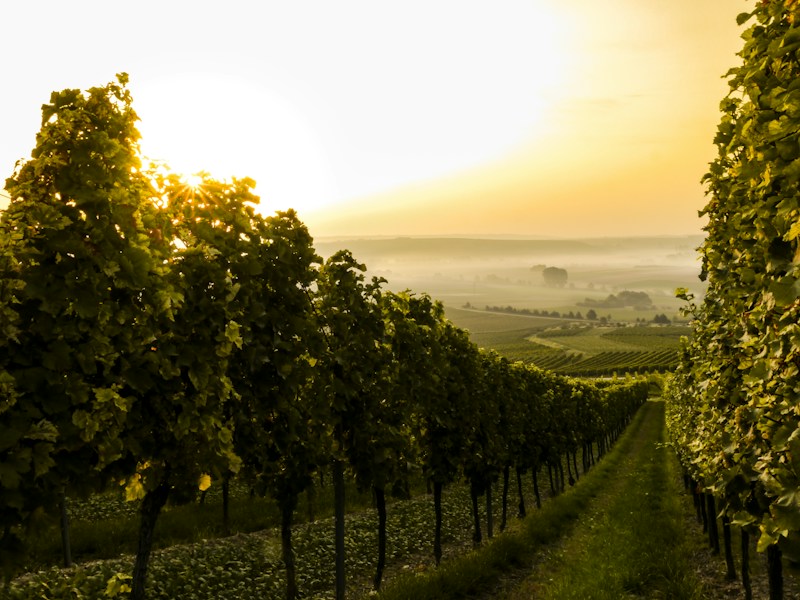
some grape varieties don’t arrive with drums and trumpets – they whisper. They tell their stories softly, in bright tones, with the restraint of an early morning when dew still lies on the vines and the day has not yet decided whether it wants to be loud or quiet. That’s exactly how Müller-Thurgau feels: like a silent promise in the glass, like the first ray of sunshine gently pushing aside the veils of mist over the hills.
This grape variety is no eccentric, no loudspeaker – it’s a companion. It doesn’t place itself in front of you, it stands beside you. Müller-Thurgau is the wine that takes you by the hand when you’re just entering the world of wine; yet it still understands you when you’ve long since become a connoisseur and are seeking something unhurried and honest. A wine that smells of green apple and pear, of white blossoms and a hint of nutmeg – like a walk through an old orchard in May while fresh hay is drying somewhere in the grass.
In the glass it shimmers pale yellow with a delicate green hue – like young foliage after a warm spring rain. On the palate it feels soft, gentle, almost friendly, with medium, cool but never piercing acidity. It’s not a high‑alpine run, more a stroll along the riverbank, barefoot in the grass. And it’s precisely in this gentleness that its deep beauty lies: Müller-Thurgau is a wine of nuances – quiet, yet full of feeling.
---
1. The Globetrotter in the Glass: Where Müller-Thurgau Makes Its Home
Müller-Thurgau is a genuinely German story – and yet it has long since set off on its travels. Its heart still beats between Rhein, Main and Mosel, where it reflects the landscapes and their people like a still lake mirrors the sky.
Rheinhessen – Gentle Rolling Hills in the Glass
Rheinhessen, the “land of a thousand hills”, is one of the most important homelands of Müller-Thurgau. Here, gentle swells of loess and limestone soils shape wines that are often very accessible: light, floral, with notes of green apple, pear and delicate citrus accents.
Müller-Thurgau from Rheinhessen feels like a friendly smile: uncomplicated, charming, with medium acidity and light body. Not a wine you need to decant for hours – more one you open spontaneously when friends ring the doorbell, when the terrace door stands wide open and the evening hasn’t yet decided how long it wants to last.
Baden – Sun-Warmth and a Hint of Nutmeg
Further south, in Baden, more hours of sunshine kiss the grapes. Here, Müller-Thurgau wines often develop a touch more ripeness: peach, riper pear, a delicate hint of nutmeg, sometimes almost slightly tropical, yet always wrapped in that soft, rounded character that is so typical of the variety.
Badischer Müller-Thurgau is like a late summer day, when the air lies warm on your skin and time seems to run a little more slowly. The medium acidity often feels even more integrated here, the wine becomes creamier without ever feeling heavy. An ideal partner for light vegetable dishes and gently spiced cuisine.
Pfalz – Fresh Breeze and Orchard in the Glass
The Pfalz, with its warm days and cool nights, often produces particularly fresh, fruit‑driven Müller-Thurgau wines. Picture an avenue of apple trees, next to it a basket of pale peaches, alongside a bouquet of white spring blossoms – that’s how Pfälzer Müller-Thurgau can smell and taste.
These wines are light, fresh, with juicy apple and citrus fruit and an extremely moreish drinkability. They’re the kind of wines that empty the glass before you notice, the kind where you suddenly realize that the bottle is already running low – accompanied by laughter and stories around the table.
Franken – Clarity, Structure and Coolness
In Franken, with its often cooler sites and striking soils, Müller-Thurgau shows a more serious, structured side. Bottled in the Bocksbeutel, it sometimes appears like a quiet traditionalist – yet in the glass it surprises: cool, clear fruit, often green apple and citrus notes, plus fresh hay and a fine, sometimes more angular acidity.
Müller-Thurgau from Franken is reminiscent of a fresh morning wind sweeping over the vine‑clad slopes: taut, straightforward, with more backbone. Perfect for anyone who expects more tension and clarity from this variety without wanting to forego its inherent accessibility.
Mosel – Lightness and Playful Aromatics
You’ll also find Müller-Thurgau on the Mosel, often in the shadow of its great brother Riesling – yet with a voice all its own. The wines are frequently very light in alcohol, delicate, with playful fruit: green apple, lemon, white blossoms, sometimes a hint of stone fruit.
Mosel Müller-Thurgau is like a quiet song echoing between slate walls in a half‑timbered village. The medium yet finely tuned acidity, combined with its lightness, makes it a wonderful wine for long afternoons when time seems gently stretched.
---
2. Between Steel and Wood: How Maturation Shapes Its Character
Müller-Thurgau is a delicate storyteller – and like any good storyteller, it needs the right space for its tale to resonate. In the cellar, it is above all two approaches that shape its style: maturation in stainless steel tanks and, more rarely, in wooden casks.
Stainless Steel – The Pure, Clear Spring Voice
The classic Müller-Thurgau lives in stainless steel. Stainless steel is neutral; it contributes no aromas of its own, no vanilla, no toast, no smoke. Instead, it preserves what the variety naturally brings: the scent of green apples, pear, white blossoms, a touch of nutmeg, lemon and peach.
Maturation in stainless steel means freshness, clarity, precision. The wine remains light, the acidity feels cool and invigorating, the fruit takes centre stage, the texture is slender and clean. These wines are like a freshly opened window in spring: the air is clear, the contours sharp, the impressions immediate.
For everyday enjoyment, as an aperitif, with light dishes, Müller-Thurgau from stainless steel is the ideal cast – unpretentious but not trivial, accessible but never dull.
Wooden Cask – A Gentle Frame, Not a Masquerade Ball
Maturation in wooden casks is rare for Müller-Thurgau and usually remains subtle. When wood is used, it is often large, used barrels that bring little overt aromatics, but instead contribute a softer texture, a bit more melt and perhaps a delicate hint of spice.
Here, the aim is not to mask the wine but to offer it a warm frame. The nutmeg note can appear somewhat rounder, the fruit less spritzy yet creamier, the mouthfeel denser. The acidity seems more integrated, less “cool”, more caressing.
Such wines are like a spring morning viewed through a lightly fogged‑up window: the contours are softer, the light more muted, the mood a little more contemplative, a little more mature. Perfect if you’d like to experience Müller-Thurgau in a more serious, almost meditative guise.
---
3. Pairing Recommendations: The Perfect Partner
Müller-Thurgau is a gifted team player. Its light body, medium, friendly acidity and delicate fruit make it a wonderful food companion in many situations where more powerful wines would dominate.
Here are a few inspiring combinations:
| Dish | Wine Style | Why It Works |
|---------------------------------|-----------------------------------|------------------------|
| Asparagus with sauce hollandaise | Fresh Müller-Thurgau from Rheinhessen or Pfalz, matured in stainless steel | The gentle acidity cuts elegantly through the buttery sauce, while the fine blossom and apple aromas underscore the green, slightly nutty character of the asparagus without overpowering it. |
| Light fish dish (e.g. trout “Müllerin”) | Fresh, dry Müller-Thurgau from Mosel or Franken | The light body and cool freshness harmonize with delicate fish; citrus and apple notes pick up the squeeze of lemon without turning metallic, and the moderate acidity keeps the palate clear. |
| Mildly spiced vegetable curry (e.g. coconut–mango curry) | Fine‑fruited Müller-Thurgau from Baden, perhaps with a touch of residual sweetness | The fruit (peach, pear, nutmeg) wraps itself around the exotic spices and gentle heat; a hint of residual sugar softens the chili, while the light body keeps the dish from feeling heavy. |
---
4. FAQ – 10 Questions for Müller-Thurgau Lovers
❓ 1. Is Müller-Thurgau a “simple” wine?
Müller-Thurgau is often underestimated because for a long time it was widespread as an uncomplicated tavern wine. Yes, it can be delightfully simple and approachable – and that is precisely its strength. But good producers show that it can also develop depth, finesse and character when it is given the necessary care in the vineyard and cellar. For this wine, “simple” doesn’t mean “insignificant”, it means “effortless to enjoy”.
---
❓ 2. What does Müller-Thurgau typically taste like?
Typical aromas are green apple, pear, white blossoms, a delicate hint of nutmeg, lemon, peach and occasionally fresh hay. On the palate it feels light, soft and gentle, with medium, cool but never aggressive acidity. It isn’t a wine of sheer power but of tenderness – more a watercolour than an oil painting.
---
❓ 3. For which occasions is Müller-Thurgau especially suitable?
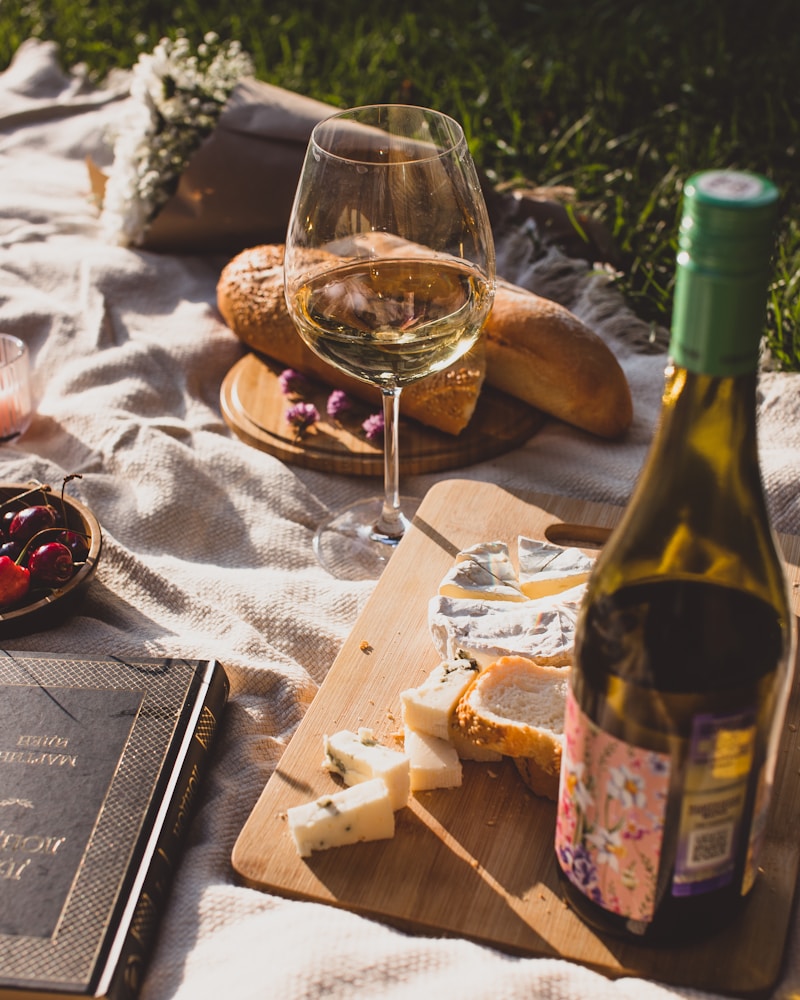
For all those moments when you don’t need a stage, but a companion: the first evening on the terrace of the year, a spontaneous picnic in the park, a light dinner among friends, the aperitif before a meal. It’s also a wonderful introductory wine for people who sometimes find white wine “too acidic”.
---
❓ 4. Should I drink Müller-Thurgau young?
As a rule: yes. Most Müller-Thurgau wines are made to be enjoyed within one to three years of harvest, when freshness and primary fruit are at the forefront. There are exceptions from ambitious winemakers that remain exciting even after a few years, but traditionally it is a wine of the moment, not one for long ageing.
---
❓ 5. What is the ideal serving temperature?
Between 8 and 10 °C is where Müller-Thurgau truly shines. Too cold and its delicate aromas retreat; too warm and it can seem a bit broad. Chill the bottle in the fridge for about two hours and take it out shortly before serving – that’s usually just right.
---
❓ 6. Is Müller-Thurgau the same as Rivaner?
Rivaner is a name frequently used for Müller-Thurgau – especially when referring to light, fresh, uncomplicated wines. Strictly speaking, Müller-Thurgau is the grape variety, while “Rivaner” is often a marketing‑driven designation for a more fruit‑forward, youthful style. Essentially, though, we’re talking about the same vine.
---
❓ 7. Is Müller-Thurgau more often dry or sweet?
It is made in various styles. You’ll often find it dry or off‑dry, especially as a fresh everyday wine. But there are also fine‑fruity versions with a touch of residual sweetness that pair beautifully with mildly spiced dishes or simply on their own. A quick look at the label (“trocken”, “feinherb”, “lieblich”) will help you orient yourself.
---
❓ 8. How can I recognize a good Müller-Thurgau?
Look for clarity of fruit, freshness and balance. A good Müller-Thurgau never appears musty or one‑dimensional, but offers lively, clean aromatics, harmonious acidity and a finish that lingers despite its lightness. Another tip: watch out for renowned estates and cooperatives from the regions mentioned – the variety is increasingly being treated there with real dedication.
---
❓ 9. How does Müller-Thurgau differ from Riesling?
Riesling is often higher in acidity, tauter, more complex and more age‑worthy – a wine with sharply defined contours and high ambition. Müller-Thurgau, by contrast, is softer, gentler, with medium acidity and less pronounced minerality. It embraces you where Riesling wakes you up. Both have their place: Riesling for intellectual challenge, Müller-Thurgau for relaxed, carefree enjoyment.
---
❓ 10. Why should I (re)discover Müller-Thurgau?
Because within its gentleness lies a rare kind of honesty. In a world that screams for superlatives – more oak, more alcohol, more extract – Müller-Thurgau reminds us that the quietest tones are often the most touching. It is the scent of a spring morning, the warmth of a simple but good meal, the sound of friends’ laughter around a kitchen table. A wine that doesn’t seek to impress, but to accompany – and that is exactly what makes it so lovable.
Pour yourself a glass, open a bottle, perhaps from Rheinhessen, Baden or the Pfalz, and listen to how softly this wine speaks. Sometimes it’s the quietest voices that echo the longest.