Morgenwind Parellada: The Quiet Soul of Catalonia in Your Glass
A tribute to Parellada – the cool morning breeze of Catalonia, leise im Ausdruck, tief in der Seele, vom Cava-Grundwein bis zum stillen Begleiter am Tisch.
Morgenwind Parellada: The Quiet Soul of Catalonia in Your Glass
Dear wine lovers,
there are grape varieties that step onto the stage like an opera star, loud and dramatic, with fanfares and big gestures. And then there are the quiet characters who win you over not with volume, but with delicacy – like that first cool breath of air in the morning, when the day is still young. Parellada belongs to these silent poets of the wine world.
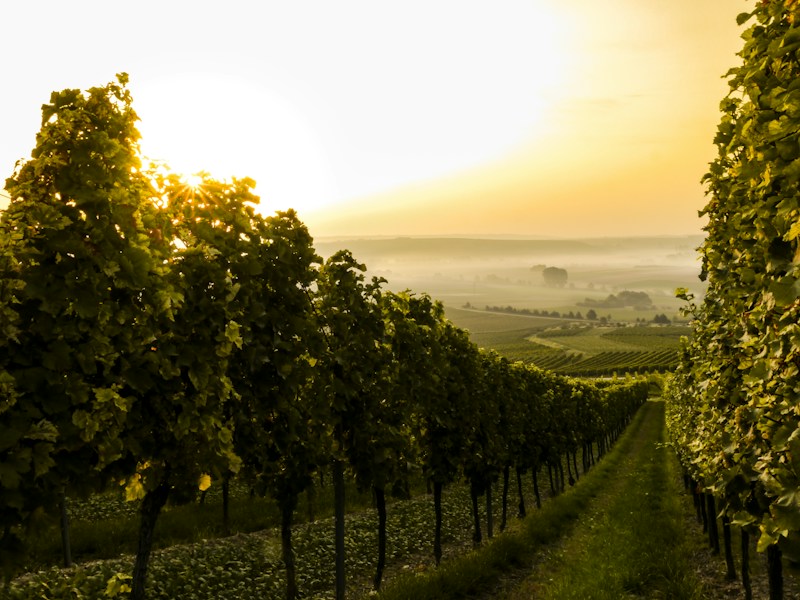
It is like a cool morning breeze sweeping over the vineyards of Catalonia while the sun still hangs sleepily above the Pyrenees. In the glass it shimmers pale gold with a hint of silver, as if the first light of the day had caught itself inside. Its scent is not a loud perfume, but a gossamer veil of white blossoms, lemon zest, freshly cut green apple and a touch of lime – crossed by a fine breeze of mountain herbs and cool minerality.
Parellada is a wine for those moments when you long for clarity: light in body but serious in intent, with taut, vibrant acidity that wakes the palate like a plunge into cold water. It is the often underestimated soul of many Cavas, yet as a still wine it is a discovery that may touch you more quietly, but all the more deeply.
---
1. The Globetrotter in the Glass: Where Parellada Feels at Home
Strictly speaking, Parellada is no globetrotter in a geographical sense – it is deeply rooted in Catalonia. But in the glass it shows so many facets that it feels as if you were travelling through different landscapes without ever leaving your chair.
Penedès – The Cradle of Elegance
Penedès, gently rolling hills between Barcelona and the Mediterranean, is something like the heartland of Parellada. Here, the variety often finds cooler sites at mid and higher altitudes, where nights are fresh and the grapes are allowed to ripen slowly.
Wines from these sites are particularly delicate:
- They smell of lemon, green apple, white blossoms
- They feel tender, almost fragile
- They carry a taut, crystal-clear acidity
In Penedès you’ll find both still versions – pale, linear, refreshing – and the base wines that later become Cava. Here you can experience Parellada in its purest, most original form: a wine like a clear sky just before sunrise.
Cava DO – The Quiet Queen Behind the Bubbles
Most wine lovers encounter Parellada first in Cava, without even knowing it. As one of the classic Cava grapes (alongside Macabeo and Xarel·lo), it is above all responsible for freshness and elegance.
In the cooler growing zones of the Cava DO – from Penedès up into higher, wind-exposed sites of Catalonia – base wines are created that:
- possess high, lively acidity
- are rather light in body
- show delicate aromas of citrus, green apples and a chalky minerality
In the finished Cava, Parellada provides:
- lightness and drinkability
- freshness and tension
- an almost “airy” character
Next time you have a glass of Cava, pay close attention to the bright, lemony, floral note – it’s often the soft voice of Parellada making itself heard.
Conca de Barberà – The Voice of Altitude
Conca de Barberà is a comparatively cool DO in the Catalan hinterland, with higher elevations and a climate influenced by continental conditions. Here, Parellada shows a particularly precise, firm-edged side.
The wines from here are:
- extremely fresh, almost spritzy
- distinctly mineral, with a salty note on the palate
- clearly citrus-driven: lime, lemon peel, sometimes grapefruit zest
Thanks to the cooler nights, the acidity remains brilliant and the alcohol usually moderate. Parellada from Conca de Barberà is like a mountain stream: ice-cold, light, but with an unexpected strength that can refresh and focus you.
Costers del Segre – The Cool Breeze of the Interior
Costers del Segre, further inland, is marked by a continental climate: hot summer days but surprisingly cool nights. In the higher-lying sites, Parellada can produce very exciting still wines here.
Character:
- Slightly riper fruit character: yellow apple, delicate pear, yet always with lemon and lime
- Fresh herbal notes: mountain herbs, thyme, a hint of fennel
- Clear, dry minerality, sometimes reminiscent of wet stone
Costers del Segre shows that Parellada is not only suitable for Cava, but can develop its own personality as a still wine – always light in body, yet with a serious, razor-straight structure.
---
2. From Morning Haze to Mountain Air: How Parellada Is Made
Parellada lives from freshness, clarity and delicacy – and that’s precisely why it is traditionally vinified predominantly in stainless steel. But as so often in the wine world, there are winemakers who like to experiment: with oak, extended lees aging, spontaneous fermentation.
Stainless Steel – The Pure, Ungarnished Truth
In stainless steel, Parellada stays just as it comes from the vineyard: unadulterated, clear, cool. Steel is neutral – no additional aroma, no vanilla, no toast – just fruit, blossom, acidity and minerality.
This is how Parellada from stainless steel typically tastes:
- Nose: lemon, lime, green apple, white blossoms, fresh mountain herbs
- Palate: light, slender, almost weightless
- Structure: high, crisp acidity, very refreshing
- Impression: crystal clear, “straightforward”, ideal as an aperitif or with light dishes
Here, Parellada is the cool morning wind: alert, precise and invigorating. These wines are often bottled early and enjoyed young, when the fruit is at its liveliest.
Oak – The Soft Whisper of Maturity
Oak and Parellada – a delicate but very alluring liaison. The variety is fragile; too much wood will crush it. But with a gentle hand, often in larger, used barrels, very exciting, deeper wines can emerge.
Parellada aged in oak can come across like this:
- Nose: less loud citrus, more ripe apple, a hint of pear, sometimes brioche or nut
- Texture: a little rounder, creamier, with a softer mouthfeel
- Structure: the acidity remains high, but feels well integrated, almost silky
- Impression: more complex, calmer, more of a food wine than just an aperitif
Especially when Parellada spends extended time on fine lees (sur lie), the wine gains a delicate melt, a gentle creaminess without losing its lightness. A fascinating contrast appears: mountain air on the nose, a soft, warm breath on the palate – like the first rays of sun that dissolve the morning mist.
Stainless Steel vs. Oak – Two Faces of the Same Soul
- Stainless steel:
- Maximum expression of freshness
- Emphasis on citrus, green apple, white blossom
- Glass-clear, taut acidity
- Ideal for hot days, uncomplicated enjoyment, seafood
- Oak / lees aging:
- More texture and depth
- Slightly riper fruit, subtle bread or nut notes
- Acidity remains, but feels more harmonious, rounder
- Ideal with more aromatic dishes, more complex cuisine, on cooler evenings
Both styles tell the same story – once as a delicate, bright watercolor stroke, the other time as a somewhat denser, more nuanced painting.
---
3. Pairing Recommendations: The Perfect Partner
Parellada is a master at supporting food rather than overpowering it – like a good friend who listens instead of dominating the room. Its high acidity, light body and delicate aromas make it an ideal partner for fresh, fine cuisine, especially with Mediterranean accents.
| Gericht | Wein-Stil | Warum es funktioniert |
|--------------------------------------|------------------------------------|----------------------------------------------------------------------------------------|
| Gegrillte Gambas mit Zitronen-Olivenöl und Meersalz | Frischer Parellada aus dem Stahltank | The citrus notes mirror the lemon in the dish, the acidity cuts through the sweet shellfish meat and salty flavours; the minerality underlines the taste of the sea. |
| Ziegenkäse-Salat mit grünem Apfel, Walnüssen und Kräutern | Parellada mit kurzem Hefelager / leichtem Holzeinfluss | The wine’s acidity balances the creaminess of the cheese, the green apple in the wine harmonises with that in the salad; subtle lees notes pick up the nuttiness. |
| Dorade im Ofen mit Fenchel, Thymian und Limette | Eleganter, mineralischer Parellada (Stahltank oder großes Holz) | The wine’s herb and lime notes connect with fennel and thyme; the fine structure and high acidity stand up to the juiciness of the fish without overwhelming it. |
---
4. FAQ – 10 Questions for Parellada Lovers
❓ 1. Is Parellada always light and “simple”?
Parellada is fundamentally a variety with light body and high acidity. It’s only “simple” if you don’t take it seriously. In cool sites, with careful vinification (e.g. extended lees aging, subtle oak), it can show surprising depth, minerality and tension – just without heaviness. It’s a quiet complexity rather than a loud performance.
---
❓ 2. Can I really taste Parellada in Cava?
Yes – if you pay attention. It brings especially freshness, lightness and bright, citrusy fruit to the blend. In Cavas with a high proportion of Parellada, the bubbles often feel particularly fine, and the overall impression is elegant, delicate and animating. Macabeo contributes more of the floral, rounded side, Xarel·lo the structure and spice; Parellada is the cool breeze in between.
---
❓ 3. Which aromas are typical of Parellada?
Typical are:
- Lemon and lime
- Green apple
- White blossoms (acacia, orange blossom)
- A fine, clear minerality (chalk, wet stone)
- A delicate hint of mountain herbs (thyme, lemon balm)
In more matured or lightly oaked versions, subtle notes of yellow apple, pear or brioche may appear.
---
❓ 4. Is Parellada a good summer wine?
Absolutely. It is practically the embodiment of a summer wine: light, cool, high in acidity, refreshing and moderate in alcohol. Perfect for terrace and balcony, with light dishes, tapas, fish – but also simply on its own, as “morning breeze in the glass” on a hot day.
---
❓ 5. How cold should I serve Parellada?
For young, fresh Parellada from stainless steel, 8–10 °C is ideal. For versions with some oak or longer lees aging, slightly warmer – around 10–12 °C – lets the finer aromas and texture show better. Too cold and the wine seems mute; too warm and the acidity can come across angular.
---
❓ 6. Can Parellada age, or should it be drunk young?
Most Parellada wines are meant to be enjoyed young – within 1–3 years of harvest. Still, there are producers who deliberately aim for ageability, especially with wines that see some oak or extended lees contact. These can develop beautifully over 4–6 years, sometimes longer: more depth, slightly nutty notes, yet a fresh structure. But it remains a variety whose strength lies clearly in its youth.
---
❓ 7. Is Parellada related to other varieties or is it a rare speciality?
Parellada is a traditional, autochthonous grape of Catalonia. It is no passing trend, but has been part of the region’s wine identity for centuries, especially in Cava. Genetic relationships are complex, but in the glass it is definitely its own personality – lighter than many international varieties, clearer and cooler in expression.
---
❓ 8. Does Parellada pair well with vegetarian or vegan dishes?
Very much so. Its freshness and light body harmonise beautifully with:
- Salads with citrus dressings
- Dishes featuring fresh herbs, fennel, asparagus, courgette
- Vegetable tapas, marinated vegetables, artichokes (where many other wines fail)
- Vegan dishes with tofu, lemongrass, light Asian accents
The high acidity brings liveliness without dominating delicate vegetable aromas.
---
❓ 9. How do I recognise Parellada on the label when I buy Cava?
Many Cava producers don’t list grape varieties prominently – sometimes only in small print on the back label, sometimes not at all. If Parellada is mentioned explicitly or a high share is highlighted, this often points to a rather elegant, fresh, delicate Cava. Tip: look for Cavas from higher-lying zones or explicitly cooler subregions; Parellada often plays a key role there.
---
❓ 10. Why should I consciously try Parellada if I like Sauvignon Blanc or Riesling?
If you love Sauvignon Blanc, you’ll appreciate the freshness, citrus character and lightness of Parellada – just without the often very pronounced exotic or herbal punch. If you’re a Riesling fan, you’ll enjoy the high acidity and clarity, but in a gentler, less intense aromatic register.
Parellada is like a quiet interlude: less spectacular at first sip, but full of subtleties if you take your time. It’s the wine for those moments when you don’t want to be overwhelmed, but accompanied.
---
Next time you hold a glass of white wine from Catalonia in your hand, take a moment, close your eyes briefly and breathe in deeply. Perhaps you’ll sense that cool morning breeze of Parellada, drifting softly through the vines and whispering to you: sometimes it’s the quiet things that resonate the longest.