The Quiet Chasselas in the Light: A Swiss Whisper in Your Glass
Chasselas ist kein lauter Wein – er flüstert von Landschaft, Licht und Zeit und zeigt, wie tief leise Töne im Glas klingen können.
The Quiet Chasselas in the Light: A Swiss Whisper in Your Glass
Dear wine lovers,
some grape varieties enter the room like an orchestra in fortissimo – loud, powerful, demanding. And then there are those that slip into your heart like a gentle ray of morning sun. Chasselas belongs to these quiet poets. It is not the wine that shouts at you – it’s the one that listens. The wine that murmurs, not roars. That appears simple on the surface only to reveal even more depth at second glance.
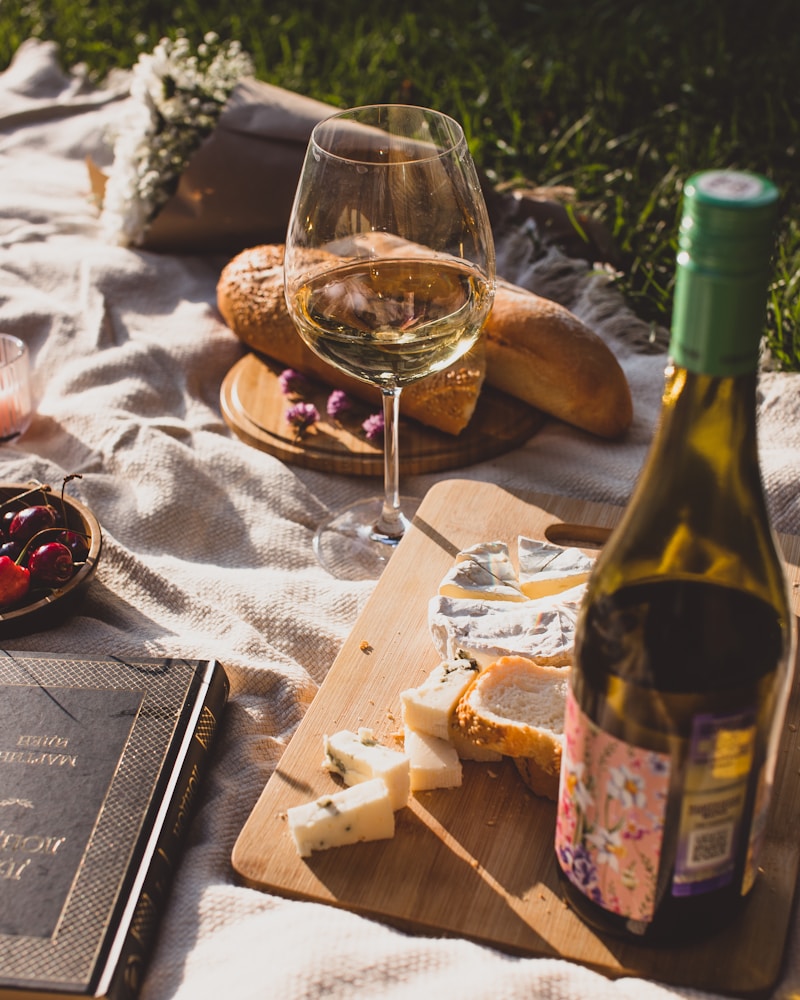
Chasselas is like morning light over Lake Geneva: a silvery-golden shimmer in the glass, mirroring the mountain peaks. On the nose, delicate scents of white blossoms, pear and fresh bread crust rise up, accompanied by that unmistakable minerality – like wet pebbles on the lakeshore, just kissed by water. On the palate it appears gentle, crystal clear, with notes of grape, almond and a hint of lemon zest, carried by a soft, mountain-fresh acidity. It never feels loud, never intrusive – it speaks with the calm, wise voice of an old vigneron who knows that true greatness doesn’t need to shout.
If you’re ready to turn down the volume of everyday life a little, Chasselas invites you to listen more closely. In its reserved nature, you may discover one of the most honest expressions of landscape, light and time that Swiss winegrowing has to offer.
---
1. The Globetrotter in the Glass: Where Chasselas Feels at Home
Chasselas can be found in many countries, but it reveals its true soul in Switzerland – where vines, lakes and mountains merge into an almost meditative backdrop. Each region whispers its own dialect of Chasselas into the glass.
Vaud – Lavaux, La Côte & Chablais: Terraces of Light
In the canton of Vaud around Lake Geneva, Chasselas is more than a grape variety – it is part of the local identity.
In Lavaux, these spectacular, UNESCO-protected steep terraces above the lake, the grapes ripen in a three-part harmony of sun, reflected lake light and the stored warmth of stone walls. Here, Chasselas wines emerge that feel a little more powerful yet never lose their lightness: delicate aromas of white blossoms, grape, pear and often an impressively clear minerality, like biting into cool limestone.
La Côte, further west, appears gentler, more rolling – and the wines often feel the same: airy, delicate, sometimes a touch more playfully floral, with fine grapey fruit and a hint of almond. A Chasselas from here feels like a walk along the lakeshore just before sunset.
In Chablais, towards the Rhône and the Alps, the style is often shaped by a somewhat firmer structure and more pronounced minerality. Here, Chasselas can feel saltier, more stony – a wine like a cool breeze driving straight down from the mountains to the lake.
Valais – The Rocky Voice of the Alps
In Wallis, Chasselas often bears its old name: Fendant. Here, on steep terraces above the Rhône, you experience a fascinating contrast: intense sunshine, cool nights, sparse, stony soils.
Chasselas from Valais often shows a little more body than its cousins from Vaud, yet remains rather light in weight. The aromas range from ripe pear to grape, joined by nutty notes, bread crust and an almost crystalline minerality.
Fendant is traditionally the wine of welcome in Wallis – it’s on the table when friends arrive, when Raclette is served, when life simply wants to be celebrated.
Geneva – Urban Elegance
In the canton of Geneva you can sense the proximity to the city, to international influences, to the pulse of the world – and yet Chasselas is deeply rooted in local tradition here. Wines from Geneva often feel very clear, straightforward, with medium acidity and subtle fruit of pear, citrus and grape.
Chasselas from Geneva reminds me of a quiet conversation in a café on the lakeshore: calm but substantial, with a beautiful balance between freshness and restraint that makes it an ideal aperitif wine.
Neuchâtel & Three-Lakes Region – The Mirrored World of the Lakes
In Neuenburg and around the Three-Lakes region – Bielersee, Murtensee, Neuenburgersee – Chasselas enters an almost dance-like dialogue with the water. The lakes moderate the climate, storing warmth during the day and releasing it at night.
The wines from here are particularly delicate: floral hints of white blossoms, gentle grapey notes, a fine touch of lemon zest and again and again that impression of wet stones after a summer rain. The body remains light, the acidity sits in a refreshing, medium range – a Chasselas like a quiet poem, best read at sunset by the lake.
---
2. From Steel Tank to Whispering Wood: How Maturation Shapes Chasselas
Chasselas is sensitive. It’s like a fine musical instrument: every touch, every method of maturation shapes its sound. Two approaches are particularly common – ageing in stainless steel and in wooden barrels.
Stainless Steel – The Pure, Crystal-Clear Voice
In stainless steel, Chasselas appears in its most unveiled form. The neutral character of the steel lets its typical aromas shine:
- white blossoms
- fresh grape
- delicate pear
- fine minerality, wet pebbles
- a hint of lemon zest
The acidity remains clear and precise, the body light and transparent. A Chasselas aged in stainless steel is often the most direct expression of its origin – like an unretouched portrait in daylight. Perfect as an aperitif or with delicate, fresh dishes where it should accompany rather than dominate.
Wooden Barrel – The Gentle Murmur of Time and Depth
In wooden barrels – usually used with a very light hand – Chasselas puts on a different suit. Restraint is crucial: too much oak would drown out its delicacy.
Handled properly, barrel ageing can support notes of bread crust, nuttiness and a creamier texture. The fruit feels softer, the mouthfeel rounder, the aromas more complex. Instead of loud vanilla or toast notes, sensitive use of oak reveals a hint of roasted almond, fresh baguette, perhaps a subtle melt reminiscent of melted butter.
The difference in taste can be described as follows:
- Steel Chasselas: crystal clear, linear, fresh, very grapey and floral.
- Wood Chasselas: rounder, more textured, with greater depth, nutty nuances and a fine, noble breadiness.
Both styles tell the same story – but in different voices. One is the clear morning, the other the late afternoon when the light turns softer.
---
3. Pairing Recommendations: The Perfect Partner
Chasselas is a master of accompaniment. It doesn’t push itself to the front; it carries dishes with a gentle hand. Its light stature, medium acidity and subtle aromas make it an ideal partner for delicate cuisine – and of course for the classics of Swiss table culture.
| Dish | Wine Style | Why It Works |
|---------------------------------|-----------------------------------|---------------------------------------------------------------------------------------|
| Classic cheese fondue | Stainless-steel Chasselas from Vaud or Geneva | The medium acidity cuts through the richness of the cheese, the minerality refreshes, the discreet fruit does not compete with the cheese aromas. |
| Valais Raclette with potatoes & cornichons | Fendant (Chasselas from Wallis, ideally partly barrel-aged) | The slightly nutty, bready character complements the melted cheese perfectly; the freshness keeps the dish light and moreish. |
| Pike-perch fillet on a bed of vegetables, gently seasoned | Mineral Chasselas from the Three-Lakes region (stainless steel) | Delicate aromas of blossom and pear caress the fish without overpowering it; the minerality mirrors the texture of the fish, the acidity adds clarity on the palate. |
Of course, the spectrum goes far beyond this: mild goat cheeses, asparagus dishes, delicate vegetable tartes or simply fresh bread with a little butter – Chasselas is at its best wherever finesse and subtlety are required.
---
4. FAQ – 10 Questions for Chasselas Lovers
❓ 1. Is Chasselas more of an everyday wine or one for connoisseurs?
Chasselas can be both. In its simplest form, it’s a wonderfully uncomplicated everyday and aperitif wine: light, refreshing, accessible. In top sites – such as in Lavaux or selected crus in Vaud, Wallis or the Three-Lakes region – it reveals remarkable depth, complexity and ageing potential that truly fascinates connoisseurs. Its greatness lies in quiet, not in volume.
❓ 2. What does a typical Chasselas taste like?
Typical aromas are white blossoms, fresh grape, pear, a hint of almond, bread crust and a beautiful, clear minerality – like wet pebbles on the lakeshore. On the palate it is light in body, with medium, gentle acidity. It feels delicate, crystal clear and yet surprisingly profound if you give it time and attention.
❓ 3. Does Chasselas only go with cheese dishes?
Not at all. Even though cheese fondue and Raclette have entered into world-famous partnerships with Chasselas, it also pairs beautifully with mild fish, white meat, fresh vegetable creations, asparagus or simple bread-and-butter moments. Its restraint makes it a versatile companion at the table.
❓ 4. Should I drink Chasselas young or can it age?
Many Chasselas wines are made to be enjoyed young – within 1–3 years after harvest they show their freshness at its best. But high-quality single-vineyard and cru wines can develop fascinatingly over 5–10 years and longer: the fruit becomes riper, nuttier, honeyed and bready notes move to the foreground, the minerality grows even more precise. Mature Chasselas can be a real secret treasure for explorers.
❓ 5. What is the ideal serving temperature?
You’ll enjoy Chasselas best lightly chilled at about 8–10 °C. Too cold and it closes up, too warm and it loses its freshness. Give it a few minutes in the glass – you’ll notice how, as the temperature rises, blossoms, pear, bread crust and mineral tones slowly unfurl.
❓ 6. Is Chasselas very high in acidity?
Chasselas usually has medium acidity that feels soft and pleasant. It is rarely as racy as Riesling, rather gentler and rounder. That makes it particularly interesting for people who are sensitive to very high acidity but still appreciate freshness in wine.
❓ 7. How does Chasselas from Vaud differ from that from Valais?
Chasselas from Waadt – especially from Lavaux and La Côte – often appears particularly elegant, with fine blossom and grapey notes and a pronounced lakeside minerality. Walliser Fendant, on the other hand, frequently feels a bit more powerful, with slightly riper fruit, more pronounced nuttiness and bread crust, while its alpine origin preserves a crystalline clarity. Both share lightness, but carry different “landscape accents”.
❓ 8. Are there Chasselas wines aged in oak?
Yes, but usually with great restraint. Some winemakers experiment with large or used oak barrels to gain more texture and depth without overpowering the variety. Such wines often show more nuttiness, bread crust and a gentle creaminess. If you want to discover the serious, more profound side of Chasselas, it’s worth seeking out these specialities.
❓ 9. Is Chasselas only important in Switzerland?
Switzerland is its heart, its emotional home. But Chasselas is also found in other countries, for example in France (partly under the name Gutedel or Fendant), in Germany (especially Markgräflerland as Gutedel) and in other European regions. Nowhere, however, is it as closely interwoven with landscape, culture and everyday life as on Lake Geneva, in Wallis and in the Three-Lakes region.
❓ 10. Who is Chasselas the right wine for?
For you, if you love wines that impress not with power but with finesse. For people who can hear quiet notes, who find joy in minerality, delicate fruit and subtle complexity. For evenings by the water, for conversations that aim not to impress, but to touch.
Chasselas is not a wine that seizes the stage – it is the one that shows you the light in which everything else appears more beautiful.
---
Next time you hold a glass of Chasselas in your hand, take a moment. Look through the silvery-golden light, breathe in the fine aromas of blossom, pear and bread crust and listen to the quiet voice in the glass. You may then hear what its homeland has known for centuries: sometimes it’s the softest wines that echo the longest.