Sun-Gold Fiano: The Gentle Voice of Campania in Your Glass
Fiano is Campania in a glass: leise, tiefgründig, cremig und mineralisch – ein stiller Weißwein, der von Sonne, Vulkanen und Meer erzählt.
Sonnengold Fiano: Die leise Stimme Kampaniens im Glas
#### 2. EINLEITUNG
Dear wine lover,
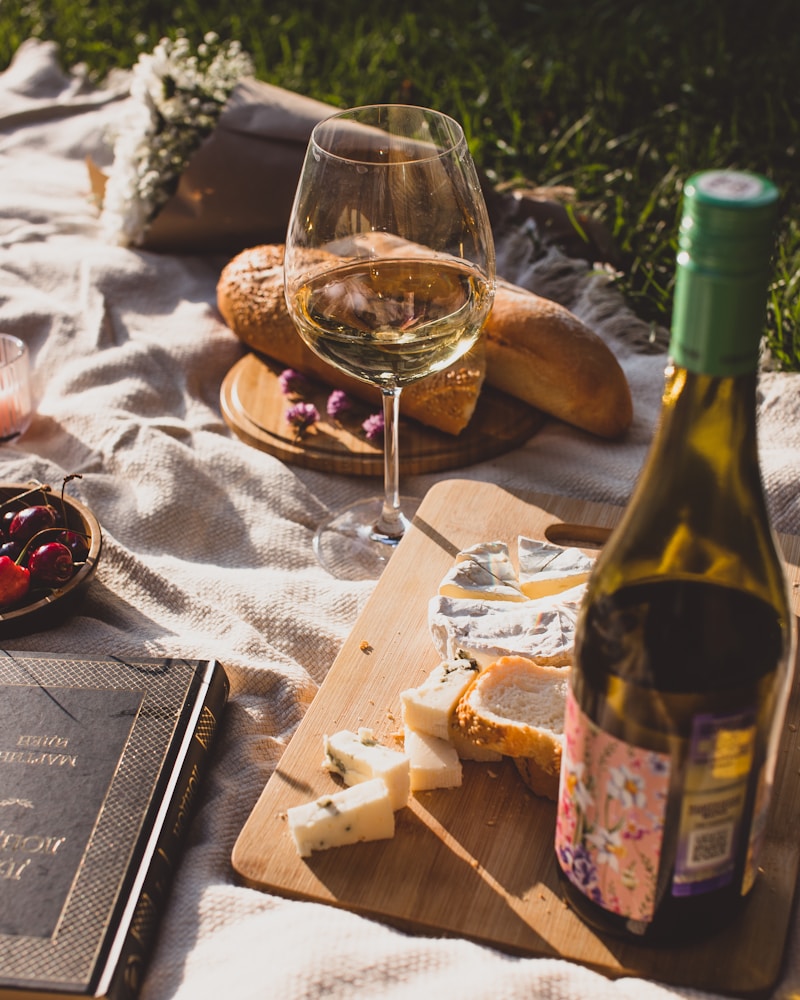
there are grape varieties that make a loud entrance, stepping onto the stage like an orchestral fortissimo. And then there are those quiet, deep characters that don’t push themselves to the front – yet captivate anyone who is willing to pay closer attention. Fiano is one of these varieties. A white wine that doesn’t have to dazzle in order to shine. It whispers – and this very whisper carries the stories of volcanic soils, Mediterranean breezes and sun‑warmed hills into your glass.
Fiano is like a sunrise over the hills of Campania: liquid gold with a hint of green, shimmering in the glass like olive leaves in the wind. On the nose, white peach, pear and citrus zest dance with orange blossom, almond and fine herbs – a fragrance that recalls a morning in a Mediterranean garden. On the palate, Fiano is creamy and yet vibrant, medium‑bodied, with medium but very present acidity. A quiet, assured voice that speaks of warmth, fire and sea; of ripe pear, honey and lemon peel; of a gentle, almond‑like bitterness on the finish.
When you drink Fiano, you’re not just drinking wine. You’re drinking Campania: the weathered soils of Irpinia, the pulse of Naples, the calm ease of olive groves and the eternal murmur of the Tyrrhenian Sea. It is a wine for those who are willing to take their time – and to discover in the glass what others might overlook.
---
1. Der Globetrotter im Glas: Wo der Fiano zu Hause ist
For all that we like to talk today about a “globetrotter in the glass” – at heart Fiano is a profoundly regionally rooted character. Its true home is Campania in the south of Italy. And yet even there, in a relatively small area, it shows a remarkably wide range of faces.
Campania – die Seele des Fiano
Campania is the big frame, the warm stage lighting in which Fiano shines. Here, between the Tyrrhenian Sea, volcanic soils and limestone‑rich hills, the grape finds a climate it loves: hot summers, marked temperature differences between day and night, and a salty breeze from the sea.
A classic Fiano from Campania unites the typical aromas of white peach, pear, citrus zest and orange blossom: medium in weight, with a creamy texture and acidity that is more of an elegant backbone than a sharp blade. Often, there is a subtle almond note, a touch of honey and something that recalls dried Mediterranean herbs – rosemary, thyme, maybe a hint of fennel fronds.
Irpinia – Höhenluft und Vulkanerde
Irpinia, the mountainous hinterland of Campania, is something like a high mass of finesse for Fiano. Many of the best sites here lie at higher altitude; the climate is cooler, the nights fresher. The soils are often of volcanic origin – ash, tuff, remnants of lava – mixed with limestone and clay. A landscape in which vines have to learn to get by with little, and precisely for that reason give so much.
Fiano from Irpinia often feels tauter and more precise. The fruit more intensely recalls citrus zest, white peach and crunchy pear, sometimes even a touch of green walnut. The acidity is clearer, the mouthfeel perhaps a little less creamy, but all the longer and deeper for it. Here you also often find that wonderful mix of orange blossom and an almost salty minerality – like a cool gust of wind blowing up the hills from the sea.
Avellino – die berühmte Heimat: Fiano di Avellino
Avellino is, in a sense, Fiano’s “noble title”. DOCG Fiano di Avellino is perhaps the best‑known expression of this grape variety – and deservedly so. Here, altitude, soil and microclimate combine to produce wines that are not only beautiful, but also astonishingly age‑worthy.
A Fiano di Avellino often appears incredibly nuanced: white flowers, orange blossom, pear, white peach, plus almonds and herbs. With some bottle age, honey, beeswax, a whiff of smoke and nutty tones can emerge. The structure is medium‑bodied, but with a core of tension – like a rope tightly stretched between freshness and creaminess. Anyone who wants to get to know Fiano in its most aristocratic form should start here.
Benevento – zugänglich und sonnig
Benevento, located somewhat further inland, often yields Fiano wines that are more accessible, more straightforward, but by no means banal. Here Fiano speaks more of yellow fruit: ripe pear, perhaps even a touch of apricot, with hints of honey and almond. The wines are often softer, rounder, with a creamy texture that makes them wonderful everyday companions – wines you open without ceremony, only to find yourself suddenly surprised at how much character there is in this glass.
Salerno – Nähe zum Meer, salzige Seele
Around Salerno, closer to the coast, Fiano breathes the sea. You can sense this in the glass as a fine salty vein, a cool breeze amid warm, sun‑kissed fruit. Here the wines can show a charming mix of citrus zest, orange blossom and herbs, along with fresher, often lively acidity. These are wines you long to drink with seafood on a terrace overlooking the Amalfi Coast – even if you are “only” on your own balcony at home.
---
2. Zwischen Stahl und Eiche: Wie der Ausbau den Fiano formt
Fiano is a grape variety with an astonishing wealth of forms. It is like a talented actor who shines in different roles: sometimes crystal‑clear and linear, sometimes creamy and multi‑layered, with a quiet, almost Burgundian grace. Two main factors shape this expression: maturation in stainless steel or in oak.
Fiano aus dem Stahltank – die klare, singende Stimme
Fiano matured in stainless steel is the purest, most direct form of this grape variety. There is nothing between you and the grape – no wood influence, no additional aromatic layers. Instead, it’s all about freshness, precision and pure fruit.
Typical are aromas of white peach, pear, citrus zest, orange blossom and fresh herbs. On the palate, the wine feels medium‑bodied, with lively but not aggressive acidity. The texture is smooth, sometimes slightly creamy, but always marked by a certain clarity. The finish often brings that subtle, bitter almond note so characteristic of Fiano – like biting into a fresh, still slightly green almond.
Such Fiani are ideal when you want to hear the freshness and authentic voice of the variety. They are wonderful food companions, but also shine on their own as a meditative aperitif on a long summer evening.
Fiano aus dem Holzfass – Tiefe, Wärme, Kontemplation
In oak – whether barriques, tonneaux or large foudres – Fiano reveals a different side. Its natural structure, medium body and aromatic complexity make it an excellent candidate for barrel maturation. But: a delicate touch is essential here. The best producers use oak as a frame, not as loud decoration.
Oak‑matured Fiano can develop aromas of honey, nuts, vanilla, beeswax and sometimes lightly toasted notes, without losing its fruit. White peach and pear remain present, but often step back a little to give more room to orange blossom, herbs and almond. The texture becomes creamier, approaching almost oily nuances, and the wine can feel on the palate almost like a finely structured white Burgundy – only with the unmistakable Mediterranean soul of the South.
Such wines are often more age‑worthy and benefit from a few years in bottle, during which beautiful depths of honey and herb character can emerge. They are not loud, but possess great inner tension – wines to discover, to sip slowly, to ponder.
---
3. Pairing-Empfehlungen: Der perfekte Partner
Fiano is an astonishingly versatile food partner. Its combination of medium body, moderate acidity, fragrant fruit and delicate almond bitterness makes it a chameleon at the table – especially with Mediterranean cuisine, fish, white meat and aromatic vegetables.
| Gericht | Wein-Stil | Warum es funktioniert |
|--------------------------------------|-------------------------------|------------------------|
| Gegrillter Wolfsbarsch mit Zitronenöl, Fenchelsalat | Fiano aus dem Stahltank (jung, fruchtbetont) | Die Zitruszeste, Orangenblüte und Kräuter im Fiano spiegeln die Zitrone und den Fenchel, die moderate Säure schneidet durch das Fischfett, während die leichte Salzigkeit des Weins das Meeresaroma verstärkt. |
| Pasta alle Vongole mit Knoblauch und Petersilie | Fiano aus kühleren Lagen (Irpinia/Avellino, teils auf der Hefe) | Die mineralische Frische und Kräuterwürze des Fiano umspielen die Salzigkeit der Muscheln. Die cremige Textur passt zur sämigen Pastasauce, während der Hauch Mandelnote einen eleganten Kontrapunkt zum Knoblauch setzt. |
| Zitronen-Risotto mit Parmigiano und gerösteten Mandeln | Holzfassgereifter Fiano (mit etwas Reife) | Die cremige Struktur und Honig-, Nuss- und Mandelaromen im Wein harmonieren perfekt mit dem Parmesan und den Mandeln. Die Zitrusnoten im Fiano greifen die Zitrone im Risotto auf und sorgen für Spannung statt Schwere. |
---
4. FAQ – 10 Fragen für Fiano-Liebhaber
❓ 1. Ist Fiano eher ein leichter Sommerwein oder ein seriöser Speisenbegleiter?
Both – and that’s exactly what makes it so fascinating. In its stainless‑steel version from sunny sites, it can be an uncomplicated, aromatic summer wine that seduces you with peach, pear and orange blossom. From higher‑altitude sites like Irpinia or Avellino, possibly with some lees ageing or barrel maturation, Fiano becomes a serious, multi‑layered food wine that confidently accompanies well‑structured dishes with fish, poultry or vegetables.
---
❓ 2. Wie schmeckt ein typischer Fiano?
You can look forward to aromas of white peach, ripe pear, citrus zest and orange blossom, plus a delicate almond note, a touch of honey and Mediterranean herbs. On the palate it is medium‑bodied, with medium but pleasantly supporting acidity. The texture is often lightly creamy, and the finish brings that typical, subtle bitterness of almond or lemon peel that makes you crave the next sip.
---
❓ 3. Kann Fiano reifen, oder sollte man ihn jung trinken?
Many Fiano wines are gorgeous when young – fresh, fragrant, lively. But good quality wines, especially from Irpinia and Avellino, can age beautifully. With a few years in bottle they develop additional honey, nut and herbal nuances, sometimes even hints of beeswax and dried flowers. The fruit recedes a little, complexity increases. Three to eight years are not uncommon for high‑quality examples, and some top wines can fascinate for even longer.
---
❓ 4. Worin unterscheidet sich Fiano von Pinot Grigio oder Sauvignon Blanc?
Pinot Grigio often shows lighter, more neutral fruit and rather restrained aromatics. Sauvignon Blanc is usually louder, with pronounced gooseberry, grass or exotic fruit. Fiano, by contrast, is subtler, more complex and creamier: it combines fine, often somewhat restrained fruit (peach, pear) with floral notes, almond bitterness and Mediterranean herbal spice. Less loud than Sauvignon, but far more characterful than many simple Pinot Grigio – a wine for those who love nuances.
---
❓ 5. Zu welchen Speisen passt Fiano am besten?
Fiano adores the cuisine of the South: grilled fish, seafood, pasta with clams, vegetable dishes with fennel, zucchini, artichokes or lemon, risotto, white meats such as chicken or veal, and also mild to medium‑strong cheeses. Its acidity and herbal notes bring freshness, its creaminess caresses delicate sauces, and the almond bitterness sets exciting accents where other white wines quickly become one‑dimensional.
---
❓ 6. Wie sollte ich Fiano servieren (Temperatur, Glas)?
Ideally at 10–12 °C. Too cold and it shuts down; too warm and the fruit turns tired. Use a medium‑sized white wine glass – the kind you might use for Chardonnay or mature Riesling. Oak‑matured or aged Fiano can even be served slightly warmer (12–13 °C) so that honey, nut and herbal notes can fully unfold.
---
❓ 7. Ist Fiano immer trocken, oder gibt es auch süße Varianten?
Classic Fiano from Campania is almost always dry. There are occasional experimental off‑dry or sweet versions, but they are rare and more like specialties. When you buy a Fiano, you can be quite sure it will be dry – at most with a minimal amount of residual sugar, barely perceptible, serving only to round out the fruit.
---
❓ 8. Woher kommt der Name „Fiano“ – steckt Geschichte in dieser Traube?
It is often assumed that Fiano descends from ancient grape varieties from the region, perhaps already appreciated by the Romans. One theory links the name to “Vitis Apiana”, the vine of the bees, because its sweet grapes attracted them. Legend or truth – the idea fits wonderfully with the honeyed and floral aromas that a good Fiano conjures into the glass.
---
❓ 9. Woran erkenne ich einen guten Fiano beim Kauf?
Pay attention to origin: designations such as “Fiano di Avellino” or Fiano from Irpinia are often an indicator of quality. Check the vintage – one to four years old is ideal for most fresh styles; for oak‑matured wines and top producers, older vintages are fine. Serious producers, low yields and information on winemaking (e.g. lees ageing, use of oak) are good clues as well. If in doubt, ask for Fiano recommendations from Campania at a specialist wine shop – many good merchants love this grape themselves.
---
❓ 10. Für wen ist Fiano der richtige Wein?
For you, if you love white wines that don’t shout but tell stories. If you enjoy the aromatics of stone fruit and citrus, but also look for nuances of herbs, almonds and honey. If you delight in wines that are equally at home in a relaxed glass on the balcony and alongside a carefully cooked meal. Fiano is the ideal companion for curious connoisseurs – for people who carry the South of Italy in their hearts, even if they travel there only by way of the glass.
---
Fiano is not a wine for haste. It is a quiet conversation by candlelight, not a loud party in the spotlight. If you give it time, it will gift you stories of sun, volcanoes, sea and almonds – sip by sip, glass by glass.