[Atlantic Whispers] Alvarinho: The Salty Soul of Portugal’s Green North
Alvarinho ist die leise, salzige Stimme Portugals – ein Wein wie ein Atlantikmorgen voller Limetten, Kräuterwiese und Meeresbrise.
[Atlantikflüstern] Alvarinho: The salty soul of the green North
---
2. INTRODUCTION
Dear wine lovers,
some grape varieties are loud, push to the front and demand applause. Others whisper – and it’s precisely in this whisper that their greatest magic lies. Alvarinho is one of them. It’s not a variety that flaunts opulence, but one that quietly takes you by the hand and strolls with you through the early morning mist of Portugal’s green North. A wine that tastes of the sea, of light, of cool stones and the delicate sweetness of a just‑ripe peach.
Alvarinho is like a bright morning over the Minho, when the Atlantic still rests in fine salt crystals on the vine rows. In the glass it shimmers straw‑gold with a hint of green – as if the vineyards had given their colour to the wine. On the nose, lime, white peach, tangerine, grapefruit and orange blossom dance, framed by a salty breeze and the scent of a freshly mown herb meadow. On the palate it is taut and vibrant, with high, crystalline acidity, yet at the same time sensual and caressing – a shimmering tension between freshness and depth.
What makes it so special? Alvarinho is the embodiment of a place. It is green Portugal in a glass, the shimmer of the air over the terraces of Monção e Melgaço, the rough salt of the Atlantic, the whisper of the old granite soils. It is a wine for people who love the sea, even when they are sitting hundreds of kilometres away; for those who look for more than just fruit in a sip – namely emotion, landscape, history.
---
1. The globetrotter in the glass: Where Alvarinho feels at home
Alvarinho is not yet a globetrotter in the classic sense like Chardonnay or Sauvignon Blanc, but its home regions in Portugal (and slightly beyond) already show impressively how versatile it can be. Each landscape gives it its own accent, a different shading – and you can taste them in the glass.
Monção e Melgaço (Vinho Verde) – The epicentre of elegance
Here, in the far North of Portugal, on the border with Galicia, beats the heart of Alvarinho. Monção e Melgaço is the most prestigious sub‑region of Vinho Verde, and the wines from here are something like the “classic voice” of the variety.
The days are warm enough for perfect ripeness, the nights cool enough to preserve the electrifying acidity. The soils are shaped by granite – and you can feel this mineral vein in the wine. Alvarinhos from Monção e Melgaço are often a little more concentrated, more serious, with powerful structure: notes of lime, white peach and tangerine merge with delicate orange blossom and a very clear, salty finish. They are like a well‑modulated voice – precise, clear, yet full of feeling.
Minho – The gentle, green heart
The Minho is the epitome of the green North: gentle hills, plenty of rain, lush landscapes – and a climate that Alvarinho loves. Here, wines are created that feel somewhat lighter, more playful and more dance‑like than some of the bottlings from Monção e Melgaço.
Alvarinhos from the Minho showcase the aromatic side of the variety particularly clearly: lime, grapefruit, white peach and herb meadow take centre stage, often with a touch of spritz. They are like a walk through a garden in the morning, when the grass is still wet and the air cool – lively, animating, inviting.
Entre-Douro-e-Minho – Between river legends and Atlantic breeze
Between the great river systems Douro and Minho lies a region where Atlantic air meets inland climate. Alvarinho finds exciting conditions here: it is not quite as humid as directly on the coast, but still clearly shaped by the ocean.
The wines from Entre-Douro-e-Minho combine freshness and fruit with a frequently pronounced salty note. In addition to the typical citrus aromas, herbal and floral tones often come to the fore here: orange blossom, lemon thyme, fresh herb meadow. In the glass they appear somewhat rounder than the coolest examples, but still taut and chiselled – like a sea breeze gliding over a sun‑warmed stone wall.
Vinho Verde (Subregião Lima) – The playful charmer
The sub‑region Lima within the Vinho Verde area produces Alvarinhos that are often just a touch lighter and more buoyant. Here, the image is dominated by a pure summer wine: crystal clear, fruit‑driven, with high acidity and tremendous drinking pleasure.
Alvarinho from Lima shows particularly fresh citrus notes: lime, grapefruit, at times almost reminiscent of lemonade – but always dry and linear. The salty vein is present, yet more subtle, like a hint of sea salt on your lip after a day at the beach. These wines are perfect for “a lot and carefree”, without ever becoming trivial.
Trás-os-Montes – The continental surprise
Trás-os-Montes, in the North‑East of Portugal, is clearly more continental in character: hot summers, cool nights, fewer maritime influences. You might think Alvarinho would lose its Atlantic soul here, but that is precisely what makes the wines so exciting.
Alvarinhos from Trás-os-Montes are often somewhat fuller‑bodied, with riper stone fruit – white peach, tangerine, sometimes even a hint of ripe apricot – yet still with high, clear acidity. The salty note may recede into the background in favour of a stronger mineral, almost stony component. These are wines with more body, sometimes a touch more serious, ideal if you are looking for a more powerful interpretation of this variety.
---
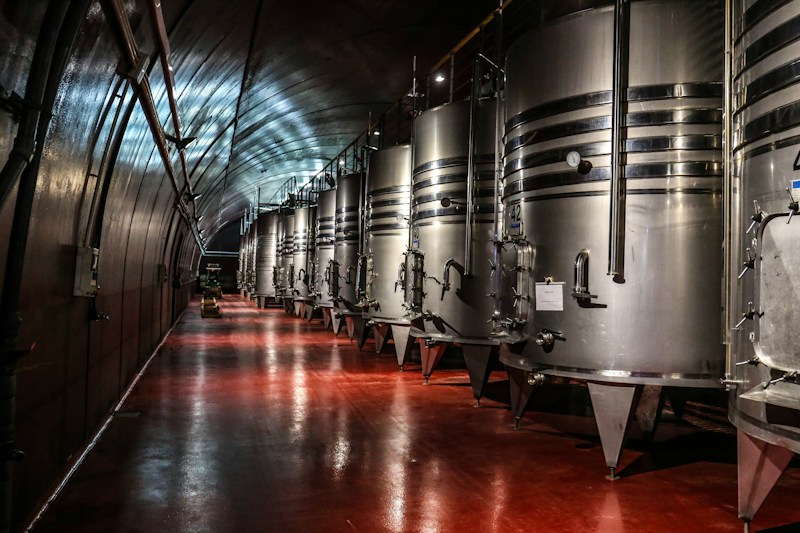
2. Of steel and stillness: How ageing shapes Alvarinho
Alvarinho is like a sensitive musician: it doesn’t need noise to touch you – but the right “instrument” changes its melody. The two most important expressions are ageing in stainless steel and careful use of oak. Both have their place and reveal different facets of this fascinating grape variety.
Stainless steel – The crystal‑clear voice of the Atlantic
In stainless steel, Alvarinho remains utterly pure. No influence from oak, no vanilla, no toast – just fruit, structure, acidity and terroir. This is the classic, unfiltered form in which you experience the green‑yellow radiance of this variety directly.
Alvarinho aged in stainless steel shows:
- Aromatics: very clear fruit notes of lime, grapefruit, tangerine and white peach, plus orange blossom, fresh herb meadow and a fine salinity.
- Mouthfeel: medium body, taut, high acidity, almost vibrating, with a long, citrus‑fresh finish.
- Character: straight, precise, fresh – like a cold Atlantic wind on a sunny day.
This style is perfect when you want to taste the liveliness and maritime vein of Alvarinho in its purest form. It invites early drinking, even if some high‑quality examples aged in stainless steel can also handle a few years of bottle age beautifully.
Oak – The gentle, golden depth
When Alvarinho is aged in oak, it is usually done very carefully: often in used barrels or large casks that work more through micro‑oxidation than through intense oak flavours. The aim is not to “overpaint” the wine, but to give it more texture, depth and ageing potential.
Oak‑influenced Alvarinho shows:
- Aromatics: the citrus and stone‑fruit notes are riper, creamier; lime and peach feel a little rounder, the orange blossom gains a slightly honeyed shimmer. Sometimes a hint of brioche, subtle nuttiness or vanilla appears.
- Mouthfeel: the body feels fuller, creamier, more generous, without losing freshness. The acidity is still there, but more subtly integrated, the wine almost silky.
- Character: more contemplative, complex, a white wine that invites you to drink slowly and pause for a moment.
This style is ideal if you want to pair Alvarinho with more powerful dishes or if you love white wines that reveal new facets with air and time.
---
3. Pairing recommendations: The perfect partner
Alvarinho is a master of culinary harmony. Its high acidity, salty vein and the interplay of citrus and stone fruit make it a perfect partner for the sea, vegetables, and also for aromatic cuisine.
| Dish | Wine style | Why it works |
|-------------------------------------------|------------------------|--------------------------------------------------------------------------------------------------------------------|
| Grilled sardines with sea salt & lemon | Stainless steel, classic | The salty, citrus‑fresh nature of Alvarinho mirrors the sea on the plate; acidity cuts through the richness of the sardines. |
| Ceviche of white fish with lime & coriander | Stainless steel, very fresh | Lime, grapefruit and herb‑meadow notes in the wine echo the flavours of the marinade; the acidity carries and lifts the dish. |
| Roasted corn‑fed chicken breast with herb risotto | Partly oak‑aged | The slightly fuller body and gentle creaminess of oak‑influenced Alvarinho caress the risotto, while the freshness balances the roast. |
---
4. FAQ – 10 questions for Alvarinho lovers
❓ Is Alvarinho the same as Albariño?
Essentially yes – it’s the same grape variety, called Alvarinho in Portugal and Albariño in neighbouring Galicia (Spain). Still, climate, soils and stylistic choices in each region leave a distinctive fingerprint on the wine. Portuguese Alvarinho, especially from Monção e Melgaço, often feels a bit more concentrated, more mineral and saltier, while some Spanish Albariños lean more towards fruit and florality.
---
❓ Does Alvarinho always taste spritzy and light?
Not necessarily. Many Vinho Verde Alvarinhos do present themselves very fresh, with high acidity and moderate alcohol – ideal as summer wines. But from regions like Monção e Melgaço or Trás-os-Montes, increasingly serious, structure‑driven versions are emerging, with more body, depth and ageing potential. The style thus ranges from light & buoyant to complex & cellar‑worthy.
---
❓ Which aromas are typical of Alvarinho?
Typical are notes of lime, white peach, tangerine, grapefruit, orange blossom, plus a salty breeze and the scent of fresh herb meadow. With some bottle age or oak ageing, honey nuances, subtle nuttiness or brioche tones can appear, without the wine losing its freshness.
---
❓ Is Alvarinho a good wine for beginners?
Yes – and at the same time exciting for connoisseurs. Beginners tend to appreciate the clear fruit, freshness and drinkability. It’s easy to enjoy without being simplistic. For experienced wine lovers, Alvarinho also offers plenty of depth, terroir character and stylistic range, making it a grape to rediscover again and again.
---
❓ What food does Alvarinho pair best with?
Alvarinho is a dream with all things from the sea: grilled fish, mussels, oysters, prawns, ceviche, sushi. Its acidity and salinity are like an extension of the sea flavours. It also pairs beautifully with vegetable dishes (asparagus, courgette, fennel), goat’s cheese, fresh herbs and light meat dishes such as poultry or veal, especially in the slightly fuller, oak‑influenced style.
---
❓ At what temperature should I serve Alvarinho?
Ideally between 8 and 11 °C, depending on the style.
- For light, steel‑aged Vinho Verde Alvarinhos, aim for 8–9 °C – this makes freshness and citrus aromas shine.
- For more complex, partly oak‑aged or more mature Alvarinhos, 10–11 °C is better, so that the full range of aromas and the texture can unfold.
---
❓ Can Alvarinho age, or should it be drunk young?
Many Alvarinhos are made for immediate or short‑term enjoyment – fresh, light, lively. But high‑quality examples, especially from Monção e Melgaço or with careful use of oak, can age very nicely for 5–8 years, sometimes even longer. Over time they develop more honeyed and herbal notes, become softer on the palate, yet often retain their salty freshness.
---
❓ How does Alvarinho differ from Sauvignon Blanc?
Both are fresh and aromatic, but very different in expression. Sauvignon Blanc often shows gooseberry, cassis leaf, green bell pepper and can be very loud aromatically. Alvarinho is subtler, focused on citrus, white peach, blossoms and salty minerality. It is less “grassy” and often a touch more serious, with a particularly harmonious tension between fruit, acidity and salt.
---
❓ Is Alvarinho always dry?
The vast majority of Alvarinhos are dry or very dry. Occasionally, some Vinho Verde wines may have a minimal residual sweetness that underlines the fruit without the wine actually tasting sweet. If you want to be completely sure, look for indications such as “Seco”, “Dry”, or ask specifically.
---
❓ Why do people so often talk about salinity in Alvarinho?
This “salinity” is not actual salt in the wine, but a mix of minerality, acid structure and mouthfeel that recalls a salty breeze or sea air. The proximity to the Atlantic, the granite‑rich soils and the cool climate of its home regions create this impression. If, while drinking, you feel as if a fine trace of sea salt were passing over your lips – that is exactly the magic everyone is talking about.
---
Alvarinho is not a wine that shouts – it is one that touches you gently and lingers long in your memory. Every bottle is a postcard from Portugal’s green North, with salt crystals in the corners and the scent of lime blossoms between the lines. Next time you pour a glass, take a moment. Breathe deeply. And listen to how the Atlantic whispers.