The Spring-Whispering Bacchus: An Aromatic Love Letter to Lightness in the Glass
Bacchus ist der leise Frühlingspoet im Glas: duftig, verspielt, mit Tiefe – ein Wein, der Leichtigkeit in jedem Moment aufblühen lässt.
The Spring-Whispering Bacchus: An Aromatic Love Letter to Lightness in the Glass
Dear wine lovers,
dear seekers of that special sip between everyday life and exhaling,
imagine opening a window after a long winter. The air is still cool, but it already carries the scent of freshly awakened nature: first blossoms, damp grass, a hint of citrus freshness. That is exactly how Bacchus feels. This grape variety is the fragrance of the first warm days of spring, captured in a pale, almost silvery shimmering grape. In the glass it shines a delicate straw yellow, often with a green sparkle, as if a vineyard were reflected in the morning dew.
Bacchus is not a loud star that insists on standing in the spotlight at any cost. He is more the quiet poet in the background, touching your heart with just a few, well-chosen lines. Elderflower, white blossoms, ripe gooseberries, green apple, citrus and a touch of nutmeg – that is his alphabet. From it he weaves stories of walks along the field edges, of the scent of a freshly picked bouquet of flowers, of carefree evenings on the balcony when the sun slowly slips behind the rooftops.
What makes Bacchus so special is his charming balancing act: he is aromatic but not pushy; playful yet with backbone; approachable without being trivial. A wine that elicits a knowing smile from connoisseurs and gently takes beginners by the hand. Bacchus is the moment you realise that lightness can also have depth.
---
1. The Globetrotter in the Glass: Where Bacchus Feels at Home
Bacchus is a child of German winegrowing craftsmanship – bred to ripen reliably under cooler conditions and still unfold a sensual aromatic profile. His “globe” is in truth a mosaic of German wine landscapes in which he always shows himself a little differently. Let’s take a closer look at the places he especially likes to call home.
Franken – Bacchus in the Bocksbeutel
Franken, the land of characterful Silvaner, is a grounded home for Bacchus. Here, on the shell limestone soils around Würzburg or in the Steigerwald, Bacchus often shows a somewhat more serious, focused side:
- The aromatics remain fragrant – elderflower, white blossoms, green apple notes – but with a fine, almost tart citrus line.
- The medium acidity feels cool and taut, often vinified dry or off-dry (feinherb).
- Instead of exuberant sweetness you sense clarity, minerality and a light saltiness on the finish.
Bottled in the typical Bocksbeutel, Bacchus from Franken stands for drinkability with backbone – a wine that suits a hearty Brotzeit just as well as a quiet evening with a book and candlelight.
Rheinhessen – Playful Lightness from Rolling Hills
Rheinhessen, the land of gentle hills, gives Bacchus a particularly friendly face. Here it is often seen as a fresh, uncomplicated ambassador of the region:
- Delicate to quite expressive aromas of gooseberry, elderflower and ripe grape.
- The wines are often in the off-dry (halbtrocken) or feinfruchtig style, which pushes the aromatics even more to the fore.
- The acidity remains medium-fresh, never biting, but juicy and inviting.
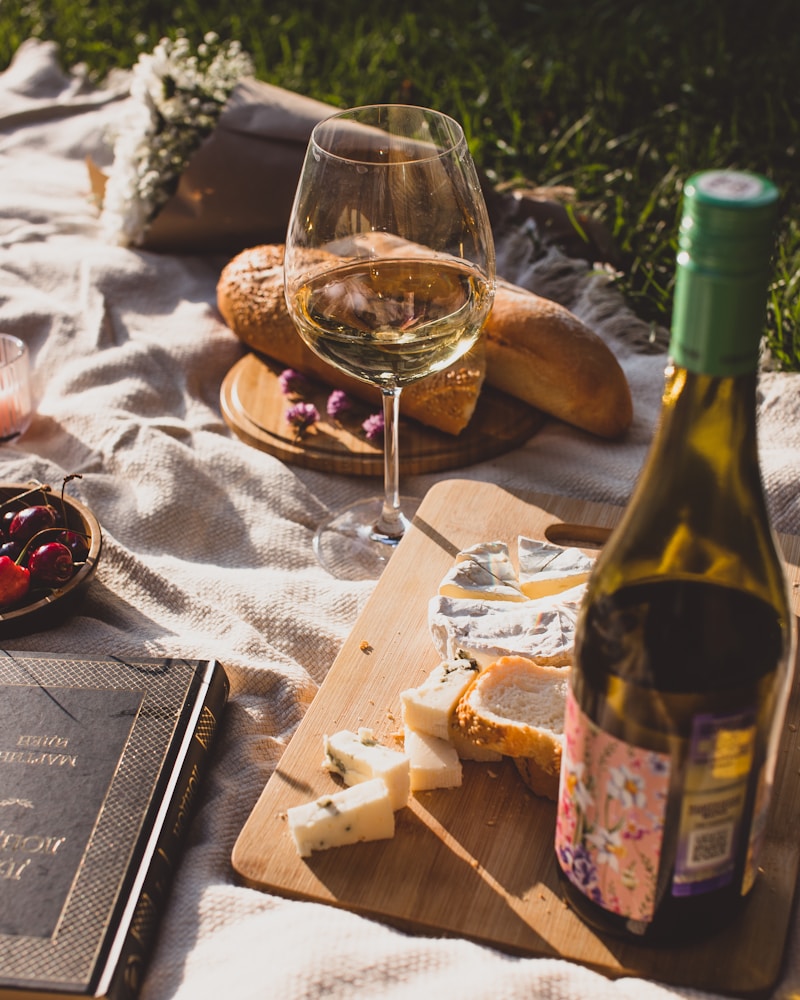
Rheinhessen Bacchus is like a smile in the glass – the perfect wine for convivial get-togethers, picnics and long summer evenings when you lose track of time.
Pfalz – Sun-Drenched Aromatics
In the Pfalz, the Tuscany of Germany, Bacchus often gains an extra touch of ripeness and fullness. The milder climate and diverse soils bring out its aromatic side particularly well:
- Intense notes of ripe gooseberry, nutmeg, white blossoms, and sometimes even a hint of exotic fruit.
- The body feels distinctly medium, occasionally somewhat creamier, with softly integrated acidity.
- Dry to feinfruchtig styles, often with a very charming, fruit-driven finish.
Bacchus from the Pfalz is like a summer afternoon that lingers a bit longer: warm, fragrant, inviting – almost like a lighter forerunner of the aromatics you might know from Sauvignon Blanc, only softer and less angular.
Saale-Unstrut – Cool Elegance from the North
On the rivers Saale and Unstrut, in one of Germany’s northernmost quality winegrowing regions, Bacchus shows its cool, almost filigree side. The climate is harsher, the growing season shorter – and it is precisely from this that the wine draws its special tension:
- Aromas of elderflower, fresh herbs, green apple and clear citrus freshness.
- The acidity remains noticeable but not biting – it carries the aromatics instead of overpowering them.
- Frequently vinified dry or off-dry (feinherb), very clear, straight and refreshing.
Bacchus from Saale-Unstrut is like a morning run along the riverbank: cool, stimulating, invigorating – a wine you enjoy discovering by the glass, exploring its fine structure step by step.
---
2. Between Spring Fragrance and Fine-Tuning: How Winemaking Shapes Bacchus
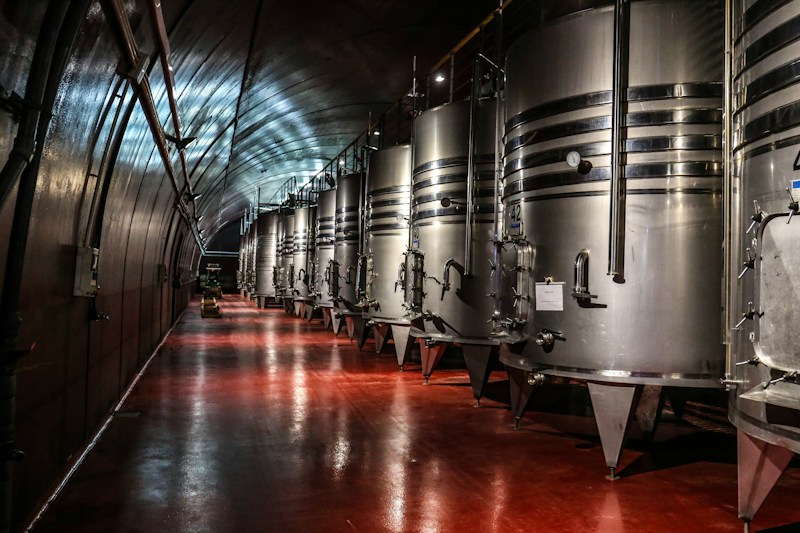
The stage on which Bacchus unfolds his poetry is usually stainless steel. But now and then he dares to approach wood – and in doing so subtly changes his character.
Stainless Steel – The Pure, Crystal-Clear Voice
In stainless steel, Bacchus stays entirely true to himself. Nothing distracts, everything focuses on freshness and fragrance:
- The typical aromas – elderflower, gooseberry, green apple, white blossoms, citrus, a touch of nutmeg – appear clear and direct.
- The medium acidity feels cool, the body medium, with a juicy, almost “crisp” mouthfeel.
- The wine remains light-footed and playful, like a spring song you hum along to instantly.
Stainless-steel ageing is ideal when you want to enjoy Bacchus as a refreshing aperitif, a summer wine or a versatile companion to light cuisine. In this guise he is the unadulterated expression of the variety – pure, fragrant, straightforward.
Wooden Cask – A Veil of Velvet over Spring Light
Bacchus in wood is rare, but when a winemaker dares, something exciting can emerge. Most of the time, larger, used casks are employed, which do not bring dominant toasted or vanilla notes, but rather structure and time to breathe:
- The aromatics feel a little riper, more composed – the floral notes step slightly back, while nutmeg, riper grape fruit and subtle herbal tones come to the fore.
- The body can feel a bit fuller, the mouthfeel creamier and rounder.
- The acidity seems more integrated, less “grippy”, and there is more melt and texture on the palate.
Wood-influenced Bacchus is like a poem that has been revised a second time: the lightness is still there, but an added depth invites you to pause. Such wines pair beautifully with somewhat richer dishes – and with moments when one glass more is welcome to grasp all the nuances.
---
3. Pairing Recommendations: The Perfect Partner
Bacchus is a charmer at the table. Its fragrant aromatics, medium body and balanced acidity make it a versatile partner – especially when dishes are aromatic, fresh and light.
| Gericht | Wein-Stil | Warum es funktioniert |
|---------------------------------|--------------------------------|----------------------------------------------------------------------------------------|
| Spargel mit Kräuter-Vinaigrette und pochiertem Ei | Trockener Bacchus aus Franken oder Saale-Unstrut | Die kühle Säure und feine Zitrus- und Kräuternoten umspielen den Spargel, ohne das Ei zu überdecken. |
| Thai-Garnelen-Curry mit Kokosmilch (mild-mittel scharf) | Feinfruchtiger Bacchus aus Rheinhessen oder Pfalz | Frucht und Holunderblüte puffern die Schärfe, die leichte Restsüße harmoniert mit Kokos und Gewürzen. |
| Ziegenkäse-Tarte mit karamellisierten Zwiebeln und Thymian | Im Stahltank ausgebauter, trockener bis halbtrockener Bacchus | Die floralen und traubigen Noten kontrastieren die Würze des Käses, Säure und Muskat bringen Frische und Tiefe. |
---
4. FAQ – 10 Questions for Bacchus Lovers
❓ 1. What makes Bacchus so special in terms of taste?
Bacchus combines fragrant aromatics – elderflower, gooseberry, nutmeg, green apple, citrus, white blossoms, grapey notes – with a medium body and medium acidity. It comes across as playful and juicy without being arbitrary. Its aromatics remind some people of a gentler, more floral version of Sauvignon Blanc, yet with its own softer character.
---
❓ 2. Is Bacchus more dry or sweet?
Bacchus can be both – and that is precisely part of its charm. Many winemakers vinify it dry or off-dry (feinherb) to emphasise its freshness. At the same time there are feinfruchtig to off-dry (halbtrocken) versions in which a light residual sweetness lifts the aromatic fruit (elderflower, grape, gooseberry) even more. Check the indication of sweetness on the label: “trocken”, “feinherb” or “lieblich”.
---
❓ 3. For which occasions is Bacchus particularly suitable?
Bacchus is the wine for moments of lightness:
- as an aperitif on the terrace,
- with spring and summer cuisine (asparagus, salads, light fish dishes),
- for picnics and garden evenings,
- or as a “glass after work” when you want to let the day end gently.
It is not a loud festive wine, but the reliable friend who enchants everyday life.
---
❓ 4. How should I best serve Bacchus?
Serve Bacchus well chilled, but not ice-cold: around 8–10 °C. If it is too cold, the fine elderflower and nutmeg notes hide; if too warm, it quickly seems a bit limp and loses its freshness. A slender white wine glass is enough – the main thing is that you give it a little space so the aromas can unfold.
---
❓ 5. How long can you store Bacchus?
In most cases Bacchus is a wine for enjoyment in the near term. Most bottles show their best 1–3 years after harvest, when freshness and floral aromatics still shine. A few carefully made wines can bring joy for 4–5 years and develop somewhat riper, spicier aromas – but at its core Bacchus remains a youthful embodiment of spring.
---
❓ 6. What distinguishes Bacchus from Sauvignon Blanc?
Both can show notes of gooseberry and green fruit, but Bacchus usually appears softer and more floral. While Sauvignon Blanc often comes across greener, more herbal and more angular (sometimes with very intense acidity), Bacchus is more delicate in texture, with medium acidity and a grapey, elderflower-driven fragrance. You might say: Sauvignon is the expressive, loud artist – Bacchus the fine-sensed lyricist.
---
❓ 7. Does Bacchus go well with spicy food?
Yes, especially the feinfruchtig versions are wonderful partners for mildly to moderately spicy cuisine, such as Thai or Vietnamese dishes with coconut milk and herbs. The fruit and – where present – a light residual sweetness soften the heat, while the acidity adds freshness. For very spicy dishes you should opt for rather fruit-driven, not too dry Bacchus wines.
---
❓ 8. Is Bacchus an old or a new grape variety?
Bacchus is a “modern classic”. It was bred in Germany in the 20th century to allow aromatic, well-ripening wines even in cooler sites. It is therefore not an ancient, traditional variety like Riesling or Silvaner, but neither is it a brand-new trend grape – more a hidden gem that has been quietly rediscovered in recent years.
---
❓ 9. How can I recognise a good Bacchus on the label?
Look out for:
- the origin (Franken, Rheinhessen, Pfalz, Saale-Unstrut – often a good sign),
- the quality level (Qualitätswein, Kabinett etc.),
- the indication of style (trocken, feinherb, halbtrocken/lieblich – depending on your preference),
- and the producer: estates with a clear focus on quality usually communicate this with vineyard designations or detailed back labels.
And then, above all: taste! Bacchus is a variety that explains itself in the glass far faster than on paper.
---
❓ 10. For whom is Bacchus the right wine?
For you if you:
- like aromatic but not “heavy” white wines,
- love floral and fruity notes without sacrificing freshness,
- are looking for an accessible entry into the world of fragrant grape varieties,
- or simply want a wine that brings spring into every season.
Bacchus is the wine for people who seek not just alcohol in a glass, but mood, light and a tiny moment of poetry. If you recognise yourself in this, then you have already found each other – you and this quiet, radiant spring whisperer in the glass.