Sunlit Poetry Malvasia: A Golden Love Letter to the Mediterranean
Malvasia im Glas ist wie ein Sommerabend am Mittelmeer: goldene Frucht, Blüten, Honig und Mandel – vom leichten Küstenwein bis zum flüssigen Bernstein im Dessertglas.
Sunlit Poetry Malvasia: A Golden Love Letter to the Mediterranean
---
Dear wine lover,
when you close your eyes and imagine the sun gently sinking into the sea, the light turning the waves into liquid gold and the air scented with salt, herbs and sweet fruit – then you are already very close to what Malvasia can be in your glass. This grape variety is not a loud star pushing itself to the front. It is the quiet melody of a summer evening, the afterglow of a holiday that you never want to end.
Malvasia is like an afternoon on the Italian coast, flooded with sunlight and captured in a glass: golden yellow like ripe wheat fields, with greenish reflections reminiscent of olive leaves in the sea breeze. On the nose, white blossoms, juicy peach, apricot and tropical fruits dance alongside candied lemon peel, a hint of honey and often a delicate note of almond – as if someone had carried a handful of roasted almonds down to the shoreline. On the palate it feels opulent yet playful, with a medium body and harmonious, medium acidity. A wine that doesn’t challenge you, but embraces you.
What makes Malvasia so special is its versatility: from light, seductively fragrant everyday wines to sweet, almost mystical dessert wines that recall liquid amber. Yet in every style it remains one thing: a declaration of love to light, to warmth and to those unhurried moments when time slips out of rhythm and only pleasure matters.
---
1. The Globetrotter in Your Glass: Where Malvasia Feels at Home
Malvasia is a family of grape varieties, a whole clan of Mediterranean characters. But there are places where it is particularly at home – where sea, sun and history form a close-knit alliance.
Sicily – The Golden Sweetness of the South
In Sicily, Malvasia shows its warm, sensual face. Under the Mediterranean sun it develops intense aromas of ripe peaches, honey, candied lemon peel and tropical fruits. The wines are often opulent, with a soft texture and a touch of almond on the finish.
Here you’ll find both dry versions – perfect with seafood and summery cuisine – and off-dry to sweet interpretations that taste like a liquid memory of a Sicilian afternoon: sweet but never sticky, carried by still-vibrant, medium acidity.
Aeolian Islands – Malvasia delle Lipari, Island Magic
On the Aeolian Islands, especially Lipari and Salina, Malvasia reaches an almost mythical dimension. The famous "Malvasia delle Lipari" is often a sweet or semi-sweet wine – dried grapes, sea breeze and volcanic rock condensed into pure intensity.
Typical aromas include dried apricot, candied citrus, honey, fine herbs and almond. On the palate it is velvety and concentrated, yet the medium acidity keeps it from ever feeling tiring. These wines taste of sunsets over black lava rock, of long conversations and the salty scent of the sea at night.
Friuli Venezia Giulia – Elegance in the Northeast
Far in northeastern Italy, in Friaul-Julisch Venetien, Malvasia shows a different, almost aristocratic side. The cooler climate and mineral-rich soils give it more freshness, precision and structure.
Here it often appears in a drier style, with clear notes of white flowers, citrus peel, crisp peach and delicate herbs. The wines are medium-bodied with harmonious acidity, sometimes a touch saline and mineral on the finish. Malvasia from Friuli feels like the stylish cousin from the city: less opulent, yet incredibly fine and precise.
Emilia-Romagna – The Warm-Hearted Gourmet Region
In Emilia-Romagna, the land of Parmigiano Reggiano, mortadella and tortellini, you’ll often find Malvasia as a fresh, lively white wine, sometimes even lightly sparkling (frizzante).
The aromas recall white blossoms, juicy grapes, peach and citrus. The wines are unpretentious, friendly and sociable – made to merge with the region’s specialties. Here Malvasia is not a wine for meditation, but for sharing: a bottle on the table, friends around you, and life instantly feels a little lighter.
Lazio – The Quiet Seductress Around Rome
Around Rome, in Lazio, you will often encounter Malvasia as part of traditional blends, but also as a varietal wine. The style varies, yet you repeatedly find the typical notes: white blossoms, lemon, peach and occasionally honey and almond.
These wines are medium in weight, with pleasant acidity – perfect partners for Roman cuisine: from fried artichokes to seafood pasta. Malvasia here is like a Roman trattoria: perhaps not always glamorous, but full of soul and sheer enjoyment.
---
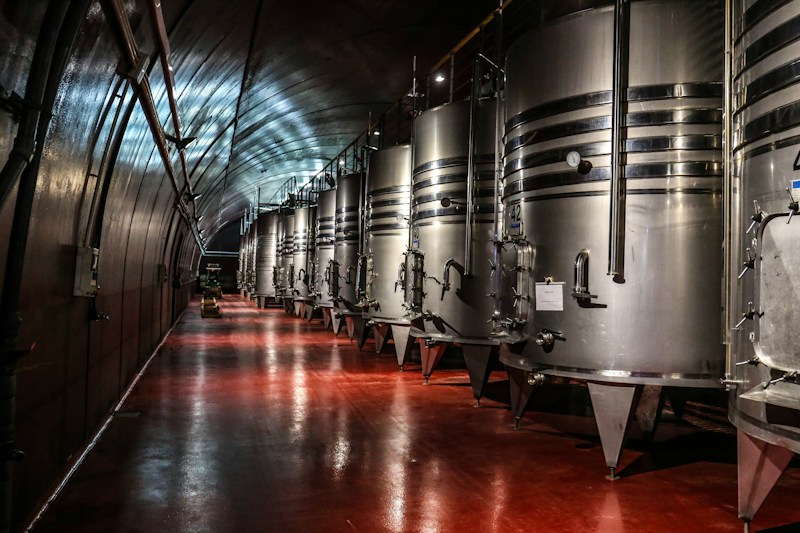
2. Between Steel and Oak: How Maturation Shapes Malvasia
Malvasia is a grape variety that responds to winemaking like few others. It is a chameleon in the cellar: the same fruit can become crystal-clear, fresh and fragrant in stainless steel – or creamy, deep and complex in oak.
Stainless Steel – Pure, Sunlit Freshness
Vinified in stainless steel, Malvasia shows its liveliest, most radiant face. Without any influence of wood, its aromatics remain clear and unadulterated: white blossoms, fresh peach, apricot, lemon, sometimes tropical fruits like pineapple or mango, always wrapped in an alluring lightness.
Its medium acidity feels most pronounced in this style and balances the ripe fruit. On the palate these wines are medium-bodied, refreshing, often with a slightly salty, mineral finish – like a breath of sea air in summer. This is the ideal style when you want to experience Malvasia in its direct, unmasked form.
Oak – Velvety, Honey-Warm Depth
In oak – especially larger casks or barriques – Malvasia unfolds an entirely different dimension. Contact with the wood brings a creamier texture, sometimes notes of vanilla, toast, nuts and, of course, an amplification of the grape’s natural almond and honey tones.
The fruit shifts from clear peach towards riper apricot, candied lemon and sometimes dried fruit. The wine feels fuller, softer, almost like a gentle shawl around your shoulders. The medium acidity is still there, but perceived as rounder in this context. Sweet or late-harvest Malvasia in particular benefits from oak aging: sunshine here turns into liquid gold.
The Tension Between the Two
Between these two poles – steel and oak – countless nuances arise: brief time in oak for more texture, extended lees contact for creaminess, sweet styles with concentration and depth. Malvasia is like a gifted actor: it can play the light, summery comedy just as convincingly as the grand, moving drama – the winemaker directs the performance.
---
3. Pairing Suggestions: The Perfect Partner
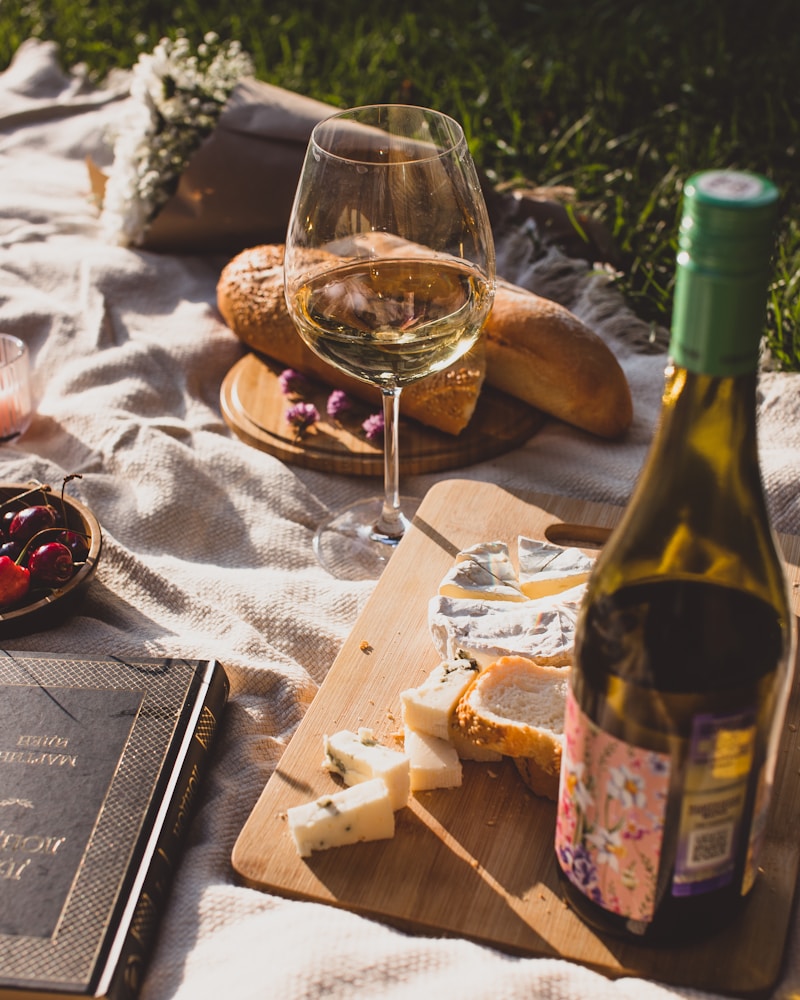
Malvasia is a born team player at the table. Its fruit, medium acidity and – depending on style – subtle sweetness or creaminess make it a wonderfully versatile food companion.
| Gericht | Wein-Stil | Warum es funktioniert |
|--------------------------------------|------------------------------------|------------------------|
| Gegrillte Dorade mit Zitrone & Kräutern | Trockene Malvasia aus Stahltank (z.B. Friaul oder Lazio) | Die Zitrus- und Kräuternoten des Weins spiegeln das Aroma des Fisches, die mittlere Säure frischt das Gericht auf, ohne die feinen Aromen zu überdecken. |
| Pasta alle Vongole | Frische, trockene Malvasia von der Küste (z.B. Sizilien) | Die salzige Meeresbrise im Gericht trifft auf die fruchtige Leichtigkeit der Malvasia. Die mittelkräftige Struktur hält der Pasta stand, die Zitrus- und Mandelnoten ergänzen Muschelaromen ideal. |
| Mandelkuchen mit Aprikosenkonfitüre | Süße oder halbsüße Malvasia (z.B. Malvasia delle Lipari) | Die Honig- und Aprikosennoten des Weins verbinden sich harmonisch mit dem Dessert, die Mandelaromen finden im Wein ihr Echo. Die Säure verhindert, dass die Kombination zu schwer wirkt. |
---
4. FAQ – 10 Questions for Malvasia Lovers
❓ 1. Is Malvasia always sweet?
No. Malvasia comes in many styles: from bone-dry to off-dry and lusciously sweet dessert wines. In regions like Friaul-Julisch Venetien or Lazio it is often dry, while on the Aeolian Islands or parts of Sicily many sweet versions are produced.
---
❓ 2. What does Malvasia typically taste like?
Typical aromas include white blossoms, peach, apricot, lemon peel, tropical fruits, plus honey and almond. On the palate Malvasia is medium-bodied, with medium, harmonious acidity and a soft, often slightly creamy texture.
---
❓ 3. What food pairs best with dry Malvasia?
Dry Malvasia pairs beautifully with fish and seafood, light pasta dishes, antipasti, vegetable dishes (e.g. grilled courgettes, artichokes), mild cheeses and summery salads. It’s an ideal partner for Mediterranean cuisine.
---
❓ 4. How should I serve Malvasia (temperature, glass)?
Serve dry Malvasia lightly chilled at around 8–10 °C, and sweet styles a little warmer at 10–12 °C so the aromas can fully unfold. A classic white wine glass with a tulip-shaped opening is ideal; particularly complex or oak-aged Malvasia benefits from a slightly larger bowl.
---
❓ 5. Does Malvasia age well?
Many fresh, stainless-steel Malvasia wines are made for early drinking. But high-quality, concentrated or oak-aged examples – especially sweet Malvasia like Malvasia delle Lipari – can age very well, developing complex notes of dried fruit, nuts and honey over the years.
---
❓ 6. How does Malvasia differ from other white grapes like Chardonnay or Sauvignon Blanc?
Compared with Sauvignon Blanc, Malvasia is less grassy and less marked by green aromas; it feels more floral, fruit-forward and softer. In contrast to Chardonnay, Malvasia often shows more floral and exotic fruit notes, while Chardonnay is more strongly shaped by its vinification (especially oak). Malvasia tends to remain medium-bodied, neither overly acidic nor heavy.
---
❓ 7. Is Malvasia an old or a modern grape variety?
Malvasia belongs to the oldest known grape families of the Mediterranean. Historical sources trace it back to the Middle Ages, with links to ancient trade in the eastern Mediterranean. It is deeply rooted in the wine culture of the region and has given rise to many local variants.
---
❓ 8. Is Malvasia found only in Italy?
No, even though Italy is the heartland of Malvasia. You can also find variations of Malvasia in other Mediterranean countries such as Spain, Portugal or Greece, often under slightly modified names. The styles described here, however, refer primarily to Italian growing regions.
---
❓ 9. Which Malvasia should I try if I don’t know it at all yet?
If you’re looking for an introduction, I recommend:
- A dry Malvasia from Friaul-Julisch Venetien or Lazio to get to know its fresh, floral side.
- Then a sweet Malvasia delle Lipari or a sweet Malvasia from Sicily to discover the opulent, honeyed facet of the grape variety. Two glasses, two worlds – and yet the same soul.
---
❓ 10. Is Malvasia a “summer wine” – or does it work in other seasons too?
Malvasia is a born summer wine: its scent of peach, blossoms and lemon calls for warm evenings on the terrace. But the creamier, oak-aged or sweet versions are perfect companions for autumn and winter – with desserts, blue cheese or simply as a meditative fireside wine. Malvasia is like the sun itself: in summer it shines, in winter it warms you from within.
---
Next time you hold a glass of Malvasia in your hand, take a moment. Look into that golden glow, breathe in the blossoms, the fruit, the honey and that quiet hint of almond – and you’ll feel a piece of the Mediterranean light up inside you.