The Whisperer of Roero Arneis: A White Treasure in the Shadow of Nebbiolo Vines
Arneis, the quiet white from Piemont, flirts with pear, blossoms and almond tones – a subtle, soulful wine that reveals its secrets to those who truly listen.
The Whisperer of Roero Arneis: A White Treasure in the Shadow of Nebbiolo Vines
Dear wine lovers,
sometimes a grape variety enters our lives quietly – without fanfare, without much fuss – and yet leaves a lasting impression. Arneis is exactly that kind of wine. Not a loud star pushing to the front, but rather the quiet poet in the background whose words stay with you long after the glass is empty.
Arneis is like a cool morning mist over the hills of Roero, slowly dissolving in the golden light of the Piemontese sun. In its straw-yellow shimmer with silvery reflexes, it carries the glow of the vines after a summer rain. On the nose, pear and white peach dance with delicate white blossoms and a hint of almond and herbs – as if a warm breeze were drifting through an orchard and a wild herb slope at the same time. On the palate it is gentle and yet full of character, with a fine, lively acidity that makes the fruit shine like a well-placed brushstroke.
What makes Arneis special? It is a wine of nuances. Not intrusive, not loud – but subtle, differentiated, almost introverted. A wine you don’t simply “drink”, but one you listen to. And the more attentive you are, the more it tells you about its hills, its soils, the light of Piemont – and the patient hands of the winemakers who have brought it out of the shadow of the great red wines and back into the spotlight.
---
1. The Globetrotter in the Glass: Where Arneis Is at Home
Arneis is no globetrotter like Chardonnay or Sauvignon Blanc. It is a child of Piemont – deeply rooted, attached to its homeland, a bit stubborn. And yet it shows very different facets in the various regions of its origin, like a person who appears slightly different in every room.
Roero – The Misty Sand Hills, Its True Heart
In Roero, north of the Tanaro River, Arneis has its true home. The sandy soils, streaked with ancient marine deposits, gift it a special finesse. Here it often appears at its most delicate and dancing:
- Nose: pear, white peach, crisp apple, white blossoms, a hint of lemon
- Structure: medium-bodied, with clear but not aggressive acidity
- Impression: elegant, fragrant, almost weightless – a “dawn wine”
The Arneis from Roero DOCG are usually the most classic representatives: clear, precise, with that typical combination of delicate fruit and a fine almond note on the finish. They taste like cool mornings and sunny afternoons.
Langhe – The Stage of the Big Names
In the Langhe, where Barolo and Barbaresco dominate the big spotlight, Arneis plays the role of the quiet yet indispensable supporting actor. On the more calcareous soils it appears a little more structured, sometimes with a touch more spice:
- Nose: pear, apple, subtle herbal notes, sometimes a slight mineral streak
- Structure: medium body, somewhat creamier on the palate
- Impression: a little more serious, more “grounded”, with a touch more drive on the palate
Arneis from the Langhe often feels like a quiet dialogue between fruit and soil – less playful than in Roero, but with a slightly more serious core. A wine that pairs beautifully with food and is less intended purely as an aperitif.
Alba – The City of Truffles and Fine Nuances
Around Alba, the unofficial capital of Piemont, Arneis is found in smaller but exciting parcels. Here the best of both worlds comes together: the freshness of Roero and the seriousness of the Langhe:
- Nose: white peach, apple, lemon, delicate blossoms and a trace of almond skin
- Structure: medium-bodied, harmonious acidity, often very well balanced
- Impression: versatile, “city-sophisticated”, a wine for aperitivo bars and fine dining alike
Arneis from the surroundings of Alba is like a stroll through the alleys of this town on an autumn afternoon: you smell fruit, bread, perhaps already a hint of truffle – everything blending gently into one another.
Piemont as a Whole – A Sanctuary of Tradition
Outside the well-known appellations, Arneis is grown throughout Piemont, often as Langhe Bianco or under IGT designations. This is where winemakers like to experiment:
- Sometimes harvested a bit riper, with more yellow fruit
- Sometimes vinified strictly for freshness
- Sometimes with a short spell in wood to emphasize structure and texture
In this way Arneis shows that, while deeply Piemontese, it can speak different “dialects” of its homeland.
---
2. From Fog to Light: How Maturation Shapes Its Character
Arneis is a mirror of its vinification. How it is matured – in cool stainless steel or in wooden casks – shapes its character just as much as weather and soil. It is sensitive, reacts clearly, and that is exactly what makes it so fascinating for winemakers and wine lovers alike.
Arneis from Stainless Steel – The Clear, Cool Voice
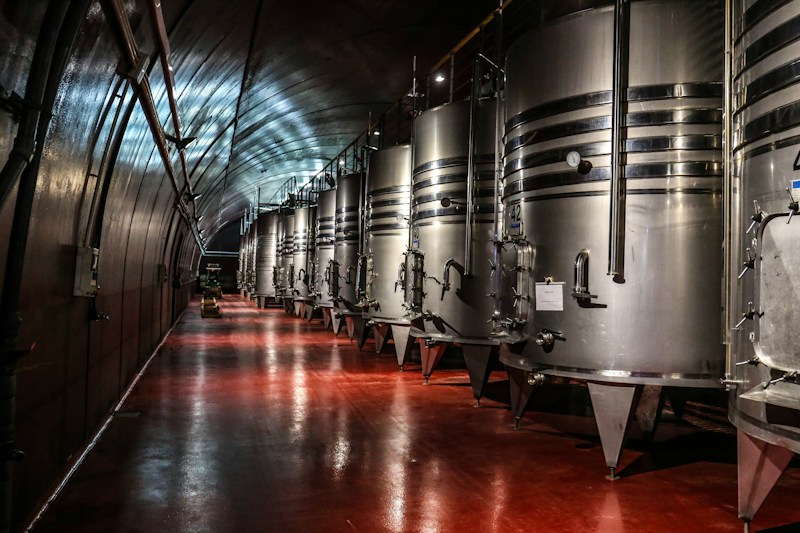
The vast majority of Arneis is matured in stainless steel tanks. This method preserves freshness, primary fruit and the delicate floral tones:
- Aromas: pear, white peach, crisp apple, lemon, white blossoms, fine herbal notes
- Texture: taut, clear, linear; medium weight, with lively but not sharp acidity
- Impression: refreshing, precise, like a clean stroke in light watercolour
Arneis from stainless steel is the pure image of its origin: you taste the hills, the light, the cool of the morning. It’s wonderful as an aperitif, yet just as effortlessly accompanies light starters, fish and vegetable dishes. Anyone wanting to hear the “pure voice” of the grape should start here.
Arneis from Wooden Casks – The Deep, Warm Note
A small but exciting share of Arneis wines is matured in wood – usually in used barriques or larger casks, often with only a short or gentle stay in barrel. The idea is not to push vanilla and toast to the forefront, but to create depth, texture and maturity:
- Aromas: riper pear, yellow apple, white peach, almond, sometimes a hint of honey and herbal tea; the wood usually remains discreet in the background
- Texture: creamier, rounder, with a little more volume on the palate
- Impression: calmer, reflective, less “zippy fresh”, but with a longer echo
Barrel-aged Arneis is not a loud Chardonnay substitute, but a more delicate, nuanced variation: a lightly matured white wine with a Piemontese soul that pairs beautifully with more complex dishes – for example with nut-based dishes, creamy sauces or fine poultry.
Between Worlds – Lees, Time and Patience
Many winemakers now also work with extended lees contact (“sur lie”), even in stainless steel. This gives Arneis:
- More creaminess
- Slightly bready, nutty undertones
- A gentle smoothing of the acidity
The result is wines that combine the freshness of stainless steel with a touch of texture and depth – perfect for anyone looking for more than just a “summer wine” in the glass.
---
3. Pairing Recommendations: The Perfect Partner
Arneis is a quiet seducer at the table. It doesn’t force itself upon you, but if you serve it the right partner, a gentle, harmonious duet begins.
| Gericht | Wein-Stil | Warum es funktioniert |
|----------------------------------|------------------------------|-------------------------------------------------------------------------|
| Vitello Tonnato | Stahltank, jung, fruchtbetont | Die zarte Säure und Kräuternoten des Arneis heben die cremige Thunfisch-Sauce, ohne das Kalbfleisch zu überdecken. |
| Kräuter-Risotto mit Zitrone & Parmesan | Stahltank mit Hefelagerung oder dezentes Holz | Die Cremigkeit des Risottos wird vom Schmelz des Weins aufgefangen, Zitrus- und Kräuteraromen spiegeln die Zutaten ideal wider. |
| Gegrillter Wolfsbarsch mit Fenchel & Olivenöl | Strukturierter Arneis, teils im Holz | Der mittelkräftige Körper und die Mandel-Kräuter-Noten des Weins ergänzen den aromatischen Fisch und den Fenchel perfekt, ohne zu dominieren. |
---
4. FAQ – 10 Questions for Arneis Lovers
❓ What makes Arneis so special in terms of taste?
Arneis combines delicate, bright fruit – pear, white peach, apple – with fresh citrus notes, white blossoms and a fine almond and herbal tone. It is medium-bodied, with medium, well-integrated acidity. As a result, it comes across as neither shrill nor bland, but elegant, subtle and surprisingly full of character.
---
❓ Is Arneis more of a summer wine or a year-round wine?
Both. Young and matured in stainless steel, Arneis is a wonderful summer wine: served cool, refreshing, fragrant. With some maturity, lees contact or gentle oak influence, it becomes a year-round wine that also pairs beautifully in the cooler season with creamy risotti, poultry or vegetable dishes.
---
❓ How cold should I serve Arneis?
Ideally between 9 and 11 °C.
Too cold (6–7 °C) and you’ll shut down the delicate aromas of pear, blossoms and almond. Too warm (above 13 °C) and the fruit quickly seems tired and the structure slack. Let the bottle rest in the fridge for 10–15 minutes or place it in an ice bucket with water and a little ice.
---
❓ Can Arneis age, or should it be drunk young?
Many Arneis wines are designed to be enjoyed within 2–3 years – that’s when they show their freshest, most fruit-driven side. Good-quality examples, especially those with some lees contact or careful barrel aging, can mature for 4–6 years and sometimes longer. Over time, almond, herbs and a fine, almost waxy texture become more pronounced, and the fruit grows more complex and subdued.
---
❓ What can Arneis be compared to?
It combines aspects of various grape varieties without being a simple copy:
- The delicacy and floral character of some Pinot Bianco
- The herbal and citrus nuances of certain Vermentino
- The subtle bitter-almond finesse reminiscent of Italian varieties like Garganega
Yet ultimately, Arneis remains very distinctive – a typical “Piemontese in a white wine glass”.
---
❓ Does Arneis also work with vegetarian cuisine?
Absolutely. Arneis loves vegetables:
- Zucchini, fennel, artichoke (tricky for many wines, but Arneis handles them surprisingly well)
- Mushroom dishes, especially in creamy preparations
- Pasta with herbs, lemon zest, Burrata or Ricotta
The herbal and almond notes of the wine harmonize beautifully with plant-based aromas.
---
❓ Why, despite its quality, is Arneis still relatively little-known?
For a long time Arneis lived in the shadow of Nebbiolo. It was even used in the past to “tame” powerful red wines. Many old vines were uprooted and the variety came close to disappearing. Only in recent decades have dedicated winemakers rediscovered Arneis and vinified it as a stand-alone wine. Today it is an insider tip – but more and more wine lovers are discovering this quiet treasure.
---
❓ Is Arneis always dry?
The great majority of Arneis wines are vinified dry. There are occasional experiments with off-dry versions or late harvests, but they are rare. The typical style is dry with harmonious acidity, which allows the fruit to appear clear and precise without needing residual sweetness.
---
❓ What shape of glass is best for Arneis?
A classic white wine glass with a gently rounded bowl and slightly narrowed rim is ideal. It shouldn’t be too small – Arneis needs some space to unfold pear, peach, blossoms and herbs. Very large Burgundy glasses are usually oversized; very small tasting glasses “squeeze” its fine nuances.
---
❓ How do I recognise a good Arneis when buying?
Look out for:
- Origin: Roero, Langhe, the surroundings of Alba – these are strong indications of quality
- Vintage: For fresher styles, choose younger vintages; for more complex versions, a year or two of bottle age can be beneficial
- Producer: Winemakers known for high-quality Barolo/Barbaresco usually take great care with their Arneis as well
- Description: Notes of pear, white peach, almond and herbs, as well as words like “fresh”, “elegant”, “mineral” or “sur lie” are good signs
---
Arneis is not a wine that wins you over with volume. It whispers – of sandy soils, mists and sunlight, of pear trees and wild herbs. If you’re willing to listen, it will become one of those wines that quietly, but surely, never let you go.